
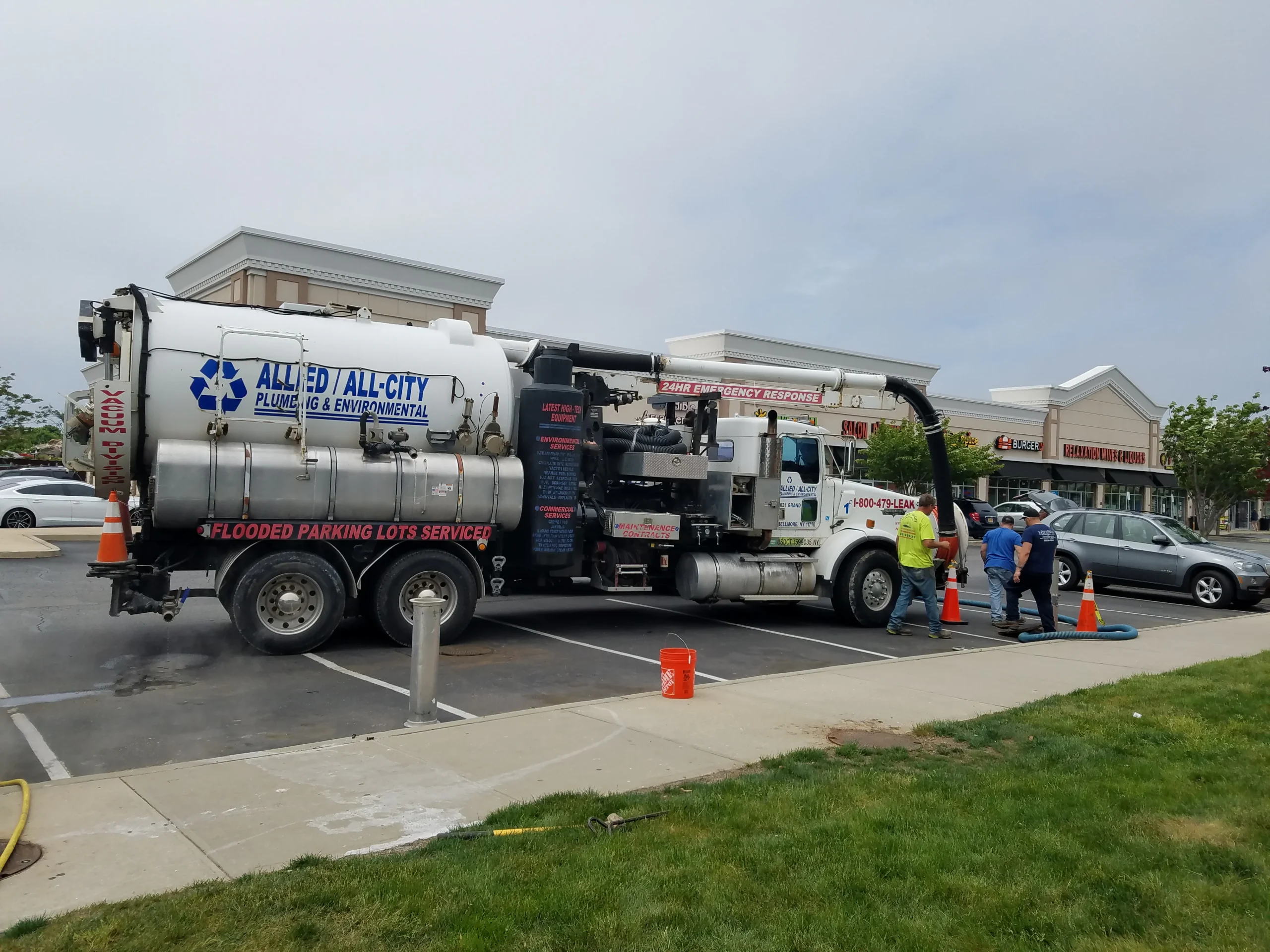
Don't wait for a frozen pipe to burst. Allied All-City Inc. responds fast across Nassau and Suffolk Counties to thaw, inspect, and repair your frozen plumbing before the damage escalates.
Frozen pipes are a winter emergency, not a regular appointment. We're available day and night to respond quickly before a frozen pipe turns into a burst one.
Our crews are certified and approved to work in both Nassau and Suffolk Counties — licensed professionals, not just anyone with a wrench. Every job is done to code.
We never hand your job off to someone else. Our own trained crews respond, assess, and repair — you get the same accountable team from first call to job completion.
After we thaw the pipe, we inspect the full line with a camera to catch any cracks or weak spots before they become a costly burst later in the season.
Catching a frozen pipe early makes all the difference — less damage, lower cost, and no flood cleanup. Here's what our service delivers.
Every benefit above is delivered on every job we take.
Get a Free QuoteOur licensed crew serves Nassau and Suffolk County with same-day availability and transparent pricing on every job.
We respond to your call immediately and dispatch a crew to your property, available 24/7 throughout the Nassau and Suffolk service area.
We thaw the frozen section using safe, controlled methods, then run a camera inspection to check the entire line for cracks or damage caused by the freeze.
Any compromised sections get repaired on the spot. We also walk you through which parts of your plumbing are most vulnerable for future freeze prevention.
A frozen pipe typically causes no water flow at all from a specific faucet or section of the house — not just reduced pressure. If you turn on a faucet and nothing comes out, especially during or after a cold snap, a frozen pipe is likely. You might also notice frost on an exposed pipe, unusual sounds when running water elsewhere in the house, or a pipe that's unusually cold to the touch. If only one faucet is affected, the freeze is probably localized to that branch line. If multiple fixtures are affected, the freeze may be on the main line.
You can carefully attempt to thaw a frozen pipe yourself in some situations — using a hair dryer set to low heat or warm towels wrapped around an exposed pipe are relatively safe methods. However, there are real risks with DIY thawing. If the pipe has already cracked, thawing it will cause it to burst and flood immediately. Using improper heat sources like a propane torch or heat gun can crack the pipe, melt surrounding materials, or start a fire. Calling a professional is the safer choice, especially if you can't locate the frozen section or the pipe runs through a wall or floor.
If a frozen pipe bursts before our crew arrives, the most important thing you can do is locate your main water shutoff valve and turn it off immediately to stop the flow of water. The main shutoff is typically near the water meter — often in the basement or utility room, or outside near the curb. Once the water is off, leave the affected faucets open to relieve pressure. Then call us. We'll treat it as a full emergency response — thawing, repairing, and fully inspecting the line to make sure no other sections are about to fail.
The time it takes to thaw a frozen pipe depends on how long the frozen section is, where it is in the house, and how severely frozen it is. A short section of exposed pipe might thaw in 30 to 45 minutes. A longer run hidden in a wall or under a floor can take significantly more time. After thawing, we inspect the full line with a camera — which adds time but is essential for catching any cracks or damage before they cause a problem. We aim to complete the full service — thaw, inspect, and repair — in a single visit whenever possible.
Not necessarily — but the risk is real and shouldn't be taken lightly. A frozen pipe builds pressure as ice expands inside the line. If that pressure exceeds what the pipe can handle, it bursts. Pipes that freeze slowly or in flexible sections sometimes thaw without rupturing. However, even if a pipe doesn't burst immediately, the stress of freezing can weaken the pipe wall, making it more likely to fail later during a pressure surge or the next freeze cycle. That's why we always inspect the full line with a camera after thawing — to catch any micro-cracks or weak points before they become the next emergency.
There are several practical steps that significantly reduce freeze risk. Insulate any pipes running through exterior walls, crawl spaces, garages, or attics using foam pipe insulation — it's inexpensive and makes a real difference. Keep your heat set no lower than 55°F even when you're away from home. Open cabinet doors under bathroom and kitchen sinks during extreme cold to let warm air circulate around those pipes. Let faucets drip very slightly during overnight cold snaps — moving water is much harder to freeze. If you have a vacation home or plan to be away for an extended period during winter, consider draining the system entirely or having someone check on the property regularly.