
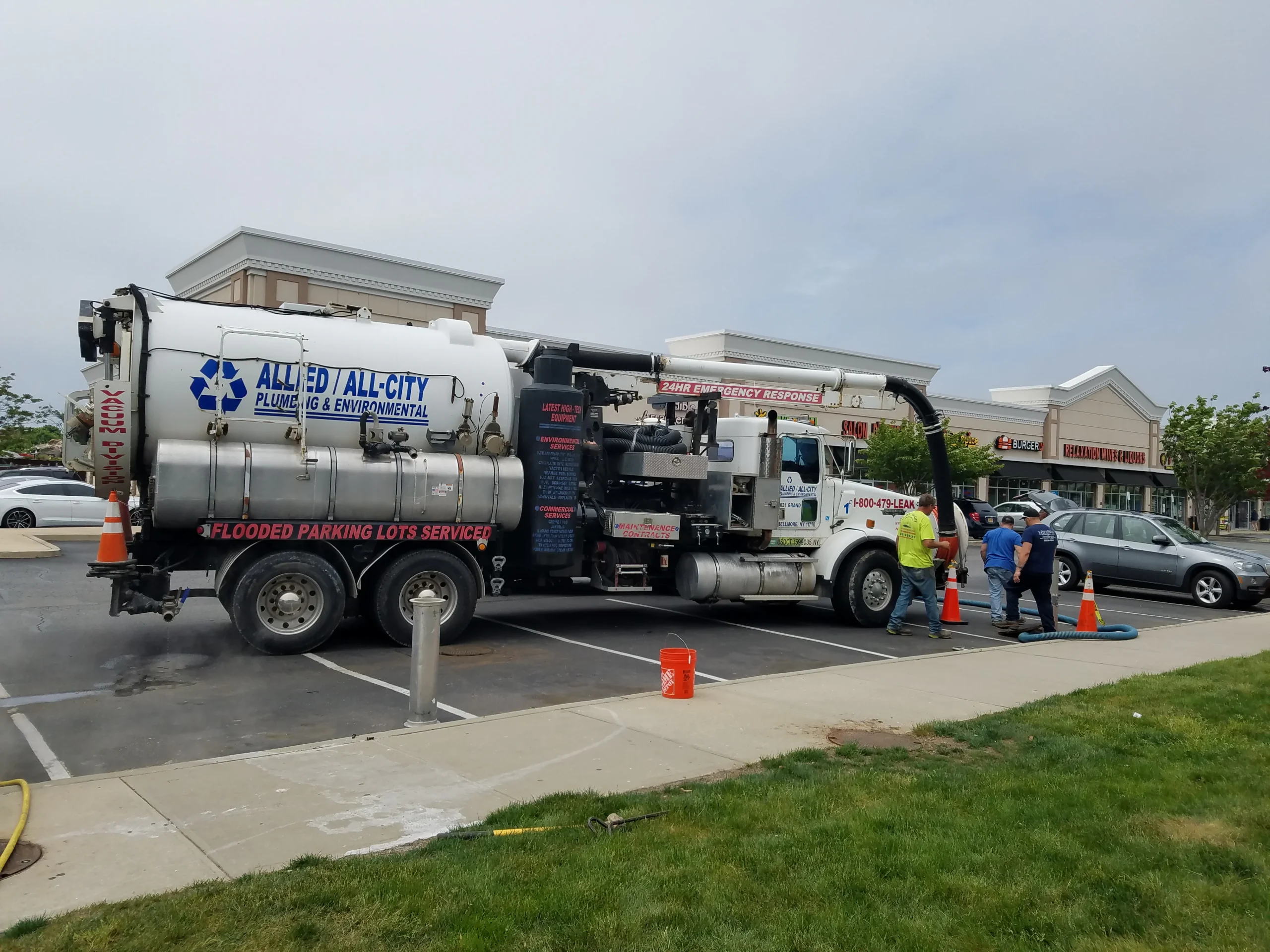
Our electronic leak detection equipment pinpoints underground water and sewer leaks beneath concrete, asphalt, and landscaping — so you know exactly where to dig before anyone touches a shovel.
Decades of experience reading underground pipe systems across Nassau and Suffolk Counties means fewer surprises on your job.
Every detection job is backed by in-line camera inspection so you can see exactly what's happening inside your pipe.
Our own trained crews handle every job — you always know who is on your property and who is accountable.
Fully licensed and certified to work on municipal, commercial, and residential systems in both Long Island counties.
Knowing exactly where a leak is before breaking ground saves time, money, and a lot of unnecessary damage to your landscaping and hardscape.
Every benefit above is delivered on every job we take.
Get a Free QuoteOur licensed crew serves Nassau and Suffolk County with same-day availability and transparent pricing on every job.
We review the pipe layout, pressure data, and reported symptoms to establish the search area before equipment goes in the ground.
Technicians walk the pipe route using acoustic listening equipment, correlating signal readings to narrow the leak location precisely.
We confirm findings with in-line camera inspection and deliver a documented report so repairs can move forward without uncertainty.
Ultrasonic leak detection is significantly more precise than excavating without data. Traditional methods — wet spots, surface staining, soft ground — often show up several feet away from the actual leak because water migrates underground before surfacing. Our acoustic equipment correlates signal readings along the pipe route to isolate the leak within a very tight range, typically within a foot or two of the actual failure point. That accuracy means we're directing excavation to the right spot on the first attempt, which reduces the size of the dig, minimizes damage to landscaping and hardscape, and shortens the overall repair timeline.
Yes. Acoustic and ultrasonic detection equipment is specifically designed to work through hard surfaces. The sound signature from an underground pressurized leak travels through concrete, asphalt, and compacted soil and can be read at the surface by our listening equipment. This is one of the most common situations we encounter on Long Island — a water service line running beneath a driveway or garage slab that's losing pressure with no visible sign of a problem. We can survey the line from the meter to the house or building without cutting into any surface until we know exactly where the problem is.
We can detect leaks in most pressurized pipe systems, including municipal water mains, residential and commercial water service lines, irrigation and sprinkler supply lines, and pressurized sewer force mains. The technology works best on pipes under active pressure, since the escaping water is what generates the acoustic signal the equipment reads. For gravity sewer lines that aren't under pressure, we typically combine acoustic detection with in-line camera inspection to identify infiltration, cracks, or joint failures. If you're not sure which approach applies to your situation, we can discuss it when you call.
No excavation is required for the detection phase. Our technicians work above ground using surface listening equipment, and the entire detection survey is non-invasive. Depending on what the survey reveals, some excavation may ultimately be needed to make the repair — but the whole point of detection is to tell us exactly where to dig so that work is targeted and minimal. In many cases, if the leak is in a location suited for trenchless repair, Allied All-City can address the problem with minimal or no open excavation at all. We'll walk you through the options once we have confirmed findings in hand.
The time depends on the length of the line being surveyed and site conditions, but most residential service line surveys can be completed in a few hours. Longer runs, complex routing, or heavily congested utility corridors may take longer. We'll give you a realistic time estimate when we schedule the job. Because we're using electronic detection equipment rather than trial-and-error digging, the overall process — detection plus repair — is almost always faster than a conventional approach. We also work around your schedule and can accommodate emergency response when a leak is causing active water loss or property damage.
Allied All-City handles both detection and repair. Once our team locates the leak, we can proceed directly to the repair phase using our own crews — no handoff to a separate contractor, no scheduling gap, no miscommunication between the detection team and the repair team. Depending on what the detection and camera inspection reveals, repair options may include conventional excavation and pipe replacement, trenchless pipe lining, or pipe bursting. We'll present the options clearly along with the associated scope and cost so you can make an informed decision before any work begins. That's the same transparent process we've used with Long Island property owners for over 50 years.