Trenchless directional drilling installs new sewer and water lines underground without destroying your yard. Learn how this technology protects Long Island landscapes while delivering lasting results.
Share:
Summary:
You’ve been putting off that sewer line repair because you can’t stomach the thought of watching a backhoe tear through your front yard. The mature oak tree you’ve nurtured for twenty years. The brick paver driveway you installed three summers ago. The garden beds your spouse spent weekends perfecting.
Traditional excavation means all of that gets destroyed, then poorly restored weeks later. Trenchless directional drilling works differently. It installs new pipes underground without ripping up your property. The question you’re really asking is whether this sounds too good to be true. Let’s walk through exactly how it works, what actually happens to your landscape, and what Long Island homeowners need to know before choosing this method.
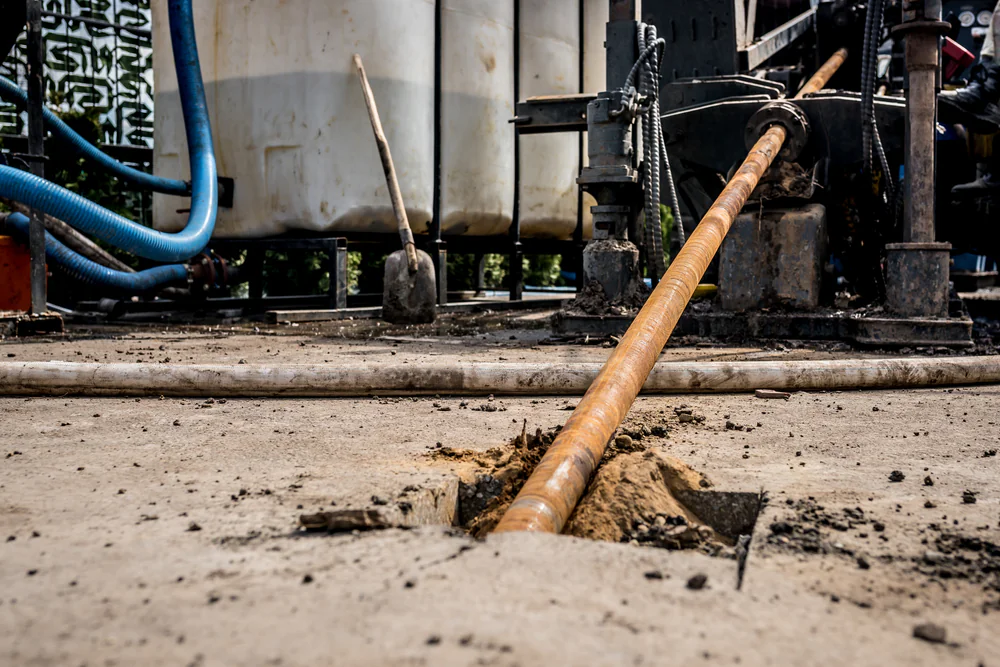
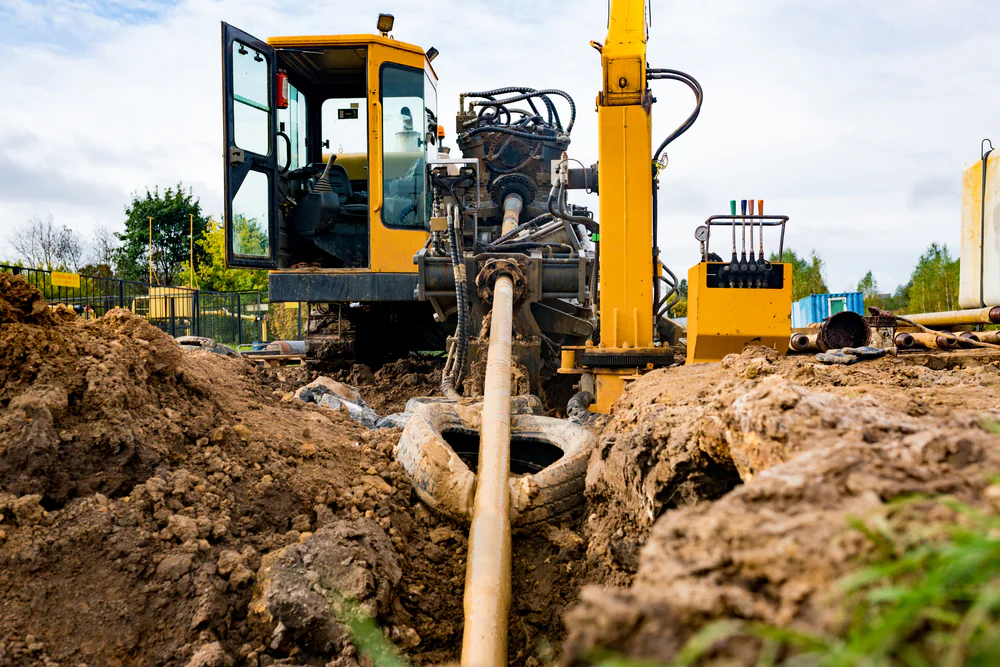
Directional drilling creates an underground pathway for new pipes without digging a trench across your property. The technology uses a specialized drilling rig that bores a small pilot hole beneath the surface, navigating a predetermined path that avoids obstacles like tree roots, existing utilities, and foundation lines. Our drill operator tracks the drill head’s exact position in real time using electromagnetic locating equipment.
Once the pilot hole reaches the exit point, we attach a reamer to enlarge the hole to the diameter needed for your new pipe. The final step pulls the new pipe through that underground channel. Your yard stays intact because the entire operation works from small access points at each end of the run—no massive trenches, no piles of excavated dirt sitting on your lawn for weeks.
The surface disruption you’ll actually see amounts to a couple of targeted spots where the drill enters and exits. That’s it. Everything between those two points stays untouched.
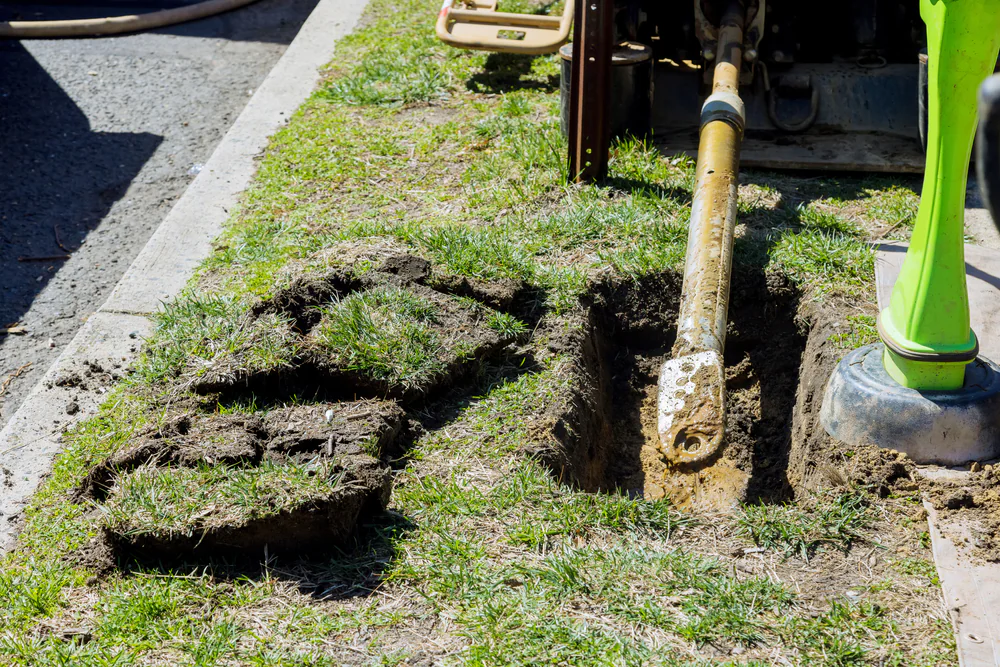
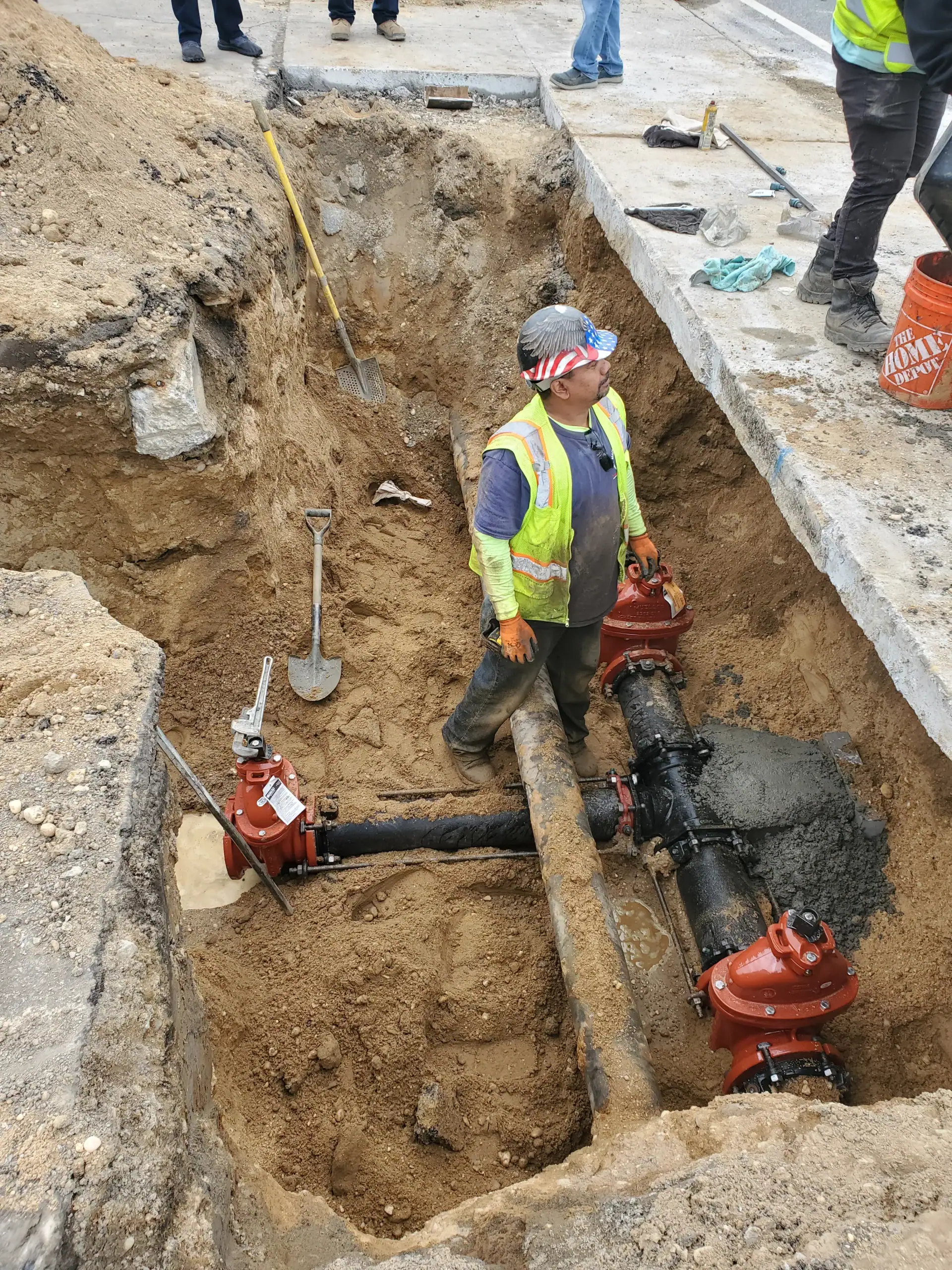
The reality of HDD impact comes down to two small access pits and the footprint of the drilling equipment itself. We dig entry and exit points, typically about three feet by three feet, at each end of the pipe run. That’s where the drill enters the ground and where it emerges on the other side.
The drilling rig sits on your property during the work, usually on your lawn or driveway. Modern equipment distributes weight to minimize ground pressure, but you’ll still see some compaction where the rig parks. We use mats or boards under the equipment to protect grass and hardscaping.
Between those two access points, nothing gets disturbed. Your driveway stays drivable. Your garden beds remain untouched. The mature trees that would’ve been casualties in traditional excavation keep growing. The drill navigates underground, steering around obstacles using real-time tracking technology that tells the operator exactly where the drill head is at every moment.
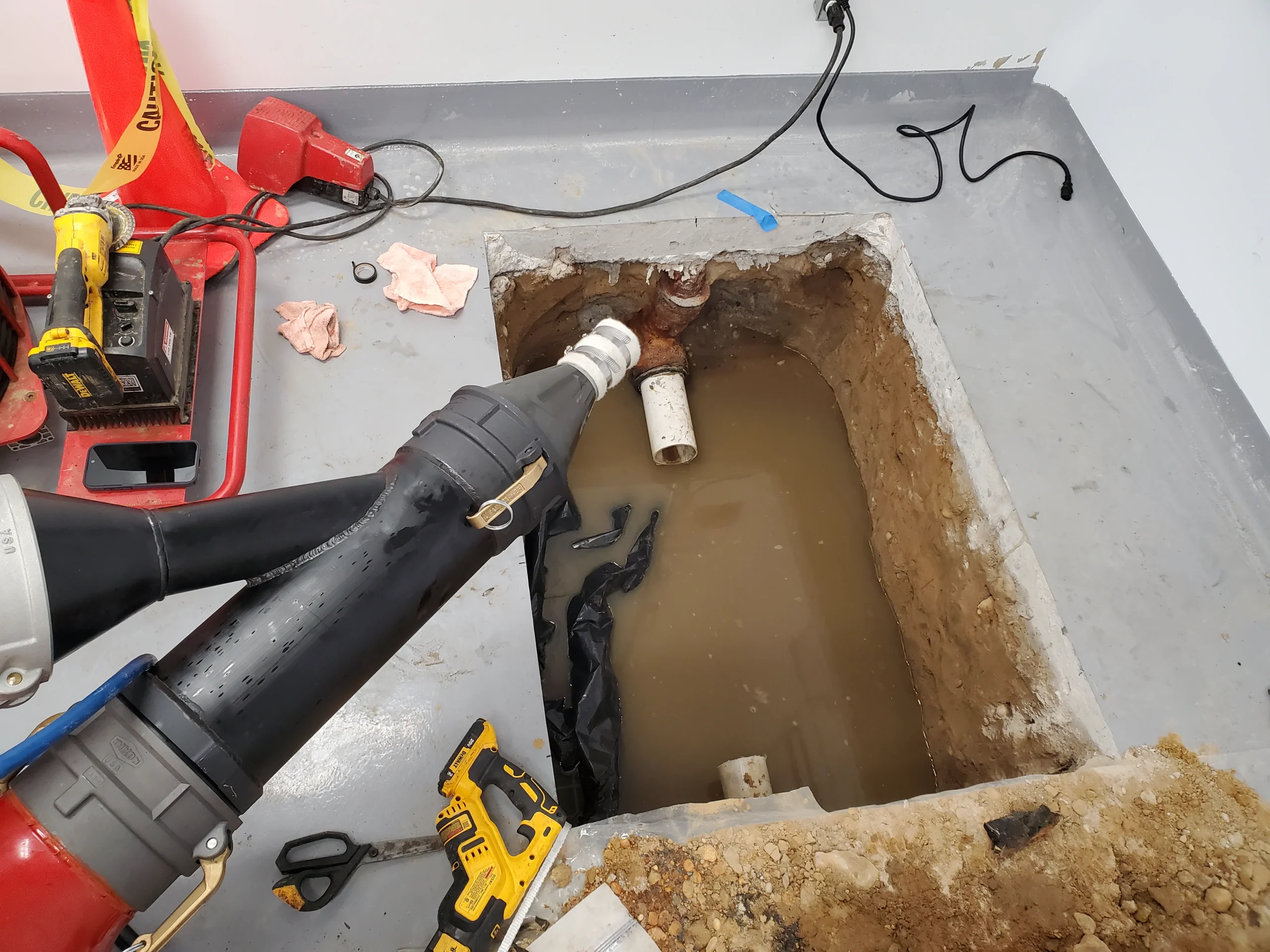
The drilling process does use a fluid mixture—mostly water with bentonite clay—to cool the drill bit and remove cuttings. This fluid gets contained and recycled through specialized equipment. You might see some mud at the access points, but we manage this with containment systems that prevent it from spreading across your property.
After the pipe installation completes, those two small access pits get backfilled and restored. You’re patching a couple of small holes, not reconstructing your entire front yard. The equipment leaves. Your landscaping remains essentially untouched. That’s the fundamental difference between trenchless technology and traditional excavation that tears a four-to-six-foot-deep trench from your house to the street.
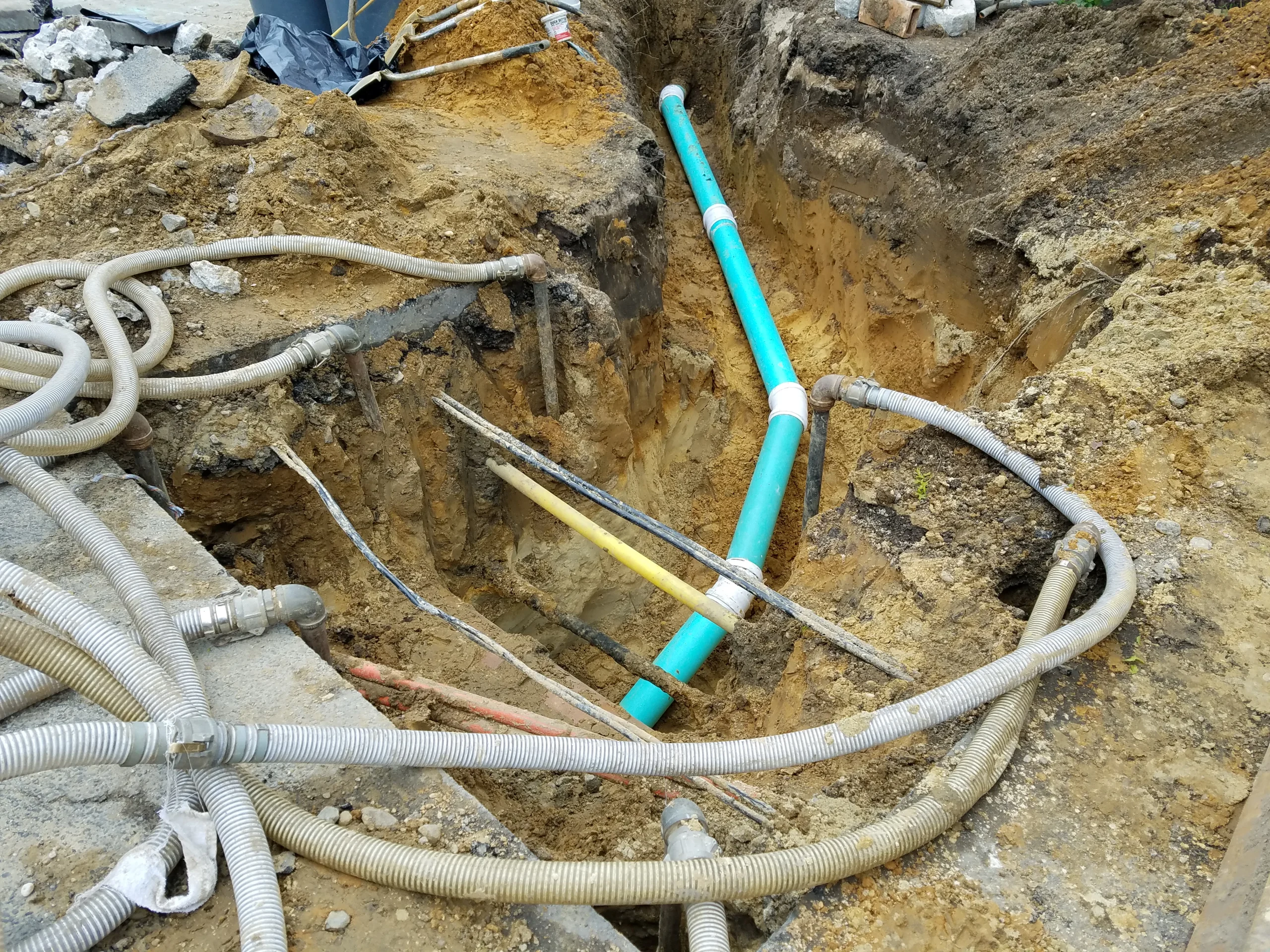
Traditional sewer line replacement means digging a trench that can run 50 to 100 feet across your property, four to six feet deep, and several feet wide. Everything in that path gets destroyed. Grass, bushes, flower beds, irrigation systems, landscape lighting. If your sewer line runs under your driveway, that driveway gets saw-cut and excavated. Under your sidewalk? Same story.
The backhoe tears through everything, creating a scar across your property that takes weeks to restore properly. You’ll have piles of excavated dirt, displaced sod, and damaged root systems from mature trees that were too close to the trench line. Even after backfilling, that disturbed soil settles unevenly for months, creating dips and drainage problems you’ll be fixing for years.
Horizontal directional drilling eliminates all of that. The comparison isn’t even close. Where traditional excavation destroys a 50-foot path across your lawn, directional drilling touches two three-by-three-foot spots. Your driveway doesn’t get cut. Your mature trees don’t lose half their root system. Your irrigation lines don’t need complete replacement.
The restoration difference tells the real story. After traditional excavation, you’re looking at thousands of dollars to replace sod, repair driveways, replant destroyed landscaping, and fix the inevitable settling issues. After directional drilling, you’re patching two small access points and possibly reseeding some grass where the equipment sat. Most projects complete in one to two days instead of multi-week ordeals.
Long Island homeowners in established neighborhoods like Levittown, Plainview, and Westbury choose trenchless methods specifically to avoid this destruction. When you’ve invested in mature landscaping, quality hardscaping, and a well-maintained property, the preservation benefits of directional drilling justify any cost difference over traditional excavation. You’re not just saving your yard—you’re protecting years of investment and avoiding the nightmare of multi-week restoration projects.
Want live answers?
Connect with a Allied All City Inc. expert for fast, friendly support.
Trenchless technology isn’t one single method. When we talk about fixing your sewer line without digging, we might mean directional drilling, pipe bursting, or pipe lining. These are distinct processes that solve different problems, and understanding which one applies to your situation matters.
Directional drilling installs completely new pipes where none existed before, or where the old pipe is too damaged to use as a guide. Pipe bursting replaces existing pipes by breaking them apart and pulling new pipe through the same path. Pipe lining creates a new pipe inside your old damaged pipe without removing it. Each method has specific applications and different impacts on your landscape.
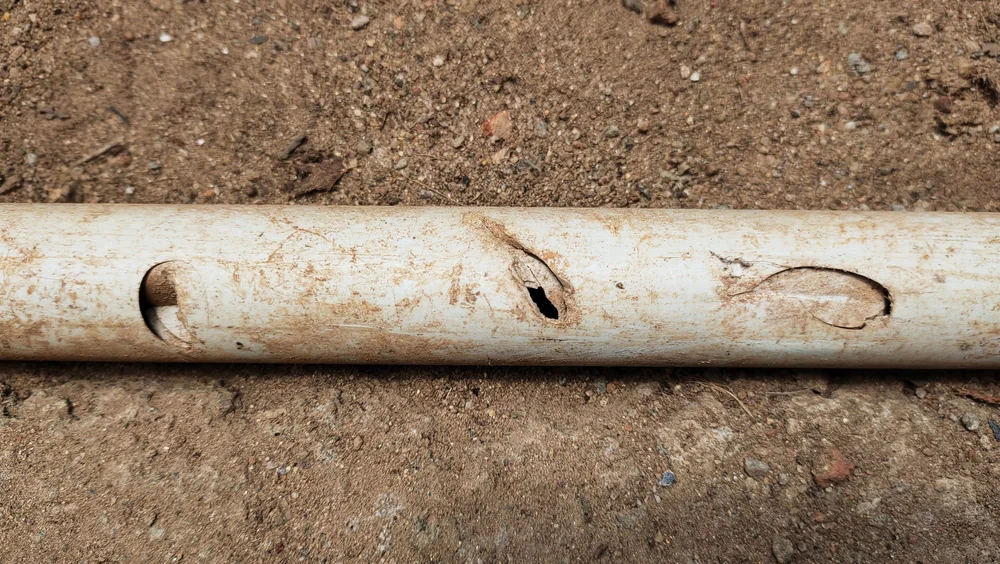
Pipe bursting works when you have an existing pipe that’s cracked, corroded, or collapsed, and you need complete replacement. The process involves pulling a bursting head through your old pipe. This head fractures the damaged pipe outward into the surrounding soil while simultaneously pulling new pipe into place behind it.
The landscape impact sits between HDD and traditional excavation. You still need access points at both ends of the pipe run, similar to directional drilling. But pipe bursting requires slightly larger pits to accommodate the bursting equipment and to connect the new pipe to your existing system. You’re still looking at minimal disruption compared to full excavation.
This trenchless pipe replacement method shines for Long Island properties with cast iron pipes from the 1950s through 1990s that are reaching the end of their lifespan. Salt air corrosion eats through these pipes, especially in coastal areas of Nassau and Suffolk Counties. When your pipe has collapsed sections or severe corrosion, pipe bursting delivers a complete replacement without the landscape destruction of traditional methods.
Your new pipe, typically high-density polyethylene, gets pulled through in one continuous section with no joints. That means no weak points where leaks develop over time. The installation happens faster than traditional excavation—usually one to two days for a typical residential run. Your yard experiences minimal disruption, and you get a pipe rated for 50 to 100 years of service.
The process does create some ground movement as the bursting head breaks apart the old pipe. We account for this, especially in Long Island’s sandy soil that shifts more readily than clay. Proper technique and the right equipment size prevent surface heaving or settling that could affect your landscaping or hardscaping.
Pipe lining, also called CIPP or cured-in-place pipe, takes the least invasive approach of all trenchless sewer repair methods. Instead of replacing your pipe, it creates a new pipe inside the existing damaged one. A resin-saturated liner gets inserted into your old pipe, then inflated and cured using heat, steam, or UV light. The result is essentially a pipe within a pipe that seals cracks and restores structural integrity.
The landscape impact is minimal because trenchless pipe lining typically works from existing access points like cleanouts or a single small excavation. You don’t need entry and exit pits. The equipment footprint is smaller. The process completes faster, often in a single day for residential applications. Your yard barely knows work happened.
This method works best when your existing pipe still has decent structural integrity but suffers from leaks, minor cracks, or root intrusion. It’s not suitable for completely collapsed pipes or severely misaligned sections. But for pipes with good bones that need sealing and reinforcement, lining delivers a 50-plus-year solution with almost zero landscape disruption.
The cured liner creates a smooth, seamless interior surface that actually improves flow compared to corroded old pipes. You do lose a small amount of internal diameter—typically a quarter to half inch depending on liner thickness. For most residential sewer and water lines, this reduction doesn’t impact performance. The tradeoff for minimal disruption makes sense for established Long Island properties where preserving landscaping matters more than maximizing pipe diameter.
Cost-wise, pipe lining typically runs less upfront than pipe bursting or complete replacement. The savings multiply when you factor in avoided restoration costs. No driveway to repave. No sod to replace. No mature landscaping to replant. You’re protecting your property investment while solving the pipe problem, which is exactly what Long Island homeowners in neighborhoods like Farmingdale and Garden City prioritize.
Trenchless directional drilling won’t damage your landscape the way traditional excavation does. You’ll see small access points and equipment footprints, but your yard, driveway, and mature trees stay intact. The technology works exactly as described—installing or replacing pipes underground without tearing up your property.
The method you choose depends on your specific situation. Directional drilling for new installations. Pipe bursting for complete replacement of damaged lines. Pipe lining for structurally sound pipes that need sealing. All three protect your landscape better than traditional excavation while delivering long-lasting results.
Long Island properties face unique challenges with aging infrastructure, salt air corrosion, and sandy soil that shifts during freeze-thaw cycles. Trenchless methods address these issues while preserving the landscaping and hardscaping you’ve invested years building. When you’re ready to fix that sewer line without destroying your yard, we bring four decades of trenchless technology experience to Nassau and Suffolk Counties.
Article details:
Share:
Continue learning: