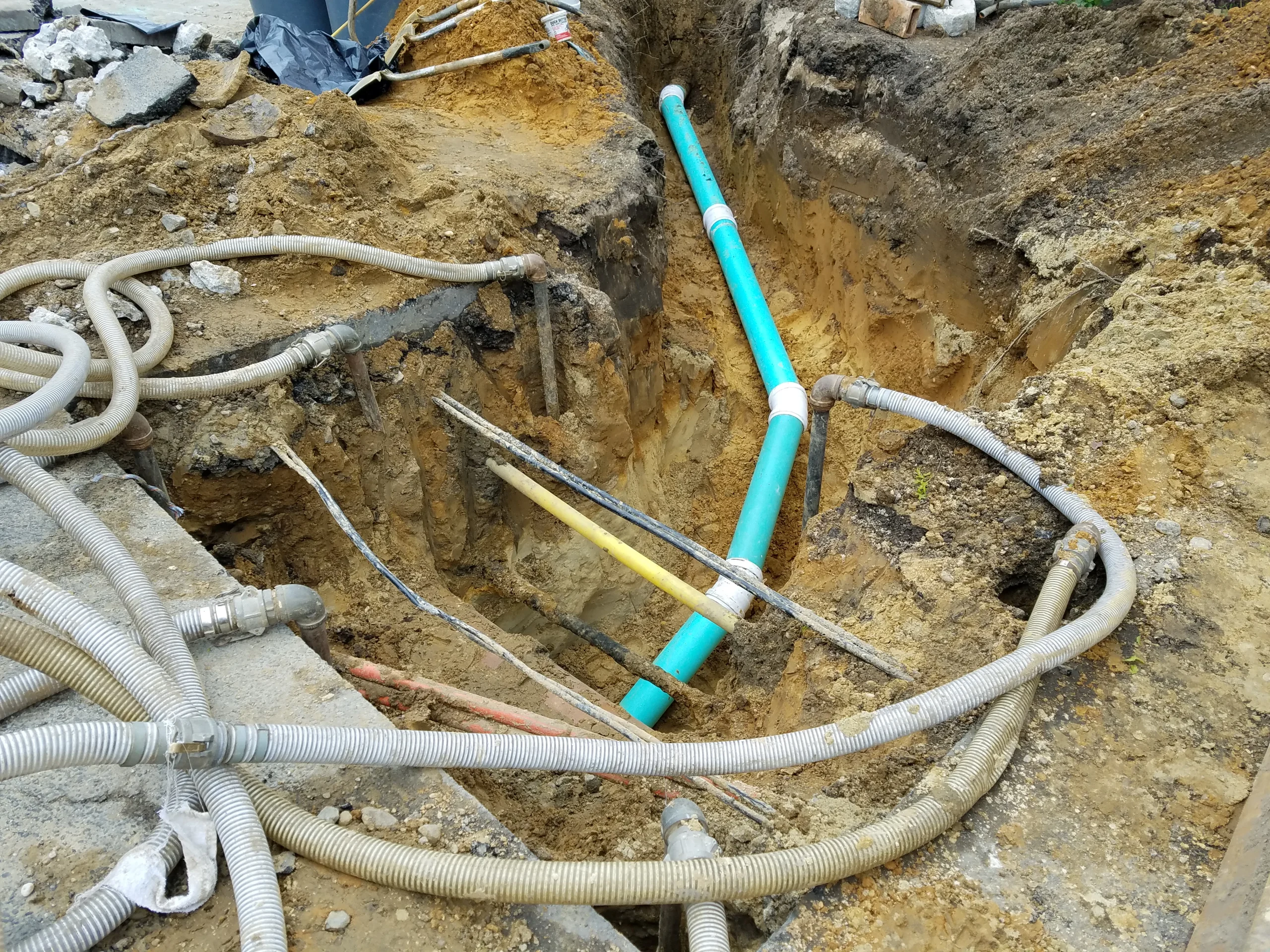
Your pipes warn you before they fail. Learn five critical signs that mean it's time to call professional plumbing services in Long Island, NY—before a small problem becomes an expensive emergency.
Share:
Summary:
Your home’s plumbing doesn’t fail overnight. It gives you warnings—subtle at first, then impossible to ignore. Maybe your water pressure isn’t what it used to be. Maybe you’re smelling something you shouldn’t. Or maybe you’re calling a plumber every few months to fix yet another section of pipe, wondering when this cycle will end.
If you’re a Long Island property owner dealing with plumbing issues, you’re not alone. Many homes across Nassau and Suffolk Counties were built decades ago with pipes that are now reaching the end of their lifespan. The good news? You have options that don’t involve tearing up your entire yard. Here’s what you need to know about recognizing the signs early and understanding the solutions available to you.
Knowing when to pick up the phone matters. Some plumbing issues are minor annoyances you can ignore for a while. Others are red flags pointing to bigger problems developing underground, behind your walls, or under your foundation.
The difference between a quick fix and a major emergency often comes down to timing. Catch the problem early, and you might need a simple repair. Wait too long, and you’re looking at water damage, mold growth, and restoration costs that dwarf what the original fix would have cost.
Your plumbing system talks to you through symptoms. Low pressure across multiple fixtures means something’s restricting flow inside your pipes. Foul odors from drains signal venting problems or sewer line issues. Discolored water points to corrosion eating away at your pipes from the inside. These aren’t things that fix themselves.
When water barely trickles from your shower or multiple faucets run weak at the same time, you’re seeing the effects of what’s happening inside your pipes. This isn’t about one clogged aerator. It’s system-wide.
In older Long Island homes—especially those built before 1980—galvanized steel and cast iron pipes corrode from the inside out. Rust and mineral deposits build up along the inner walls, gradually narrowing the opening. Think of it like plaque building up in arteries. The pipe is still there, but it’s working much harder to push the same amount of water through a smaller space.
Long Island’s hard water makes this worse. High mineral content in the water causes calcium and magnesium to calcify on metal pipes, restricting flow and creating weak points that become more susceptible to corrosion. The water itself—if it has low pH or high dissolved oxygen—speeds up the breakdown of metallic pipe surfaces.
The tricky part is that pressure changes happen gradually. You adapt without realizing it. Your shower feels a little weaker than it used to. The washing machine takes longer to fill. You don’t notice the decline until you visit someone else’s house and realize their water pressure is noticeably stronger.
If the pressure drop affects just one fixture, you might have a localized issue. But system-wide pressure loss indicates a problem with your main water line or extensive corrosion throughout your plumbing. This is especially common in areas farthest from the main supply line or on upper floors where pressure is naturally lower.
Don’t wait until you’re down to a trickle. If you’ve noticed your water pressure isn’t what it used to be across multiple locations in your home, it’s time to have your water line inspected. The longer you wait, the more the corrosion spreads, and the more expensive the eventual fix becomes.
Turn on your faucet in the morning and see brown, yellow, or rust-colored water? That’s not normal, and it’s not something to ignore. Clean water should always run clear. When it doesn’t, your pipes are telling you they’re deteriorating from the inside.
Discoloration often shows up when you first turn on the tap in the morning or after water has been sitting in the pipes for several hours. Small flakes of rust or metal settle inside the pipes overnight, then flush out when water begins to flow. If it clears up after running for a minute, you might think it’s fine. It’s not. That rust is coming from somewhere, and it means your pipes are corroding.
Iron and manganese leaching from corroded pipes cause discoloration and a metallic taste. While these aren’t as immediately harmful as some other contaminants, their presence indicates that the interior of your plumbing system is breaking down. Where there’s visible rust, there’s structural deterioration happening that you can’t see.
This problem is particularly common in Nassau and Suffolk County homes with galvanized steel pipes. These pipes were installed in homes built between the 1930s and 1980s, and by now, many have reached or exceeded their expected lifespan. The zinc coating that once protected the steel has worn away, leaving the metal exposed to water and oxygen—the perfect recipe for rust.
If the discoloration only happens when you run hot water, your water heater is likely the source. Sediment collects at the bottom of the tank over years, leading to rust and decreased heating efficiency. But if cold water is also discolored, the problem is in your pipes, not your water heater.
The key is not to wait until the problem becomes obvious to everyone in your household. Discoloration often starts subtly and worsens over time. By the time your water looks like it’s coming from a rusty well, significant damage has already occurred. Early inspection can catch corrosion before it leads to leaks, bursts, or complete pipe failure.
Want live answers?
Connect with a Allied All City Inc. expert for fast, friendly support.
Traditional plumbing repair meant one thing: dig a trench from your house to the street, tear up your yard, destroy your driveway, and spend weeks dealing with the mess. Then pay thousands more to restore everything after the pipes were fixed.
Trenchless technology changed that. Now you can replace or repair underground pipes with minimal digging, preserving your landscaping and cutting project time from weeks to days. Two main methods dominate: pipe bursting for replacement and pipe lining for repair.
Both approaches work from small access points rather than continuous trenches. Both leave your property largely intact. And both deliver results that last decades. Understanding which method fits your situation depends on the condition of your existing pipes and what you’re trying to accomplish.
Pipe bursting does exactly what the name suggests—it breaks apart your old damaged pipe while simultaneously pulling a new one into place. The process requires only two small access pits: one at the beginning of the damaged section and one at the end.
Here’s how it works. A hydraulic bursting head gets inserted into your existing pipe. As it’s pulled through, it fractures the old pipe outward, pushing the broken pieces into the surrounding soil. Behind the bursting head, a new seamless pipe—typically high-density polyethylene (HDPE)—gets pulled into the exact path where the old pipe was.
The new HDPE pipe is built to last. We’re talking a life expectancy of up to 100 years. It’s seamless, which means no joints where leaks can develop or roots can intrude. It’s impervious to corrosion, chemicals, and the kind of deterioration that destroyed your old pipes.
This method works particularly well for Long Island properties with severely damaged pipes, especially those built before 1980 that still have original cast iron or clay pipes. If your pipes have significant bellying, misalignment, or you need to upsize the diameter to meet current plumbing codes, pipe bursting handles all of that.
It’s also the right call if you’ve already attempted repairs that failed. Many homeowners in Nassau and Suffolk County find themselves “chasing pipe”—fixing one section only to have another fail a few months later. Pipe bursting eliminates that cycle by replacing the entire problematic section at once. You’re done. No more repeated repairs.
The process is faster than traditional excavation. Most projects complete in one to two days depending on length and complexity. Your yard stays intact except for those two small access points. No destroyed landscaping. No torn-up driveways. No weeks of construction noise and disruption.
There are limitations. Pipe bursting requires specific soil conditions and won’t work with certain pipe materials like HDPE or reinforced concrete that don’t fracture properly. It also costs more upfront than pipe lining. But when you factor in the longevity and the elimination of future repairs, many property owners consider it a once-in-a-lifetime solution that’s worth the investment.
Pipe lining takes a different approach. Instead of replacing your pipes, it creates a new pipe inside the old one. Think of it as a pipe within a pipe. This method works when your existing pipes still have decent structural integrity but suffer from leaks, cracks, or root intrusion.
The process uses cured-in-place pipe (CIPP) technology. A flexible liner saturated with epoxy resin gets inserted into your existing pipe through an access point—often your building’s cleanout. The liner is positioned to cover the damaged section, then inflated to press against the inner walls of the old pipe. Heat, steam, or UV light cures the resin, hardening it into a smooth, seamless new pipe interior.
Once cured, the liner creates a durable surface that can last 50-plus years with proper installation. It seals cracks, stops leaks, and prevents root intrusion. The smooth interior surface actually improves flow compared to corroded old pipes with rough, deteriorated interiors.
Pipe lining works particularly well when your pipes have good bones but need reinforcement. Minor cracks, small leaks, root intrusion that hasn’t caused collapse—these are ideal candidates for lining. It’s less invasive than pipe bursting and typically costs less upfront.
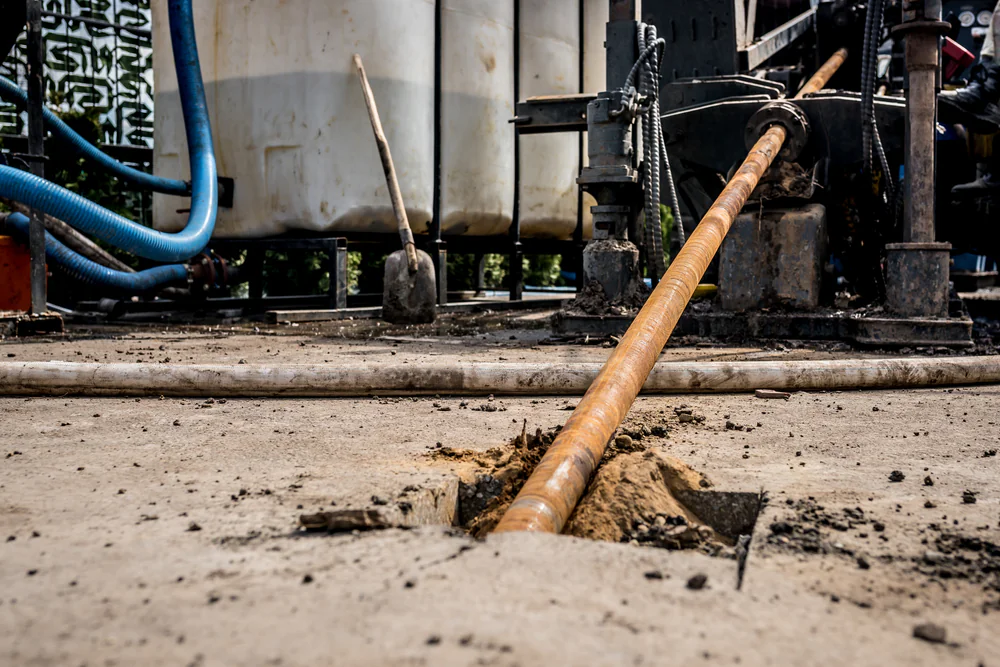
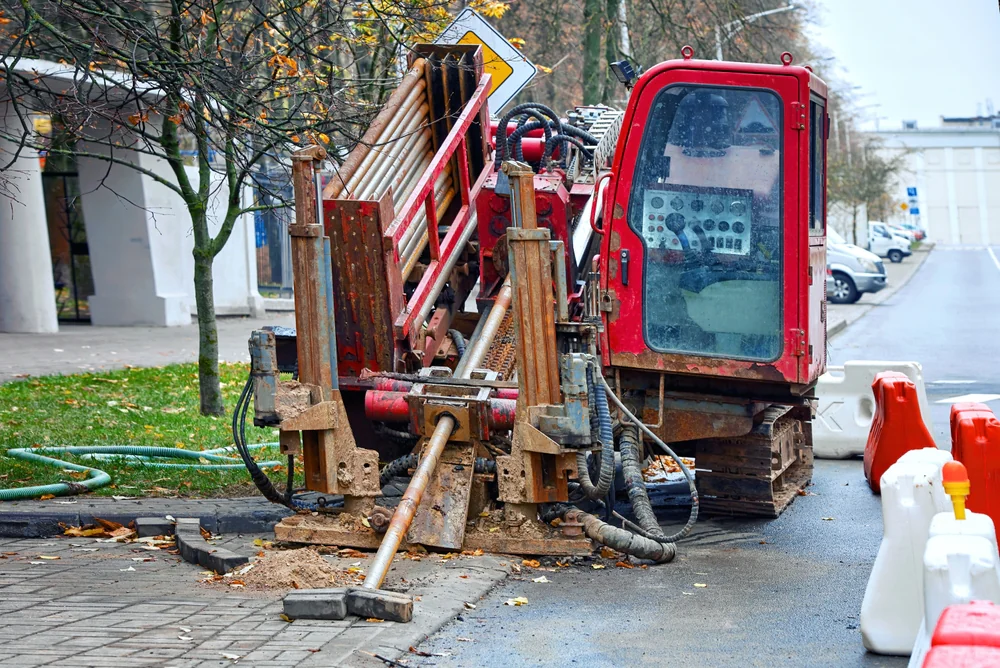
Trenchless directional drilling offers yet another option when you need to install new pipes but can’t use existing lines as a guide. This method drills a pilot hole underground along a predetermined path, then pulls new pipe through that hole. It’s perfect for crossing under roads, driveways, or landscaping without disturbing the surface. You can install water lines, sewer lines, or utility conduits with minimal impact to your property.
The method requires minimal digging. In many cases, we can complete the work through existing access points without any excavation. This makes it perfect for situations where you absolutely cannot disturb the surface—under buildings, beneath expensive landscaping, or in areas where excavation permits would be difficult or impossible to obtain.
However, pipe lining does have trade-offs. The new liner slightly reduces the interior diameter of your pipe since it’s adding a layer inside the existing pipe. For most residential applications, this reduction is negligible and doesn’t affect flow. But it’s something to consider if your pipes are already undersized or if you’re dealing with high-volume commercial applications.
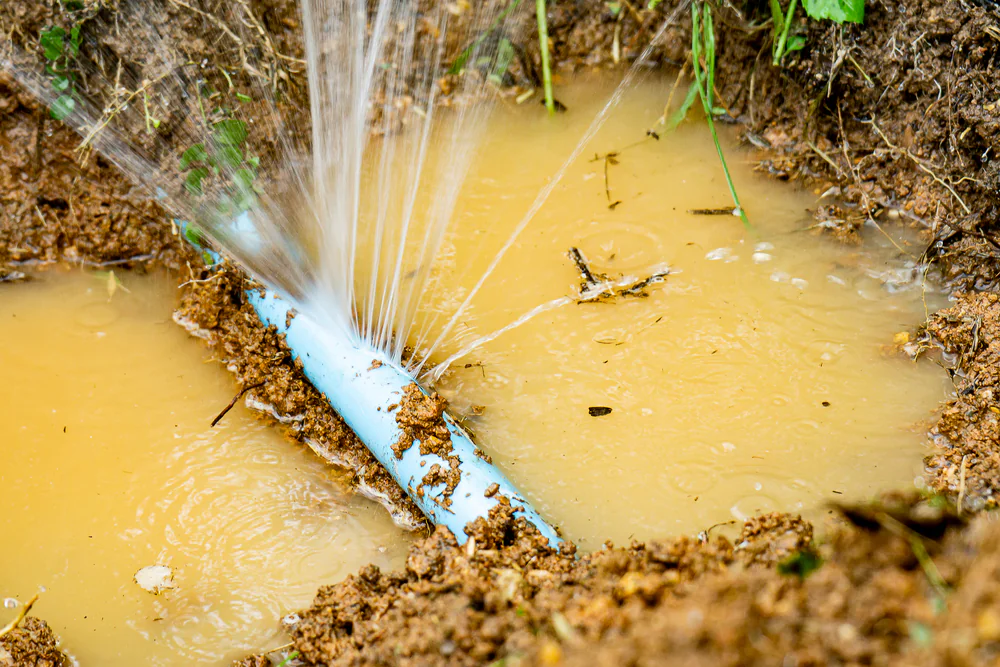
Your plumbing system won’t improve on its own. Corrosion spreads. Small leaks become big ones. Pressure continues to drop. The longer you wait, the more expensive and disruptive the eventual fix becomes.
The signs we’ve covered—dropping pressure, discolored water, recurring clogs, foul odors, and soggy spots in your yard—are your early warning system. They’re telling you that something underground needs attention before it becomes an emergency. Catching these issues early gives you options and control over the situation.
Trenchless technologies like pipe bursting and pipe lining offer solutions that preserve your property while delivering repairs that last decades. You don’t have to choose between fixing your pipes and destroying your yard anymore. For Long Island property owners dealing with aging infrastructure, these methods provide a way forward that makes sense both practically and financially.
If you’re seeing any of these warning signs at your Nassau or Suffolk County property, it’s time to have a conversation with professionals who understand Long Island’s unique plumbing challenges. We’ve been serving the area since 1980 with expertise in trenchless pipe bursting, pipe lining, and directional drilling—delivering solutions that work without tearing up your property.
Article details:
Share:
Continue learning: