Long Island sewer lines face tree roots, aging pipes, and costly repairs. Discover how trenchless pipe lining and smart maintenance protect your property and your budget.
Share:
Summary:
Slow drains throughout your house. That gurgling sound when you flush. The sewage smell near your foundation that won’t go away. If any of this sounds familiar, your main sewer line is trying to tell you something.
On Long Island, NY, your sewer system faces challenges that newer developments don’t deal with—mature tree roots searching for water, pipes installed when Eisenhower was president, and soil conditions that accelerate deterioration. You’ve probably heard horror stories from neighbors about excavation projects that destroyed driveways and cost twice the original estimate. The good news? You have options that don’t involve turning your property into a construction zone. Let’s talk about what actually keeps your main line functioning and when trenchless solutions make sense for your situation.
Your sewer line is dealing with factors that accelerate aging, especially if your home was built before 1990. Most older Long Island properties have sewer lines made from cast iron, clay, or Orangeburg pipe—materials that were fine when installed but don’t hold up forever.
Cast iron corrodes from the inside out over decades. Once corrosion starts, the rough interior catches debris, and cracks develop that invite tree roots. Clay pipes, common in Nassau and Suffolk County neighborhoods, were installed in sections with joints that shift and separate over time. Each separated joint becomes an entry point for roots.
Those oak and maple trees lining streets in Levittown, Westbury, and Farmingdale? Their roots extend 20 to 30 feet underground, actively searching for water sources. Your sewer line, carrying water and nutrients, attracts roots like a magnet. Tree roots account for roughly 60% of sewer line problems across Long Island. They start small—finding a hairline crack or loose joint—then grow into masses that completely block your line.
Preventive maintenance costs less than emergency repairs. The approach that works combines regular inspection with proactive cleaning—particularly important if you’ve got pipes over 25 years old or large trees on your property.
Annual video camera inspection shows you exactly what’s happening inside your pipes. Not guesswork—actual footage of root intrusion, pipe deterioration, sections where water pools, scale buildup. You make decisions based on facts instead of assumptions. For homes built before 2000, this inspection catches small problems before they become expensive emergencies.
Hydro jetting clears your line more completely than traditional snaking. A snake pokes a hole through blockages. Hydro jetting uses high-pressure water—3,500 psi for main sewer lines—to scour the entire interior surface. It removes grease, cuts through about 90% of tree roots, and strips away scale buildup. If you’ve had your line snaked three times in two years, hydro jetting often solves the recurring problem for years instead of months.
What goes down your drains determines how often you’ll need professional help. Grease solidifies as it cools, coating pipe walls and building up in layers. Those “flushable” wipes don’t break down like toilet paper—they weave together into masses that clog lines and jam pump equipment. Paper towels, feminine products, dental floss, coffee grounds. None of it belongs in your sewer system. Your lateral line from your house to the street connection is your responsibility. What you flush either flows through or gets stuck somewhere between your toilet and the city main.
Root barriers slow down intrusion if you install them before roots reach your pipes. Chemical treatments can help if you catch root growth early. Sometimes the most practical solution is annual root cutting—not permanent, but far less expensive than replacing a collapsed pipe because you waited too long.
Catching problems early makes the difference between a manageable repair and a crisis. A small crack today becomes a collapsed pipe backing sewage into your basement tomorrow. Regular maintenance gives you the window to fix issues while they’re still small and affordable.
Maintenance has limits. If you’re calling for line cleaning every six months, or if camera inspection reveals extensive cracking, corrosion, or partial collapse, you’ve crossed from maintenance into repair territory.
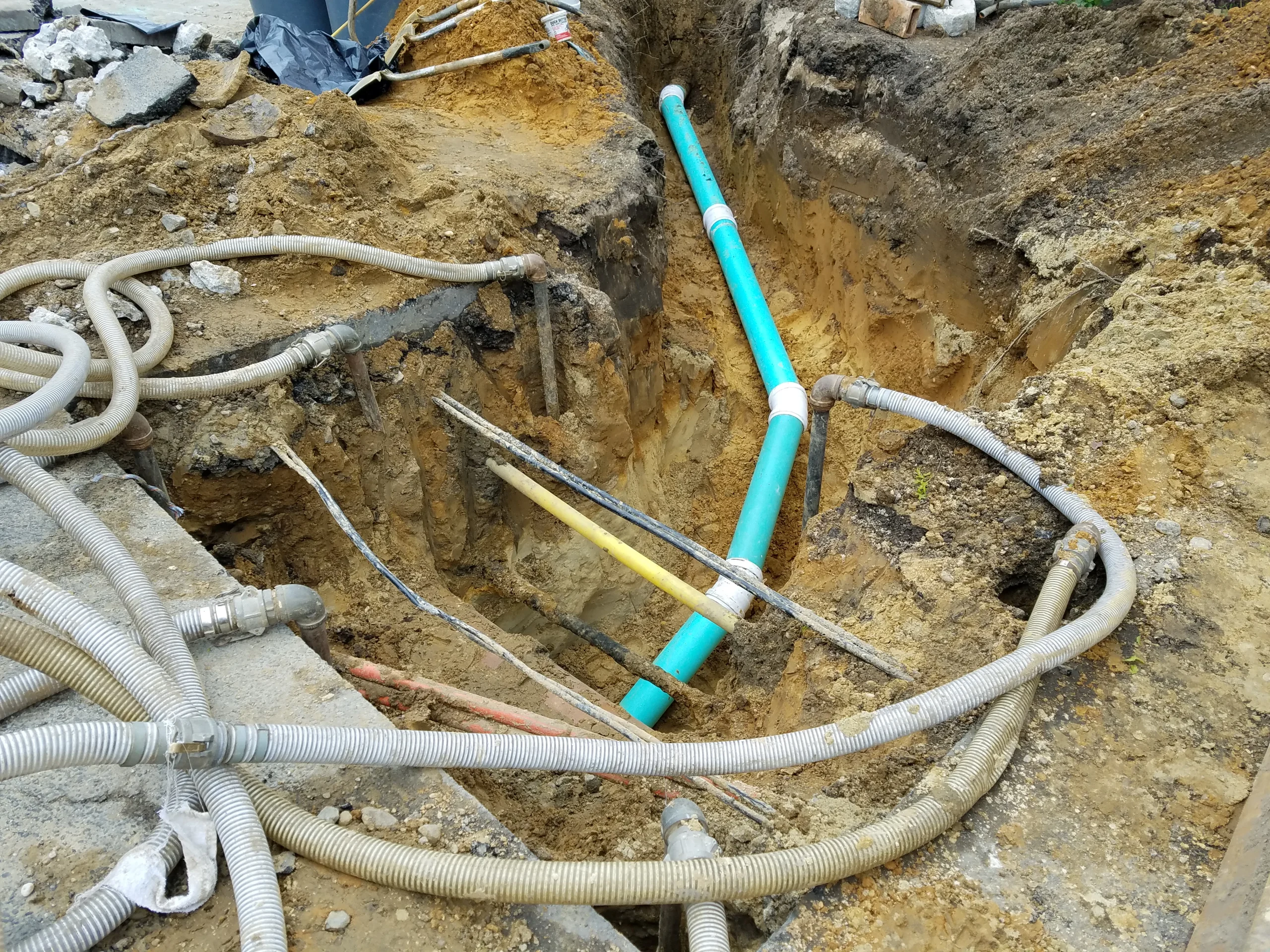
Traditional repair means excavation—a trench four to six feet deep from your house to the street. Your lawn gets torn up. Your driveway gets jackhammered. Maybe your sidewalk too. After the pipe work finishes, you’re paying to restore everything that got destroyed: new sod, driveway replacement, sidewalk repair. Those restoration costs add thousands to your bill, and the entire process drags on for weeks.
Trenchless technology changes this equation completely. Instead of excavating your entire yard, trenchless methods work from one or two small access points. Your landscaping stays intact. Your driveway remains untouched. Your property looks the same when the work is done.
This matters even more in established Long Island neighborhoods where properties have mature landscaping and expensive hardscaping. If you’ve invested years developing your landscape design, or if you installed a paver driveway that cost $15,000, traditional excavation destroys that investment. Trenchless repair preserves what you’ve built while fixing your sewer line.
Time is another factor. Traditional excavation and restoration takes weeks. Trenchless repairs typically finish in one to two days for residential properties. You’re without sewer service for maybe five to six hours instead of dealing with ongoing disruption. If you work from home, run a home business, or simply value your time, that difference is significant.
Yes, trenchless methods can have higher upfront costs than basic excavation. But total cost includes restoration. When you factor in avoided expenses for new landscaping, driveway repair, and sidewalk replacement, trenchless often costs less overall. Plus, trenchless materials—HDPE pipes and epoxy liners—outlast traditional replacements. You’re not just fixing today’s problem. You’re installing a solution designed to last 50 to 100 years.
Want live answers?
Connect with a Allied All City Inc. expert for fast, friendly support.
Trenchless pipe lining, also called CIPP or cured-in-place pipe, creates a new pipe inside your existing one. It works when your pipes still have reasonable structural integrity but leak, crack, or let in roots.
First, we clean your line thoroughly with hydro jetting—you can’t line a dirty pipe and expect it to bond properly. Once clean, we insert a flexible liner saturated with epoxy resin into your existing pipe. Air pressure or heated water expands that liner, pressing it against your old pipe’s interior walls. Heat, steam, or UV light cures the epoxy, transforming the flexible liner into a rigid, structural pipe.
After curing—typically several hours—you have a brand new pipe inside your old one. The cured liner is smooth, seamless, and resistant to corrosion and root intrusion. It seals existing cracks and restores structural integrity. Properly installed CIPP liners last 50 years or longer.
Pipe lining excels in specific situations. If your pipes have decent structure but suffer from leaks, minor to moderate cracks, or root intrusion, lining often provides the right solution. It’s particularly effective for Long Island homes with cast iron showing early corrosion or clay pipes with separated joints that haven’t fully collapsed.
The finished liner restores flow capacity and seals problems. You do lose some internal diameter—typically a quarter to half inch depending on liner thickness. For most residential applications, this reduction doesn’t significantly impact performance. But if you already have flow issues or undersized pipes, that diameter loss might create problems.
Pipe lining can’t fix extensive damage. Collapsed pipe sections, severe root intrusion that destroyed the pipe wall, or multiple breaks along your line require different solutions. The existing pipe must provide enough structure to support the liner during installation and curing. If it doesn’t, lining won’t work.
Cost for pipe lining in Nassau and Suffolk County typically runs $6,000 to $12,000 for residential installations. Exact pricing depends on pipe length, diameter, access difficulty, and required prep work. Compare that to traditional replacement plus restoration—excavating and replacing your sewer line, then repairing your landscaping and driveway—which often exceeds $20,000 for the same length of pipe.
Long-term value matters here. A quality CIPP installation should last 50 years minimum. You’re solving your sewer line problems for the rest of the time you’ll likely own your home. No more recurring root issues. No more emergency calls when your line backs up. Just a functional system that works properly.
One critical point: pipe lining requires skill and proper equipment. Incorrect curing creates failed liners that need removal and replacement—an expensive mistake. Working with experienced professionals who specialize in trenchless technology makes the difference between a repair that lasts decades and one that fails within months.
When your pipes are too damaged for lining, pipe bursting offers trenchless replacement instead of traditional excavation. This method actually replaces your pipe rather than rehabilitating it, but still avoids destroying your property.
Pipe bursting uses hydraulic machinery to break apart your old pipe while simultaneously pulling new pipe through the same path. The bursting head fractures the old pipe and pushes fragments into surrounding soil. Behind it comes new high-density polyethylene pipe—seamless, durable, and resistant to everything that destroyed your original line.
Pipe bursting gives you a completely new pipe. You don’t lose internal diameter. In fact, you can increase pipe size if your situation requires better flow capacity. New HDPE pipe resists root intrusion, chemical damage, and ground movement. Properly installed, you’re looking at 75 to 100 years of service life—essentially a once-in-a-lifetime replacement.
Choose pipe bursting when your existing pipes are structurally compromised beyond repair. Collapsed sections, severe root intrusion, multiple breaks along your line—these situations need full replacement. Pipe bursting delivers that without the disruption of traditional excavation. It costs more upfront than pipe lining, but you’re paying for complete replacement that eliminates future problems rather than repair that extends your existing system’s life.
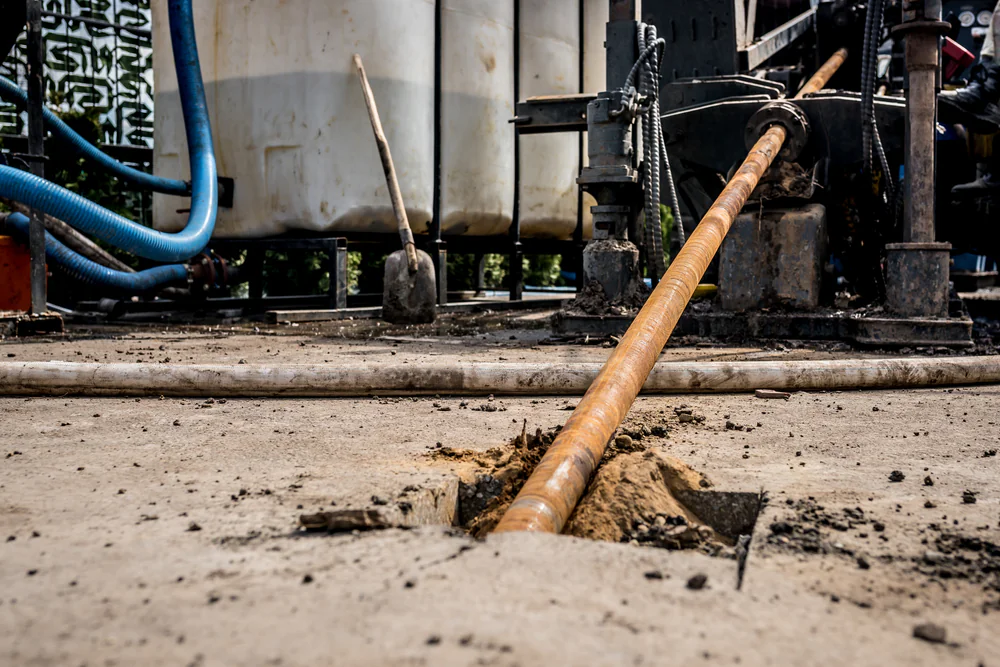
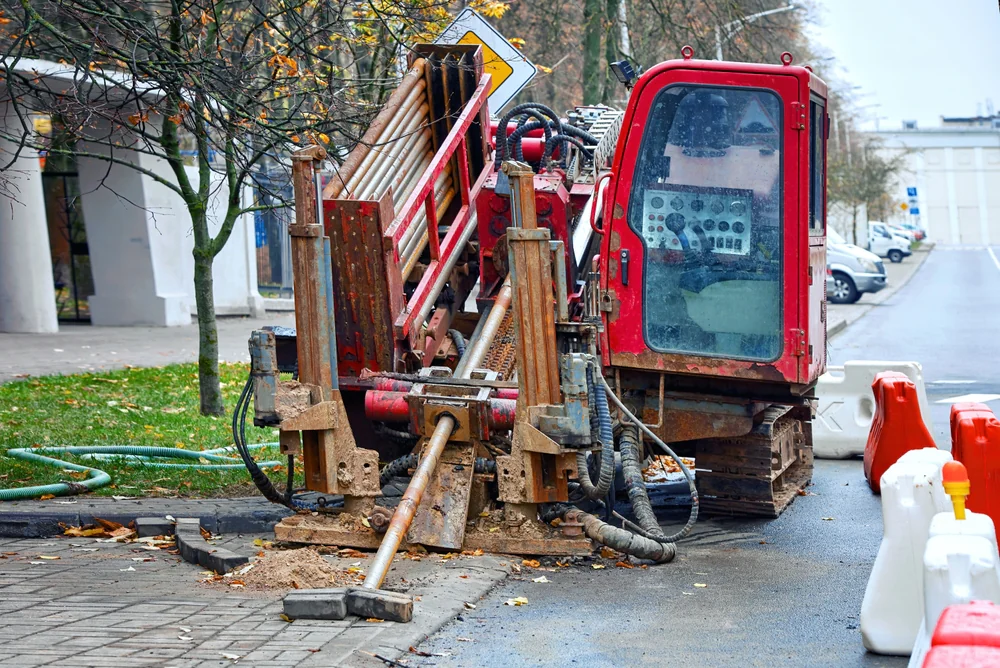
Directional drilling takes yet another approach. Instead of following your existing pipe path, it drills a new underground route and installs a completely new line. This method works when your existing pipe is so damaged or misaligned that even pipe bursting won’t work, or when site conditions make other methods impractical.
The process involves drilling a pilot hole along a predetermined path, enlarging that hole, then pulling new pipe through. It’s more complex than pipe lining or bursting, but it solves problems other methods can’t handle. Major obstructions, severely collapsed pipes, or situations requiring complete rerouting of your sewer line—directional drilling might be your only trenchless option.
All three methods—pipe lining, pipe bursting, and directional drilling—share one critical advantage over traditional excavation: property preservation. Your driveway stays intact. Your landscaping survives. Your sidewalks don’t need replacement. For established Long Island, NY neighborhoods where properties feature mature landscaping and expensive hardscaping, that preservation represents substantial value beyond just repair costs.
You don’t think about your main sewer line until it stops working. By then, you’re dealing with backups, odors, and pressure to make expensive decisions quickly. The smarter approach is understanding what extends your line’s life and knowing your options before you’re in crisis mode.
Regular maintenance—annual camera inspections, periodic hydro jetting, smart disposal habits—keeps problems manageable and gives you early warning when issues develop. When repair becomes necessary, trenchless methods offer advantages traditional excavation simply can’t match: minimal property disruption, faster completion, and long-lasting results.
Whether pipe lining makes sense for your situation, or whether you need pipe bursting or directional drilling, depends on your pipe’s actual condition, your budget, and your long-term plans for your property. What matters is working with professionals who show you exactly what’s wrong, explain your options clearly, and deliver quality work that lasts.
We’ve been serving Long Island homeowners since 1980 with expertise in trenchless technologies including pipe lining, pipe bursting, and directional drilling. We understand Nassau and Suffolk County properties, local soil conditions, and the specific challenges Long Island, NY sewer systems face.
Article details:
Share:
Continue learning: