Most Long Island sewer lines are 60 to 80 years old and quietly failing. Here is why trenchless pipe lining is the smarter fix for your pipes and your property.
Share:
Summary:
If you’ve just gotten a camera inspection report showing root intrusion or cracking in your sewer line, you’re probably dreading what comes next. The contractor quotes. The equipment in your yard. The conversation about your driveway. For most Long Island homeowners, the fear isn’t just the pipe, but everything else that goes with fixing it.
That’s what trenchless pipe lining was built to solve. And if you’re not familiar with how it works, or if your pipe is a candidate for it, this is worth a few minutes of your time.
Long Island’s suburban housing boom happened fast. Levittown went up between 1947 and 1951. Thousands of similar developments followed across Nassau and Suffolk Counties throughout the 1950s and 1960s. Those homes were built with clay tile sewer laterals, which are the pipes running from your house to the municipal sewer main, and those clay pipes were designed to last roughly 50 to 75 years.
Do the math, and you’ll see the problem. Those pipes are now 60 to 80 years old. They’re cracking under freeze-thaw stress, and every joint gap is an open invitation for tree roots. In communities like Elmont, Hempstead, Great Neck, and Roslyn, we see the same story constantly: a homeowner who’s had their line snaked two or three times in recent years, and a camera inspection that finally reveals the real issue underneath.
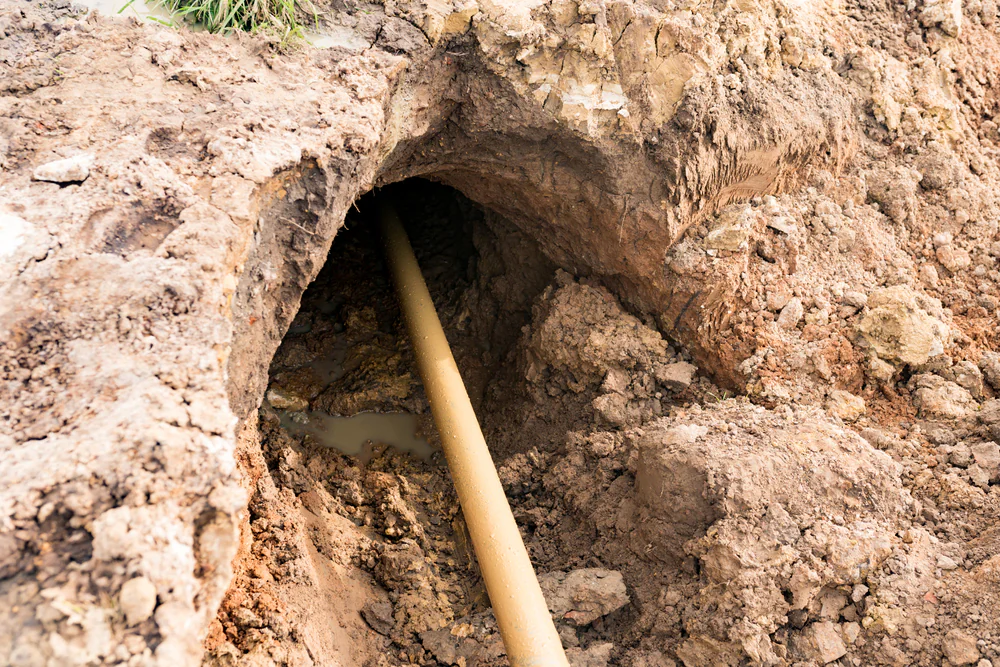
Clay pipe is joined in sections, which means every few feet, there’s a seam. Over decades, those seams shift slightly from soil movement, from frost, and from the weight of whatever’s above them. Wherever there’s a gap, tree roots will find it.
Roots are drawn to the warm, nutrient-rich environment inside a sewer line, and once they’re in, they don’t stop growing. This is especially common on Long Island, where the suburban tree canopy is mature and deep-rooted. A maple or oak planted when a home was built in 1955 has had 70 years to send its root system outward. If your sewer lateral runs anywhere near it, and on most Long Island lots it does, you’ve got a high-probability root intrusion problem waiting to be discovered.
The frustrating part is that snaking the line clears the symptom but not the cause. The roots grow back. The line backs up again. You call again. What solves it is sealing the pipe from the inside, which is precisely what trenchless pipe lining does.
Our lining process creates a continuous, seamless surface inside your old clay pipe, eliminating every joint where roots could enter. There’s nothing for them to grab onto. The other thing worth understanding is that root intrusion accelerates pipe deterioration. Every time roots push through a joint, they widen it. Water infiltrates. Soil shifts. The pipe weakens further. A pipe that’s a good lining candidate today may not be in another year or two, at which point you’re looking at a more invasive repair. Getting ahead of it isn’t just smart; it’s usually less expensive.
This is the question most homeowners don’t know to ask, and most contractors don’t volunteer an honest answer to. The truth is that trenchless pipe lining is the right solution for many situations, but not every situation. A camera inspection tells you which category you’re in.
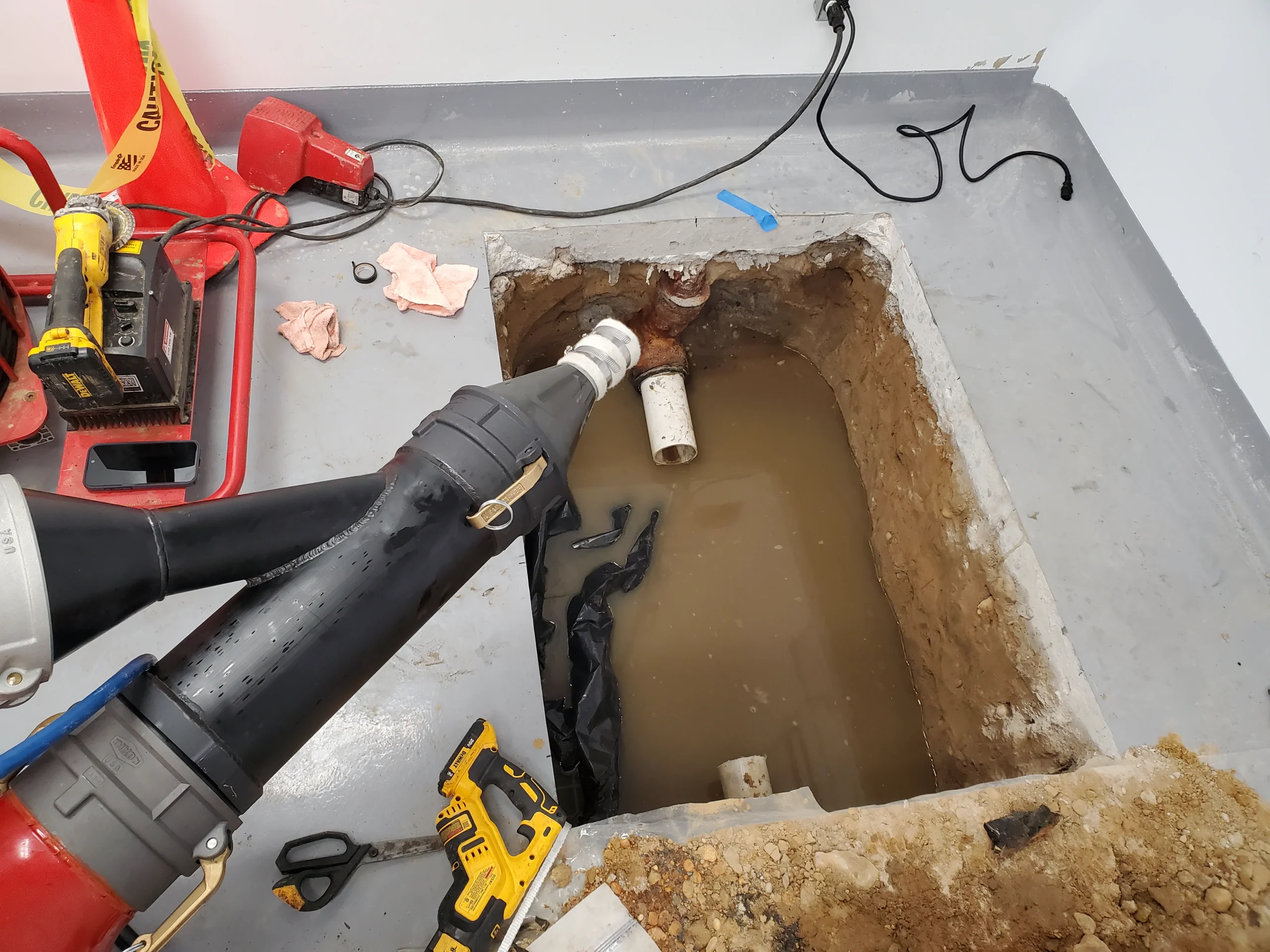
Cracked pipe, root intrusion, joint infiltration, and minor corrosion are all strong candidates for lining. We insert the liner through an existing access point like a cleanout or a toilet opening, saturate it with epoxy resin, and press it against the interior walls of the old pipe. Once it cures, you have a structurally independent pipe inside your old one, rated for 50 or more years of service life.
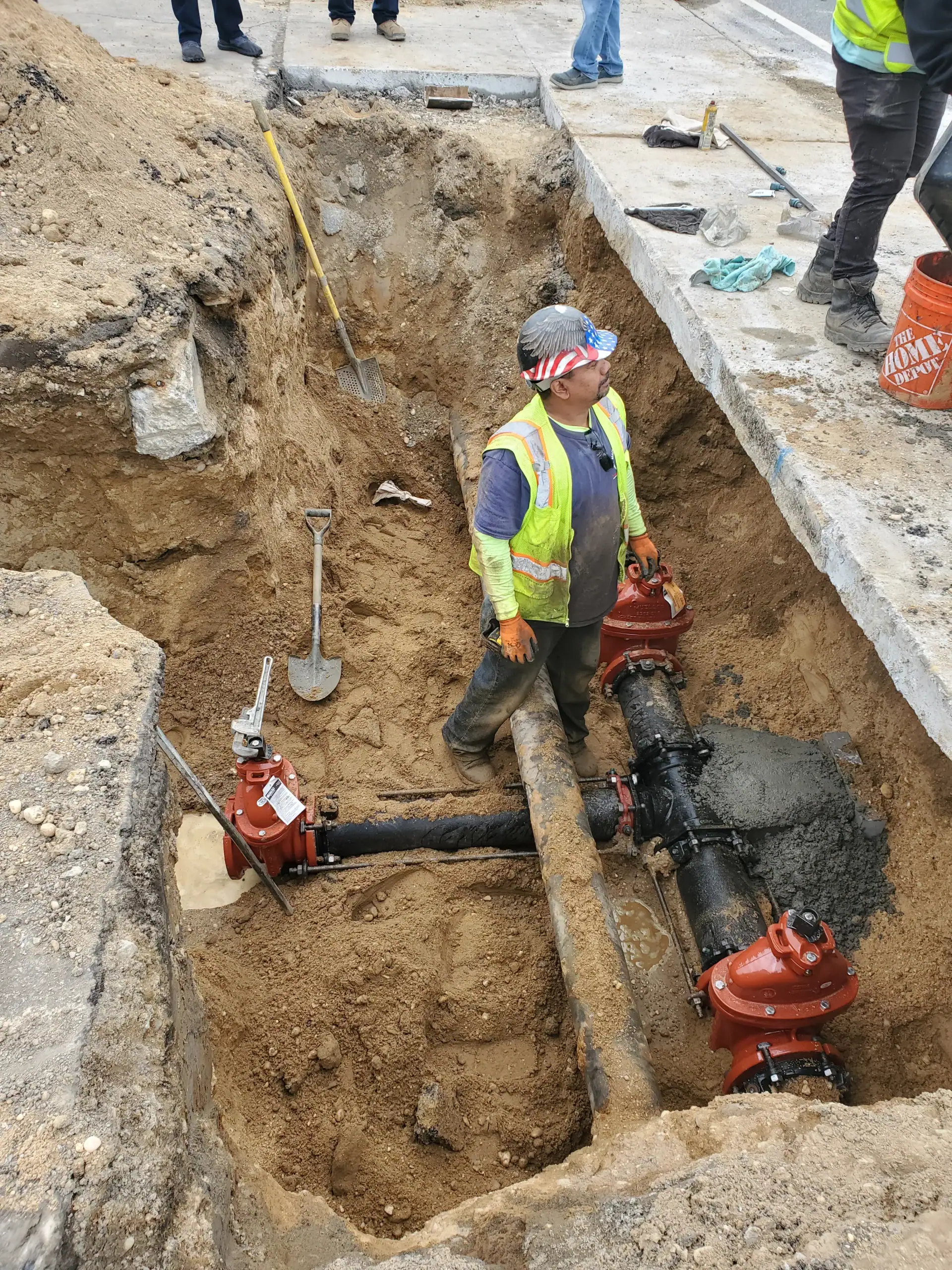
Where lining isn’t appropriate is when a pipe has completely collapsed, when sections are severely misaligned, or when there’s major joint separation that’s too far gone to hold a liner in place. In those cases, pipe bursting is typically the right call, utilizing a method that fractures the old pipe and pulls a new one into place without open excavation.
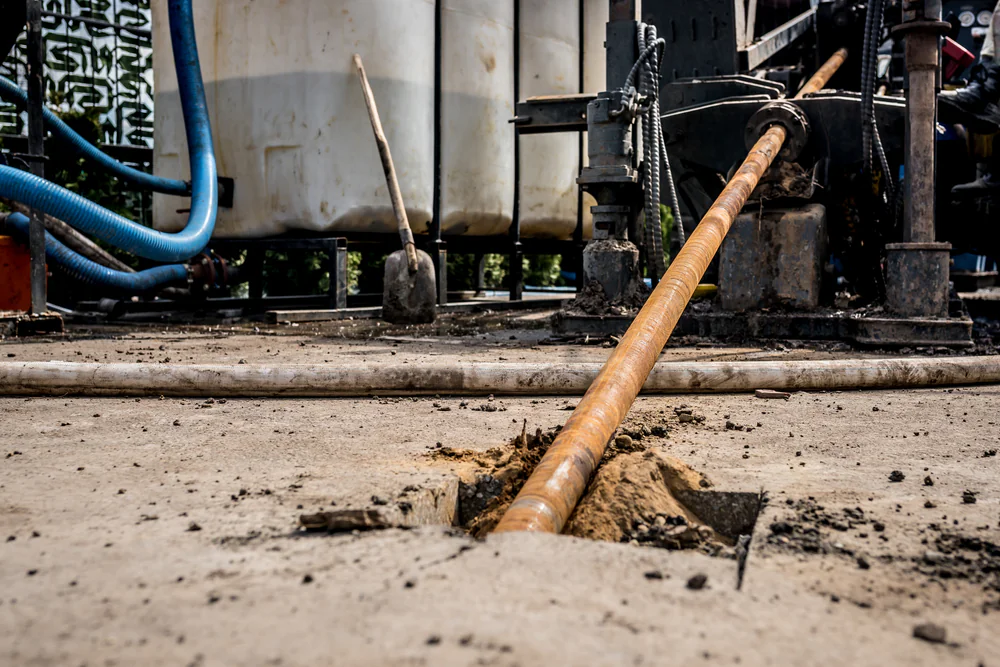
We offer all three trenchless technologies, including pipe lining, pipe bursting, and directional drilling, which means our recommendation is based on what’s right for your pipe, not what’s most convenient for us. That distinction matters more than most homeowners realize when they’re getting quotes.
One more thing worth mentioning: a slight reduction in interior pipe diameter is technically a byproduct of lining. In practice, for most residential sewer lines, it’s negligible, and the smooth, seamless interior of a new liner improves flow compared to the corroded, root-invaded surface of an old clay pipe.
Want live answers?
Connect with a Allied All City Inc. expert for fast, friendly support.
When homeowners compare trenchless lining to traditional excavation, they usually compare the wrong numbers. They look at the pipe repair cost in isolation and miss the second bill, which is the one coming after the pipe is fixed.
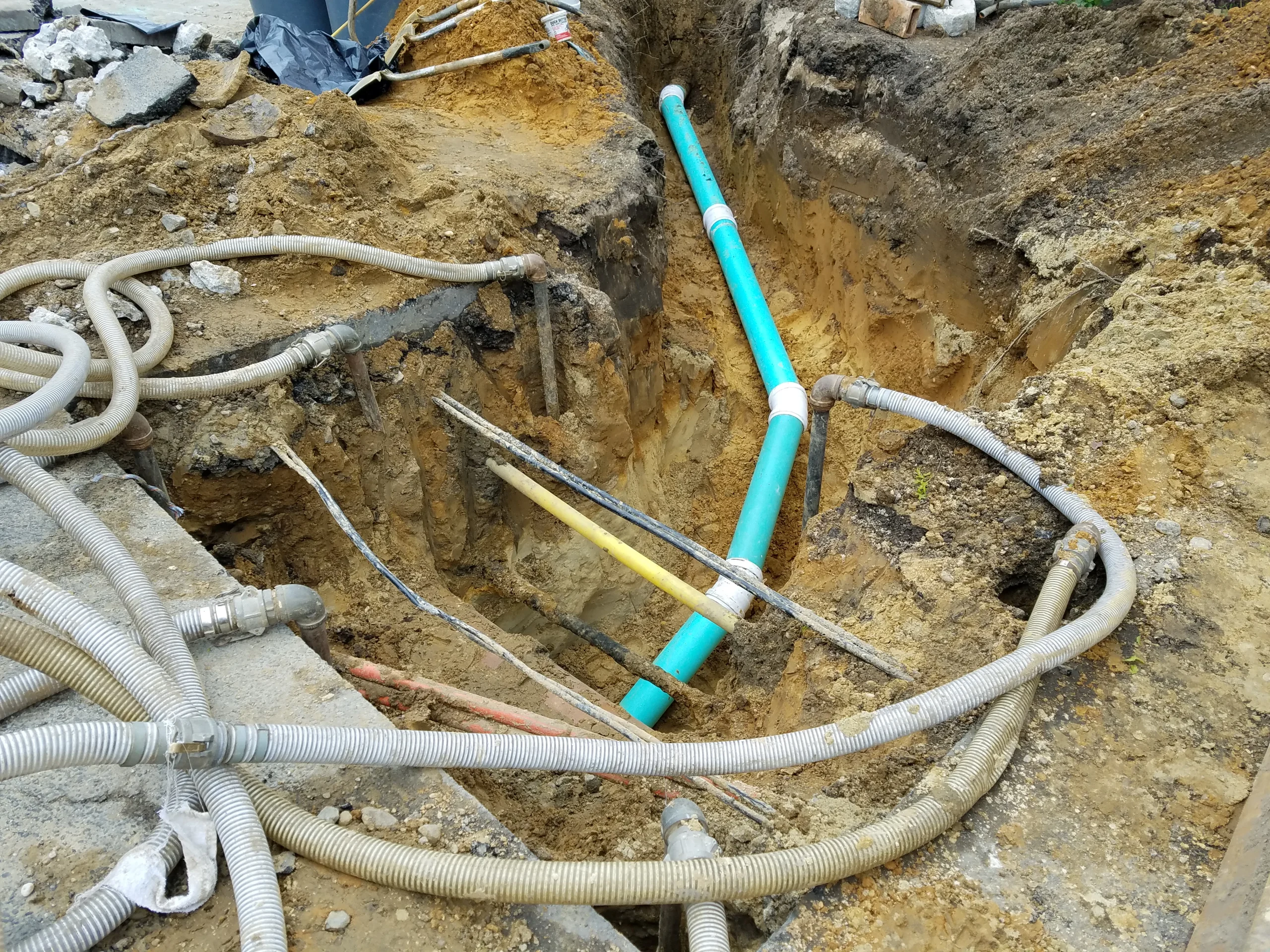
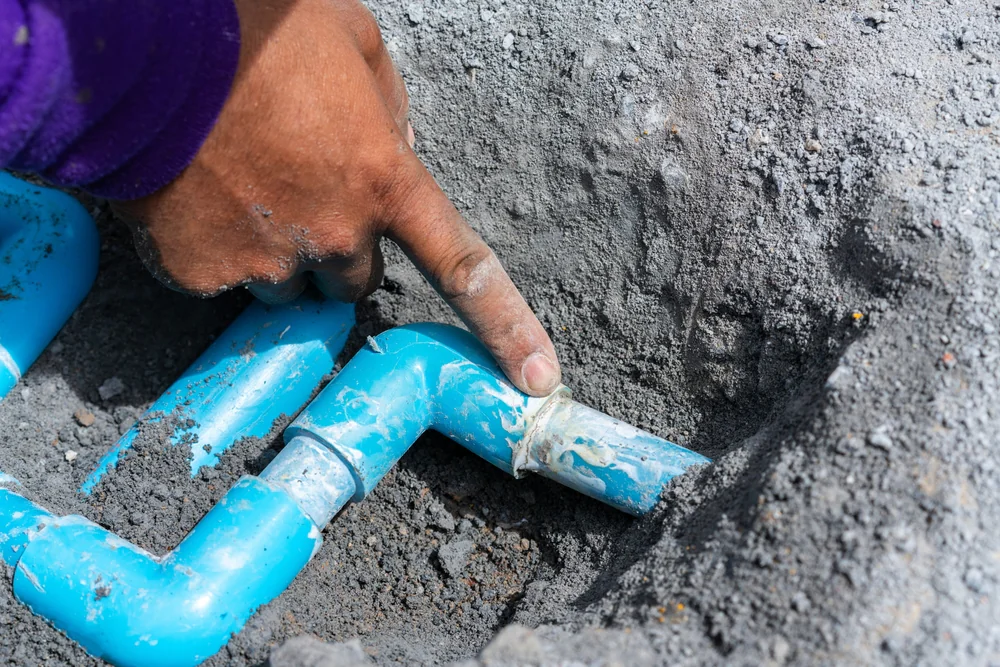
Traditional sewer excavation means a trench running the length of your yard. That means your driveway gets cut, your lawn gets torn up, your pavers or hardscaping get pulled, and any landscaping in the path gets removed. Once the pipe is repaired, all of that has to be restored, and restoration costs on Long Island typically run $10,000 to $20,000 on top of the pipe work itself. That’s before accounting for mature trees that can’t be replanted at any price.
The per-linear-foot cost of trenchless lining is sometimes higher than the pipe work alone in a traditional excavation quote. That’s the number that makes some homeowners hesitate. But it’s not the right number to compare.
When you add the excavation cost, the restoration cost, and the disruption of having a construction crew on your property for days, or sometimes weeks, the total-project comparison favors trenchless lining. You’re not just paying for a pipe repair; you’re paying for a pipe repair that doesn’t require you to rebuild your driveway afterward.
For Long Island homeowners who’ve invested in mature landscaping, custom pavers, or decorative hardscaping, this isn’t a minor consideration. It’s the whole point. A brick paver driveway that took years to plan and install, or a garden cultivated for decades, isn’t something you can just replace with a check. Trenchless lining means that work stays where it is.
There’s also a seasonal factor worth knowing about. Long Island winters push the frost line more than three feet deep, making traditional excavation in cold months dramatically more expensive because the equipment required to break frozen ground adds significant cost. Trenchless lining bypasses that problem entirely because the work happens inside the existing pipe through access points that are already there. If you’re dealing with a sewer issue in January, that’s not a small thing.
Most residential trenchless pipe lining jobs we complete finish in a single day. The liner goes in, cures, and we do a final camera inspection to confirm everything is seated correctly. You’re not living with a construction zone for a week. For families with kids, for anyone working from home, or for anyone valuing their time, that matters.
One of the most common questions we hear is if trenchless lining is a temporary fix. It isn’t. A properly installed CIPP liner is a structurally independent pipe rather than a patch or a coating. We’ve been installing these liners for over 40 years, and the track record across the industry spans more than five decades. The liner you install today is rated to outlast most of the other systems in your home.
Another question coming up frequently is about permits. Sewer work in Nassau and Suffolk Counties requires appropriate county-specific licensing and permits, and not every contractor operating on Long Island holds the right credentials for both counties. We carry the county certifications required for the work we do here, which matters for compliance, inspections, and your peace of mind when the job is done.
Homeowners also ask what happens if lining turns out not to be the right option for their pipe. This is a fair concern, and the honest answer is that it depends on what the camera inspection shows. If the pipe is too far gone for lining, pipe bursting is usually the next option, remaining trenchless and requiring no excavation, but providing a full pipe replacement rather than a rehabilitation. We don’t have a financial incentive to push one method over another because we offer all of them. The camera tells us what the pipe needs, and we recommend accordingly.
Finally, a question coming up in real estate contexts is whether trenchless lining can be done quickly enough to meet a closing timeline. Generally, yes. Most residential jobs complete in a day. If a buyer’s inspection flags a sewer issue and you need a fast, clean resolution before closing, trenchless lining is often the only realistic option since traditional excavation cannot move that fast without significant disruption.
Long Island’s aging sewer infrastructure isn’t going to fix itself. If your home was built between the 1940s and the 1970s, there’s a chance your clay lateral is showing signs of failure, making it crucial to determine your status. The question isn’t if it needs attention, but rather if you address it on your terms or wait until it forces your hand.
Trenchless pipe lining gives you a lasting repair without the excavation, without the restoration bill, and without weeks of disruption. For most Long Island homeowners, that’s not just a convenience, but the difference between a manageable project and a major ordeal.
We’ve been doing this work across Nassau and Suffolk Counties for over 40 years, utilizing our own crew and our own equipment with no subcontractors or surprises. If you want to know if your pipe is a candidate for trenchless lining, the first step is a camera inspection. Reach out to Allied All City, and we’ll tell you what you’re working with.
Article details:
Share:
Continue learning: