If your sewer line is failing, you don't have to tear up your yard to fix it. Here's what Long Island homeowners need to know about trenchless pipe lining in 2026.
Share:
Summary:
Most Long Island homeowners don’t think about their sewer line until something goes wrong. Then the slow drains turn into backups, the backups turn into calls to plumbers, and suddenly you’re looking at a repair that could mean tearing up your driveway, your landscaping, or your garage floor. It doesn’t have to go that way. Trenchless pipe lining has changed how we repair sewer lines — and for homeowners across Copiague, Bellmore, Sayville, and Patchogue, it’s made a genuinely disruptive problem a lot more manageable. Here’s what it is, how it works, and what you should know before making any decisions.
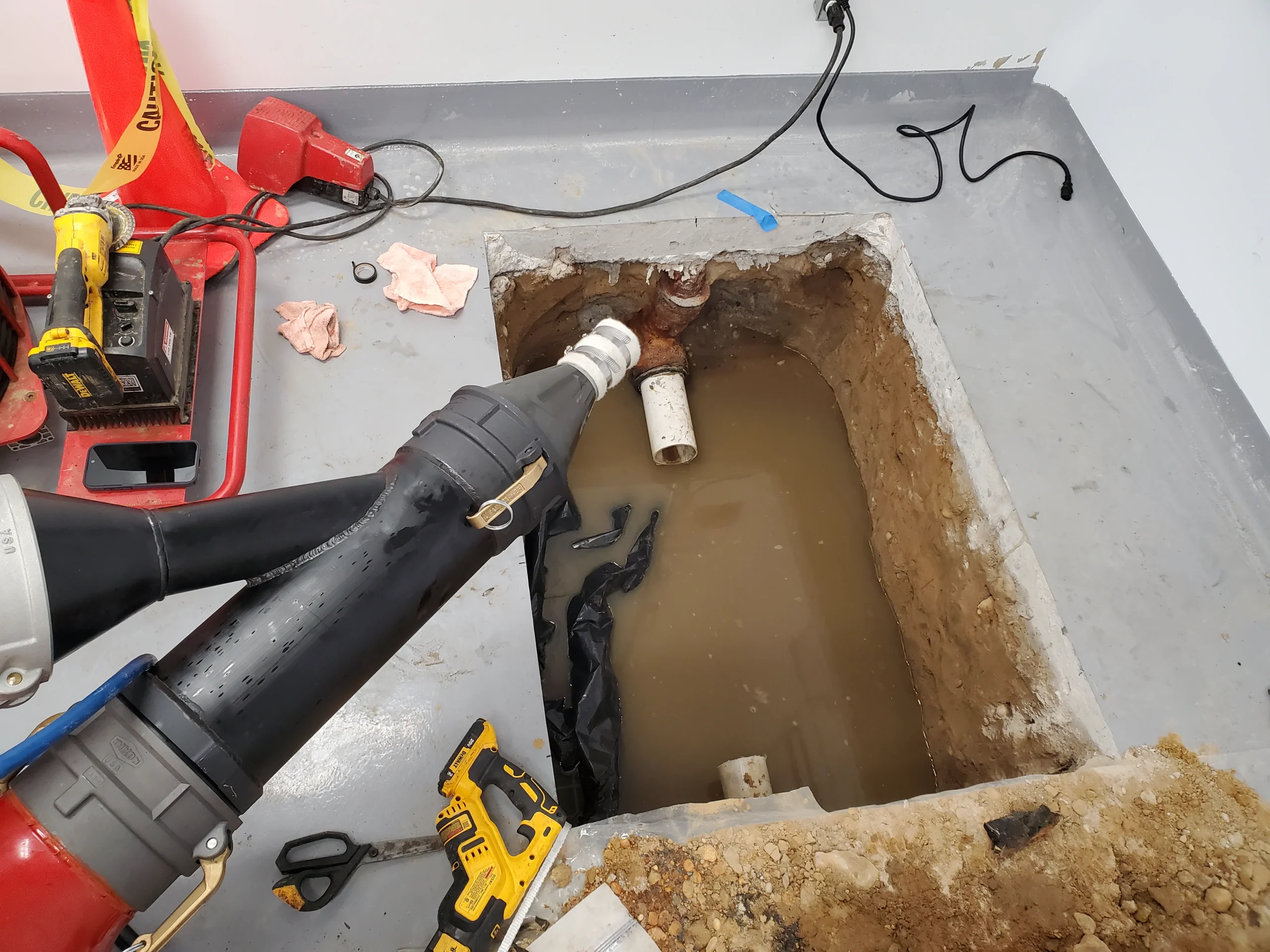
Trenchless pipe lining — specifically the method known as CIPP, or cured-in-place pipe — is a way to rehabilitate a damaged sewer line from the inside, without digging a trench along its entire length. A flexible liner saturated with epoxy resin is inserted through a small access point, inflated against the walls of the existing pipe, and then cured using hot water or steam until it hardens into a smooth, seamless new pipe surface.
The result is essentially a new pipe formed inside the old one. No long trench. No backhoe tearing through your yard. In most cases, we complete the whole job in a single day — camera inspection, cleaning, liner installation, curing, and a final verification pass all included. For homeowners in Bellmore, Sayville, Patchogue, and Copiague who’ve been dreading a weeks-long excavation project, that timeline alone tends to change the conversation.
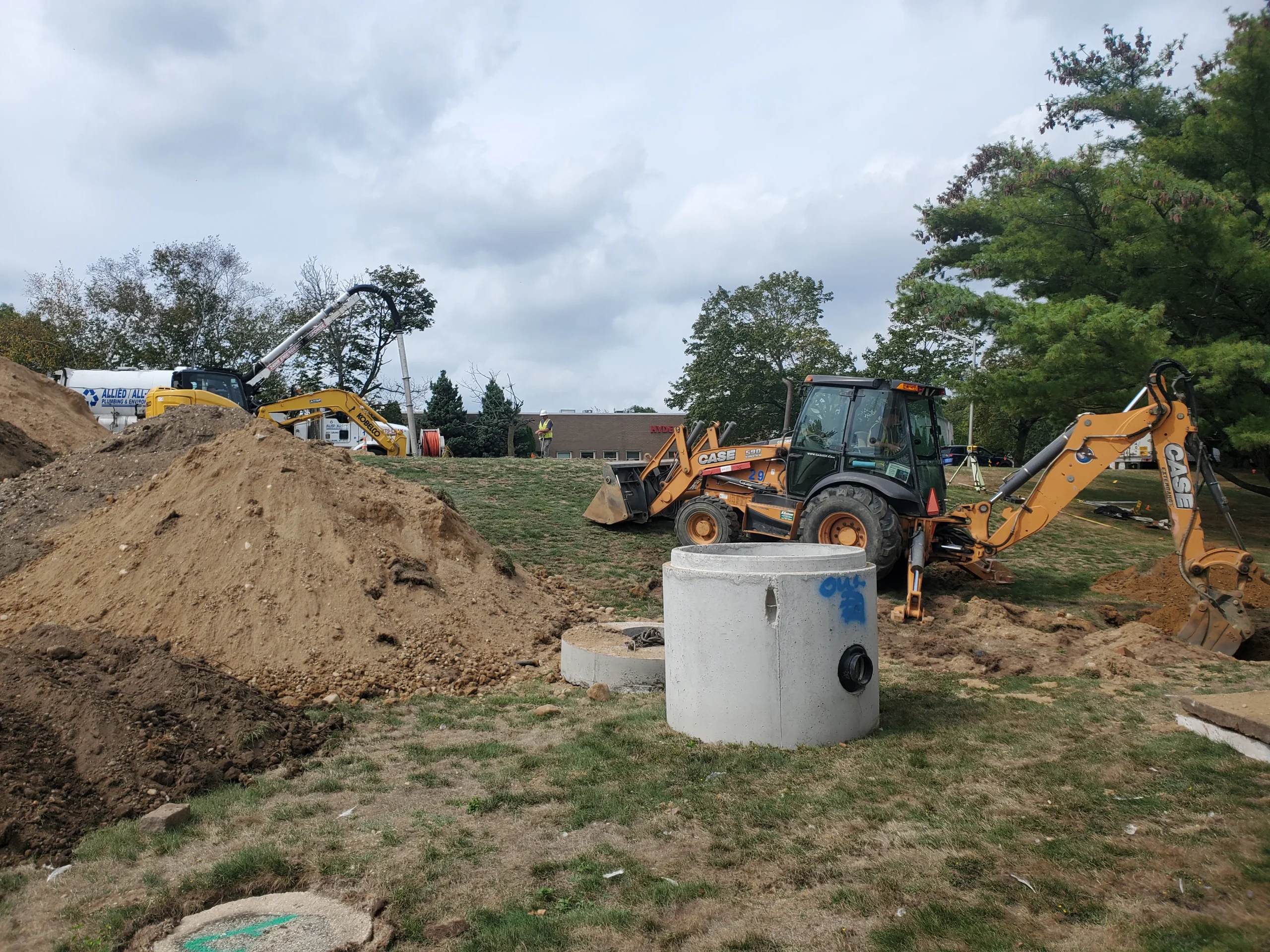
The process starts before anyone touches a liner. We run a robotic camera through your sewer line first — not as a formality, but because the footage determines everything that comes next. You see exactly what’s wrong and where. Whether it’s cracked clay, deteriorated Orangeburg, root intrusion, or corrosion, the camera gives us a clear picture of the damage so we can recommend the right repair method rather than defaulting to the most expensive one.
Once we know lining is the right approach, we clean the pipe thoroughly using high-pressure hydro-jetting. This step matters more than most people realize. An epoxy liner bonds to the pipe wall — if there’s grease buildup, root debris, or sediment in the way, the bond fails prematurely. Cleaning first is what separates a liner that lasts 50 years from one that doesn’t.
After cleaning, the resin-saturated liner is inserted and inflated against the pipe walls. The curing process — using hot water or steam — hardens the liner into a rigid, jointless new surface. Some homeowners notice a temporary glue-like odor during curing; it’s harmless and dissipates once the liner sets. When curing is complete, we run a second camera through the line to confirm full flow, proper adhesion, and no defects before we leave your property. You see the result. There’s no guesswork involved.
For most residential jobs on Long Island — a standard 4- to 6-inch sewer lateral running from the house to the street — this entire process is completed within a single workday. Your landscaping, driveway, and yard stay exactly as they were. The pipe underneath is effectively new.
If your home was built between the 1940s and the 1970s — which describes a significant portion of the housing stock in Copiague, Bellmore, Sayville, and Patchogue — there’s a good chance your sewer lateral is made of clay tile or Orangeburg pipe. Both materials were standard during Long Island’s post-WWII suburban expansion, and both are well past their designed service lives.
Clay pipe cracks over time and separates at the joints, giving tree roots a way in. Orangeburg is a compressed wood-fiber material that softens under soil pressure and eventually collapses entirely. It’s not a question of whether these pipes fail — it’s a question of when. And on Long Island’s South Shore, where the frost line runs three feet deep or more, the freeze-thaw cycles of every winter accelerate that timeline. Ground movement from seasonal temperature swings puts stress on already-fragile joints and cracks, and what was a manageable slow drain in October can become a full backup by March.
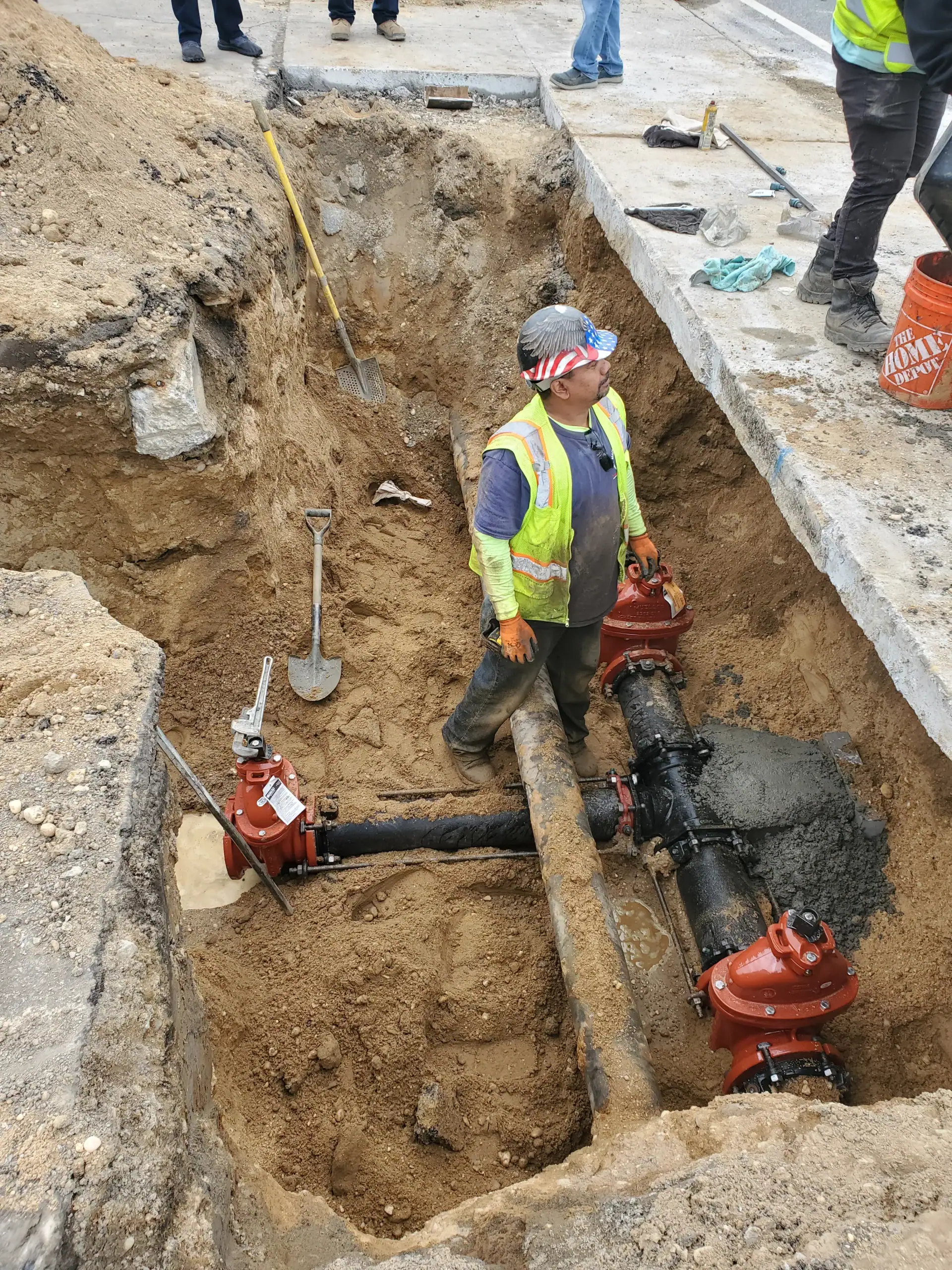
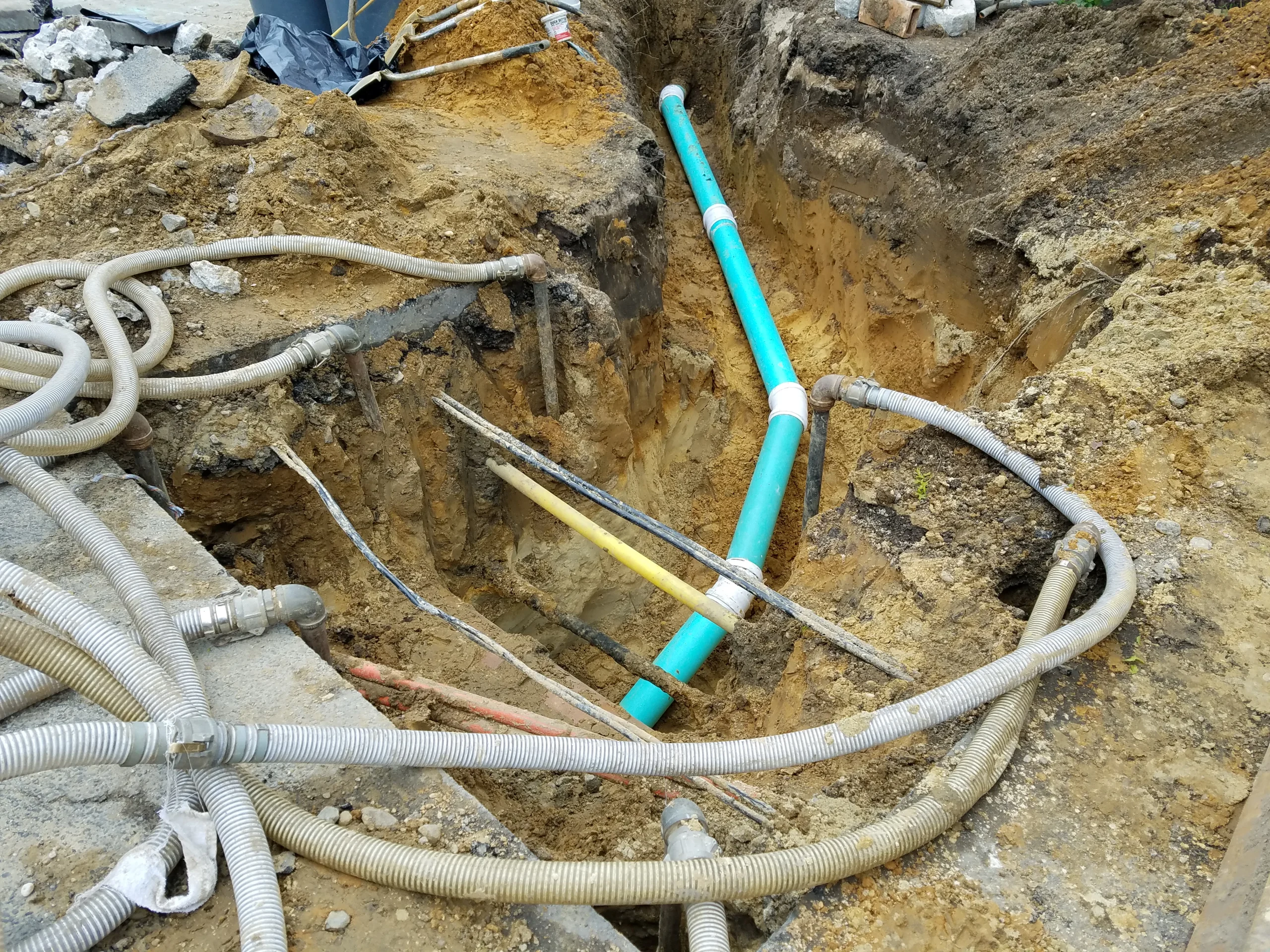
This is the context that makes trenchless pipe lining particularly well-suited to this market. The pipes that need repair are running under driveways, mature trees, landscaping, and in some cases garage floors — exactly the kind of property features that make open-trench excavation expensive and destructive. One homeowner in Bethpage who came to us described postponing his sewer repair for years because he was dreading the cost and the mess. When we explained that pipe bursting could replace his line with one small excavation near the sidewalk — no cutting through his garage floor, no tearing up his driveway — the decision became straightforward.
Properties in Sayville add another layer of complexity. Some of the older Victorian and early 20th-century homes in that community have pipes that predate even the Orangeburg era — original cast iron or terra cotta that’s been in the ground for a century. That’s exactly why we run a camera before recommending anything. The repair method has to match what’s actually there, not what we assume is there.
Want live answers?
Connect with a Allied All City Inc. expert for fast, friendly support.
Cost is usually the first question, and it’s a fair one. The honest answer is that trenchless pipe lining typically runs between $80 and $250 or more per linear foot for a standard residential sewer lateral. For most Long Island homes, total project costs land somewhere between $3,000 and $12,000 depending on pipe length, diameter, and condition.
That number looks different when you compare it to the full cost of traditional excavation — not just the digging and pipe, but the driveway restoration, landscaping repair, concrete replacement, and extended labor. Once those costs are included, trenchless repair tends to run 30 to 50 percent less than full dig-and-replace. The trenchless quote can look higher on paper until you account for everything excavation actually involves.
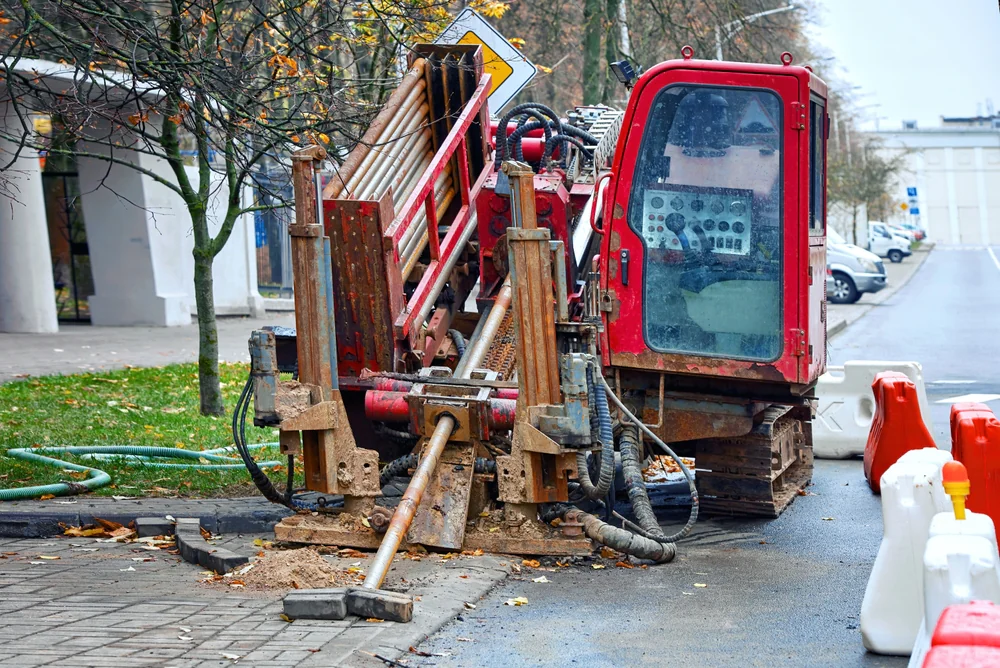
CIPP liners installed to ASTM F1216 standards — the industry benchmark for cured-in-place pipe — carry a minimum life expectancy of 50 years. That’s not a marketing claim; it’s the figure published by NASSCO, the National Association of Sewer Service Companies, which sets the standards for this work. A properly designed, installed, and tested CIPP liner is expected to perform for at least half a century.
This matters because the alternative framing — that pipe lining is somehow a temporary fix — is one of the most persistent misconceptions in this space. It isn’t a patch or a coating applied over a damaged surface. It’s a new pipe formed inside the old one, seamless and jointless, bonded to the host pipe and hardened to structural integrity. The smooth interior surface resists root intrusion, corrosion, and grease buildup in ways that the original clay or Orangeburg pipe never could.
For homeowners in Bellmore or Patchogue who are weighing whether to invest in trenchless repair or keep snaking the line every year, the math isn’t complicated. A 50-year liner installed today means this is likely the last sewer repair your property will need. Pipe bursting with high-density polyethylene pipe extends that lifespan even further — up to 100 years — for situations where the existing pipe is too deteriorated to line.
One thing worth knowing: the liner does reduce the interior pipe diameter slightly, by the thickness of the liner material — a few millimeters. Some homeowners worry this will reduce flow. In practice, the smooth new surface improves flow compared to the corroded, root-infiltrated interior of an aging clay pipe. We’ve never had a customer report reduced performance after lining. The opposite is usually true.
Yes — and this is where a lot of homeowners get tripped up. Sewer work on Long Island requires permits from the local municipality, and the process varies depending on where you live. Copiague falls under the Town of Babylon. Bellmore falls under the Town of Hempstead. Sayville falls under the Town of Islip. Patchogue falls under the Town of Brookhaven. Each town has its own permitting process, its own inspection requirements, and its own timeline.
We handle all of it. That’s not a throwaway line — it’s something our customers consistently mention when they leave reviews, because they genuinely didn’t expect it. One customer described months of back-and-forth with other contractors before calling us, then summed up the experience simply: “Allied took care of everything and even dealt with the town for me.” That’s what 40-plus years of working with Long Island municipalities looks like in practice. We know the process, we know the people, and we pull the required permits on your behalf so you don’t have to navigate any of it yourself.
This matters beyond convenience. Unpermitted sewer work can create real problems — insurance complications, liability issues, and potential legal exposure if the work comes to light during a property sale. Getting the permits done correctly protects you, not just the job. It’s also worth noting that every sewer repair we perform is done by our own licensed, trained crew — not subcontractors. The team that shows up at your door in Sayville, Bellmore, Patchogue, or Copiague is the same team that’s been doing this work on Long Island since 1980. That kind of accountability isn’t something you get from a company that dispatches third-party crews.
If your drains have been slow, your toilets have been gurgling, or you’ve already had the line snaked more than once without a lasting fix, the pipe itself is probably the problem — not just what’s in it. For homes across Copiague, Bellmore, Sayville, and Patchogue, that usually means aging clay or Orangeburg pipe that’s reached the end of its life. Trenchless pipe lining is the most practical way to address it permanently, without the disruption of excavation.
The process is straightforward, the results are durable, and the total cost is almost always lower than traditional dig-and-replace once everything is accounted for. More importantly, you get a clear diagnosis before any work begins — so you know exactly what’s wrong and exactly what’s being done to fix it.
If you’re ready to stop guessing and get a real answer about what’s happening underground, reach out to Allied All City. We’ve been doing this work on Long Island for over 40 years, and we’re here to help you figure out the right next step.
Article details:
Share:
Continue learning: