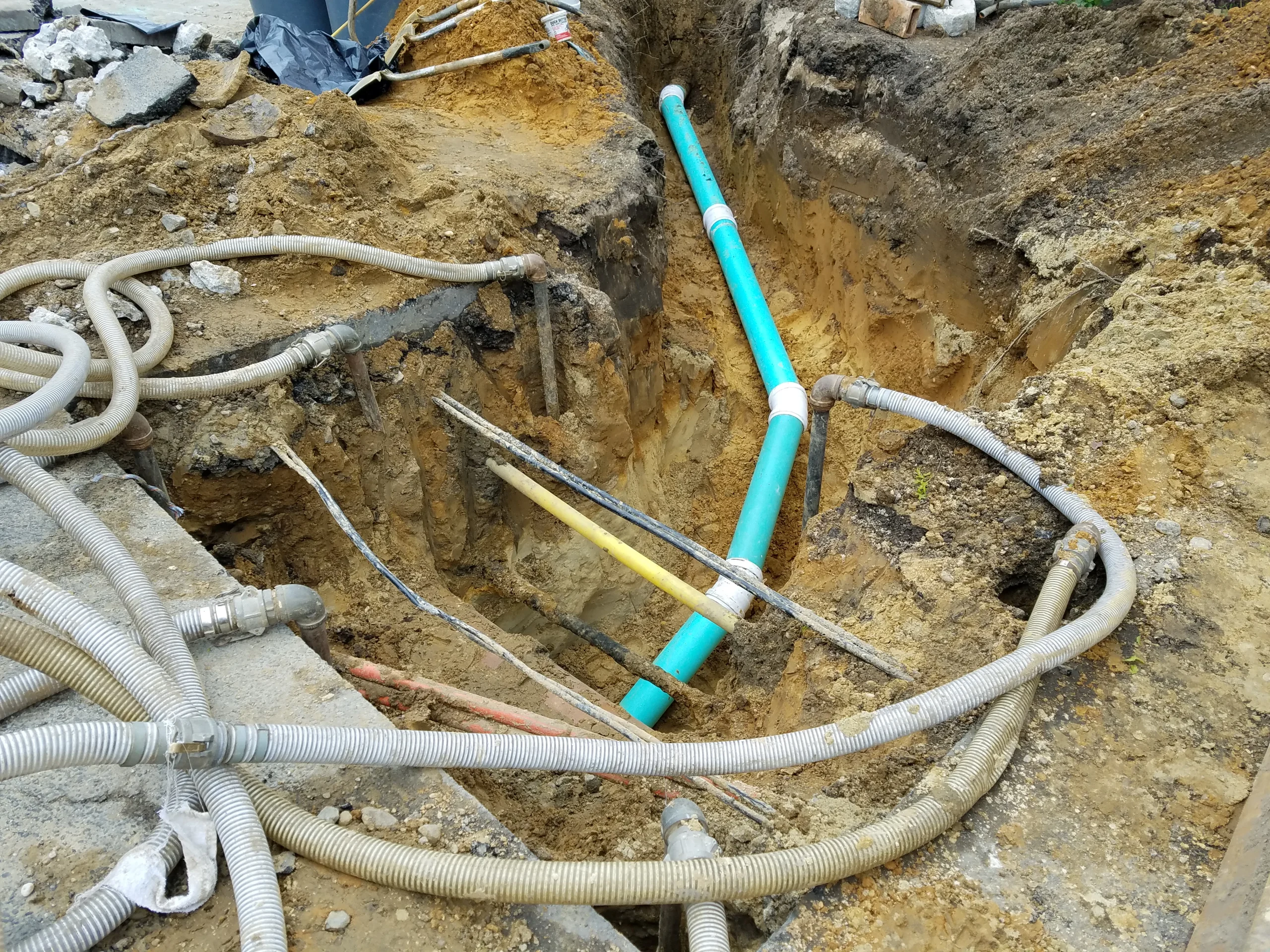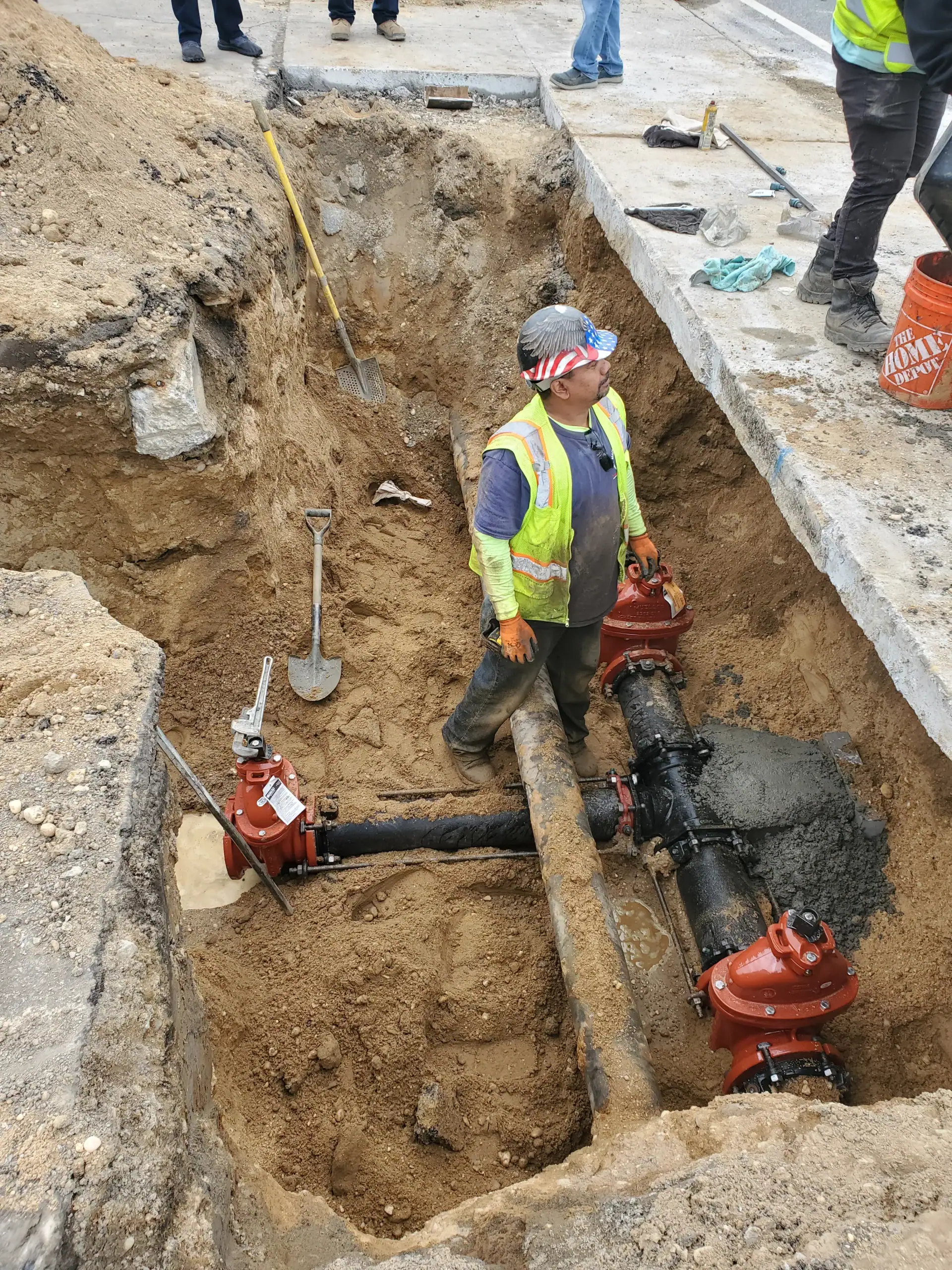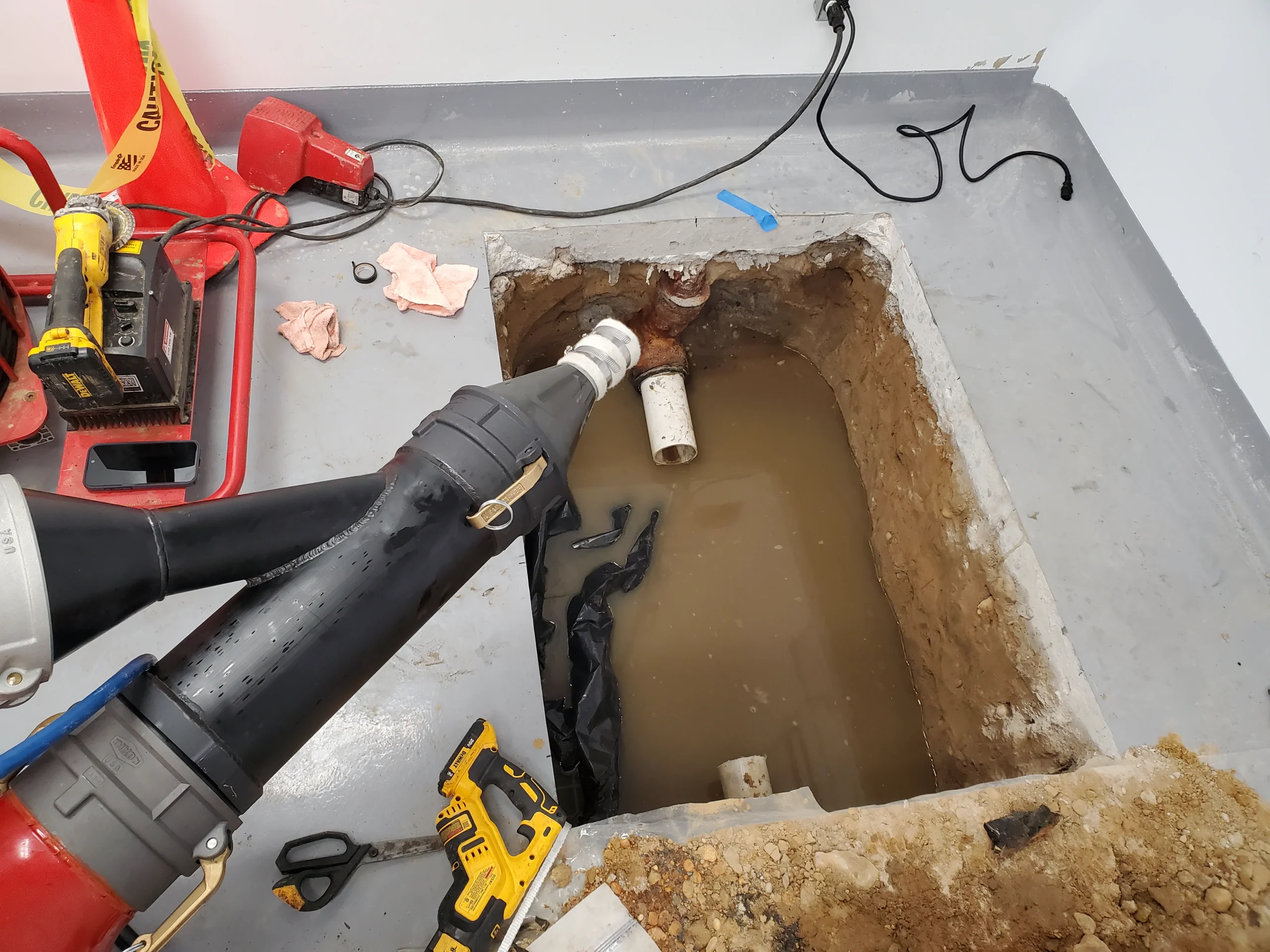
If your sewer line is failing, you don't necessarily have to dig up your yard to fix it. Here's what Long Island homeowners need to know about trenchless pipe lining.
Share:
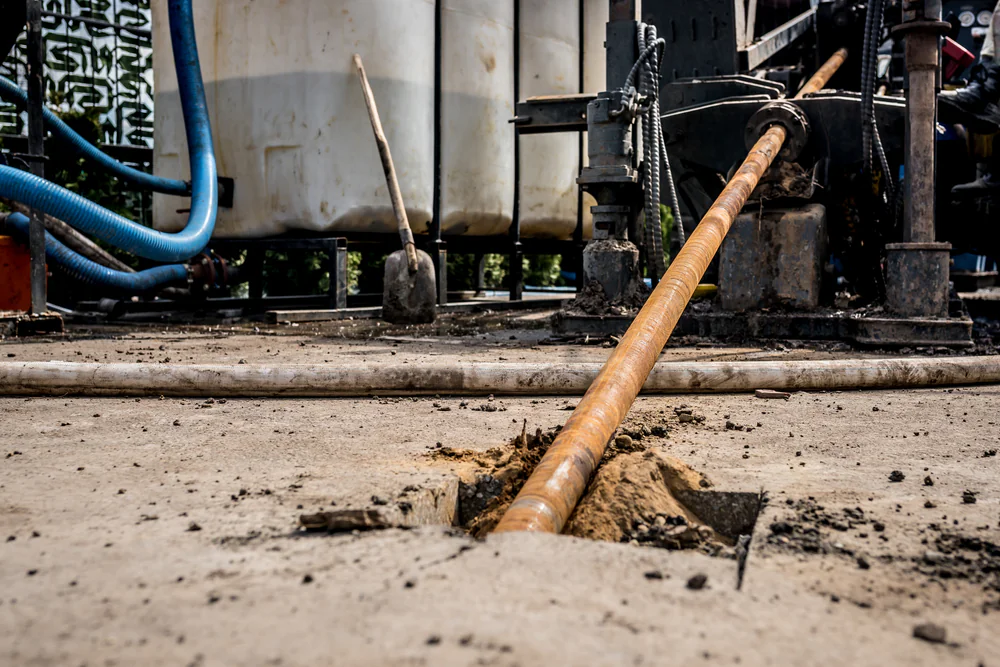
Summary:
Most homeowners don’t think about their sewer line until something goes wrong. Then it backs up, the drain gurgles, or the yard smells like something it shouldn’t — and suddenly you’re staring down a repair you didn’t budget for and don’t fully understand. The good news is that digging up your entire yard isn’t always the answer. Trenchless pipe lining has changed the way sewer repairs get done, especially here on Long Island where tight lots, mature trees, paved driveways, and decades-old pipes make traditional excavation a genuinely painful option. Here’s what the process actually involves, what it costs, and how to know if it’s right for your situation.
Trenchless pipe lining — more specifically called Cured-In-Place Pipe lining, or CIPP — is a method of repairing a damaged sewer line from the inside, without excavating the ground above it. A flexible liner soaked in epoxy resin is inserted into the existing pipe, inflated so it presses against the pipe walls, and then cured using hot water or steam until it hardens into a smooth, seamless new surface. The result is essentially a new pipe inside your old one.
The process typically requires only a small access point — usually an existing cleanout or a single small pit — rather than a long trench running across your property. Most residential jobs are finished in a single day. Once the liner cures and we run a final camera pass to confirm everything looks right, your sewer line is back in service.
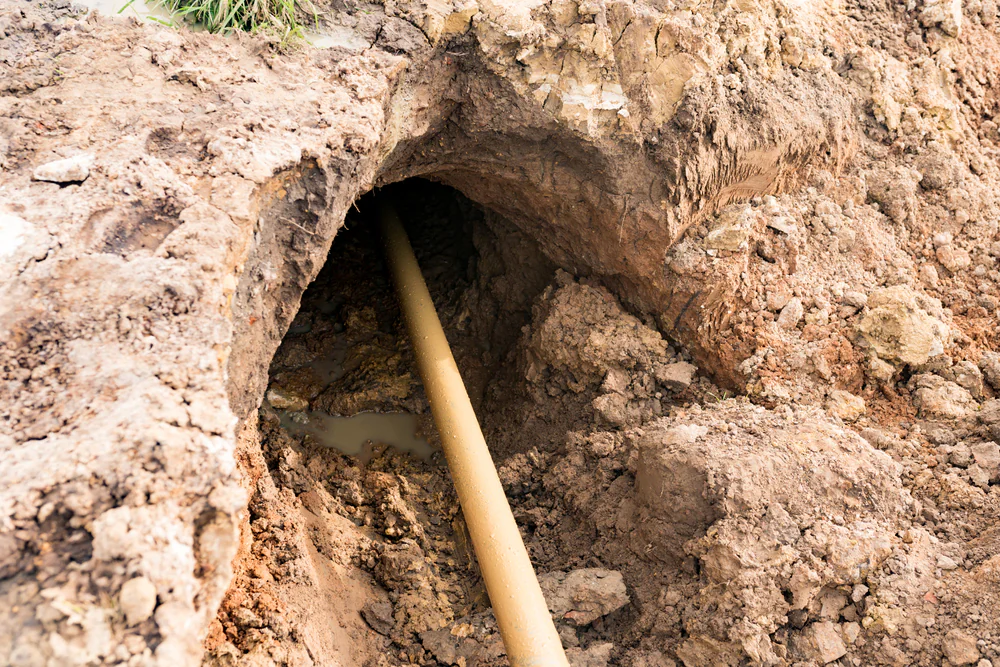
If you live in Copiague, Bellmore, Sayville, or Patchogue, there’s a good chance your home was built sometime between the late 1940s and the early 1970s. That post-WWII suburban boom produced a lot of great neighborhoods — and a lot of underground pipe that is now at or past the end of its designed service life.
The two materials most commonly found in Long Island sewer laterals from that era are clay tile and Orangeburg pipe. Clay tile was the standard for decades, and it holds up reasonably well until the joints between sections start to separate — which they eventually do, especially when tree roots are involved. Roots are drawn to the warmth and moisture inside sewer pipes, and they’ll find every joint they can. Once they’re in, they grow. Left alone long enough, a root mass can block a line completely.
Orangeburg is a different problem. It’s a compressed paper-and-tar composite that was widely used in post-WWII construction because it was cheap and easy to install. Its designed service life was roughly 50 years. That clock ran out a while ago for most Long Island homes. Orangeburg doesn’t crack the way clay does — it softens and collapses under the weight of the soil above it, slowly deforming until the pipe can no longer carry flow. By the time most homeowners find out they have Orangeburg, it’s already causing problems.
Long Island’s freeze-thaw cycle makes all of this worse. The frost line here goes more than three feet deep, which means underground pipes are subjected to significant ground movement every winter. Joints shift, cracks widen, and pipes that were holding on fine in October can fail by March. Add in the high groundwater table along the South Shore — Copiague borders Great South Bay, and Patchogue sits right on the water — and you have soil conditions that keep underground pipes in constant contact with moisture, accelerating corrosion in cast iron and deterioration in everything else.
This isn’t bad luck. It’s the predictable result of aging infrastructure in communities that were largely built at the same time. The pipes are old. The conditions are hard on them. And trenchless pipe lining exists precisely because there needed to be a better answer than tearing up every yard on the block.
This is the question that matters most, and the honest answer is: you can’t know without a camera inspection. That’s not a sales pitch — it’s just how underground pipe works. You can’t see it, which means any contractor who recommends a repair method before running a camera through the line is guessing. And guessing on a $5,000 to $12,000 repair is not a position you want to be in.
A robotic CCTV camera run through the pipe will show you exactly what’s there — root intrusion, cracks, joint separation, corrosion, sagging sections, or collapse. That footage tells us which repair method is actually appropriate. If the pipe has enough structural integrity remaining, CIPP lining is often the right call. If it’s deteriorated beyond the point where a liner can be supported during installation and curing, pipe bursting may be the better option — a method that fractures the old pipe outward while pulling a brand-new HDPE replacement pipe into place. And if the pipe has completely collapsed or has significant grade issues, excavation may be unavoidable.
The point is that the diagnosis drives the recommendation, not the other way around. We run the camera before we recommend anything. You see the footage. You understand what’s actually wrong. Then we talk about the right fix for your specific pipe — not a generic solution that happens to be what we have equipment for that week.
This matters especially in communities like Bellmore and Sayville, where homes sit on established lots with mature trees, developed landscaping, and in many cases in-ground pools or paved hardscaping. The stakes of recommending the wrong method — or recommending excavation when lining would have worked — are high. Getting the diagnosis right first is what makes everything else make sense.
Want live answers?
Connect with a Allied All City Inc. expert for fast, friendly support.
Cost is almost always the first question, and it deserves a straight answer. Trenchless pipe lining typically runs between $80 and $250 or more per foot, depending on pipe diameter, depth, access conditions, and the length of the repair. For most residential jobs on Long Island, the total project cost falls somewhere between $3,000 and $12,000.
Traditional open-trench sewer replacement can exceed $20,000 once you factor in excavation, pipe materials, backfilling, and the cost of restoring whatever was above the trench — driveway, landscaping, patio, or lawn. Trenchless is frequently the more cost-effective option when all-in expenses are considered. And it’s done in a day, not a week.
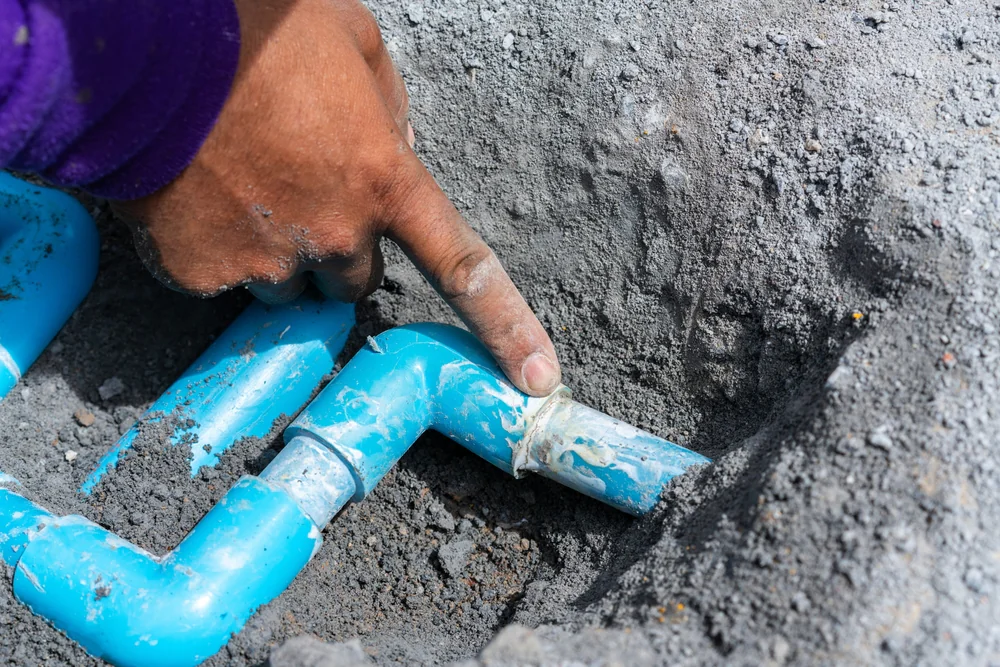
CIPP liners are rated for a minimum 50-year service life by manufacturers and industry standards. That’s not a marketing claim — it’s a documented performance rating backed by structural testing. In practical terms, it means the liner we install in your pipe today should outlast your ownership of the home, and probably the next owner’s too.
Part of why liners hold up so well is the surface they create. The cured epoxy forms a smooth, seamless interior that has no joints — which means no entry points for tree roots and no rough surfaces where debris can catch and build up. Flow actually improves after lining because the new interior is smoother than the deteriorated pipe it replaced.
If the pipe is too far gone for lining and pipe bursting is the right call instead, the HDPE pipe we pull into place during that process carries a life expectancy of up to 100 years. It’s corrosion-resistant, seamless, and chemically inert — a meaningful upgrade over the clay or Orangeburg it replaces.
One thing worth understanding: the liner’s longevity depends in part on the condition of the host pipe. A liner installed in a pipe that still has reasonable structural integrity will perform as rated. That’s another reason the camera inspection matters — it confirms that the pipe can actually support the liner and that the repair will hold the way it’s supposed to. We run a second camera pass after every job to verify the liner seated properly and flow is fully restored before we leave the property.
For homeowners in Copiague and Patchogue — where median home values are in the $480,000 to $525,000 range and annual property taxes run $10,000 or more — protecting the underground infrastructure isn’t just a plumbing decision. It’s a property value decision. A failing sewer line that goes unaddressed can cause sewage backups, foundation moisture problems, and environmental issues that affect resale significantly. A 50-year liner is a long-term answer to a problem that only gets worse the longer it sits.
Yes — in most cases, you do. This surprises a lot of homeowners who assume that because there’s no digging involved, the work flies under the radar. But on Long Island, sewer repair and replacement work — trenchless or otherwise — typically requires a permit from your local town, regardless of the method used. The permit requirement follows the nature of the work, not how it’s performed.
What makes this complicated is that the four communities we serve most heavily — Copiague, Bellmore, Sayville, and Patchogue — each fall under a different town government. Copiague is in the Town of Babylon. Bellmore is in the Town of Hempstead. Sayville falls under the Town of Islip. Patchogue is part of the Town of Brookhaven. Each town has its own permit process, its own inspection requirements, and its own timeline for approvals. Navigating all of that is not something most homeowners have experience with, and contractors who don’t know the local systems well can cause significant delays.
We’ve been doing this work on Long Island since the early 1980s. That’s over 40 years of pulling permits from every town across Nassau and Suffolk Counties, building relationships with local inspectors, and learning exactly how each municipality handles sewer work. We manage the permit process as part of every job — you don’t have to figure out which forms to file or which department to call. It’s handled. This is something our customers specifically mention in their reviews, and it’s one of the things that sets working with a genuinely local company apart from hiring a regional contractor who treats Long Island like any other market.
If you’ve been told by another company that permits aren’t necessary, or that trenchless work doesn’t require them, that’s worth questioning before any work begins. Unpermitted sewer work can create real problems at the time of a home sale, and it’s not a shortcut worth taking.
Trenchless pipe lining isn’t the right answer for every situation — but for a large number of Long Island homeowners dealing with aging clay tile, deteriorating Orangeburg, or root-invaded sewer laterals, it’s the most practical, least disruptive, and most cost-effective path forward. The key is getting an accurate diagnosis before anyone recommends anything.
If your drains are slow, your sewer keeps backing up, or you’ve been told you have a problem but aren’t sure what your options are, a camera inspection is the right first step. It shows you exactly what’s happening underground, and it takes guesswork out of the equation entirely.
We’ve been serving Copiague, Bellmore, Sayville, Patchogue, and communities across Nassau and Suffolk Counties for over 40 years. Every job is performed by our own employees — not subcontractors — and we handle the permit process from start to finish. If you’re ready to find out what’s actually going on with your sewer line, reach out to us and we’ll start with the camera.
Article details:
Share:
Continue learning: