If your sewer or water line is failing, you don't have to tear up your yard to fix it. Here's what Long Island homeowners need to know about trenchless directional drilling.
Share:
Summary:
Most Long Island homeowners don’t think about what’s underground until they have to. Then a drain backs up, or a wet spot appears in the yard, or a home inspection flags the sewer line — and suddenly you’re looking at a repair you didn’t budget for, from a contractor you’ve never met, for a problem you can’t see. That’s a stressful place to be. Trenchless directional drilling exists specifically to make that situation less disruptive, less expensive, and less uncertain. This page explains what it is, how it works, and why it’s become the go-to method for pipe installation and replacement across Nassau and Suffolk Counties.
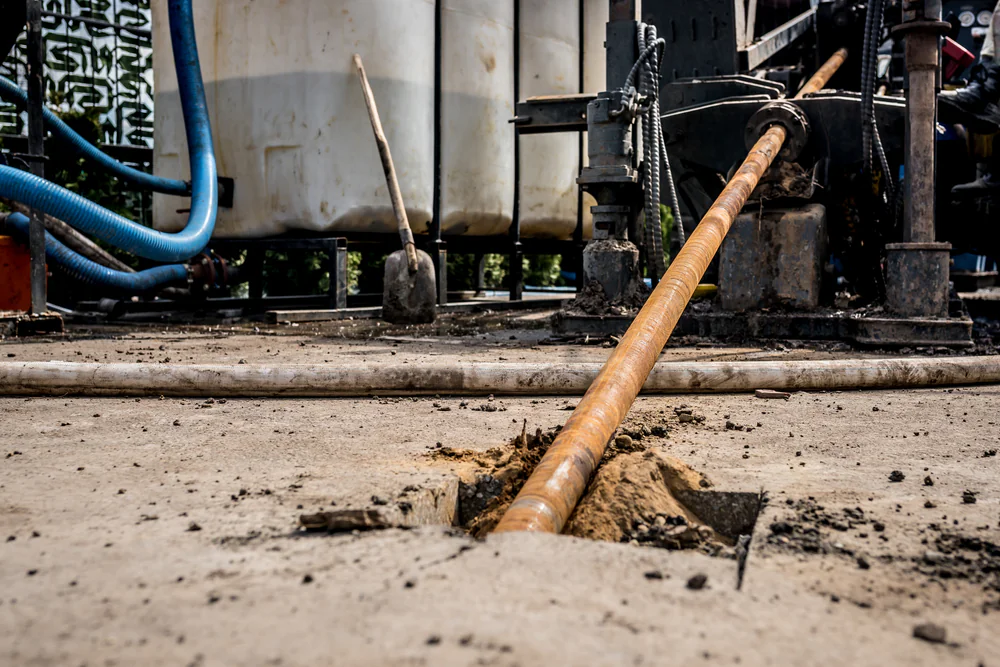
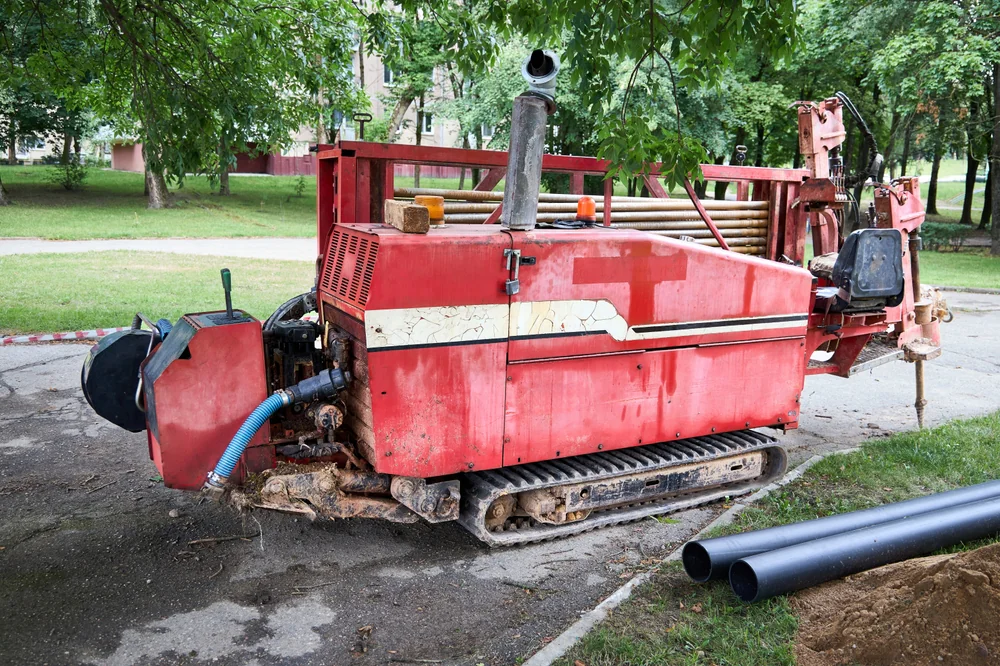
Horizontal directional drilling — HDD for short — is a method of installing underground pipe without digging a trench across your entire property. Instead of excavating from point A to point B, a drill bores a precise path underground between two small access pits. The new pipe is then pulled through that path. Your yard, your driveway, your patio — they stay where they are.
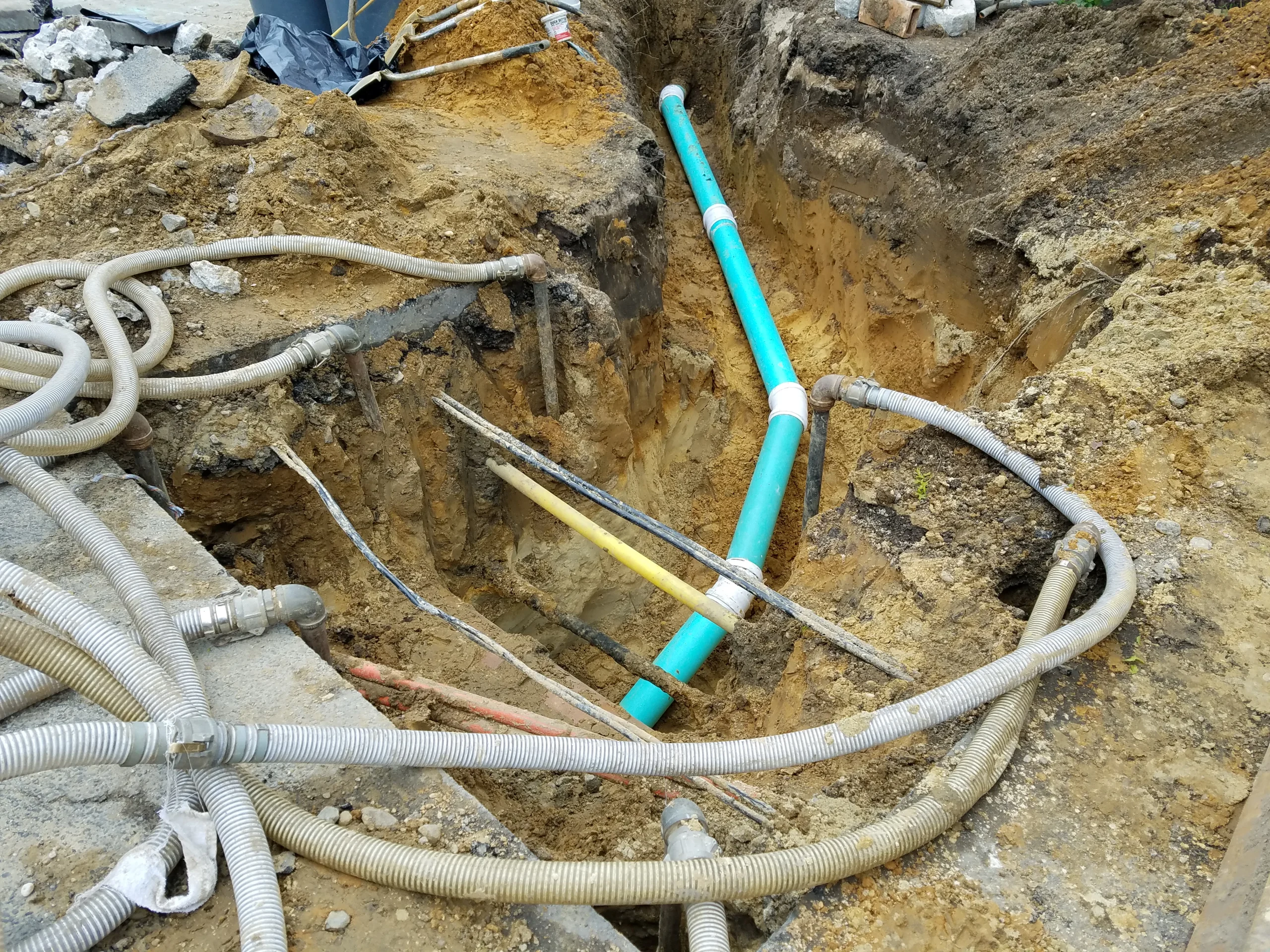
It’s not magic. It’s specialized equipment operated by people who know what they’re doing. The drill follows a guided path using locating technology, which means our crew knows exactly where the bore is at every point during the job. That matters especially on Long Island, where underground utility corridors are often congested — water lines, sewer lines, gas lines, and electric conduit all running through the same narrow space beneath your property.
Before any equipment touches your property, we run a camera through the existing pipe to document what’s actually happening underground. This isn’t just due diligence — it’s how we make sure the recommendation we give you is based on real conditions, not assumptions. If the pipe is cracked but structurally intact, lining might be the right call. If it’s collapsed or severely offset, pipe bursting or directional drilling for a new run makes more sense. The camera footage tells us which.
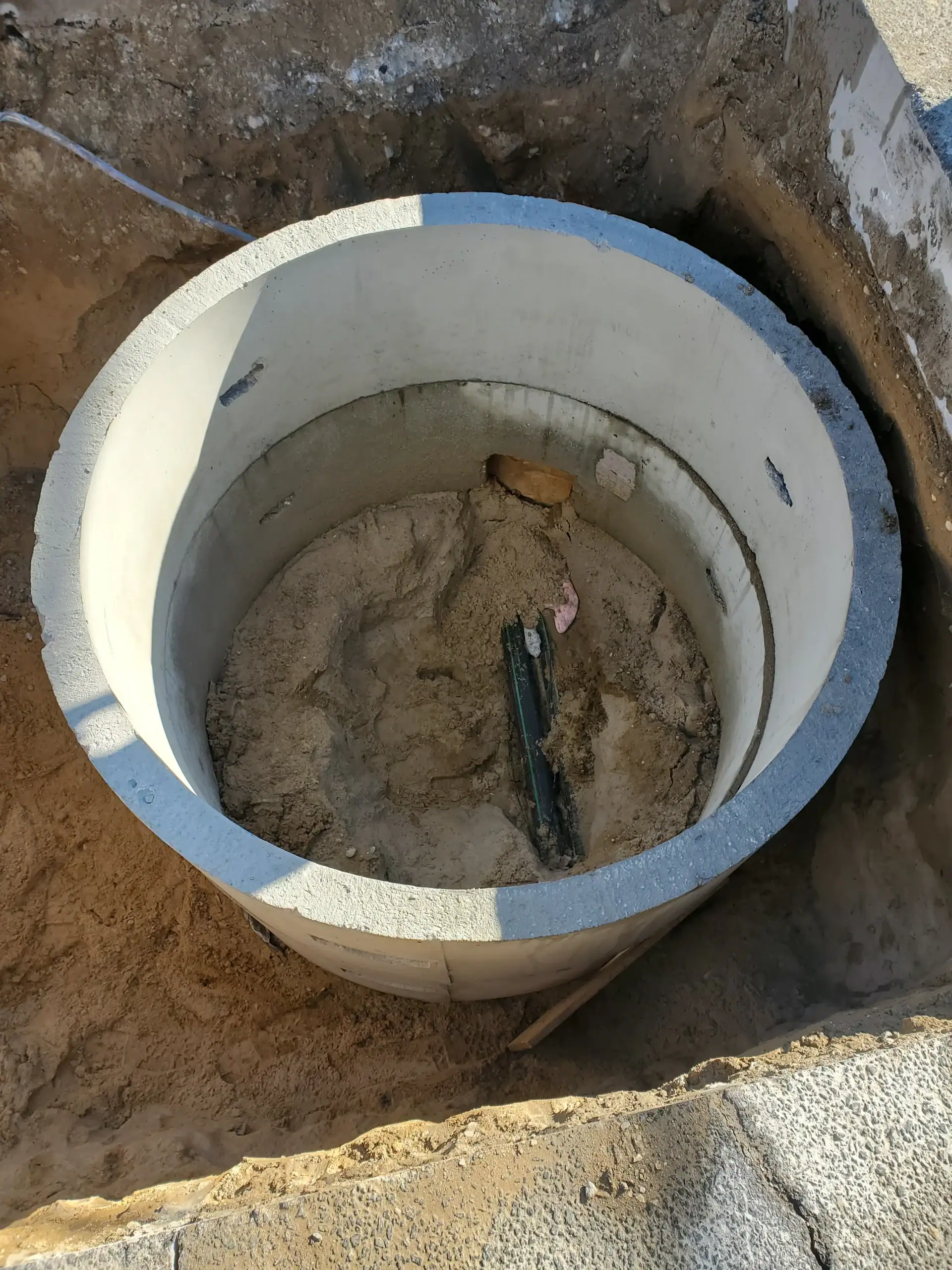
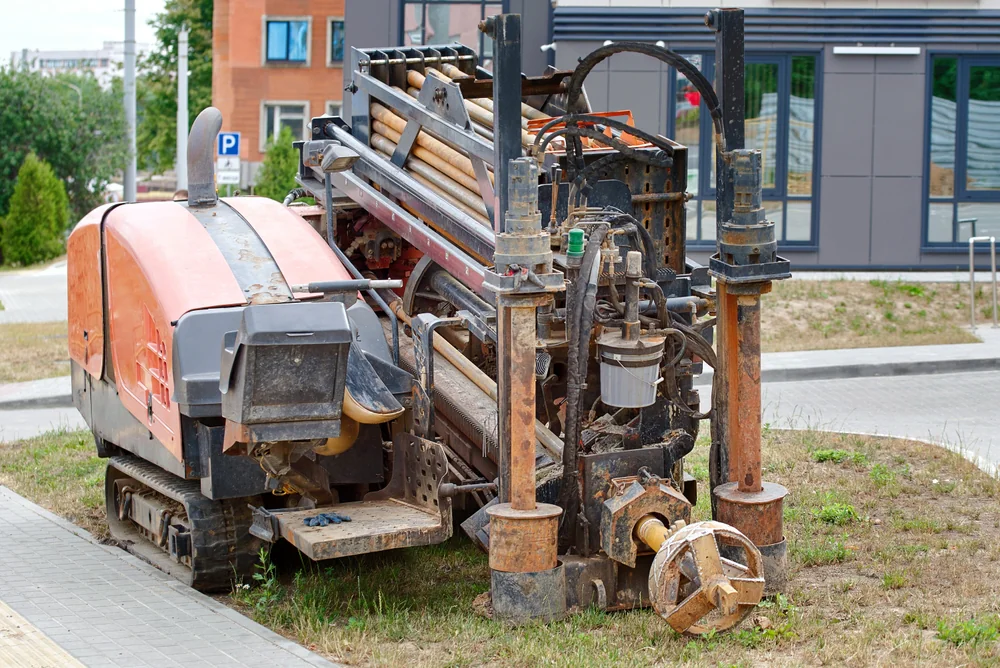
Once we’ve confirmed the approach, our crew marks out existing utilities — a legal requirement in New York, and a practical one, because striking a gas line or water main mid-job is a problem nobody wants. After the 811 mark-out is complete and permits are pulled, the drilling rig is set up at the entry point. A small pilot bore is drilled along the planned path, guided by a locating system that tracks the drill head in real time. Once the pilot bore is complete, a reamer is pulled back through to widen the path to the right diameter. Then the new pipe — seamless, corrosion-resistant, rated for 50 years or more — is pulled into place.
The whole process, for most residential jobs, happens in a single day. When it’s done, we run a post-work camera inspection to confirm the line is flowing correctly before we close up and leave. That last step isn’t standard practice across the industry. For us, it’s just how the job ends.
What makes this relevant to South Shore communities like Bellmore, Copiague, Sayville, and Patchogue specifically is the soil. Sandy coastal soils and water tables that can sit as shallow as four to six feet create conditions that require a different level of experience than inland or upstate work. We’ve drilled through these conditions hundreds of times. A contractor without that local history is figuring it out on your property.
This is the question most homeowners don’t know to ask, and most contractors don’t explain clearly. There are three primary trenchless methods, and they’re not interchangeable. Each one fits a different situation.
Directional drilling is used when you need to install a new pipe along a new path — or when the existing pipe’s location makes it impractical to work in place. It’s the right call for complex utility crossings, new sewer or water line connections, running pipe under a road or parking lot, or situations where the existing pipe has failed so completely that rehabilitation isn’t an option.
Pipe bursting is used when you want to replace an existing pipe along its current path. A bursting head is pulled through the old pipe, fracturing it outward while simultaneously pulling a new pipe into place behind it. It’s well-suited for pipes that are severely deteriorated, partially collapsed, or significantly out of alignment — situations where lining won’t work but the existing pipe path is still the right route.
Pipe lining — specifically CIPP, or cured-in-place pipe — is used when the existing pipe is damaged but still structurally sound enough to serve as a host. A resin-saturated liner is inserted into the pipe and cured in place, creating a smooth new pipe inside the old one. It’s used for roughly half of all damaged pipe repairs in the U.S., and it’s typically the fastest and least invasive option when conditions allow. Most lining jobs are completed in a single day.
We offer all three methods in-house, which matters more than it might sound. A contractor who only does one thing will recommend that one thing regardless of whether it fits your situation. When we inspect your pipe and recommend a method, it’s because that method is actually right for your pipe — not because it’s the only tool we own.
Want live answers?
Connect with a Allied All City Inc. expert for fast, friendly support.
Long Island was built fast. The post-war suburban boom of the 1940s through the 1970s turned Nassau and Suffolk Counties into one of the most densely developed suburban regions in the country — and the underground infrastructure that was installed during that period is now 50 to 80 years old. Vitrified clay pipe, the standard sewer material of the era, has a design life of 40 to 50 years. A lot of it is still in the ground, well past that threshold.
In Nassau County communities like Bellmore, the municipal sewer system was largely built during the 1950s expansion. Those pipes are now 65 to 75 years old. In Suffolk County communities like Copiague, Sayville, and Patchogue, many homes still rely on private septic systems and cesspools, which have their own aging infrastructure challenges. Either way, the underground systems beneath Long Island’s housing stock are not getting younger.
The symptoms that bring most Long Island homeowners to this conversation are usually one of a handful of things: slow drains throughout the house, not just one fixture; a sewage smell in the yard or basement; a wet or sunken spot in the lawn that doesn’t dry out; water pressure that’s dropped noticeably; or discolored water coming from the tap. Any one of these can have a simpler explanation, but when they persist or appear together, the pipe is usually involved.
Tree roots are a major factor in Nassau County’s older neighborhoods. Bellmore’s dense suburban canopy — mature oaks, maples, large ornamental trees — creates a chronic root intrusion problem in older clay sewer laterals. Roots grow toward moisture, find their way into pipe joints, and over decades, build up enough mass to restrict or completely block flow. If your pipe has root intrusion and you only have it cleaned, the roots come back. A camera inspection will show you whether you’re dealing with a temporary blockage or a structural problem that needs a permanent solution.
Home sales are another major trigger. Buyers and sellers routinely discover sewer line issues during inspection, and the question of whether to repair, replace, or reline becomes part of the negotiation. We’ve handled a lot of these situations in Bellmore, Patchogue, Sayville, and Copiague — pre-sale, post-purchase, and everything in between. The camera tells the story. Then we figure out the right fix.
It’s also worth knowing that homes built before 1980 in Nassau County frequently have galvanized steel or lead service lines that are corroding from the inside out. You might not notice reduced water pressure immediately, but the pipe is narrowing over time. By the time pressure drops significantly, the pipe is often in poor enough condition that replacement is the only real option.
This is the question almost everyone asks, and the honest answer is that it depends on the specific job — pipe length, depth, soil conditions, access, and what method is appropriate. What we can tell you is that trenchless methods are generally 30 to 40 percent less expensive than traditional open-cut excavation when you’re comparing the full project cost, not just the pipe work itself.
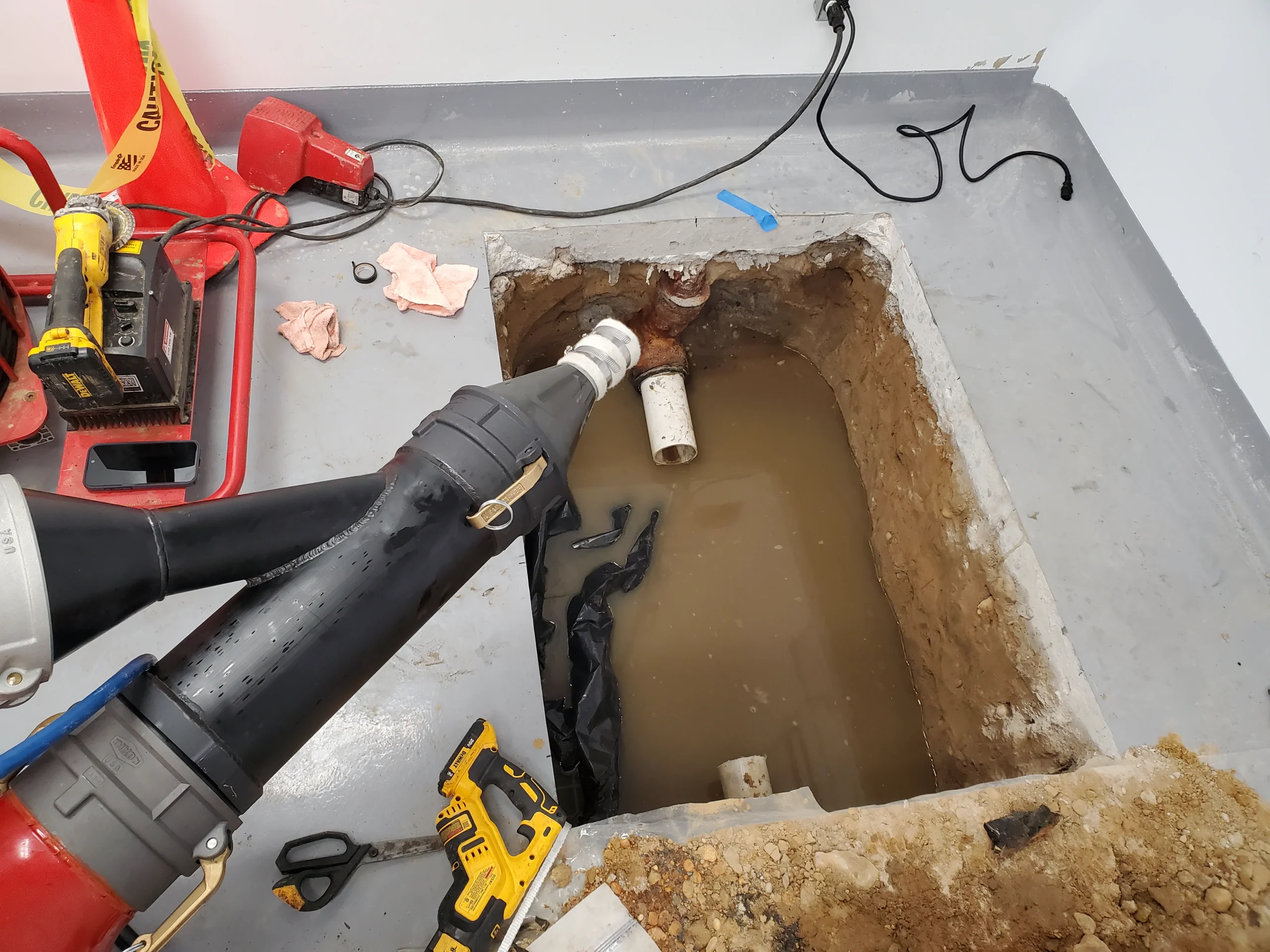
Here’s why that comparison matters: traditional excavation doesn’t end when the pipe is replaced. It ends when the trench is backfilled, the sod is relaid, the pavers are reset, the driveway is patched, and the landscaping is restored. On a typical Long Island property, that restoration can add thousands of dollars to the total bill. Trenchless work requires only two small access pits. There’s nothing to restore.
For a residential trenchless sewer line replacement, total project costs typically run between $4,000 and $15,000 depending on scope and method. Traditional open-cut replacement for the same job can exceed $20,000 once excavation and full property restoration are factored in. Those numbers aren’t universal — every job is different — but they give you a realistic frame for the comparison.
The other cost that rarely gets mentioned is time. A trenchless job is usually done in a day. A traditional excavation project for the same scope can stretch across several days or weeks, which means disruption to your household, your schedule, and your access to your own property. For families in Patchogue or Sayville who are managing work, school, and everything else, that difference is real.
We also pull all required permits and coordinate directly with local municipalities before work begins. In most Long Island communities, replacing or rehabilitating a sewer line or water main requires permits and inspections, even on private property. Skipping that step exposes you to code violations and potential insurance complications. We handle it as part of the job — not as an add-on.
The trenchless industry has grown fast, and not every contractor offering these services has the experience to back it up. The questions worth asking before you hire anyone: Do they inspect before they recommend? Do they use their own crew or subcontractors? Do they offer more than one trenchless method? Do they pull permits? Do they do a post-work inspection before they leave?
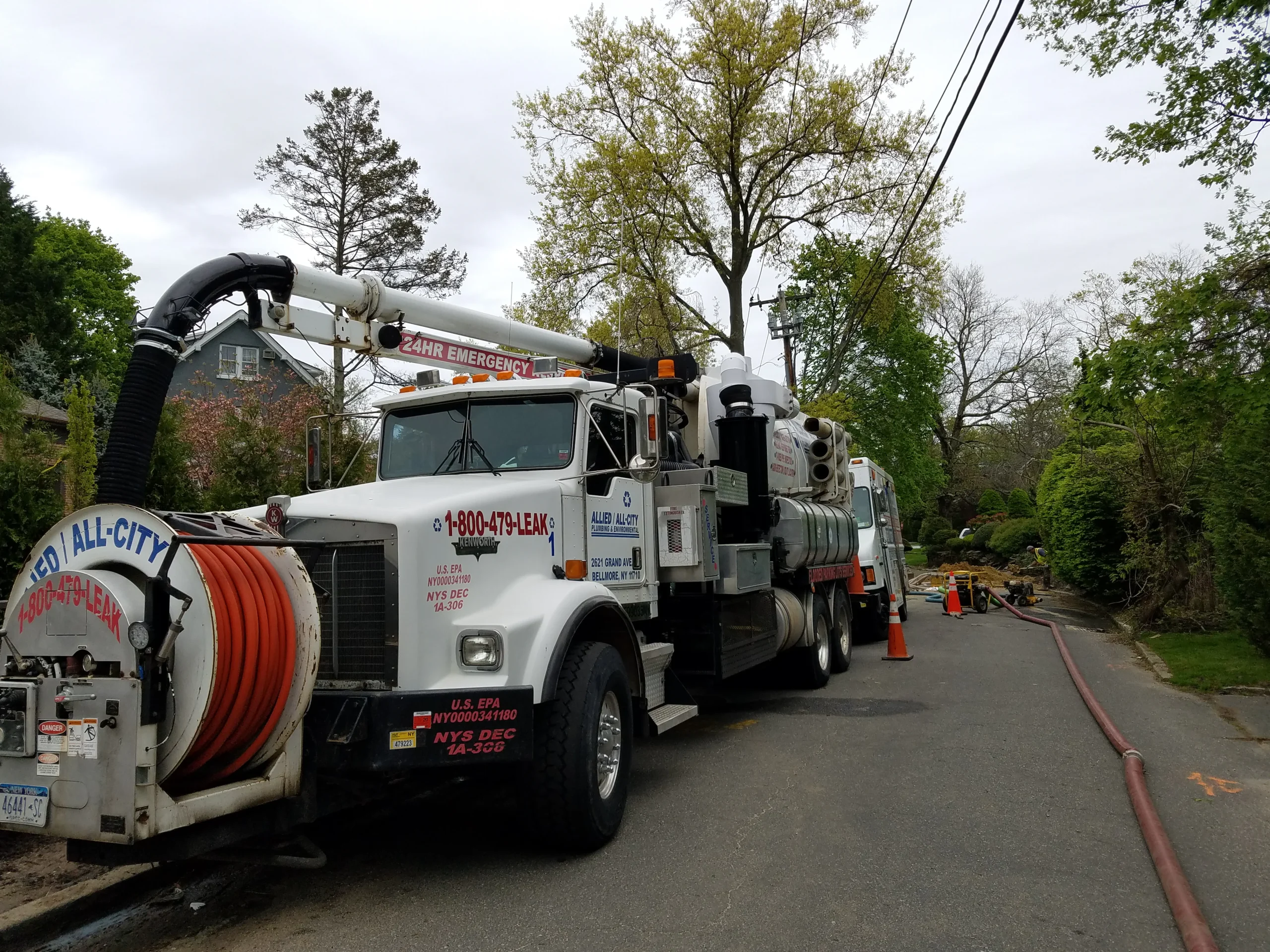
We’ve been doing this work on Long Island for more than 50 years, with locations in Bellmore, Copiague, Sayville, and East Patchogue. We know the soil conditions on the South Shore, the infrastructure age in Nassau County’s older neighborhoods, and the specific challenges that come with coastal geology and congested underground utility corridors. That’s not background noise — it’s the difference between a crew that’s figured out your conditions and one that’s figuring them out for the first time on your property.
If you’re dealing with a sewer backup, a failing water line, or an underground installation that needs to happen without tearing up a road or a yard, reach out to us. We’ll start with a camera, show you what we find, and give you a straight answer about what it takes to fix it.
Article details:
Share:
Continue learning: