Pipe bursting transforms sewer line replacement by eliminating massive excavation while installing stronger, longer-lasting pipes in a fraction of the time.
Share:
Summary:
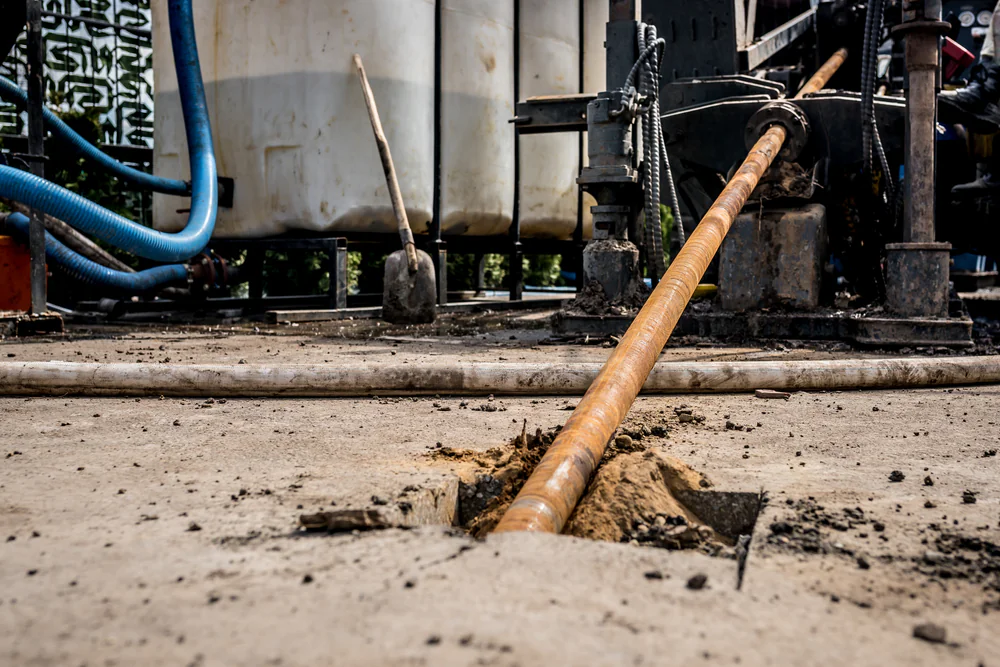
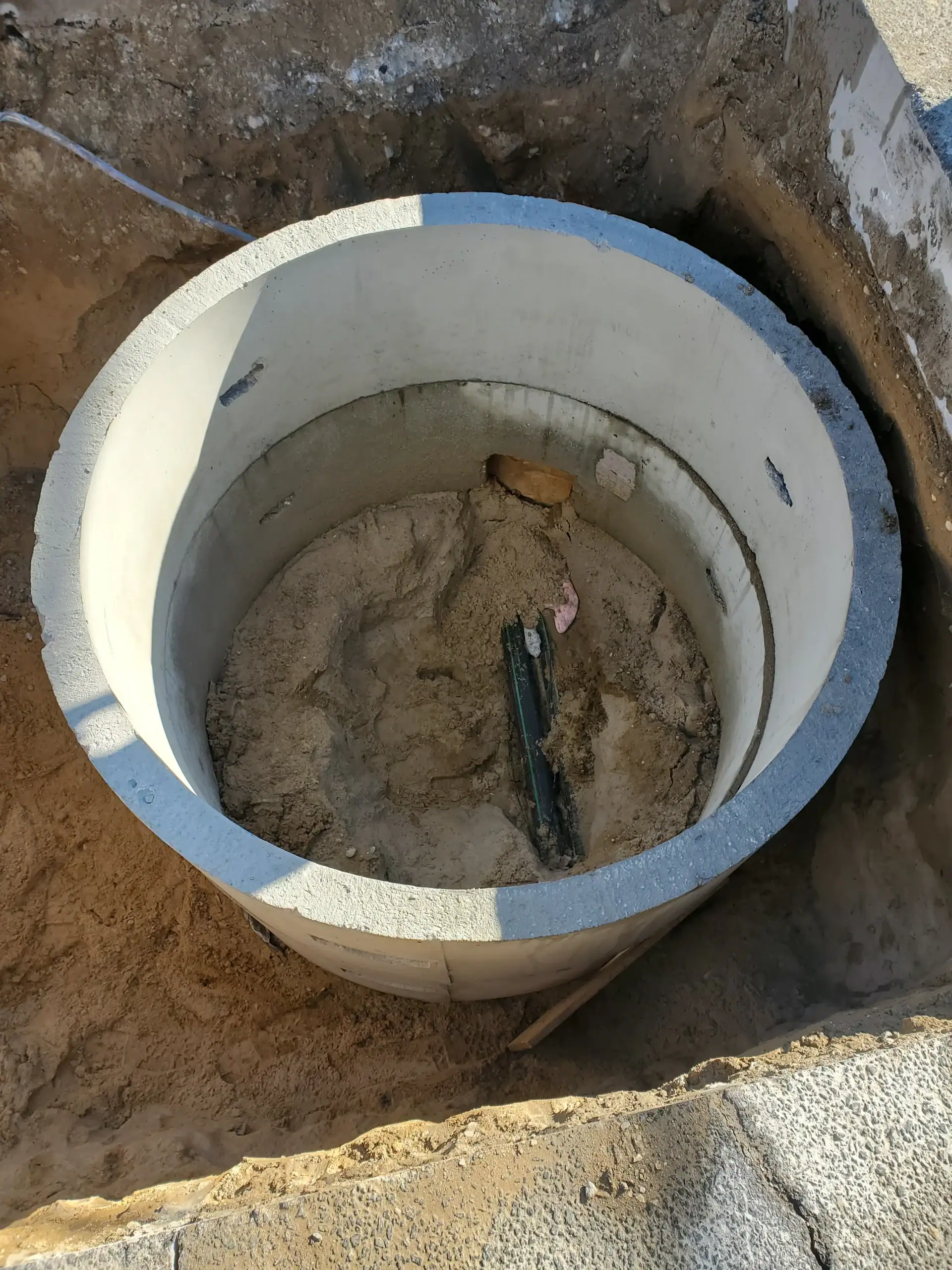
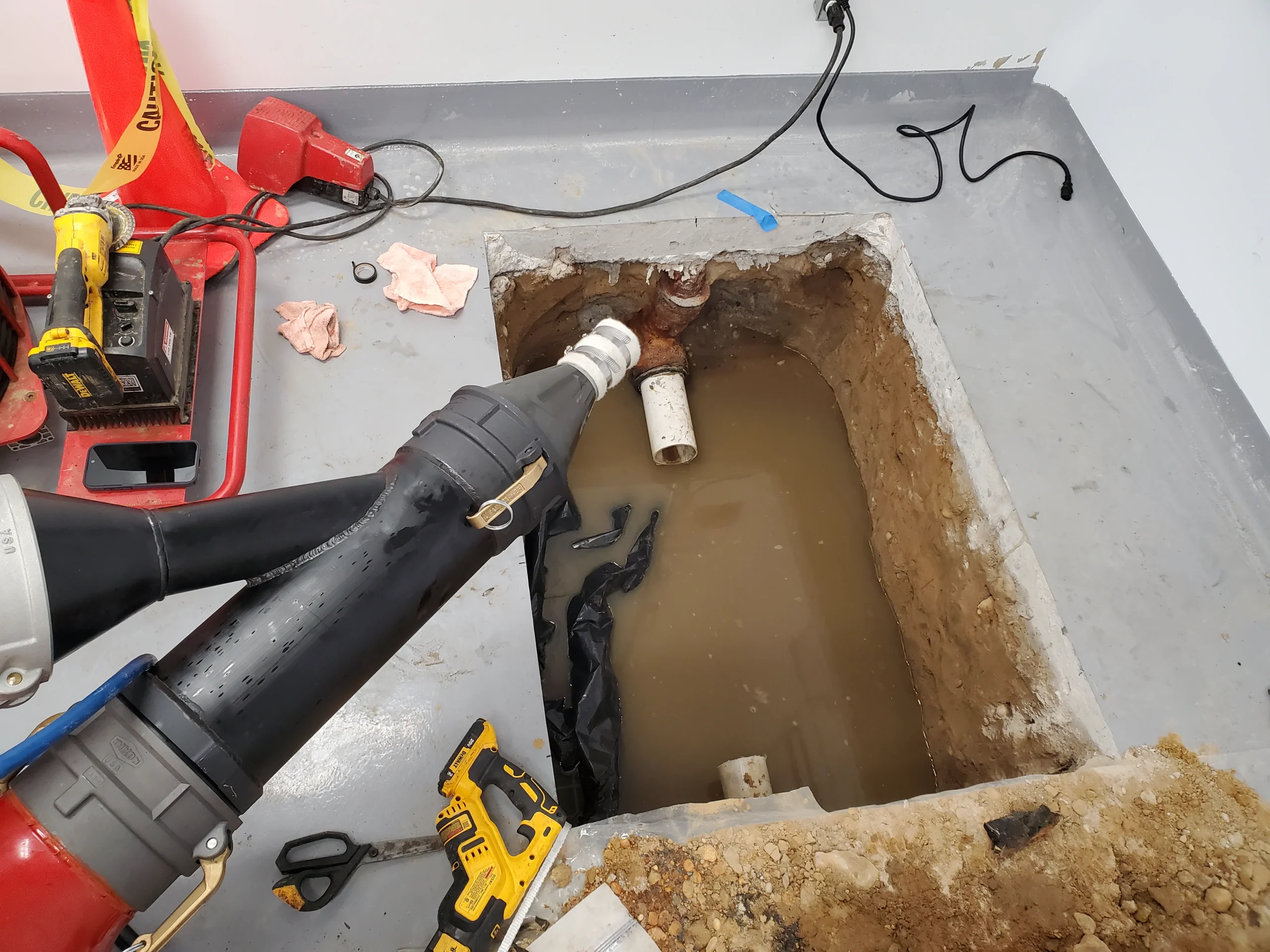
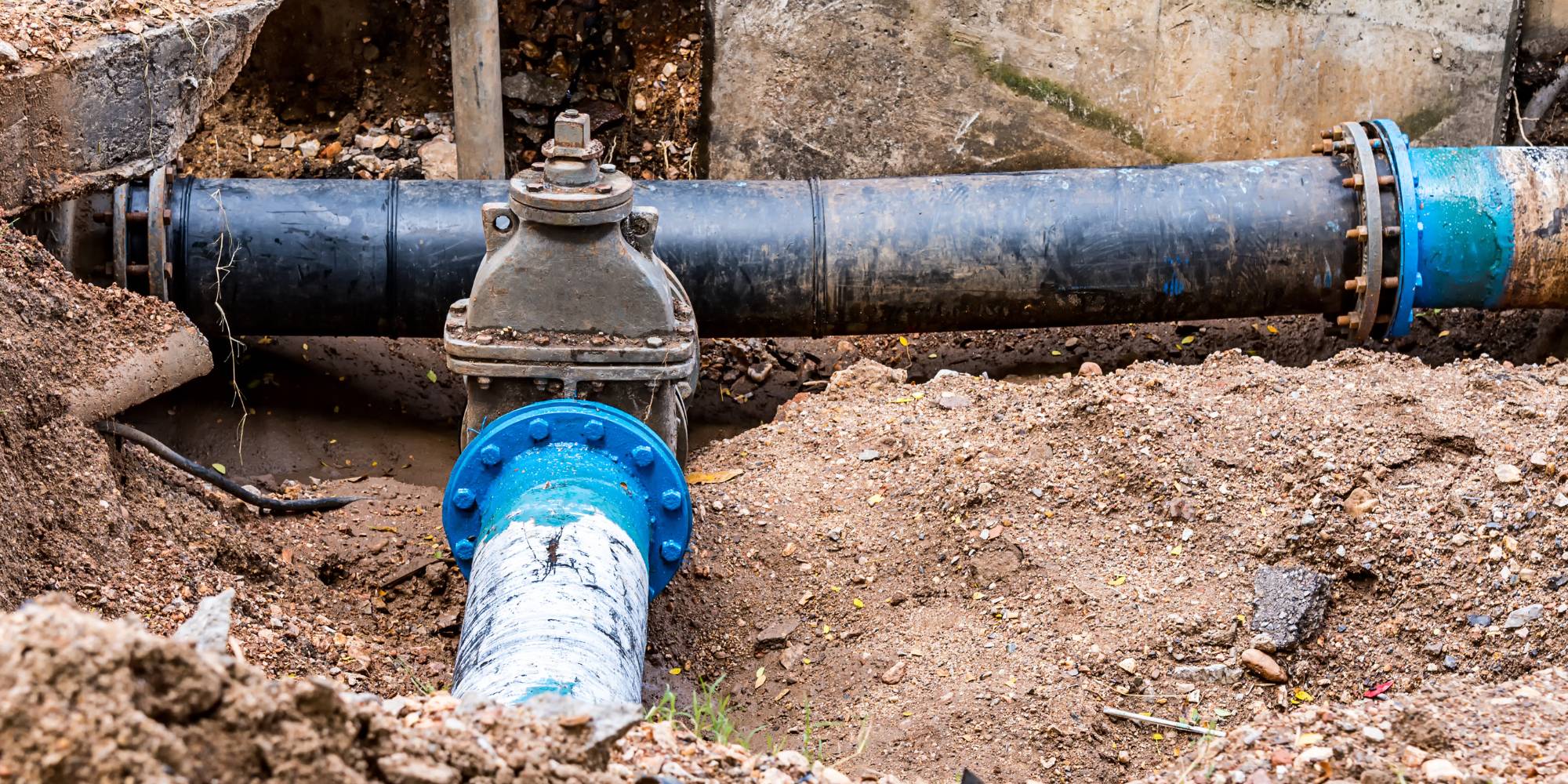
Pipe bursting operates through a hydraulically-powered bursting head that simultaneously fractures your old sewer line while pulling a new high-density polyethylene pipe into the exact same position. The process begins when technicians insert the bursting head into your existing pipe through a small access pit, typically measuring just 4 feet by 6 feet. As the pneumatic or hydraulic system activates, the expanding head breaks apart your deteriorated clay, cast iron, or PVC line into fragments that get displaced into the surrounding soil. Behind this bursting head, a new seamless pipe—often 15-20% larger in diameter than your original line—gets pulled through the newly created space. This method works particularly well in Long Island’s diverse soil conditions, from sandy coastal areas to clay-heavy inland regions, because the bursting process adapts to ground composition without requiring extensive pre-excavation analysis. The new polyethylene pipes resist root intrusion, corrosion, and joint separation that commonly plague older systems, often lasting 75-100 years compared to the 30-50 year lifespan of traditional materials. Your property experiences minimal disruption since crews only need access to entry and exit points, leaving driveways, sidewalks, and landscaping largely untouched throughout the replacement process.
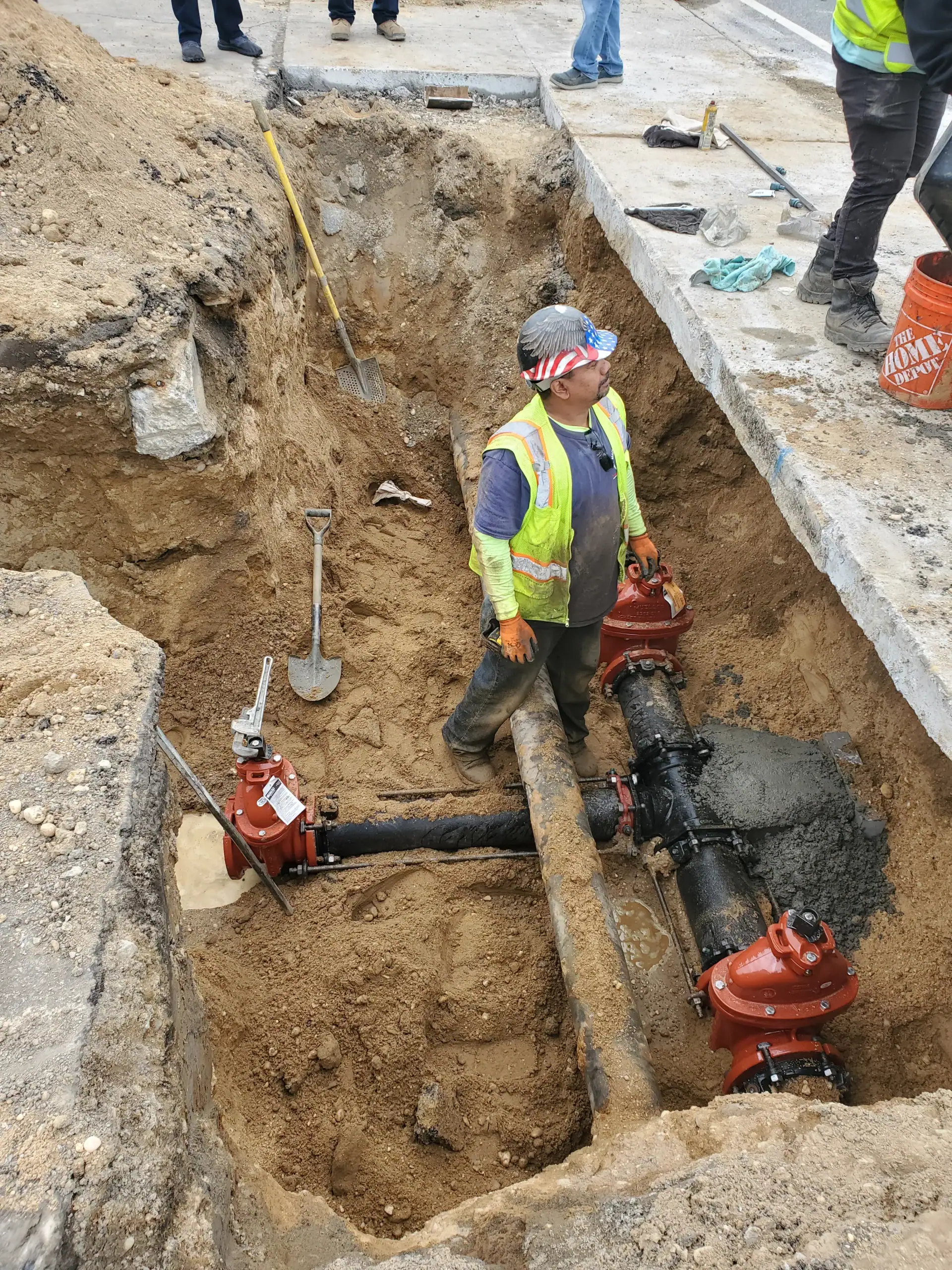
Traditional sewer line replacement requires continuous trenching along the entire pipe route, often extending 100-200 feet across residential properties and significantly more for commercial installations. This open-cut method demands removing and later replacing driveways, walkways, landscaping, and sometimes portions of foundations or structural elements. Recovery time stretches weeks or months as contractors coordinate multiple restoration phases, from backfilling and compacting soil to re-establishing grade levels and reinstalling surface materials. Pipe bursting eliminates 85-90% of this excavation while completing the actual pipe installation 3-4 times faster than traditional methods. Where open-cut replacement might take 5-7 days of active construction, pipe bursting typically completes the same job in 1-2 days, allowing you to resume normal property use almost immediately.
Traditional sewer line replacement requires continuous trenching along the entire pipe route, often extending 100-200 feet across residential properties and significantly more for commercial installations. This open-cut method demands removing and later replacing driveways, walkways, landscaping, and sometimes portions of foundations or structural elements. Recovery time stretches weeks or months as contractors coordinate multiple restoration phases, from backfilling and compacting soil to re-establishing grade levels and reinstalling surface materials. Pipe bursting eliminates 85-90% of this excavation while completing the actual pipe installation 3-4 times faster than traditional methods. Where open-cut replacement might take 5-7 days of active construction, pipe bursting typically completes the same job in 1-2 days, allowing you to resume normal property use almost immediately.
Want live answers?
Connect with a Allied All City Inc. expert for fast, friendly support.
Long Island’s unique combination of high property values, mature landscaping, and aging infrastructure makes pipe bursting particularly valuable for homeowners and commercial property managers. Properties built between 1950-1980 commonly feature clay or early PVC sewer lines that now experience frequent blockages, joint separation, and root intrusion problems. Traditional replacement methods can easily cost $15,000-25,000 in additional restoration expenses beyond the actual pipe work, as contractors must rebuild driveways, restore mature landscaping, and repair damage to adjacent structures. Pipe bursting reduces these secondary costs by 70-80% while often upgrading your line to a larger diameter that improves flow capacity and reduces future maintenance needs. The method works exceptionally well in Long Island’s coastal soil conditions, where high water tables and sandy substrates can complicate traditional excavation but actually facilitate the pipe bursting process. Allied All City has successfully completed hundreds of pipe bursting installations across Nassau and Suffolk counties, developing specialized techniques for local soil conditions and municipal requirements that streamline permitting and reduce project timelines.
Allied All City utilizes high-density polyethylene pipes with fusion-welded joints that create continuous, leak-proof installations resistant to Long Island’s fluctuating soil conditions and seasonal ground movement. The installation process begins with video inspection using advanced pipeline cameras to map your existing system and identify optimal entry and exit points. Hydraulic bursting equipment, rated for 100-150 tons of pulling force, ensures complete old pipe destruction while maintaining precise alignment for the new installation. Post-installation testing includes pressure testing, video verification, and flow capacity analysis to confirm optimal system performance before final connection to your property’s internal plumbing and municipal collection systems.
New high-density polyethylene sewer lines require minimal maintenance compared to traditional materials, but periodic inspections help maximize their 75-100 year service life. Annual video inspections during the first five years after installation verify proper joint integrity and system performance. The smooth interior surface of polyethylene pipes naturally resists buildup and blockages, but monthly enzymatic treatments help maintain optimal flow in kitchen waste connections. Allied All City provides comprehensive maintenance programs including scheduled inspections, preventive cleaning, and priority service agreements that protect your investment while identifying potential issues before they become costly repairs.
Pipe bursting represents the optimal balance of efficiency, durability, and property preservation for most Long Island sewer line replacement projects. The technology’s ability to install superior materials while minimizing disruption makes it particularly valuable for properties where traditional excavation would cause significant secondary damage or extended restoration periods. Allied All City’s specialized experience with Long Island’s diverse soil conditions, municipal requirements, and property challenges positions them to provide expert guidance on whether pipe bursting fits your specific situation. Contact us today for a comprehensive property assessment and detailed comparison of replacement options customized to your needs and budget.
Article details:
Share:
Continue learning: