Trenchless pipe bursting replaces severely damaged sewer lines in 1-3 days without tearing up your Long Island property—and often costs less than traditional excavation when you factor in restoration.
Share:
Summary:
You’ve got a failing sewer line. Maybe it’s backed up again. Maybe you’re tired of “chasing pipe”—fixing one section only to watch another fail three months later. Or maybe a plumber just told you the whole line needs replacing, and you’re dreading what that means for your driveway, your landscaping, and your budget.
Here’s what most Long Island property owners don’t realize: you have options beyond traditional excavation. Trenchless pipe bursting can replace your entire sewer line in days, not weeks—without turning your yard into a construction zone. But it’s not always the right choice for every situation. This guide walks you through both methods so you can make the call that actually makes sense for your property.
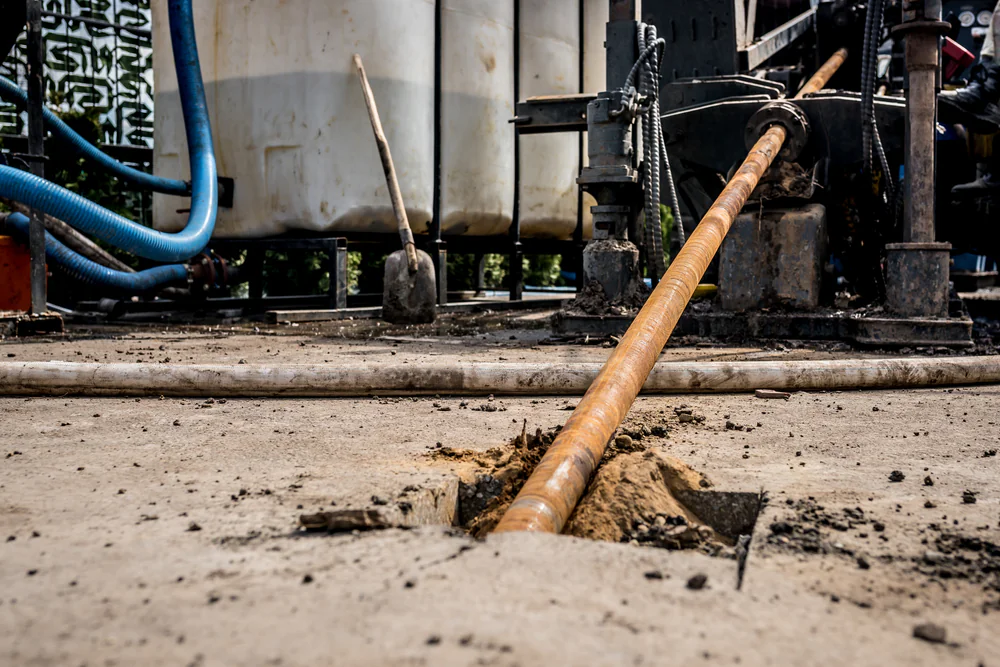
Trenchless pipe bursting is a method that replaces your damaged sewer line without digging a trench across your entire property. Instead of excavating the full length of pipe, our crews dig two small access pits—one near your foundation and one near the street connection.
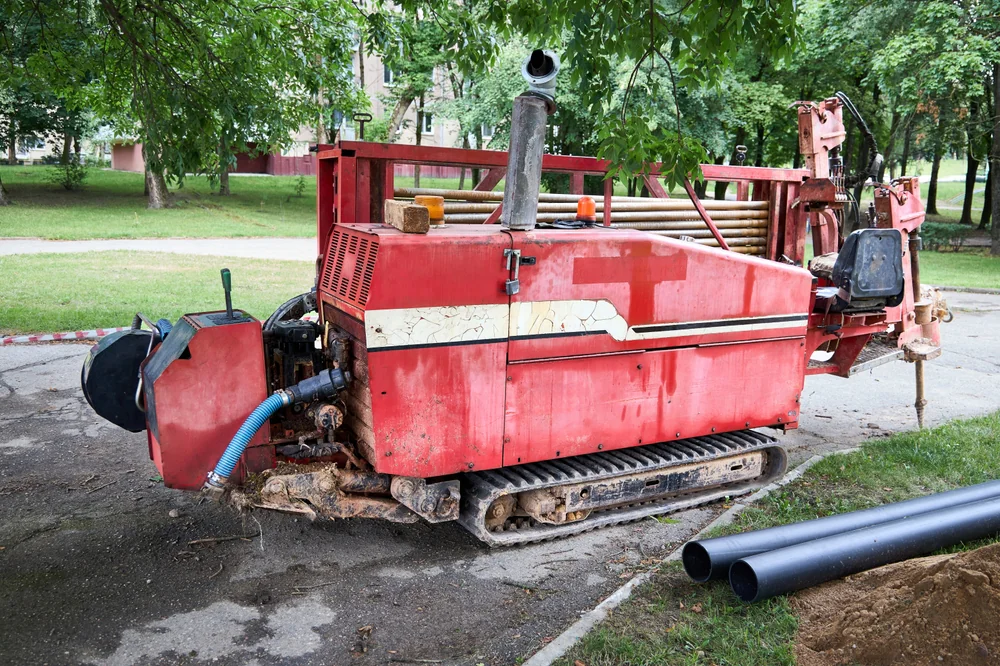
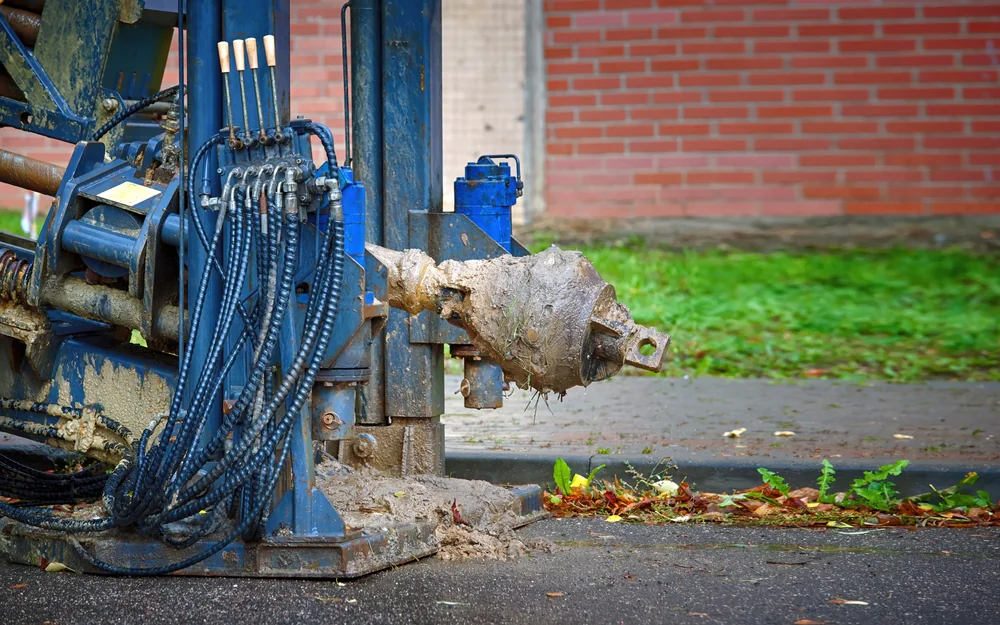
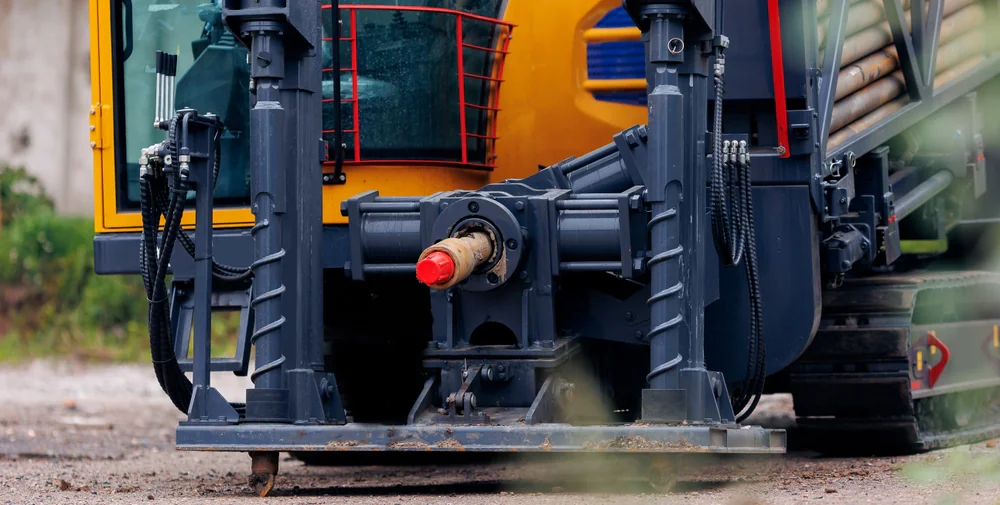
Here’s the process: a cone-shaped bursting head gets inserted into your existing pipe. Hydraulic equipment pulls that head through the old line with serious force—up to 30 tons of pulling pressure. As it moves, the bursting head fractures your old pipe and pushes the broken pieces outward into the surrounding soil. At the same time, it’s pulling a brand-new high-density polyethylene pipe right behind it, filling the space left by the old line.
The new pipe sections get heat-welded above ground before installation. That creates seamless, joint-free connections that won’t leak and won’t let tree roots back in. Most residential projects in Nassau and Suffolk Counties wrap up in one to three days, and your property stays mostly intact throughout the process.
Pipe bursting isn’t a one-size-fits-all solution, but it shines in specific situations that are common across Long Island. If your pipes are severely damaged—collapsed sections, multiple breaks, or structural failure beyond what a patch job can fix—pipe bursting gives you a complete fresh start. You’re not masking the problem. You’re replacing it entirely.
This method works particularly well for older Long Island homes built before 1980 that still have original cast iron or clay pipes. Those materials break down over time, especially in our soil conditions. If you’ve been dealing with repeated failures, where you fix one section and another goes bad a few months later, pipe bursting eliminates that cycle. You replace the entire problematic run at once.
It’s also the right call when your pipes run under structures you can’t afford to disturb. Driveways, patios, sidewalks, mature landscaping—traditional excavation means tearing all of that up and paying to restore it. Pipe bursting requires only those two small pits, so everything in between stays untouched. That difference alone can save you $5,000 to $15,000 or more in restoration costs.
Another advantage: pipe bursting lets you upsize your pipe diameter. If your current 4-inch line isn’t meeting code or isn’t handling your property’s flow needs, you can install a larger pipe without the constraints of working within the existing diameter. That’s something pipe lining can’t do, since lining works inside your current pipe and actually reduces the internal diameter slightly.
There are limitations, though. Pipe bursting requires a pathway—if your pipe has completely collapsed with no structure left, there’s nothing for the bursting head to follow. Soil conditions matter too. Expansive soils or areas with nearby utility lines can complicate the process. And certain pipe materials, like some HDPE or reinforced concrete, may not be suitable for bursting. That’s why a proper inspection comes first.
Let’s talk numbers, because this is where the conversation gets real. Trenchless pipe bursting typically runs between $60 and $200 per foot, with most Long Island projects landing in the $100 to $300 per foot range depending on depth, access, and soil conditions. For a typical 50-foot residential sewer line, you’re looking at roughly $6,000 to $12,000 for the pipe bursting work itself.
Traditional excavation looks cheaper on paper—$50 to $250 per foot for the pipe work. But here’s what those initial estimates don’t include: excavation costs, hauling away the dirt, restoring your driveway or sidewalk, re-landscaping your yard, and fixing anything else that got torn up in the process. Those “extras” aren’t extras. They’re unavoidable, and they add up fast.
A 50-foot line running under your grass might cost $7,300 with traditional excavation once you factor in restoration. The same line handled with trenchless methods comes in around $6,000 to $6,500. If that line runs under your driveway, traditional methods jump to $10,200 or more, while trenchless stays closer to $6,500. Through a landscaped yard with mature plantings? Traditional can hit $10,300 versus $7,000 for trenchless.
The gap widens when your property has complexity—multiple structures, established trees, hardscaping, or irrigation systems. Traditional excavation doesn’t just replace your pipe. It replaces your pipe and then requires you to put your property back together. Trenchless methods skip that entire restoration phase because they’re not tearing things apart in the first place.
There’s also the timeline factor. Traditional excavation can take weeks when you account for digging, pipe work, backfilling, and restoration. Trenchless pipe bursting typically completes in one to three days. If you’re a business owner, that difference in downtime has a dollar value. If you’re a homeowner, it’s the difference between a brief inconvenience and a month-long construction project in your yard.
One more consideration: the long-term value. The new HDPE pipes installed during pipe bursting have a service life of 75 to 100 years. They resist root intrusion, chemical damage, and ground movement. You’re essentially making a once-in-a-lifetime investment, which changes the cost-benefit calculation significantly.
Want live answers?
Connect with a Allied All City Inc. expert for fast, friendly support.
Traditional excavation—often called dig-and-replace—is exactly what it sounds like. Crews dig a trench along the entire length of your damaged pipe, remove the old line, install new pipe sections, backfill the trench, and then restore whatever was on the surface. It’s been the standard approach for decades, and it still has its place.
The main advantage of traditional excavation is visibility. Crews can see everything—the pipe, the surrounding soil, the connections, any complications. If your pipe has severe misalignment, complete collapse with no pathway, or if you’re redesigning the entire system layout, traditional methods give you that flexibility. There are also situations where trenchless technology simply isn’t feasible due to site conditions, nearby utilities, or pipe materials.
But traditional excavation comes with trade-offs that affect your property and your budget. Every foot of trench means disturbed soil, displaced landscaping, and restoration work. If your sewer line runs under a driveway, that driveway gets cut open. Under a sidewalk? Same story. Through your garden or under mature trees? You’re starting over with your landscaping once the pipe work is done.
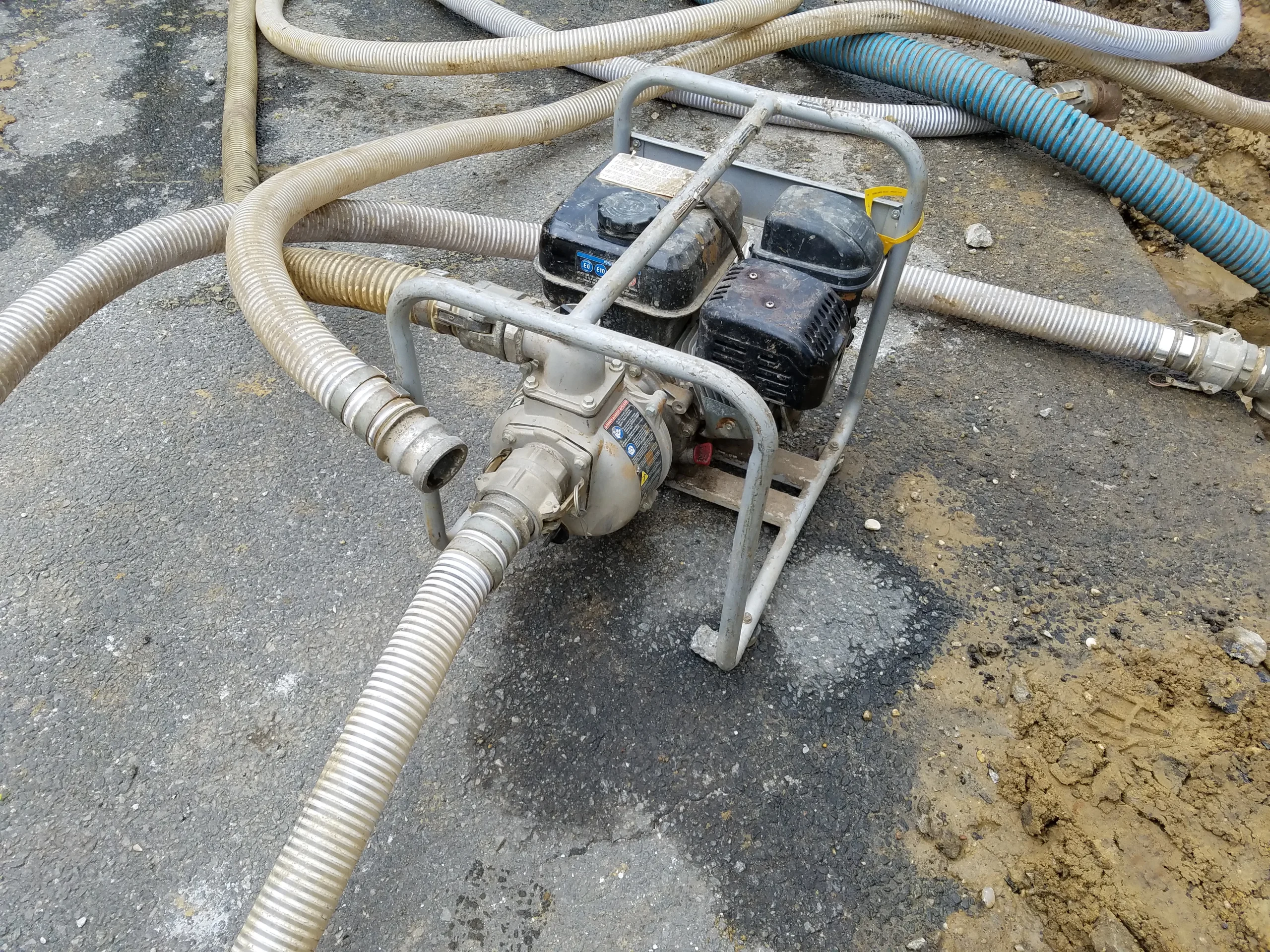
The disruption from traditional excavation isn’t just an inconvenience—it’s a multi-week process that affects your daily life and your property value. Crews need access to the full length of your sewer line, which often means heavy equipment in your yard, piles of excavated soil, and open trenches that need to be secured or covered at the end of each workday.
If your line runs under a driveway, you’re looking at saw-cutting concrete, removing sections, and then repaving once the pipe work is complete. Asphalt driveways fare slightly better than concrete, but you’re still dealing with significant restoration. Sidewalks present similar challenges, and if you’re in an area where the sewer line crosses public property, you may need additional permits and coordination with local authorities.
Landscaping damage is often the most visible impact. Mature trees can’t simply be moved and replanted. Established gardens, irrigation systems, and hardscaping features all get disturbed. Even if the contractor is careful, you’re essentially starting over with those areas once the trench is backfilled. That’s not just a financial cost—it’s years of growth and investment that you can’t get back.
The timeline matters too. Traditional excavation projects can stretch across weeks, especially when you account for permit approvals, excavation, pipe installation, inspections, backfilling, and restoration. During that time, you may have limited access to parts of your property, equipment noise, and an active construction zone where you live or work. For businesses, that can mean lost customers or operational disruptions. For homeowners, it’s weeks of living with a torn-up yard.
Trenchless pipe bursting eliminates most of this disruption. Those two small access pits take up minimal space. The work happens underground, so your landscaping, driveway, and structures stay intact. Most projects complete in one to three days, and once those pits are filled and patched, there’s little evidence that major pipe work just happened. You’re back to normal almost immediately.
The decision between trenchless pipe bursting and traditional excavation isn’t about which method is “better” in general—it’s about which one fits your specific situation. Several factors should guide that decision, and understanding them helps you avoid paying for the wrong solution.
Start with the condition of your existing pipe. If you’re dealing with localized cracks, minor root intrusion, or pipes that still have good structural integrity, pipe lining might actually be a better option than either bursting or excavation. But if your pipes are severely damaged, collapsed in multiple sections, or showing structural failure, pipe bursting or traditional replacement are your realistic options.
Location matters significantly. If your sewer line runs under your driveway, patio, sidewalk, or through areas with mature landscaping, trenchless methods make financial and practical sense. The avoided restoration costs often make trenchless the more economical choice, even if the upfront pipe work costs slightly more. On the other hand, if your line runs through an open area with easy access and minimal landscaping, traditional excavation might be straightforward and cost-effective.
Consider your pipe material and diameter needs. Trenchless pipe bursting works well with clay, cast iron, concrete, and PVC pipes in most situations. If you need to upsize your pipe diameter to meet current codes or improve flow capacity, pipe bursting handles that. Traditional excavation gives you complete flexibility in terms of materials and sizing, but you pay for that flexibility with disruption and restoration costs.
Soil conditions and site constraints play a role too. Stable soil works well for pipe bursting, while extremely rocky conditions or high water tables can complicate the process. Nearby utility lines—gas, electric, water, telecommunications—need to be located and protected regardless of which method you choose, but they can create more complications for pipe bursting in congested areas.
Your timeline and tolerance for disruption should factor into the decision. If you need the work done quickly with minimal impact on your daily life, trenchless methods deliver. If you have more flexibility and your priority is the lowest possible upfront cost for the pipe work itself, traditional excavation might fit your budget better—just make sure you’re accounting for the full restoration costs, not just the initial estimate.
One final consideration: local codes and permits. Both methods require permits in most Long Island municipalities, but the specific requirements can vary. Some areas have restrictions on trenchless methods near certain infrastructure or in specific soil conditions. Working with a contractor who understands Nassau and Suffolk County regulations helps you navigate those requirements without delays or surprises.
Your sewer line situation is specific to your property, your pipes, and your priorities. Trenchless pipe bursting offers a faster, less disruptive path to a complete pipe replacement, especially when your lines run under structures or through areas you want to preserve. Traditional excavation still has its place when site conditions demand it or when you’re working with pipes that can’t be burst.
The key is getting an accurate assessment before you commit to either approach. That means a proper camera inspection to see what’s actually happening inside your pipes, an evaluation of your soil conditions and site constraints, and honest guidance about which method makes sense for your situation—not just which one generates the highest invoice.
We’ve been handling trenchless pipe bursting, pipe lining, and traditional sewer line work across Long Island since 1983. If you’re dealing with a failing sewer line and you want to understand your options without the sales pressure, reach out to our team for an evaluation of your specific situation.
Article details:
Share:
Continue learning: