
Hear from Our Customers
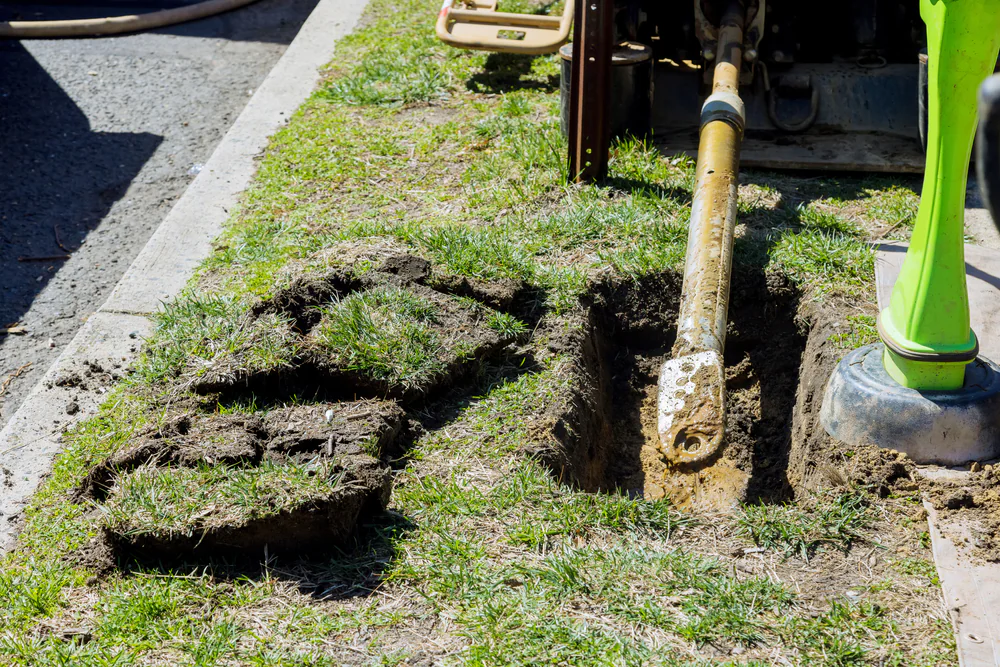
Traditional excavation tears through your property. Trenches cut across lawns, driveways get ripped up, mature trees lose root systems, irrigation lines get severed. Then you’re looking at weeks of restoration work and bills that often exceed the original repair cost.
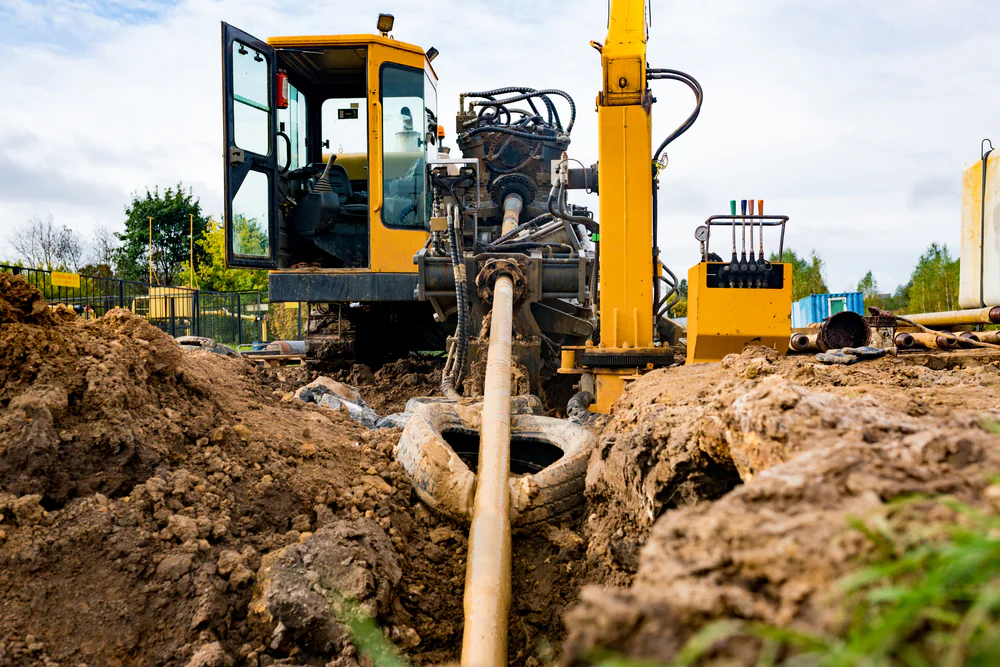
Trenchless directional drilling in Upper Brookville changes that equation entirely. We drill a pilot hole underground, pull the new utility line through, and you’re left with two small access points instead of a 100-foot scar across your estate. Your driveway stays smooth. Your gardens stay undisturbed. Your property value stays protected.
The cost difference is substantial. You’ll typically save 30-50% on total project costs because there’s nothing to restore. No landscaping crews to hire. No pavers to replace. No topsoil to haul in. The work gets done faster too—most installations finish in hours, not days, with smaller crews and less disruption to your daily routine.
We’ve operated across Long Island since 1983. Allied All City is a family-owned plumbing and environmental firm with four locations and the equipment fleet to handle complex installations on high-value properties.
Upper Brookville presents specific challenges. Properties here span multiple acres with mature landscaping, long driveways, and infrastructure that can’t be disrupted. We’ve completed hundreds of trenchless installations throughout Nassau County, including extensive work in neighboring communities with similar property profiles.
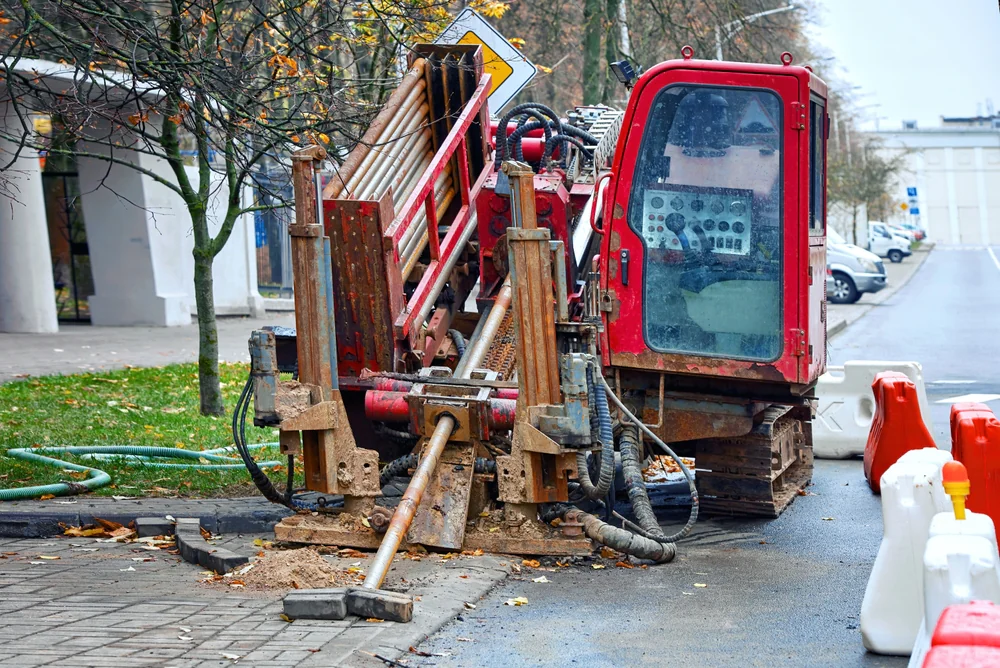
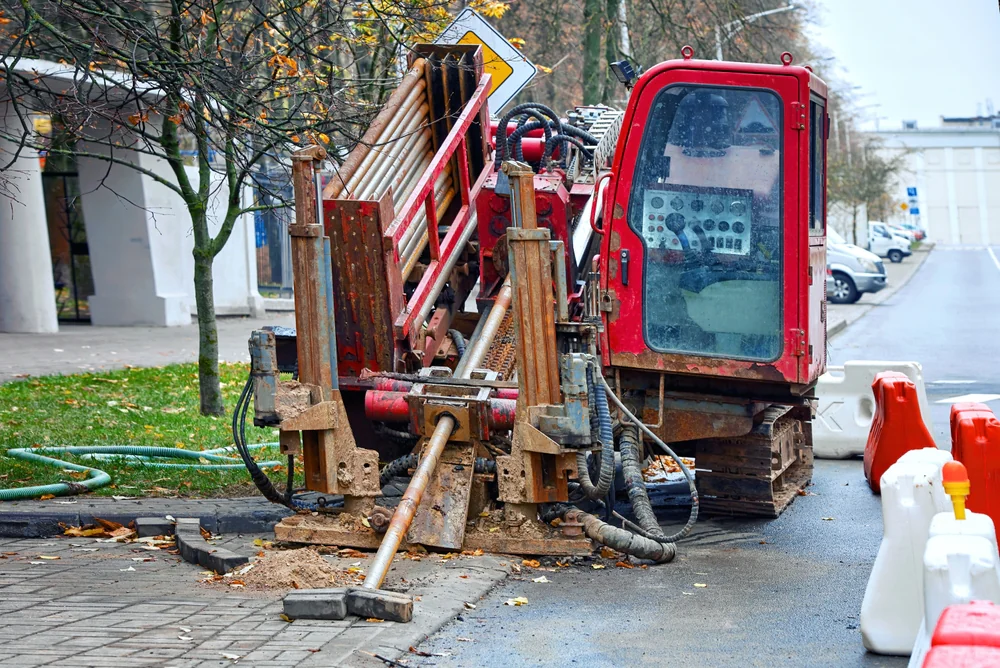
Our directional drilling equipment includes specialized boring machines that navigate around obstacles, change direction when encountering underground obstructions, and place utilities exactly where they need to go. We handle residential estates, commercial properties, and municipal projects—all with the same focus on precision and property protection.
We start with a site assessment and utility location survey. Before any drilling begins, we map existing underground infrastructure—water lines, gas lines, electrical conduits, septic systems, irrigation. This prevents surprises and ensures we route the new installation safely.
Next, we establish entry and exit points. These are small pits, typically 3×3 feet, positioned where the utility line needs to start and end. One might be near your street connection, the other near your home. Everything happens between those two points underground.
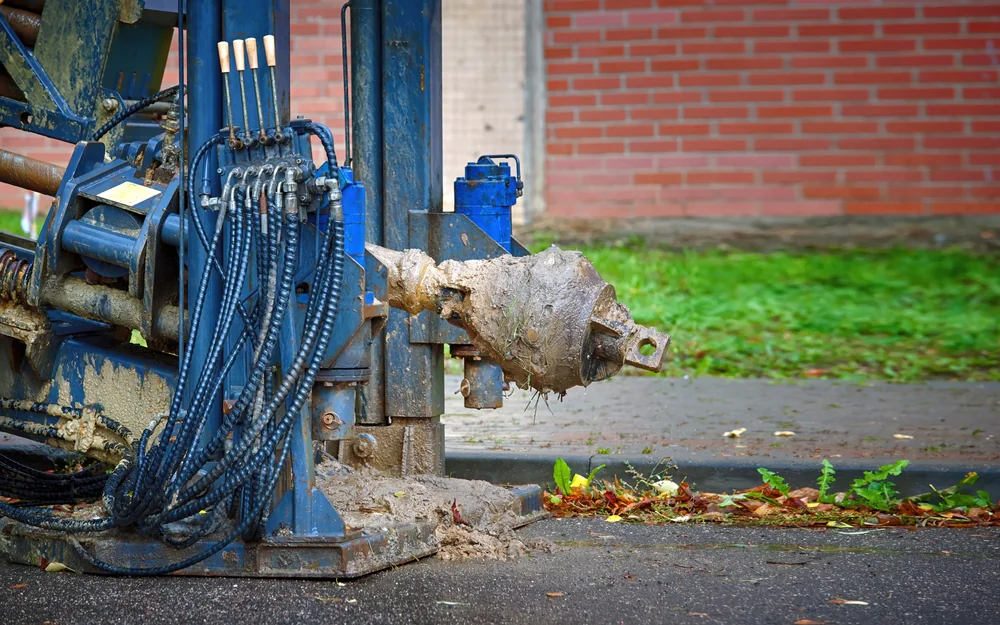
The drilling rig creates a pilot bore along the planned path. Our operator monitors depth and direction in real-time, making adjustments to avoid obstacles or follow property contours. Once the pilot bore reaches the exit point, we attach the new utility line and pull it back through the drilled path.
The entire process usually completes in 3-5 hours for standard residential installations. Longer runs or complex routing might take a full day. Either way, you’re looking at minimal disruption compared to traditional excavation that can stretch across multiple days with heavy equipment tearing up your property.
Ready to get started?
Water line directional drilling in Upper Brookville handles both new installations and replacements. If your existing water service line is aging or you’re adding a new connection point, we can install it without touching your driveway or landscaping. This matters especially during winter months when frozen ground makes traditional excavation nearly impossible and exponentially more expensive.
Trenchless gas line installation in Upper Brookville follows the same process. Natural gas lines, propane feeds, and utility connections all get routed underground with precision. The method works particularly well when you need to run lines under obstacles—paved areas, stone walls, water features, or established garden beds that would cost thousands to restore.
Electrical conduits and communication lines also benefit from directional drilling. If you’re adding landscape lighting, pool equipment, outbuilding power, or upgraded internet infrastructure, trenchless installation protects your investment in hardscaping and mature plantings. Properties in Upper Brookville often feature extensive stonework, Belgian block borders, and specimen trees that simply can’t be disturbed without significant cost and aesthetic impact.
The technology works year-round. Frozen ground doesn’t stop directional drilling the way it stops excavation. Emergency repairs get handled immediately instead of waiting for spring thaw. That responsiveness matters when you’re dealing with a service interruption that affects your home’s functionality.
The drilling itself might cost slightly more per linear foot, but your total project cost typically runs 30-50% less than traditional excavation. Here’s why that math works.
Traditional excavation requires restoration. After the utility gets installed, you’re paying to repair everything that got torn up—landscaping, lawn reseeding, driveway sections, walkways, potentially irrigation systems. Those restoration costs frequently exceed the original installation cost. On Upper Brookville properties with high-end landscaping and Belgian block driveways, restoration alone can hit $15,000-$25,000.
Trenchless methods eliminate restoration entirely. You have two small access pits that get filled and tamped. That’s it. No landscape crews. No paving contractors. No weeks of follow-up work. The installation completes faster too, which means lower labor costs overall. Most residential projects finish in a single day versus the week-long timeline traditional excavation requires.
Yes, that’s exactly what horizontal directional drilling accomplishes. Your driveway stays completely intact while we install the new water line underneath it.
We establish one access point near the street and another near your home—both positioned off the paved surface. The drilling rig creates an underground path that runs beneath your driveway at a depth that clears any base material or existing utilities. The new water line gets pulled through that path, and your driveway never gets touched.
This matters especially on Upper Brookville properties where driveways often feature premium materials—stamped concrete, pavers, exposed aggregate, or Belgian block borders. Cutting into these surfaces and attempting to match the repair creates visible seams and color differences that never quite disappear. The repair work alone can cost $8,000-$15,000 depending on the driveway length and material. Directional drilling avoids that entire problem while delivering a water line installation that lasts just as long—typically 50-100 years depending on pipe material.
Our equipment handles runs from 50 feet to 500+ feet, which covers everything from standard residential lots to multi-acre estates common throughout Upper Brookville.
Longer runs don’t present technical problems—they just require more time and sometimes intermediate access points if we’re navigating around multiple obstacles. We’ve completed installations on properties where the utility connection point sits 300+ feet from the main structure, running under driveways, through wooded areas, and around landscape features.
Property size actually makes trenchless methods more valuable, not less. The longer the run, the more landscape gets destroyed with traditional excavation, and the higher your restoration costs climb. A 200-foot trench across your property means 200 feet of lawn to reseed, irrigation to repair, and topsoil to replace. Directional drilling reduces that impact to two small pits regardless of distance. The method also handles elevation changes and curved paths better than traditional excavation, which needs straight runs and consistent depth.
Most residential installations in Upper Brookville complete in 3-5 hours. Longer runs or complex routing might extend to a full day. Either timeline beats traditional excavation by a significant margin.
Traditional methods require multiple days on site. Day one involves excavation and utility installation. Day two or three covers backfilling and initial restoration. Then you’re waiting weeks for final landscaping, reseeding, and hardscape repairs. The extended timeline means extended disruption—equipment on your property, limited access to affected areas, and ongoing noise and activity.
Trenchless work concentrates everything into a single mobilization. We arrive, set up the drilling rig, complete the installation, and demobilize the same day in most cases. The smaller crew size and contained work area means less impact on your daily routine. You’re not dealing with excavators, dump trucks, and multiple contractor visits stretched across weeks. The work happens, the equipment leaves, and your property looks virtually unchanged except for two small filled areas that blend in quickly.
Yes, and that’s one of the significant advantages over traditional excavation. Frozen ground doesn’t stop directional drilling equipment the way it stops excavators and trenchers.
When temperatures drop and frost penetrates 3+ feet deep, traditional excavation becomes extremely difficult and expensive. The ground turns concrete-hard. Equipment struggles. Labor costs spike. Many contractors won’t even attempt winter excavation, or they’ll quote prices 200-300% higher than summer rates. Then you’re stuck waiting for spring thaw while dealing with a compromised utility line.
Directional drilling equipment powers through frozen ground without the same cost multiplier. The drill bit and boring system handle soil conditions that would stop excavation equipment. This means emergency repairs get addressed immediately instead of being deferred for months. It also means planned installations can proceed on your timeline rather than waiting for ideal weather. For Upper Brookville properties where winter service interruptions can’t wait—frozen water lines, gas line issues, critical electrical feeds—trenchless methods provide year-round capability that traditional excavation simply can’t match.
Not when the work gets planned and executed properly. That’s why we start every project with utility location and site mapping before any drilling begins.
We identify existing underground infrastructure—water lines, gas lines, electrical conduits, septic systems, irrigation, cable and communication lines. This mapping informs our drilling path and depth. The boring equipment includes guidance systems that show our operator exactly where the drill head is positioned in real-time. If we encounter an unexpected obstacle, we can adjust direction or abort and reposition.
The drilling path itself is narrow—typically 3-4 inches in diameter for residential utility installations. This small footprint means we can route around landscape features rather than through them. Mature tree root systems, garden beds, water features, and hardscaping all stay undisturbed because we’re working underneath them, not excavating through them.
Compare that to traditional excavation where a 2-foot-wide trench cuts through everything in its path. Tree roots get severed. Irrigation systems get destroyed. Soil layers get mixed together. The restoration work attempts to put everything back, but you’re never quite returning to the original condition. Directional drilling avoids that disruption entirely, which is why it’s become the preferred method for high-value properties where landscape investment needs protection.
Other Services we provide in Upper Brookville