
Hear from Our Customers
You’ve spent years getting your property exactly how you want it. The lawn, the gardens, the driveway, the mature trees near the street. Traditional excavation tears all of that up, then leaves you to deal with the aftermath.
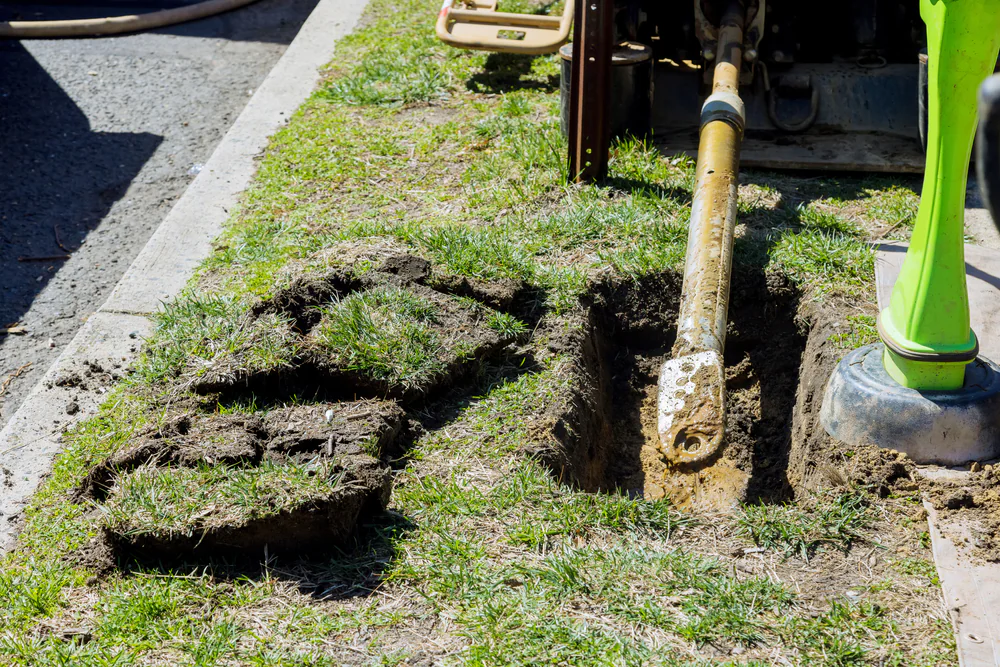
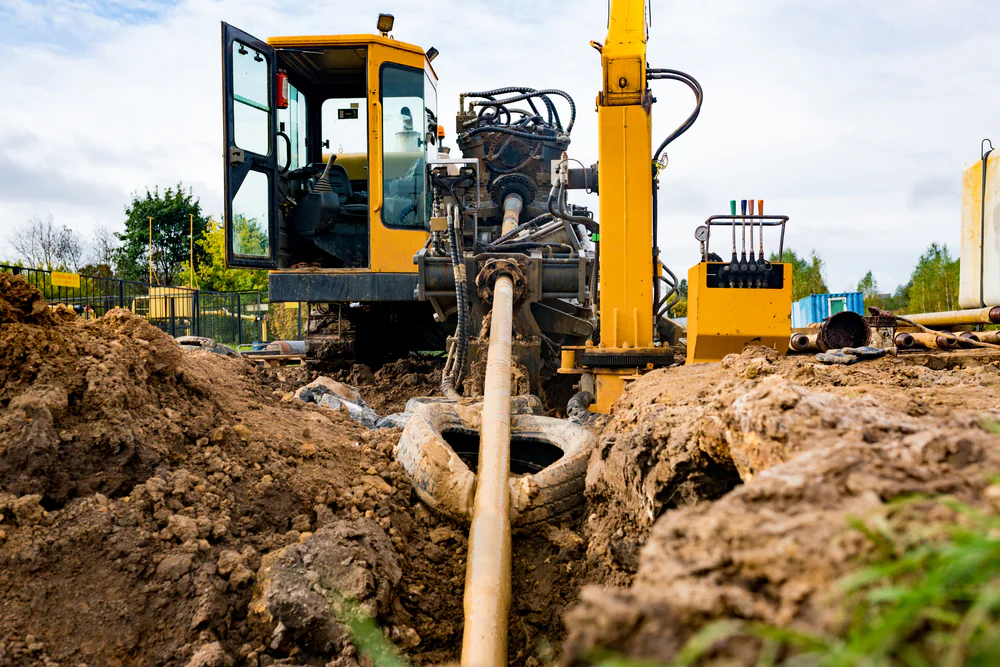
Trenchless directional drilling in Stony Brook, NY changes that equation entirely. We drill a precise path underground to install your water line, gas line, or utility connection without touching your surface. No trenches across your yard. No jackhammering through your driveway. No weeks of restoration work trying to get things back to normal.
The installation happens faster because we’re not spending days digging, hauling dirt, and rebuilding what we destroyed. You’re not paying for driveway replacement, new sod, replanting, or the labor to make your property look like it did before. The pipe goes in, the job gets done, and your property looks the same as it did when we arrived.
For properties in the Three Village area with established landscaping or homes near Stony Brook University where access is tight, this method makes projects possible that would otherwise be nightmares. You get the utility work you need without sacrificing what you’ve built.
We’ve been handling underground utility work across Long Island since 1983. That’s over 40 years of dealing with the same sandy soil conditions, high water tables, and Suffolk County regulations that affect your property in Stony Brook, NY.
We’re not subbing out the directional drilling work to someone else. Our technicians show up with the specialized equipment needed to handle your project from start to finish. You’re working directly with the people who’ve been doing this work for decades, not a middleman who farms it out.
You can verify our standing with Nassau and Suffolk County Consumer Affairs and local plumbing departments. Owner John Marra is available directly at 631-957-5023 if you have questions about whether trenchless directional drilling makes sense for your specific situation.
First, we map out the exact path for your utility line. This isn’t guesswork. We’re identifying the entry and exit points, locating existing utilities, and planning the bore to avoid obstacles like tree roots, existing pipes, or structures. In Stony Brook’s sandy soil with high groundwater, this planning phase matters more than you’d think.
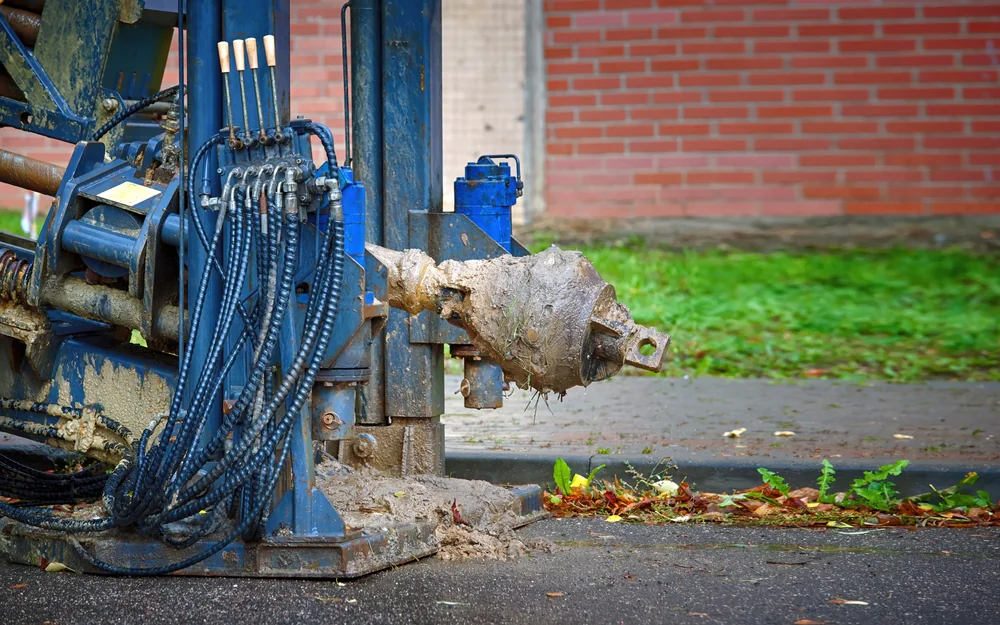
Next, we drill a pilot hole along that mapped path using our directional drilling equipment. Think of it as creating a guided tunnel underground. We’re controlling the depth, the angle, and the direction as we go. This is where the “directional” part comes in – we’re not just hoping the drill goes where we want it.
Once the pilot hole is complete, we pull the new utility line through that path. Whether you’re installing a water line without digging up your driveway or running a trenchless gas line installation under an obstacle, the pipe gets placed exactly where it needs to be. The entry and exit points are small – nothing like the long trenches traditional methods require.
After the line is in place and connections are made, we restore those small access points. You’re looking at minimal disruption compared to open-cut trenching that would have left your property torn up for days or weeks.
Ready to get started?
Long Island’s soil conditions create specific challenges. Sandy soil drains quickly but doesn’t provide the same stability as other soil types. The high water table in areas like Stony Brook means groundwater can interfere with traditional excavation and proper utility installation.
Horizontal directional drilling in Stony Brook, NY addresses these issues by working with the soil conditions instead of fighting them. The bore path can be adjusted in real-time to account for what we’re encountering underground. We’re not locked into a trench that might hit unexpected groundwater or unstable soil.
The cost comparison matters too. Yes, trenchless directional drilling services have higher upfront equipment costs than someone showing up with a backhoe. But you’re not paying to repave your driveway, replace landscaping, haul away and bring in dirt, or spend weeks on restoration. When you add up the real project costs, directional drilling often saves you money.
For properties with mature landscaping, paved surfaces, or limited access, this method makes installations possible without destroying what you’ve invested in. You’re protecting the value of your property while still getting the utility work done right. That’s the actual benefit of trenchless directional drilling – results without the collateral damage.
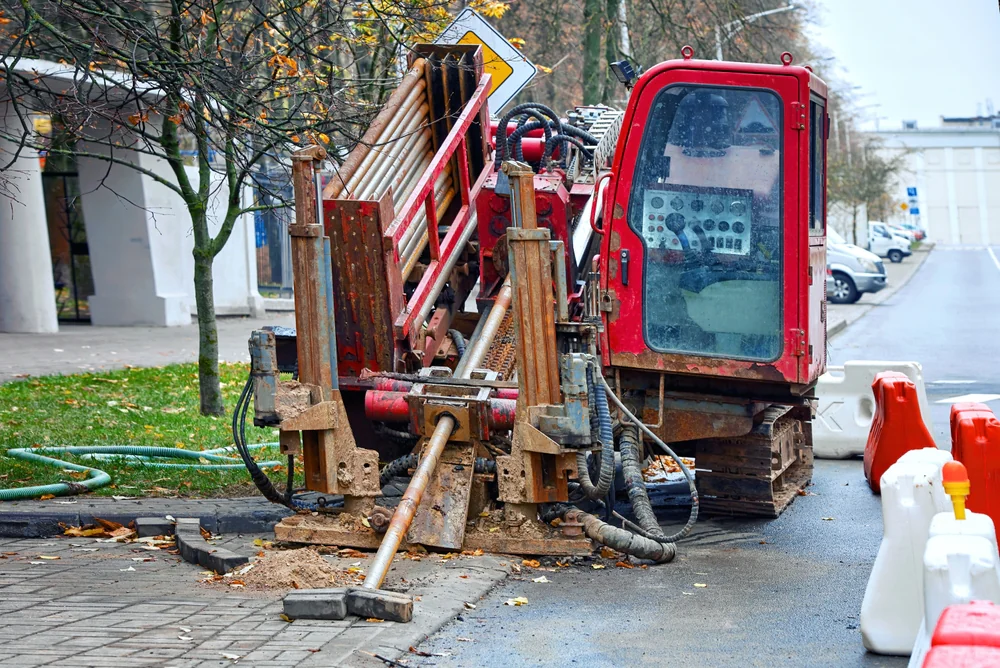
The equipment and expertise for directional drilling cost more upfront than traditional digging. You’re paying for specialized technology and operators who know how to use it. That’s the reality.
But here’s what changes the math: you’re not paying for surface restoration. No driveway replacement running $3,000-$8,000. No new landscaping, sod, or replanting that adds thousands more. No hauling dirt in and out. When you total the actual project cost including restoration, directional drilling often comes out ahead – sometimes significantly.
The other factor is time. Traditional excavation might take a week or more when you include digging, installation, backfill, and restoration. Directional drilling can often be completed in a day or two. If you’re a business or dealing with a rental property, that downtime has a dollar value too.
Yes. That’s exactly what trenchless directional drilling was designed to handle. We create small entry and exit points on either side of your driveway, then drill a path underneath it to pull the water line through.
Your driveway stays intact. No jackhammering through concrete or asphalt. No repaving afterward. The access points we create are minimal and get restored once the line is in place.
This works for driveways, walkways, patios, or any paved surface you don’t want destroyed. It also works for installing lines under obstacles like roads, existing structures, or areas where traditional trenching would be impossible or extremely expensive. The drill path goes under the obstacle instead of through it.
Most residential installations are completed in one to two days, depending on the distance and complexity. That includes the bore, pulling the line through, making connections, and restoring the small access points.
Compare that to traditional excavation, which might take a week or more when you factor in digging the trench, installing the line, backfilling, and then all the restoration work to repair what got torn up. You’re also dealing with your property being a construction zone for that entire period.
The timeline can vary based on what we encounter underground, the length of the run, and soil conditions. But the general advantage holds: directional drilling is faster because we’re not spending most of the project on demolition and restoration. We’re focused on the actual installation.
Yes, and in some ways it works better than traditional methods in these conditions. Sandy soil and high groundwater are exactly why directional drilling makes sense for Long Island properties.
With traditional trenching in sandy soil, you’re dealing with trench walls that don’t hold their shape, groundwater seeping in, and the need for extensive shoring or dewatering. It’s messy, time-consuming, and expensive. The trench becomes a management problem on top of the actual utility installation.
Directional drilling avoids those issues. We’re creating a controlled bore path at the depth we need, and we’re not opening up a long trench that exposes groundwater or unstable soil. The method is designed to work in challenging soil conditions – that’s part of why it exists. After 40 years working in Nassau and Suffolk Counties, we know what to expect from Long Island soil and how to adjust the bore plan accordingly.
Water lines, gas lines, electrical conduit, telecommunications cables, and sewer connections can all be installed using trenchless directional drilling in Stony Brook, NY. The method works for various pipe materials and sizes depending on what your project requires.
Water line directional drilling is common for new service connections or replacements where you want to avoid tearing up landscaping or paved surfaces. Trenchless gas line installation follows the same principle – getting the line where it needs to be without surface disruption.
The key factor is whether there’s a clear path from point A to point B that we can bore. If you need a utility line run under an obstacle, across your property without destroying the surface, or in an area where traditional trenching would be impractical, directional drilling is likely the right approach. We can assess your specific situation and tell you whether it makes sense for what you’re trying to accomplish.
If you have landscaping, hardscaping, or paved surfaces you don’t want destroyed, directional drilling makes sense. If the utility line needs to go under an obstacle like a driveway, road, or existing structure, directional drilling is often the only practical option.
Traditional excavation might be fine if you’re working in an open area with no surface improvements, easy access, and no obstacles in the way. It’s simpler and the upfront cost is lower. But the moment you’re dealing with established landscaping, tight access, or surfaces that would need expensive restoration, the equation changes.
Call us at 631-957-5023 and describe what you’re dealing with. We’ll tell you honestly whether directional drilling is the right approach for your situation or if traditional methods would work better. After four decades doing this work in Stony Brook and across Long Island, we know which method makes sense for which projects.
Other Services we provide in Stony Brook