
Hear from Our Customers
Your lawn stays green. Your driveway stays paved. Your landscaping stays exactly where it is.
Trenchless directional drilling in Shoreham, NY means utility lines go in underground without the destruction that comes with traditional trenching. No backhoes tearing through your yard. No weeks of restoration work. No surprise bills for replanting shrubs or repaving asphalt.
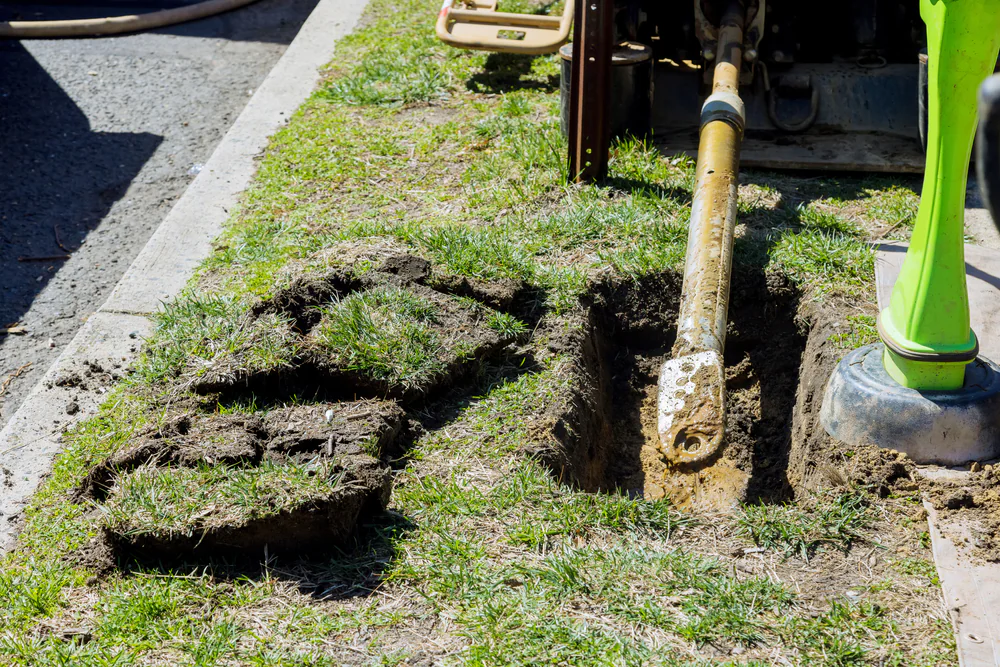
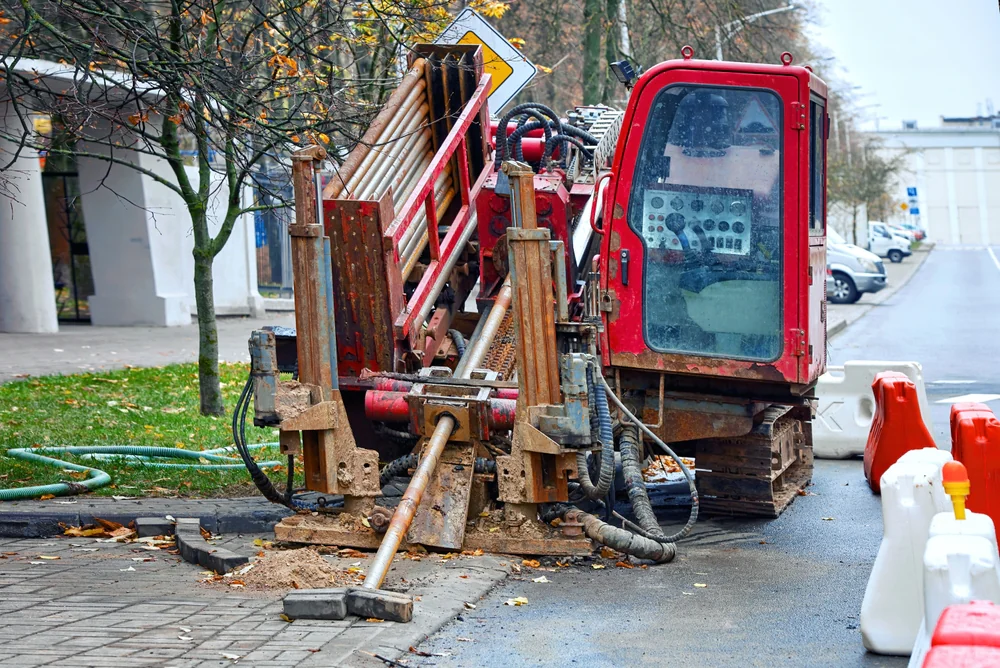
The drill creates a precise path beneath the surface. We pull the new pipe through. You’re left with two small access points instead of a 100-foot trench cutting across your property.
This matters when you’re dealing with established landscaping, concrete patios, or driveways you don’t want to replace. It also matters in winter when frozen ground turns a standard dig job into a nightmare of cost and delay. Trenchless methods bypass that problem entirely.
You get faster completion, lower restoration costs, and a property that looks the same when we leave as it did when we arrived.
We’ve been handling trenchless directional drilling services in Shoreham, NY and across Long Island since 1983. That’s over 40 years working with the soil conditions, infrastructure challenges, and property layouts specific to this area.
We’re family-owned, which means the people running the business have been doing this work themselves. We’re not a franchise following a manual. We’ve seen what works in Suffolk County’s sandy soil, clay pockets, and rocky terrain.
Shoreham properties often sit on lots with mature landscaping and established hardscaping. You don’t want a crew ripping through that to replace a water service line. We use horizontal directional drilling to thread new pipes under obstacles, preserving what you’ve built while upgrading what’s underground.
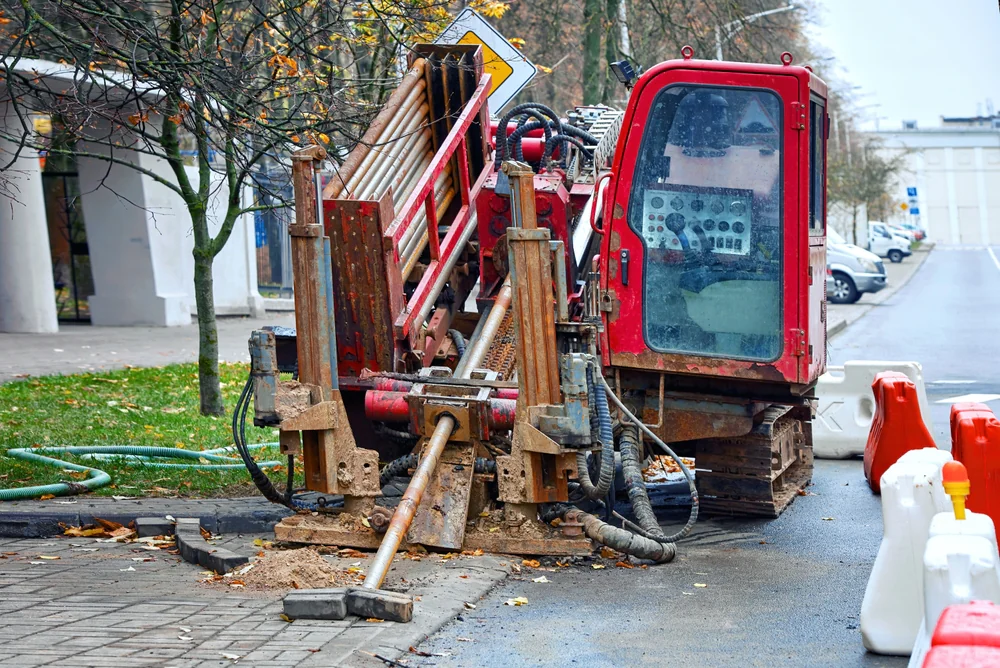
We start with a site assessment. That means locating existing utilities, identifying the entry and exit points, and mapping the bore path. You’ll know exactly where we’re drilling and why before equipment shows up.
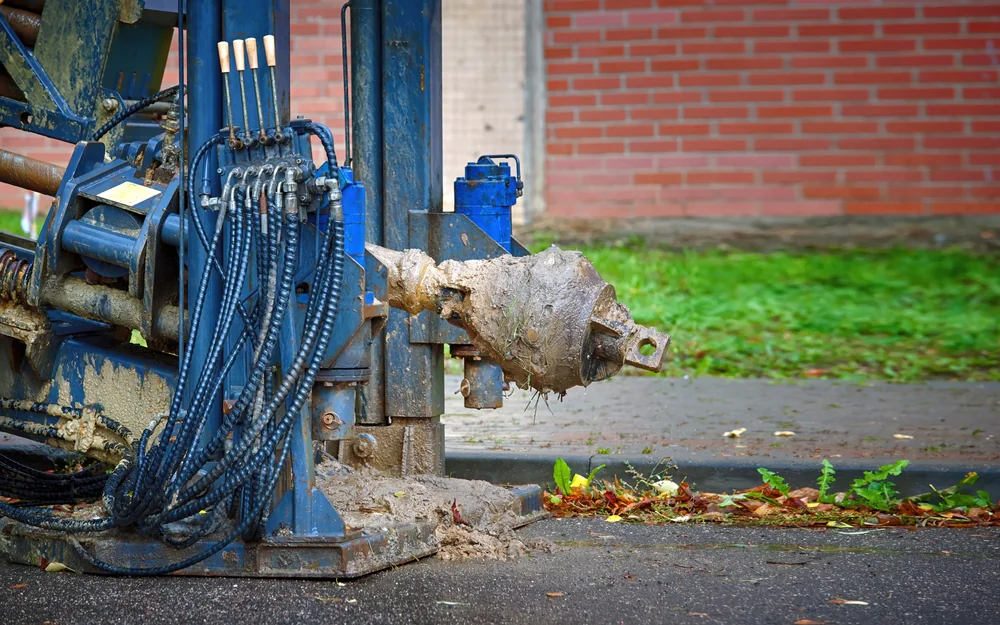
Next, we drill a pilot hole along the planned route using a steerable drill head. This creates a small, precise path underground. Real-time tracking keeps the drill on course, avoiding obstacles and staying at the correct depth.
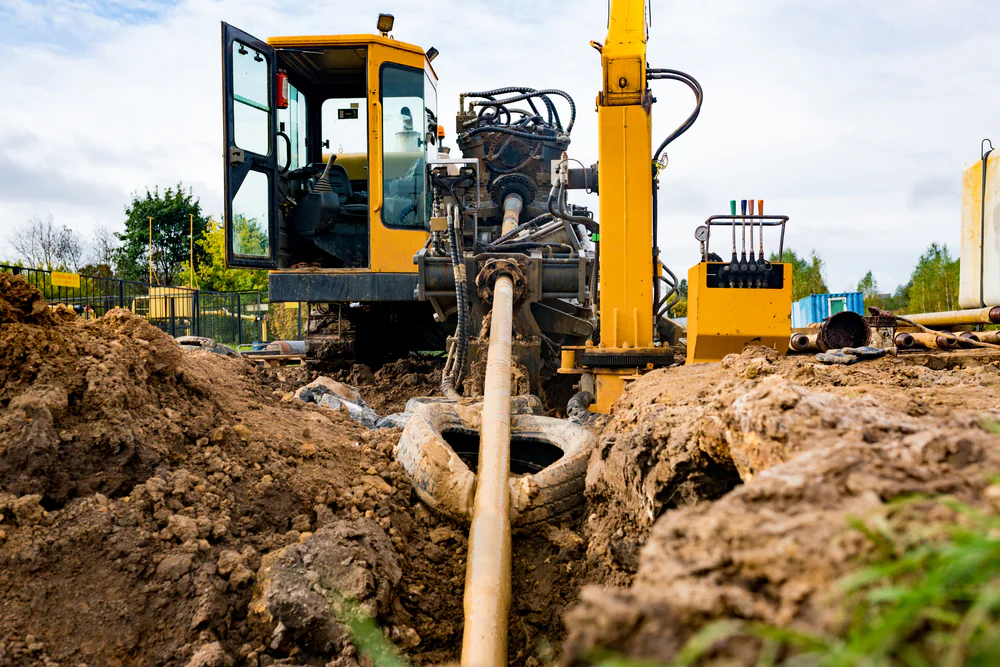
Once the pilot hole is complete, we attach a reamer to widen the path to the diameter needed for your new pipe. The reamer pulls the pipe into place as it moves back through the bore. This happens in one continuous process.
Finally, we connect the new line at both access points, test for leaks and proper flow, and backfill the small entry and exit holes. The entire installation typically wraps up in a day or two, depending on distance and soil conditions. Your driveway, lawn, and landscaping remain untouched throughout.
Ready to get started?
You’re getting a complete utility installation without the excavation. That includes water line directional drilling in Shoreham, NY for service replacements, trenchless gas line installation in Shoreham, NY for new or upgraded lines, and sewer line boring when your main needs replacement.
Most homes in Shoreham were built decades ago. Many still have galvanized steel or outdated piping that’s corroding from the inside. When those lines fail, you’re looking at either digging up your driveway or using directional drilling to install a new line underneath it.
Long Island soil adds complications. Sandy areas shift after heavy rain. Clay holds water and puts pressure on pipes. Freeze-thaw cycles crack joints. Traditional trenching through these conditions takes longer and costs more, especially in winter when frost lines reach three feet deep.
Horizontal directional drilling in Shoreham, NY handles those challenges without fighting the ground. The drill goes under frozen soil, around tree roots, and beneath driveways. You avoid the restoration costs that often double the price of a traditional dig job. You also avoid the downtime—most trenchless projects finish faster because there’s no excavation or backfill process eating up days.
Costs typically range from $15 to $50 per foot for residential projects in Shoreham, NY, depending on the pipe diameter, soil conditions, and distance. A standard 100-foot water service replacement might run $1,500 to $5,000, while longer or more complex installations cost more.
That might sound higher than traditional trenching upfront. But trenching doesn’t include the cost of repaving your driveway, replacing landscaping, or repairing irrigation systems that get destroyed in the process. Those restoration expenses often add thousands to the final bill.
Trenchless methods eliminate most of that. You’re paying for the installation itself, not the aftermath. When you factor in the total cost—including what you’d spend fixing everything a backhoe tears up—directional drilling usually comes out cheaper. It’s also faster, which means less disruption to your property and daily routine.
Yes. That’s exactly what trenchless directional drilling does. We create two small access points—one on each side of your driveway—and drill a path underneath. The new water line gets pulled through the bore without touching the asphalt or concrete above.
This matters when your water service line runs under a paved driveway, stamped concrete patio, or brick walkway. Traditional methods require cutting through those surfaces, removing the old pipe, laying the new one, and then repaving. You’re left with a visible patch that never quite matches the original.
Directional drilling skips all of that. Your driveway stays intact. No saw cutting, no asphalt removal, no waiting weeks for a paving crew to come back and finish the job. The work happens underground, and when we’re done, the only evidence is two small holes at the edges of your property that get backfilled and tamped down.
Most residential projects in Shoreham, NY finish in one to two days. That includes site prep, drilling the bore, installing the new pipe, and connecting everything at both ends. Longer runs or difficult soil conditions might add time, but you’re still looking at a fraction of what traditional trenching requires.
Traditional excavation can stretch into a week or more once you account for digging, pipe installation, backfill, compaction, and restoration work. Then you’re waiting on separate crews to repave, reseed, or replant. The timeline drags out, and your property sits torn up the entire time.
Trenchless methods condense that process. The drilling itself often takes just a few hours. Connections and testing add another few hours. You’re not dealing with piles of dirt, open trenches, or equipment sitting on your lawn for days. The crew shows up, completes the work, and clears out quickly.
Yes. Frozen ground is actually one of the biggest reasons to choose trenchless directional drilling in Shoreham, NY during winter months. When frost lines reach three feet deep, traditional excavation becomes expensive and time-consuming. The ground turns rock-hard, equipment struggles, and labor costs spike.
Directional drilling bypasses the frozen surface entirely. The drill works underground where temperatures stay more stable. You’re not fighting frozen soil with a backhoe or waiting for a thaw to continue work. The process stays consistent regardless of surface conditions.
This is a major advantage for emergency water line replacements or gas line installations that can’t wait until spring. Long Island winters can be unpredictable, and frozen ground often lasts weeks. Trenchless methods keep projects moving when traditional digging would stall out or cost two to three times the normal rate.
We install water service lines, sewer mains, gas lines, electrical conduit, and fiber optic cable using trenchless directional drilling in Shoreham, NY. The method works with HDPE (high-density polyethylene), PVC, ductile iron, and copper piping, depending on what your project requires and local code specifications.
HDPE is common for water and sewer because it’s flexible, durable, and resistant to corrosion. It also handles the pulling forces involved in directional drilling without cracking or deforming. PVC works well for certain applications, though it’s less flexible than HDPE. Gas lines often use PE (polyethylene) pipe rated for natural gas service.
The diameter matters too. Residential projects typically involve pipes ranging from 3/4-inch to 4-inch diameter. Larger commercial or municipal lines go up to 12 inches or more. The drilling equipment adjusts to match the pipe size, and the reamer widens the bore to create enough space for installation without damaging the pipe during the pull-through process.
Not if it’s done correctly. Before drilling starts, we locate all existing utilities using ground-penetrating radar, utility maps, and call-before-you-dig services. That includes electric, gas, water, sewer, cable, and phone lines. The bore path gets planned to avoid those obstacles.
Tree roots get similar consideration. Large root systems show up during site assessment, and we adjust the drill path to go around them when possible. The drill itself is steerable, which means the operator can change direction mid-bore to avoid unexpected obstacles. Real-time tracking shows exactly where the drill head is at all times.
That said, some root contact is unavoidable in heavily wooded areas. The drill will cut through smaller roots without harming the tree. Larger structural roots get avoided. This is still far less disruptive than trenching, which severs roots across the entire length of the excavation and can destabilize mature trees. Directional drilling creates a single narrow path instead of a wide trench, minimizing root disturbance and keeping your landscaping healthy.
Other Services we provide in Shoreham