
Hear from Our Customers
Your property stays intact. That’s the short version.
The longer version: when you need a new water line, gas line, or utility connection installed, traditional excavation means tearing up your driveway, ripping through landscaping, and spending days dealing with equipment, noise, and a yard that looks like a construction zone. Then comes the restoration costs. In Shelter Island Heights, where property values average over $1 million, that’s not just inconvenient—it’s expensive.
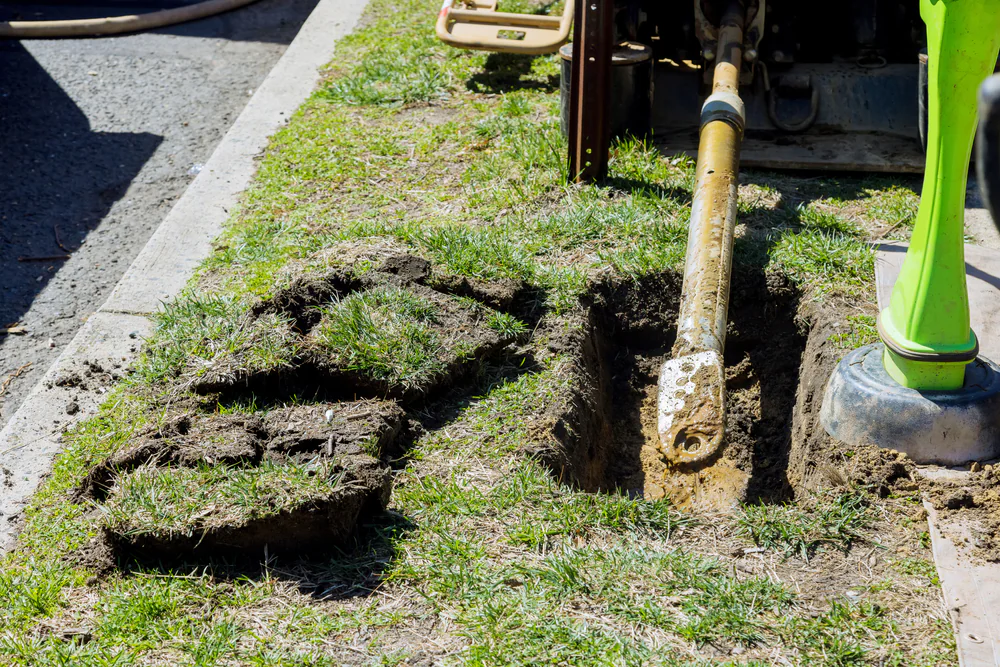
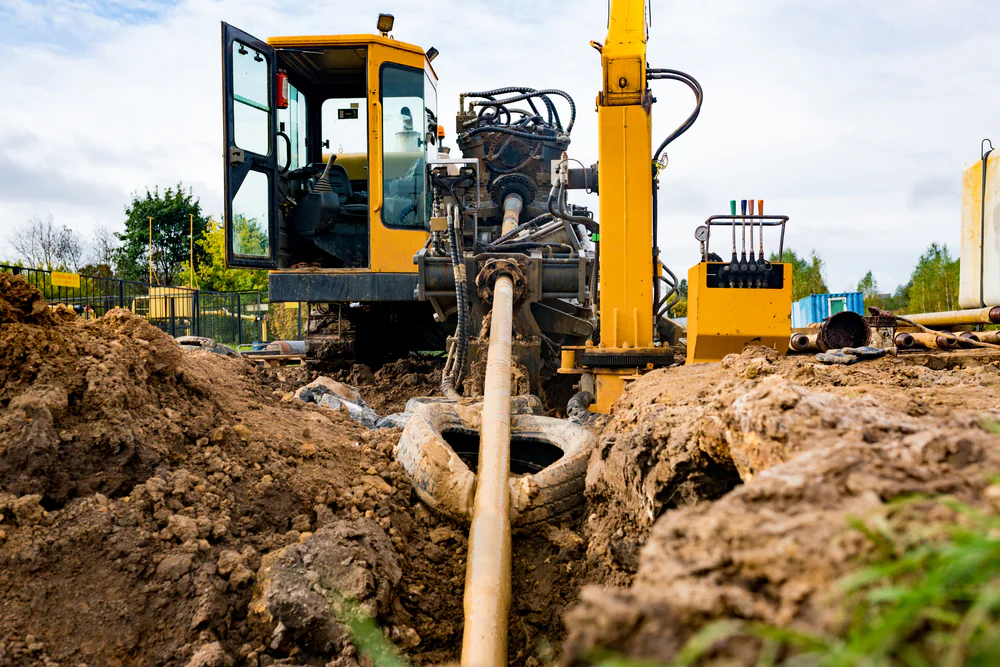
Horizontal directional drilling in Shelter Island Heights, NY changes that. We bore underground pathways using specialized equipment that installs pipes beneath driveways, walkways, gardens, and even roads without disturbing the surface. The entry and exit points are small. The disruption is minimal. Your landscaping doesn’t get destroyed, your driveway doesn’t need repaving, and the project wraps up faster than traditional dig-and-replace methods.
You also avoid most of the permitting headaches that come with open-cut excavation. Fewer permits mean less waiting and fewer approval hoops to jump through. For properties near environmentally sensitive areas or existing utilities, trenchless methods reduce risk and keep projects moving.
The result: functional infrastructure installed with a fraction of the mess, time, and cost.
We’ve served Nassau and Suffolk counties for over 40 years. We’re a family-owned operation, which means when you call, you’re talking to people who’ve built their reputation on doing the work right—not a call center three states away.
We know Shelter Island Heights. We understand the seasonal population shifts, the mix of year-round residents and second-home owners, and the expectation that work gets done without turning a quiet neighborhood into a job site spectacle. That matters when you’re coordinating utility work in a tight-knit community where reputation travels fast.
Licensed and insured throughout the region, we handle everything from emergency water main repairs to planned utility installations. We’ve seen what works and what doesn’t, and we’ve invested in trenchless technology because it’s what makes sense for properties like yours.
First, we assess your property and map out the path for the new utility line. This includes locating existing underground utilities—water, gas, electric, sewer—so we don’t hit anything we shouldn’t. That’s not optional. It’s how we avoid problems before they start.
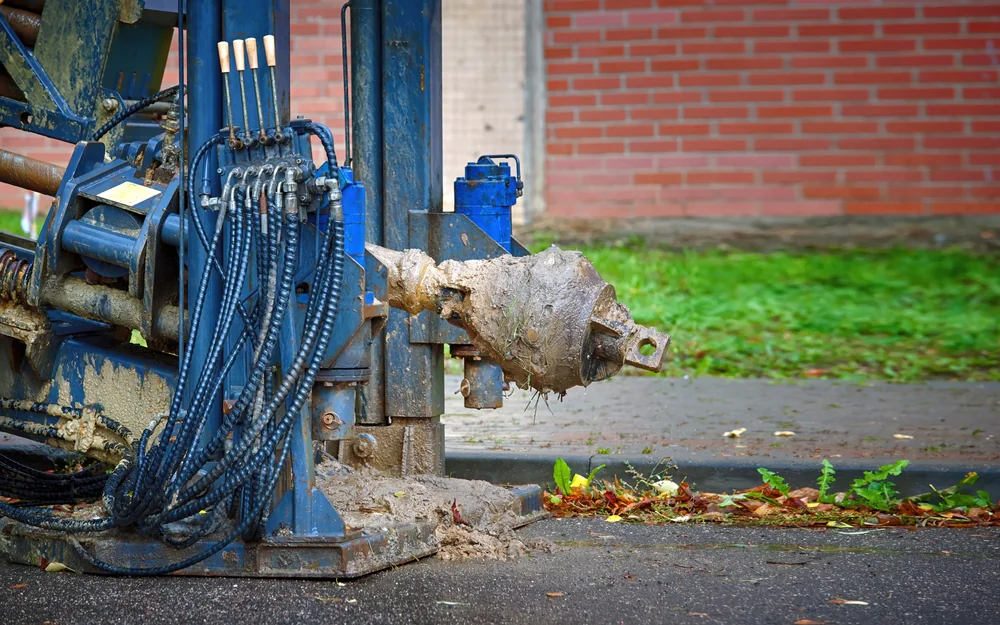
Next, we set up the directional drilling equipment. We create a small entry point where the boring machine starts and an exit point where it finishes. The machine uses a steerable drill head that we guide underground along the planned route. If it encounters an obstruction—a rock, an old pipe, tree roots—we adjust the path in real time. That’s the advantage of directional control.
Once the pilot bore is complete, we pull the new pipe through the drilled pathway. Depending on what you’re installing—water line, gas line, conduit—the pipe gets connected at both ends and tested for pressure and integrity. Then we backfill the small access points, clean up, and you’re done.
The whole process typically takes a day or two, depending on distance and soil conditions. Compare that to traditional trenching, which can stretch into a week or more once you factor in excavation, pipe installation, backfill, compaction, and surface restoration.
You’re not waiting around for your driveway to get repaved or your lawn to recover. The work gets done, and your property looks the same as it did before we arrived.
Ready to get started?
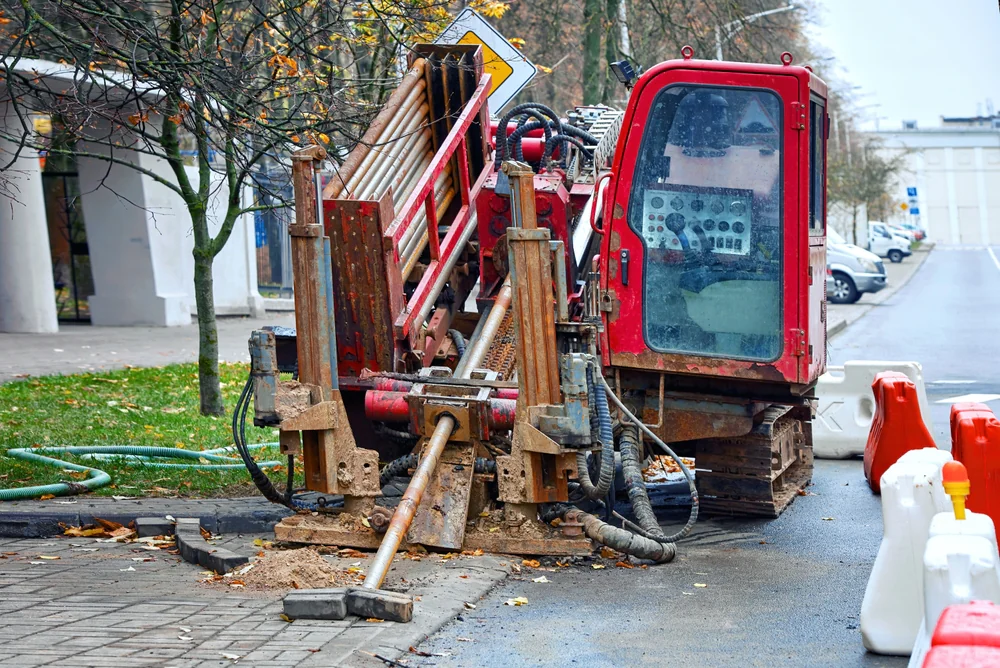
We handle trenchless directional drilling services in Shelter Island Heights, NY for residential and commercial properties. That includes water line installations when your existing service line is failing or you’re adding a new connection. It includes trenchless gas line installation in Shelter Island Heights, NY when you’re converting to natural gas or replacing old, corroded lines.
If you need to install a water line without digging up your driveway in Shelter Island Heights, NY, this is the method that makes it possible. Same goes for running utilities under landscaped areas, patios, or anywhere else you’d rather not excavate.
Shelter Island’s seasonal population swings mean many property owners want work done during the off-season when they’re not hosting guests or dealing with summer traffic. Trenchless methods make that easier because the timeline is shorter and the disruption is contained. You’re not left with a torn-up yard for weeks waiting for contractors to finish restoration work.
We also handle projects near water or environmentally sensitive zones, where traditional excavation would require additional permits and environmental reviews. Trenchless drilling minimizes ground disturbance, which keeps regulatory requirements simpler and projects on schedule.
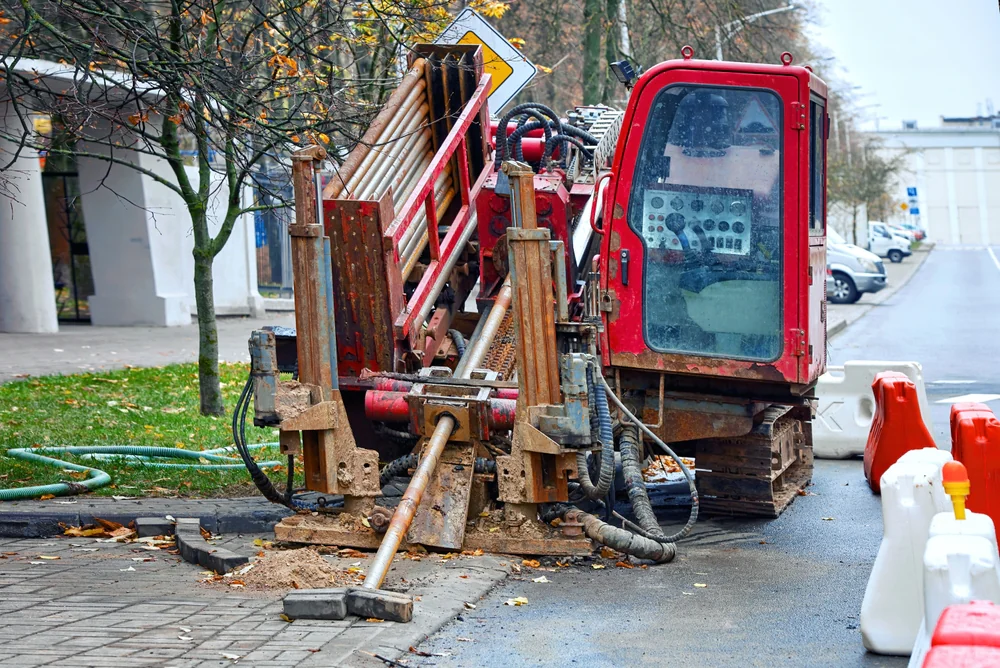
Upfront, trenchless directional drilling in Shelter Island Heights, NY can cost more per linear foot than open-cut trenching. But that’s only part of the equation.
Traditional excavation requires restoration. You’re paying to repave driveways, replace landscaping, resod lawns, and repair any collateral damage to irrigation systems or hardscaping. Those costs add up fast, especially in Shelter Island Heights where property features aren’t cheap to replace. When you factor in restoration, trenchless methods often come out even or ahead.
You also save time. Shorter project timelines mean less disruption to your routine and, for commercial properties, less impact on business operations. If you’re a seasonal resident, getting a project done in days instead of weeks means you’re not dealing with construction during your time on the island.
The real value is in what you don’t lose: your driveway, your landscaping, and your peace of mind.
Yes. That’s exactly what trenchless directional drilling is designed to do.
We bore underneath the driveway at a depth that avoids disturbing the surface or the base layers. The entry and exit points are small—usually just wide enough to accommodate the drilling equipment and the pipe being installed. Once the pipe is in place and the access points are backfilled, your driveway remains intact.
This works for asphalt, concrete, pavers, and gravel driveways. It also works under walkways, patios, pool decks, and other hardscaping that would be expensive or time-consuming to remove and replace.
If your property has a long driveway or multiple paved areas between the street connection and your home, trenchless methods save you from a major restoration project. You’re not waiting for concrete to cure or asphalt to be laid and compacted. The surface stays untouched.
Most residential projects take one to two days from start to finish. That includes site assessment, utility locating, drilling, pipe installation, and cleanup.
Longer runs or more complex routes—like installations that need to navigate around multiple existing utilities or work through difficult soil conditions—can take a bit longer. But even then, you’re looking at days, not weeks.
Compare that to traditional excavation, where you’re dealing with trenching, shoring (if needed), pipe installation, backfill, compaction, and then surface restoration. Each of those steps takes time, and weather delays can stretch the timeline even further. Trenchless work is less vulnerable to weather-related slowdowns because there’s no open trench to manage.
For property owners in Shelter Island Heights who want to minimize disruption, especially during peak season, the shorter timeline is a significant advantage.
Directional drilling works in most soil types, including clay, sand, gravel, and mixed soils. It also works in rocky conditions, though the equipment and approach may need to be adjusted depending on what we encounter underground.
Shelter Island’s soil conditions vary, but the technology is adaptable. If we hit bedrock or a large obstruction, the steerable drill head allows us to adjust the path without abandoning the project or switching to excavation. That’s one of the key advantages of horizontal directional drilling—you’re not locked into a fixed path the way you are with traditional trenching.
Wet or saturated soils can sometimes slow progress, but they don’t stop it. We account for ground conditions during the planning phase and adjust our approach accordingly.
The bottom line: if you’ve been told your property isn’t suitable for trenchless methods, it’s worth getting a second opinion. Most ground conditions that seem challenging are actually manageable with the right equipment and experience.
Landscaping damage is minimal because we’re not excavating. The only surface disturbance comes from the small entry and exit points, which are backfilled and restored once the pipe is installed. Your lawn, garden beds, and plantings stay intact.
As for existing utilities, we locate everything before we start drilling. That includes water lines, gas lines, electric, sewer, phone, cable, and anything else that’s underground. We use utility locating services and ground-penetrating technology to map out what’s below the surface, and the steerable drill head allows us to navigate around those obstacles.
Hitting an existing utility isn’t just inconvenient—it’s expensive and potentially dangerous. That’s why we don’t skip the locating step, and that’s why we use equipment that gives us directional control throughout the bore.
If your property has a lot of underground infrastructure—common in established neighborhoods—trenchless methods are often safer than excavation because we’re not exposing and working around live utilities in an open trench.
Permit requirements depend on what you’re installing and where. In general, trenchless directional drilling requires fewer permits than traditional excavation because there’s less surface disturbance and less impact on roads, sidewalks, and public right-of-ways.
You’ll still need permits for the utility work itself—installing a new water service line or gas line requires approval from the local utility authority and compliance with building codes. But you’re less likely to need additional permits for road cuts, traffic control, or environmental reviews that often come with open-cut excavation projects.
We handle permit coordination as part of the project. We know what’s required in Shelter Island Heights and Suffolk County, and we make sure everything is filed and approved before work begins. You’re not left navigating the permitting process on your own or dealing with delays because something wasn’t submitted correctly.
If your project is near wetlands, water bodies, or other environmentally sensitive areas, trenchless methods can actually simplify the approval process because they minimize ground disturbance and environmental impact.
Other Services we provide in Shelter Island Heights