
Hear from Our Customers
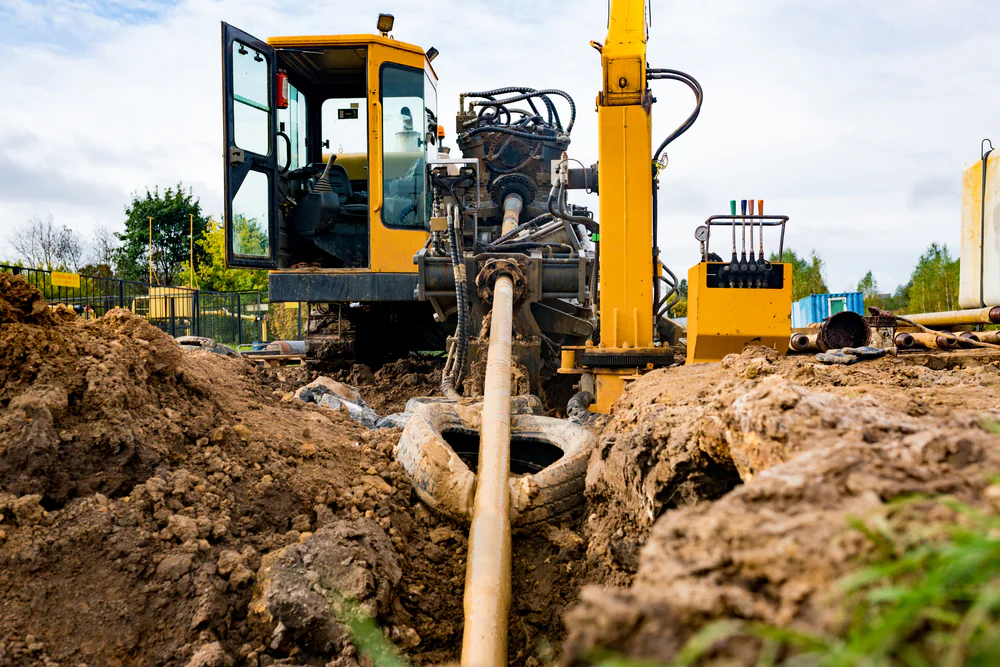
You’ve probably seen it before. A crew tears up half a yard to run a new water line. The driveway gets jackhammered. Landscaping that took years to establish gets destroyed in an afternoon. Then you’re left dealing with restoration costs that weren’t in the original quote.
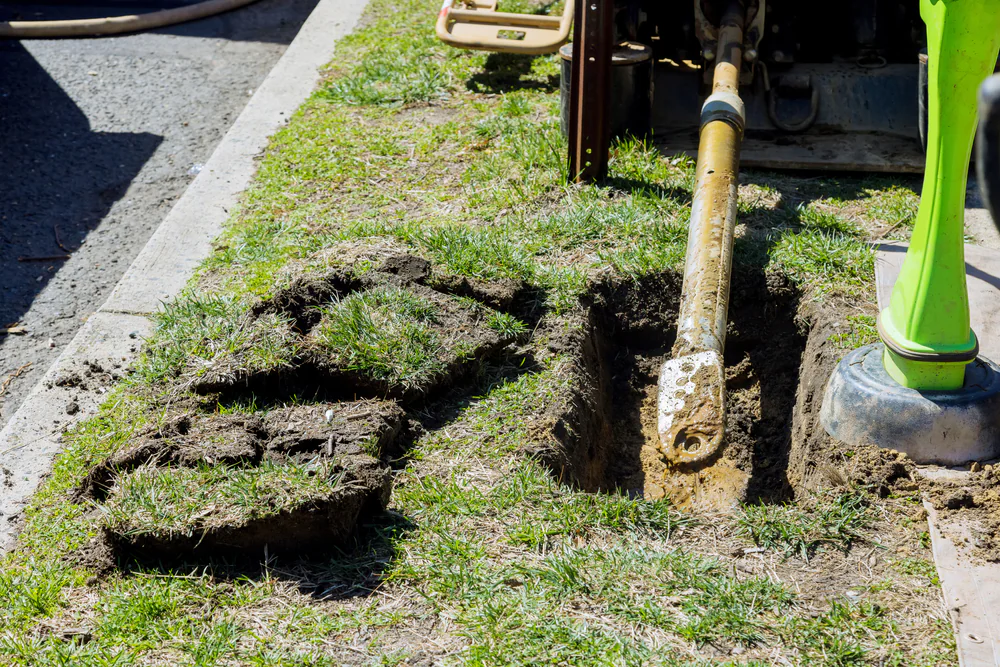
Trenchless directional drilling services in Riverside, NY eliminate that entire problem. The equipment creates a precise underground path for your utility lines without surface disruption. Your grass, trees, pavers, and concrete stay exactly as they are.
The installation happens faster too. What used to take days of digging, pipe laying, and backfilling now gets completed in hours. You’re not dealing with construction debris, soil piles, or blocked driveways. The work gets done, the crew leaves, and your property looks the same as it did before we arrived.
Allied All City has operated as a family-owned business since 1983. We’ve handled thousands of utility installations across Long Island, including extensive work throughout Riverside and surrounding Nassau County communities.
Our crews know the local soil conditions, understand municipal requirements, and have the equipment to handle installations ranging from 50 feet to over 900 feet. We’re not learning on your property. We’ve been doing this work in your area for over 40 years.
Riverside properties often feature mature landscaping and established hardscaping that homeowners have invested significantly in over time. We understand what’s at stake when utility work needs to happen, which is why our approach prioritizes preservation from the start.
The process starts with locating existing utilities. We use hydro-excavation and utility locating equipment to map out what’s already underground. This prevents damage to existing lines and ensures we’re drilling in a safe path.
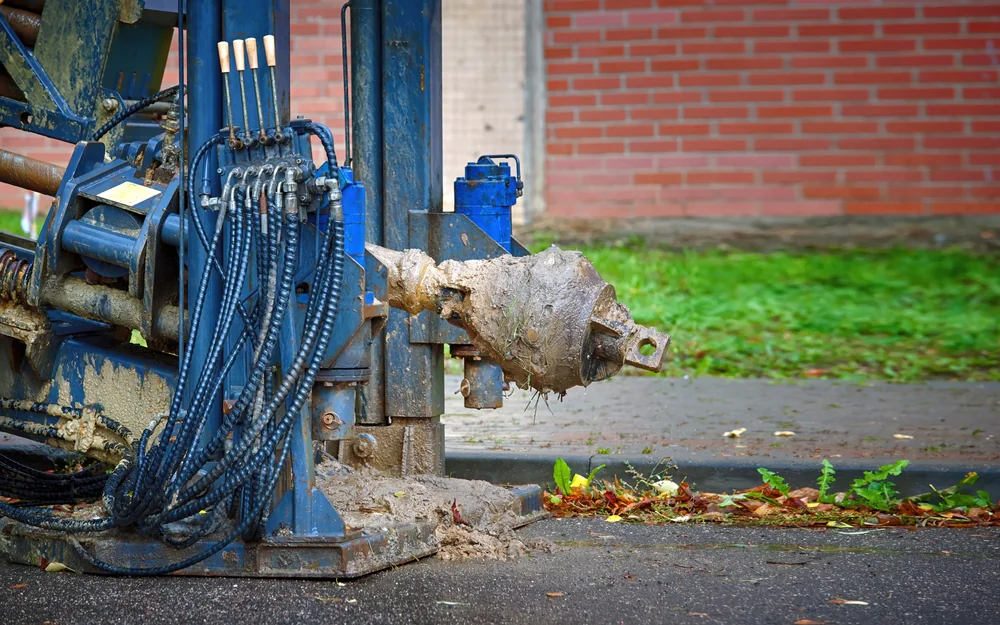
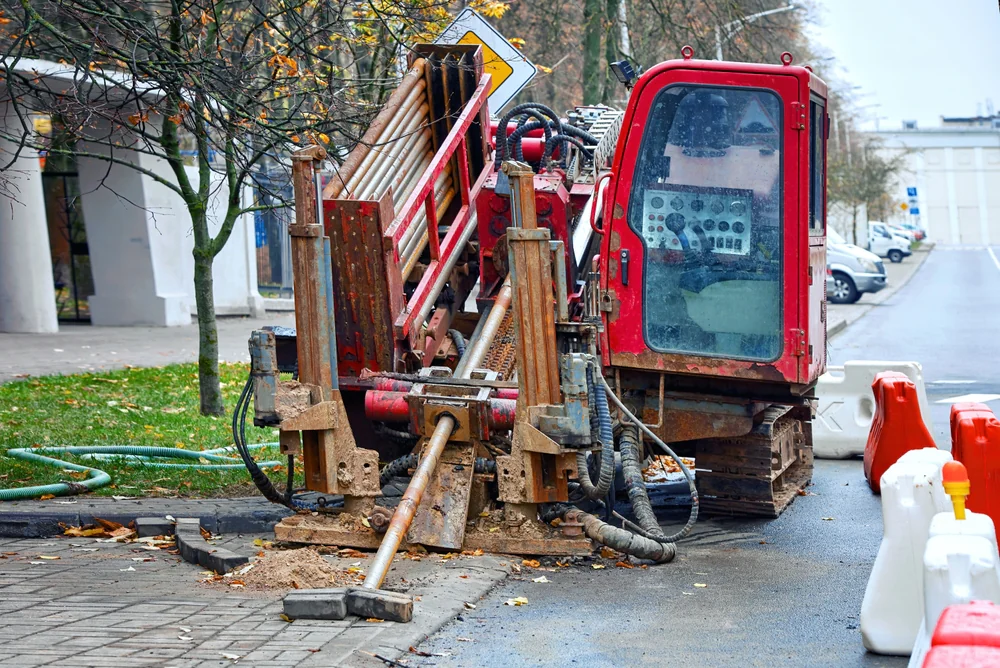
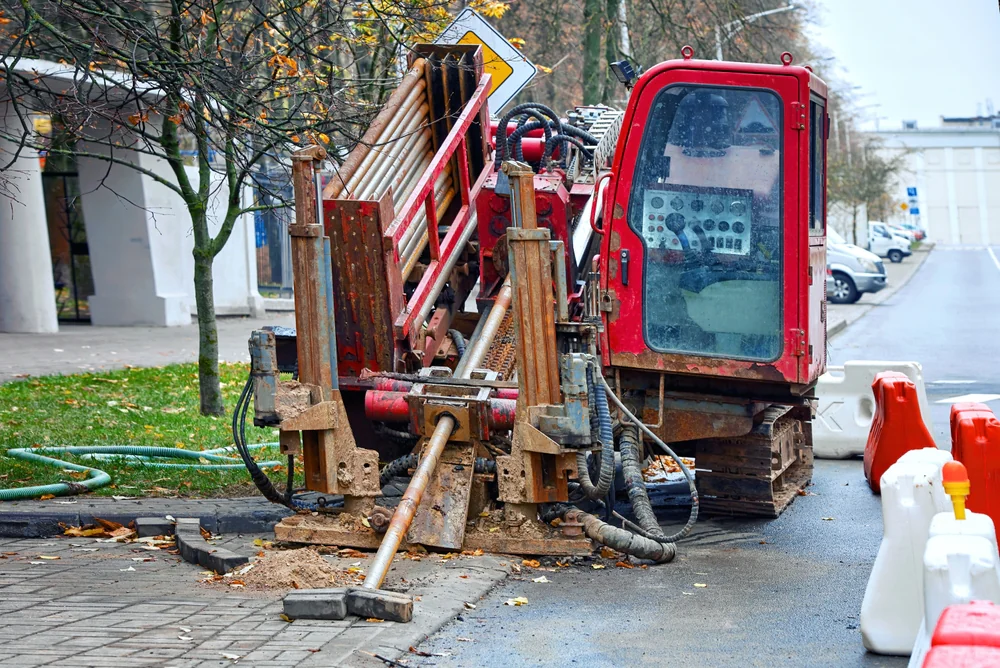
Next, we set up the directional drilling rig at the entry point. The drill head creates a pilot bore along the planned path, using a guidance system to maintain the correct depth and direction. This technology allows us to navigate around obstacles and even create curved paths when needed.
Once the pilot bore is complete, we attach a reamer to widen the path to the diameter needed for your new utility line. The pipe gets pulled through in the same pass. Whether you’re installing copper, poly, or HDPE, the process adapts to the material and diameter required.
The entire operation typically completes in a single day for residential installations. You’ll have two small access points where the drill enters and exits, but no trenches, no excavation, and no property damage in between.
Ready to get started?
Trenchless directional drilling in Riverside, NY handles water line installations, sewer connections, gas lines, and electrical conduit. The method works for new construction where utilities need to reach a building for the first time, and for replacement projects where old lines have failed.
Many Riverside properties sit on lots with established features that make traditional excavation impractical. Driveways, patios, mature trees, and landscaping beds create obstacles that would require significant disruption with conventional digging. Directional drilling navigates under all of these without touching the surface.
The technology also solves access problems. If your utility connection needs to cross under a road, sidewalk, or neighboring property line, directional drilling creates the path without disturbing those surfaces. This capability often makes projects possible that would otherwise require extensive permits and restoration work.
Long Island’s soil conditions vary significantly, from sandy areas to heavy clay. Our equipment handles these variations, and our crews adjust the drilling approach based on what we encounter. You’re getting an installation method that adapts to your specific site conditions rather than forcing a one-size-fits-all approach.
The drilling itself typically costs more per linear foot than conventional digging. But that’s not the full picture of what you’ll actually spend.
Traditional excavation requires restoration after the work is done. If the trench crosses your driveway, you’re paying to repair or replace that section of concrete or asphalt. If it goes through landscaping, you’re replacing sod, plants, irrigation lines, and potentially dealing with settling issues for months afterward. These restoration costs add up quickly and often exceed the initial savings from cheaper excavation.
Trenchless directional drilling eliminates those restoration expenses entirely. You’re paying for the installation and nothing else. For most Riverside properties with established landscaping or hardscaping, the total project cost ends up comparable or even lower than traditional methods once you factor in the complete scope of work. You’re also avoiding the time and hassle of managing restoration contractors after the utility work is finished.
Yes, though the approach adjusts based on what we’re drilling through. Modern directional drilling equipment can handle rock, clay, sand, and mixed soil conditions that are common throughout Nassau County.
For harder materials, we use specialized drill heads and adjust the drilling speed and pressure. The guidance system tracks the drill head’s position in real-time, allowing us to navigate around large obstacles or adjust depth if we encounter unexpected conditions. If there’s a boulder or concrete footer in the planned path, we can curve around it rather than stopping the entire project.
The preliminary utility locating work identifies most obstacles before drilling starts. We’re mapping out existing utilities, foundations, and other underground structures so the drill path avoids them from the beginning. This planning phase is what allows the actual drilling to proceed smoothly even on properties with complex underground conditions. Riverside’s mix of older and newer construction means we regularly encounter varied subsurface conditions, and the equipment and planning process are designed specifically to handle that variability.
Most residential water line or gas line installations complete in one day. Longer runs or larger diameter pipes might extend into a second day, but you’re still looking at a fraction of the time required for traditional excavation.
The actual drilling happens relatively quickly. A 100-foot residential water line installation might take 3-4 hours of drilling time. The rest of the day involves setup, utility locating, connecting the new line to existing systems, and testing everything to ensure it’s functioning properly.
Compare that to conventional trenching, which could take several days for the same distance. You’d have excavation on day one, pipe installation and backfilling on day two, and then restoration work that might not happen until days or weeks later depending on contractor availability. During all of that time, your property has an open trench, equipment on site, and limited access to affected areas. Directional drilling condenses the entire process into a much shorter timeframe with minimal disruption to your daily routine.
No. The drill operates entirely underground, typically 3-6 feet below the surface depending on the utility type and local code requirements. Your lawn, landscaping, and tree roots remain undisturbed.
The only surface impact is two small access points where the drill enters and exits. These are typically 2-3 feet in diameter. We restore these small areas after the installation is complete, and within a few weeks, you won’t be able to tell where the work happened.
Tree roots are a common concern for Riverside property owners with mature landscaping. Traditional trenching often requires cutting through root systems, which can damage or kill established trees. Directional drilling goes under the root zone entirely. The drill path depth is below where most feeder roots grow, so your trees aren’t affected by the installation. This is particularly important for properties with older oaks, maples, or other valuable specimen trees that would be at risk with conventional excavation methods.
We install copper, polyethylene, and HDPE pipes in diameters ranging from 3/4 inch for residential water lines up to several inches for larger commercial or municipal applications. The specific material depends on what you’re installing and local code requirements.
Water lines typically use copper or poly. Gas lines use polyethylene or coated steel depending on pressure requirements and utility company specifications. Sewer connections often use HDPE for its durability and joint integrity. The directional drilling process adapts to whichever material your project requires.
The pipe gets pulled through the drilled path in one continuous length, which actually creates fewer potential leak points than traditional installation methods that require multiple joints along the run. For longer installations, we can connect sections using fusion welding or mechanical couplings before pulling the entire assembly through. This flexibility means we can handle everything from a simple 50-foot residential water service to complex commercial installations requiring larger diameter pipes over longer distances.
Permit requirements depend on what you’re installing and where the utility line runs. Water and sewer connections typically require plumbing permits. Gas line installations need gas permits. If the drill path crosses under a public road or right-of-way, you’ll need approval from the municipality or county.
We handle the permit coordination as part of the installation process. We know the local requirements in Riverside and throughout Nassau County, and we manage the paperwork and inspections so you don’t have to navigate that process yourself.
One advantage of directional drilling is that it often simplifies permitting compared to traditional excavation. When you’re not disturbing roads, sidewalks, or public spaces, the approval process is typically more straightforward. Municipalities generally prefer trenchless methods because they minimize disruption to infrastructure and don’t require road closures or traffic management. This can actually speed up the approval timeline and get your project completed faster than if you were proposing conventional excavation across public property.
Other Services we provide in Riverside