
Hear from Our Customers
You’ve got a water line that needs replacing. Maybe it’s leaking under your driveway. Maybe you’re adding a gas line to a detached garage. Traditional excavation means tearing up asphalt, concrete, or the landscaping you spent years perfecting.
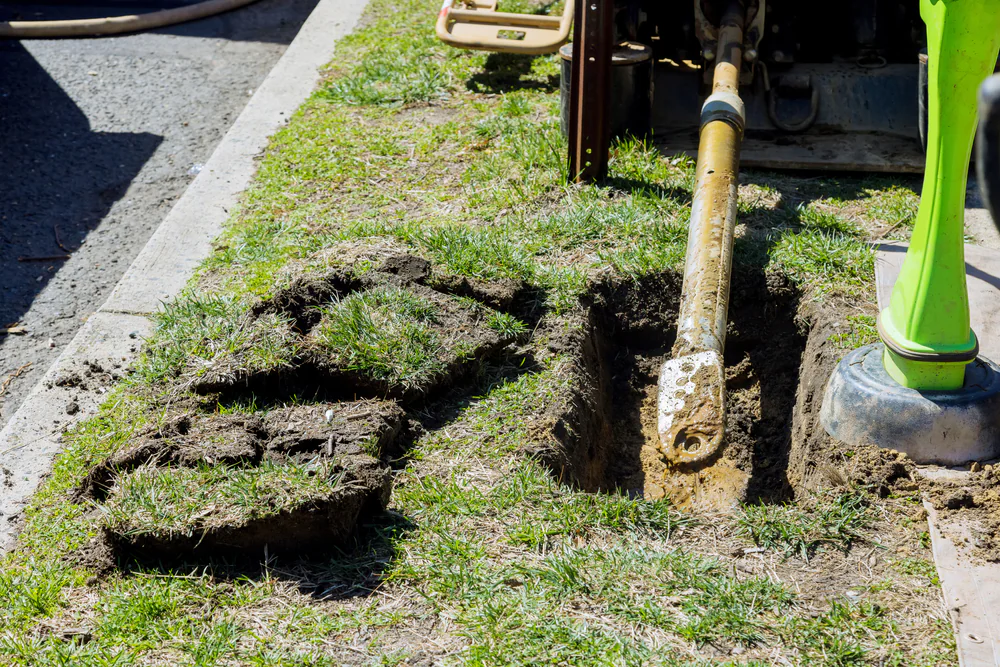
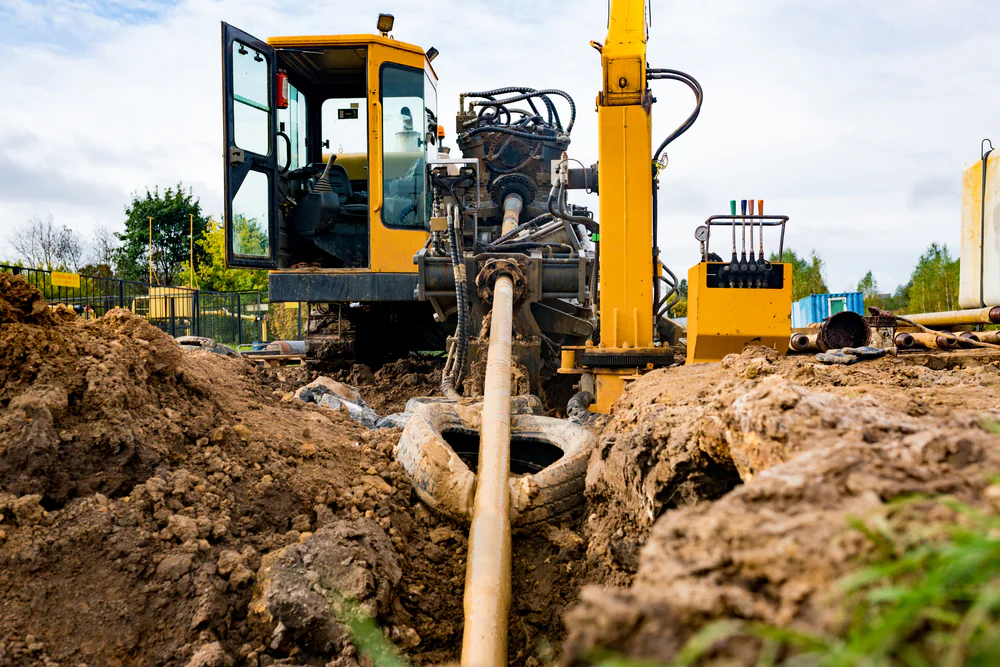
Trenchless directional drilling in North Wantagh changes that equation entirely. We drill a small pilot hole underground, then pull new pipe through without touching the surface. Your driveway stays intact. Your garden doesn’t get destroyed. Your property value doesn’t take a hit from visible scars across the yard.
The process is faster, cleaner, and often less expensive when you factor in what you’re not paying to restore. No massive trenches. No dump trucks hauling away your topsoil. No weeks of waiting for contractors to put everything back together. You get a new utility line installed properly, and your home looks exactly like it did before we arrived.
We’ve been handling underground utility work across Nassau County since 1983. We’re not new to Long Island, and we’re definitely not new to North Wantagh. We know the soil conditions here. We know the permitting requirements. We know what it takes to run utility lines under driveways built in the 1950s without causing problems.
Most homes in North Wantagh were built between the 1940s and 1960s. That means aging water and sewer lines that eventually fail. When that happens, you need someone who understands how to work around mature root systems, old clay pipes, and property lines that don’t leave much room for error. We handle horizontal directional drilling for water lines, sewer laterals, gas service, and electrical conduit throughout North Wantagh and the surrounding areas.
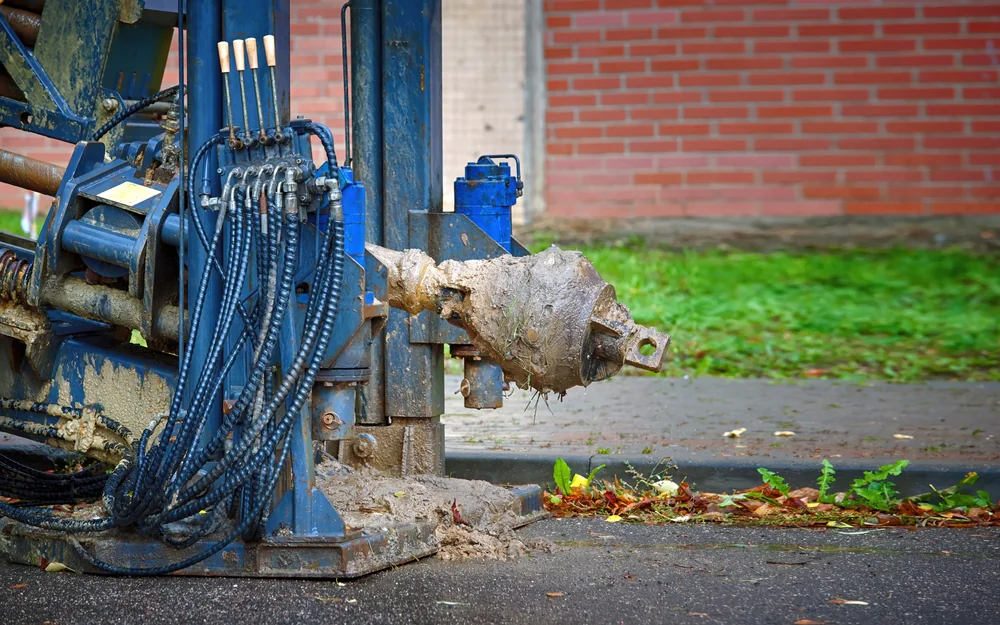
We start with a site assessment to map out the path for your new utility line. That includes locating existing underground utilities and identifying any obstacles like tree roots, old foundations, or bedrock. Once we have a clear path, we drill a small pilot hole from point A to point B using a steerable drill head. This isn’t guesswork—we’re tracking the drill path in real time to make sure we stay on course.
After the pilot hole is complete, we attach your new pipe to the drill head and pull it back through the same path. Depending on the distance and soil conditions, this can take anywhere from a few hours to a full day. For most residential water line directional drilling projects in North Wantagh, you’re looking at same-day or next-day completion.
The entry and exit points are small—usually just a couple of feet wide. We restore those spots with minimal disruption, and you’re left with a fully functional utility line that didn’t require ripping apart your property. No trenches. No heavy equipment tearing up your lawn. Just a clean installation that gets the job done right.
Ready to get started?
Trenchless gas line installation, water service replacement, sewer lateral repairs—all of it can be done without traditional excavation. You’re not limited to one type of utility. If you need to install a water line without digging up your driveway, we handle that. If you’re adding electrical conduit to a pool house or running a gas line to an outdoor kitchen, same process applies.
North Wantagh properties sit on relatively small lots with high property values. The median home here is worth over $600,000, and most homeowners have invested heavily in landscaping, paver driveways, and outdoor living spaces. Trenchless directional drilling services protect those investments. You’re not paying twice—once for the utility work and again to fix everything that got destroyed in the process.
The other advantage is speed. Traditional open-cut trenching requires permits, traffic control, and restoration work that can stretch a project out for weeks. Directional drilling typically requires fewer permits and gets completed faster. You’re back to normal life sooner, and your property doesn’t look like a construction zone in the meantime.
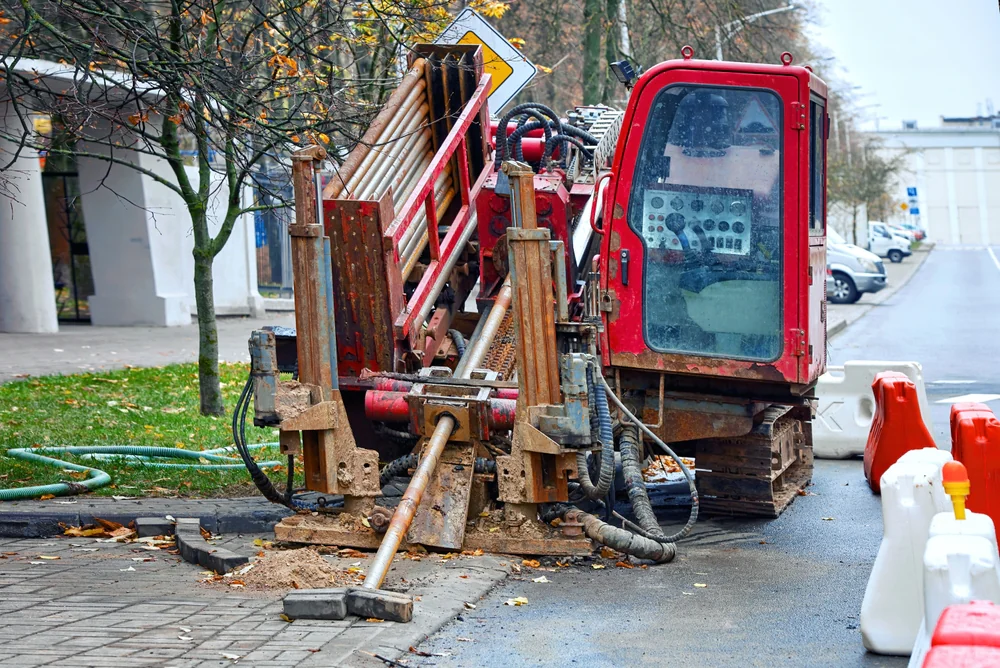
The upfront cost of trenchless directional drilling in North Wantagh is often comparable to traditional trenching, but the total project cost is usually lower. You’re not paying for extensive site restoration, which is where traditional excavation costs balloon quickly.
When you dig a trench across a driveway, you’re paying to saw-cut asphalt or concrete, remove it, dig the trench, install the pipe, backfill, compact, and then repave. That’s multiple contractors, multiple days, and a lot of labor. Directional drilling eliminates most of that. You’re paying for the drilling itself and minimal restoration at the entry and exit points.
For a typical residential water line replacement in North Wantagh, you might spend anywhere from $3,000 to $8,000 depending on distance and soil conditions. Traditional excavation with full driveway restoration could easily run $10,000 or more once you factor in repaving costs. The longer the run and the more obstacles in the way, the bigger the savings with trenchless methods.
Yes. That’s exactly what trenchless directional drilling was designed to do. We drill underneath your driveway without touching the surface. The drill path runs several feet below grade, so there’s no impact on the asphalt, concrete, or pavers above.
The process involves drilling a pilot hole from one side of the driveway to the other, then pulling the new water line through that path. The entry and exit points are small—usually just a couple of feet wide—and located in areas that are easy to restore, like your lawn or a garden bed. Your driveway stays intact, and you don’t lose access to your home during the installation.
This is especially important in North Wantagh, where many driveways are paved with expensive materials or have decorative elements that would be costly to replace. If your water service line runs under your driveway and it’s failing, directional drilling is the most practical way to replace it without causing major disruption or expense.
Most residential trenchless directional drilling projects in North Wantagh are completed in one to two days. The timeline depends on the distance, soil conditions, and whether we encounter any unexpected obstacles like old utilities or bedrock.
A straightforward water line replacement from the street to your house—typically 50 to 150 feet—can often be done in a single day. Longer runs, like installing a gas line to a detached garage or running electrical conduit across a large property, might take two days. The actual drilling and pipe installation usually happen quickly. The majority of the time is spent on site prep, utility locating, and final restoration.
Compare that to traditional excavation, which can take a week or more when you factor in permitting, trenching, backfilling, and restoration work. With directional drilling, you’re not waiting for asphalt contractors to come back and repave your driveway two weeks later. The job gets done, the site gets cleaned up, and you’re back to normal almost immediately.
Water lines, sewer laterals, gas lines, electrical conduit, and communication cables can all be installed using horizontal directional drilling. If it’s a utility that runs underground, there’s a good chance we can install it without digging a trench.
Water line directional drilling is one of the most common applications in North Wantagh. Aging copper or galvanized water services eventually corrode and need replacement. Rather than tearing up your property, we drill a new path and pull in modern PEX or HDPE pipe that’s designed to last decades. Trenchless gas line installation works the same way—especially useful if you’re converting from oil heat or adding gas service to an outdoor kitchen or pool heater.
Sewer laterals are another frequent use case. If your sewer line is failing between the house and the street, directional drilling allows us to install a new lateral without excavating your entire front yard. Electrical and communication lines benefit from the same approach, particularly when you’re running conduit to a detached structure or across a landscaped area you don’t want to disturb.
Directional drilling works in most soil conditions, but there are limitations. Sandy soils, clay, and mixed soils are all manageable. Bedrock, large boulders, and heavily compacted fill can create challenges, but they don’t always make the job impossible.
Long Island soils are generally favorable for trenchless directional drilling. North Wantagh sits on a mix of sandy loam and glacial deposits, which drill relatively easily. If we hit bedrock or a large obstruction during the pilot hole, we can sometimes adjust the drill path or use specialized equipment to get through. In rare cases where directional drilling isn’t feasible, we’ll let you know upfront and discuss alternatives.
The key is doing a proper site assessment before we start drilling. We locate existing utilities, check soil conditions, and map out the best path for your new line. That prep work minimizes surprises and ensures the project goes smoothly. If there’s any reason to think directional drilling won’t work for your specific situation, we’ll tell you before we mobilize equipment.
Permit requirements depend on what you’re installing and where the utility line is located. In most cases, trenchless directional drilling requires fewer permits than traditional excavation because you’re not opening up roadways or disturbing large sections of property.
If you’re replacing a water service line from the street to your house, you’ll typically need a plumbing permit from the Town of Hempstead. If the work involves connecting to the public water main, Nassau County may also require notification or approval. Gas line installations require permits from the local utility company and the town. We handle permit coordination as part of the project, so you’re not left navigating the process on your own.
One advantage of directional drilling is that it often avoids the need for road opening permits or traffic control plans, which are required when you dig trenches across streets or sidewalks. That speeds up the approval process and gets your project started sooner. We’ve been working in North Wantagh and throughout Nassau County for over 40 years, so we know the local requirements and how to move through them efficiently.
Other Services we provide in North Wantagh