
Hear from Our Customers
You’re looking at a water line or gas line installation, and every traditional contractor wants to dig a trench straight through your landscaping. That means weeks of mess, replanting costs, driveway repairs, and hoping they don’t nick an existing utility line in the process.
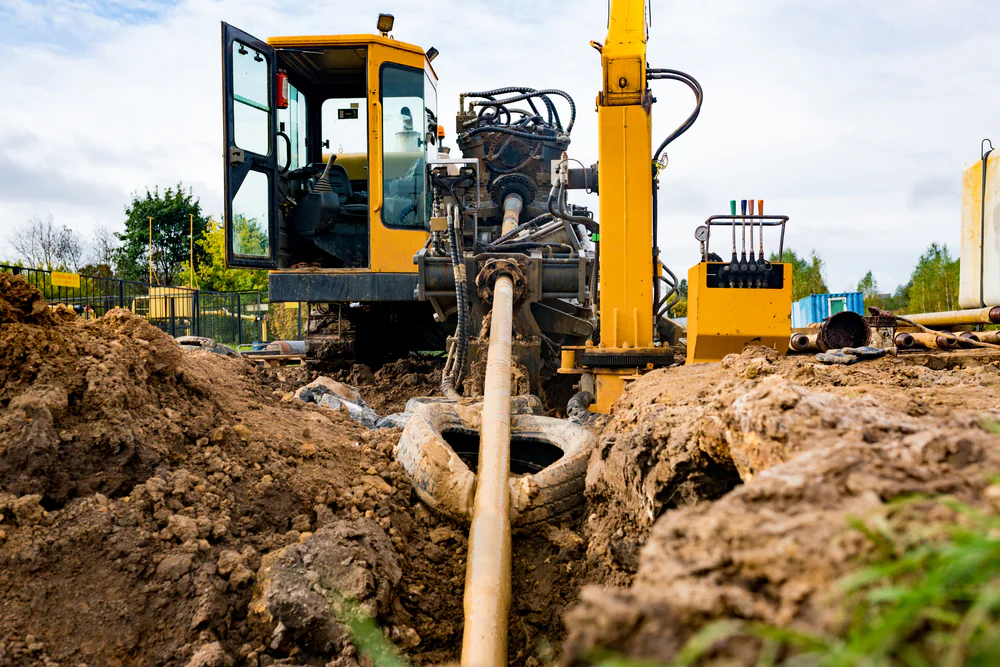
Trenchless directional drilling in Montclair Colony, NY changes that equation entirely. The equipment works underground, drilling a precise path from point A to point B without surfacing. Your grass doesn’t get stripped. Your driveway doesn’t get jackhammered. The flower beds your spouse spent three weekends perfecting stay exactly where they are.
The process is faster because there’s no excavation, no hauling dirt, and no restoration work after. Fewer permits, less time, lower cost. You’re also working below the frost line, which means winter installations stay on schedule instead of getting delayed by frozen ground.
Most property owners in Nassau and Suffolk Counties don’t realize this technology exists until they’re quoted $15,000 to rip up their driveway for a sewer line replacement. Then they find out trenchless was an option the whole time.
We’ve been handling utility work in Nassau and Suffolk Counties since 1983. That’s over 40 years of sewer lines, water mains, and underground installations for residential properties, commercial buildings, schools, and apartment complexes across Long Island.
We’re family-owned, which means the people running the business are the same ones who built it. We’re not a franchise. We’re not flipping properties or chasing the next market. We’re here because this is what we do, and we’ve done it long enough to know what works and what doesn’t.
Montclair Colony properties sit in an area where soil conditions, local codes, and existing infrastructure all factor into how a job gets done right. We’ve worked this region long enough to anticipate those variables before they become problems. That’s not something you get from a contractor two towns over who Googled your zip code last week.
First, we locate every existing utility on your property. That’s water, gas, electric, telecom—anything underground. This step prevents the nightmare scenario where someone drills into a live line. We use locating equipment to map what’s below before we touch a shovel.
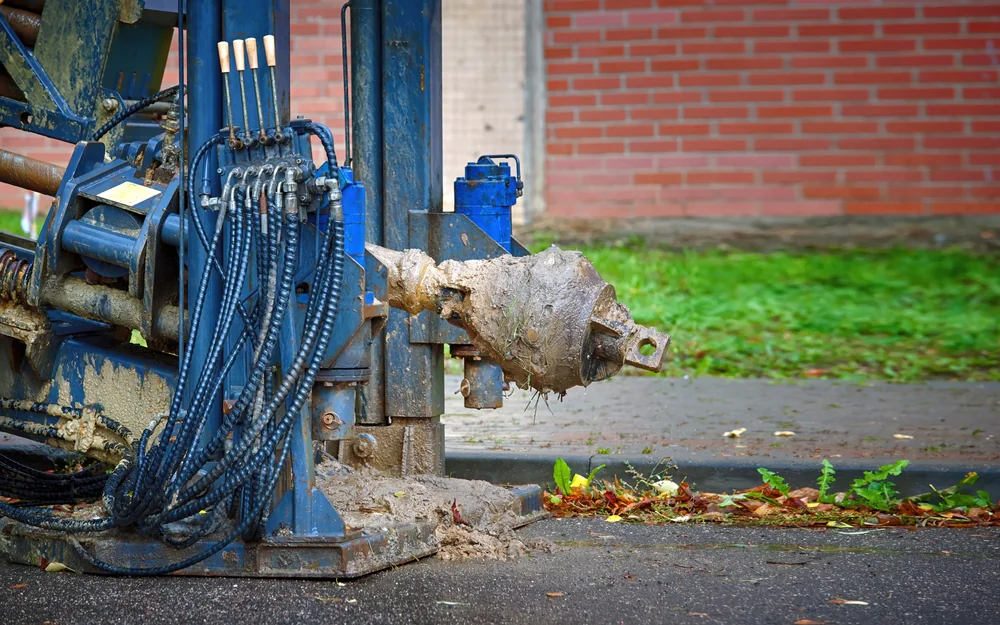
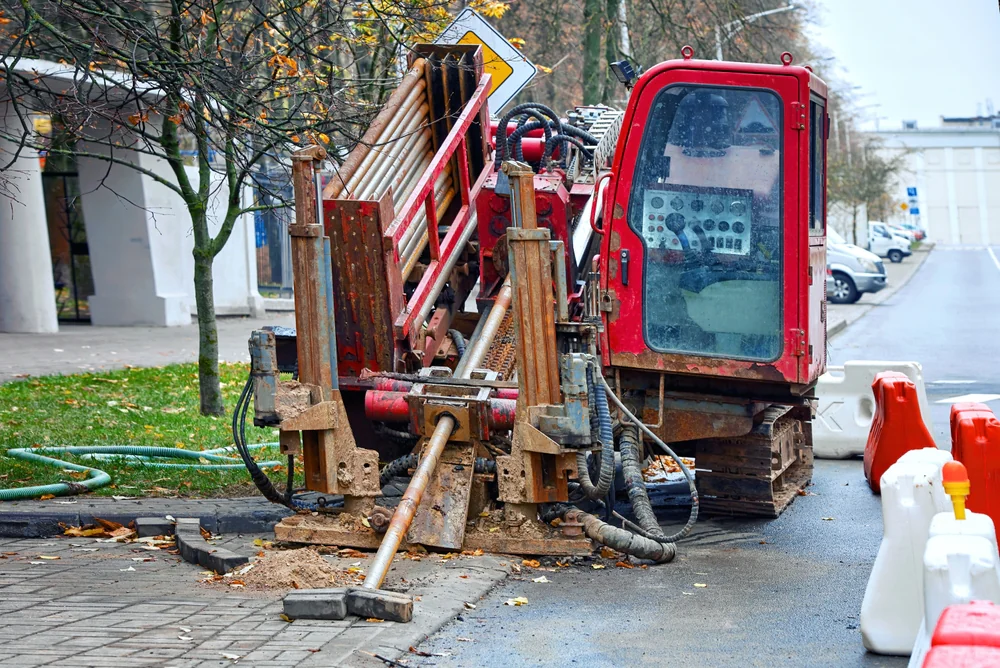
Next, we drill two small access points: one where the line starts, one where it ends. These are about the size of a manhole cover. From there, the directional drill creates a pilot hole underground, following a path we control from the surface. The drill head sends a signal back so we know exactly where it is at all times, adjusting depth and angle as needed.
Once the pilot hole is complete, we pull the new utility line through the same path. Could be water, sewer, gas, or conduit for fiber optics. The line gets installed in one continuous run, which means fewer joints and fewer potential failure points down the road.
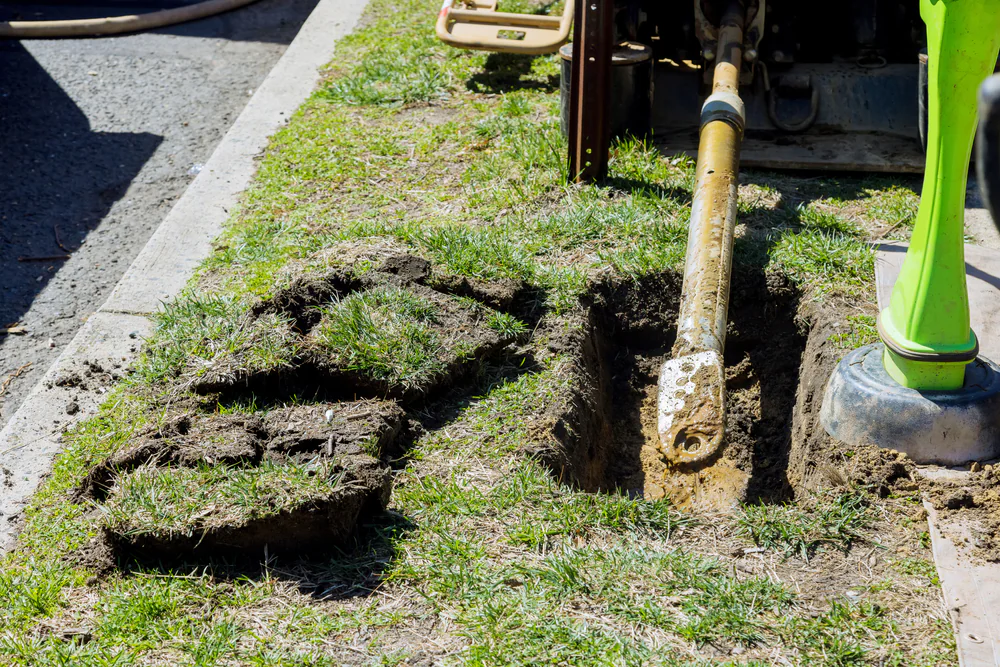
After the line is in and tested, we backfill the two small access points. That’s it. No trenches to refill. No sod to replace. No waiting for contractors to come back and “finish up” three weeks later. The job’s done, and your property looks the same as it did before we showed up.
Ready to get started?
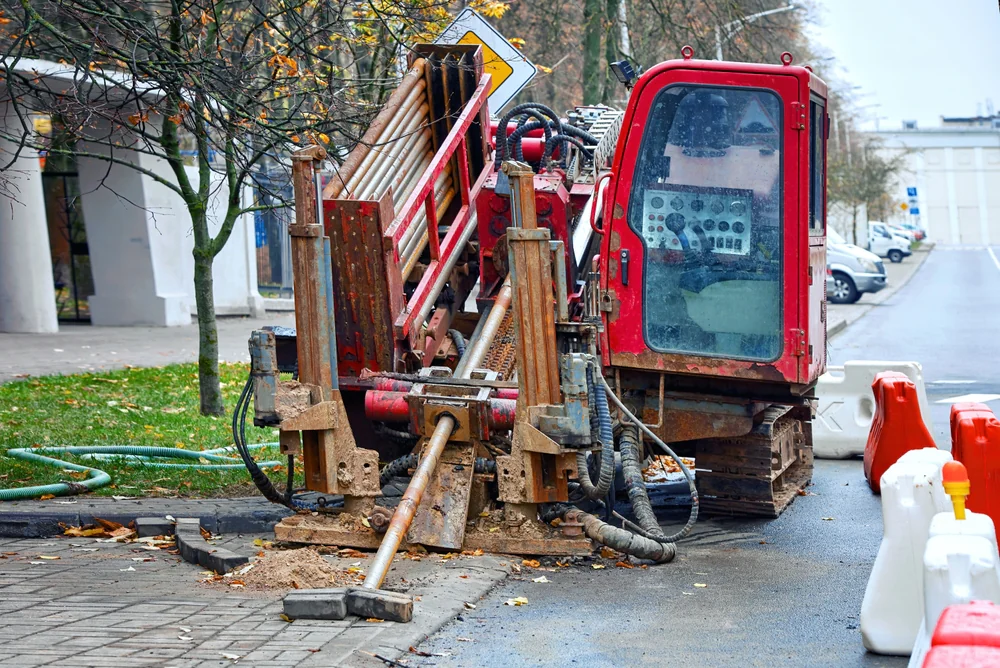
When you hire us for trenchless directional drilling services in Montclair Colony, NY, you’re getting utility locating, permit coordination, the drilling work itself, line installation, pressure testing, and site cleanup. We’re not subbing out half the job to three other companies. It’s handled in-house from start to finish.
Long Island properties—especially in Nassau County—often deal with older infrastructure, tight lot lines, and local codes that vary by township. A water line installation here isn’t the same as one in a new subdivision with wide-open lots and no existing utilities. You need a crew that knows how to navigate those constraints without guessing.
We’ve installed water lines under driveways, beneath landscaped gardens, and around existing sewer systems without disturbing what’s already there. The equipment allows for curves and depth changes, so we’re not locked into a straight shot that forces you to reroute your whole yard.
The other advantage: trenchless methods work year-round. Traditional excavation in winter means dealing with frozen ground, which slows everything down and drives up costs. Directional drilling operates below the frost line where soil stays stable, so your project doesn’t get pushed to spring because the ground’s too hard.
Cost depends on distance, depth, soil conditions, and what you’re installing. But here’s the reality: trenchless is often cheaper than traditional excavation once you factor in restoration.
A traditional dig might quote lower on the front end, but then you’re paying to replace your driveway, resod the lawn, replant landscaping, and possibly repair damage to other utilities they hit along the way. Those costs add up fast. Trenchless avoids most of that because there’s no surface destruction to fix afterward.
You also save on time. A trenchless job that takes two days instead of two weeks means less labor cost, less equipment rental, and less disruption to your daily routine. If you’re a business owner, that’s less downtime. If you’re a homeowner, that’s fewer days dealing with construction noise and trucks in your driveway.
Yes. That’s exactly what horizontal directional drilling was designed to do.
We drill underneath your driveway—whether it’s asphalt, concrete, or pavers—and install the water line without breaking the surface. The drill path goes deep enough to clear the driveway structure entirely, so there’s no need to cut, remove, or repair anything above ground.
This is especially useful in Montclair Colony and surrounding Long Island areas where driveways are often newer or made from materials that cost serious money to replace. Why tear up a $10,000 paver driveway when you can route the line underneath it and leave everything intact?
The process works for sewer lines and gas lines too. Same concept: minimal access points, underground routing, zero driveway damage.
Most residential trenchless installations take one to three days depending on distance and site conditions. That’s start to finish: locating utilities, drilling, installing the line, testing, and cleanup.
Compare that to traditional excavation, which can stretch over a week or more once you account for digging, shoring, backfilling, and restoration work. And that’s assuming weather cooperates and they don’t hit an unexpected utility line that halts the job for two days while another contractor comes out to make repairs.
Trenchless keeps the timeline predictable because there are fewer variables. You’re not waiting for an excavator to clear dirt, a truck to haul it away, and another crew to come back later and fix your lawn. The work happens below ground in a controlled process, so delays are rare.
For commercial properties or larger projects, the timeline adjusts based on scope, but the efficiency advantage stays the same.
Yes, and that’s one of the biggest advantages over traditional methods.
Winter excavation on Long Island is a gamble. Frost can reach twelve inches deep, sometimes more during a cold stretch. That makes digging slow, expensive, and unpredictable. Equipment struggles, labor costs go up, and projects get delayed until the ground thaws.
Directional drilling bypasses that problem entirely because the work happens below the frost line where soil conditions stay stable year-round. The drill isn’t fighting frozen ground at the surface—it’s operating in deeper soil that doesn’t freeze.
This means your water line or gas line installation doesn’t get pushed to April just because you called in January. The timeline stays on track, costs stay predictable, and you’re not stuck waiting months for a utility connection you need now.
Water lines, sewer lines, gas lines, electrical conduit, fiber optic cables, and telecom lines. If it needs to run underground, trenchless directional drilling can handle it.
The method works for new installations and replacements. If your existing sewer line is failing and needs to be swapped out, we can often install the new line along a similar path without excavating the old one. Same goes for water mains that have reached the end of their lifespan.
Residential properties typically need this for water and sewer service, but we also handle commercial and municipal projects where telecom or electrical conduit needs to cross under roads, parking lots, or other obstacles. The equipment adjusts for different pipe diameters and materials, so the application range is wide.
In Nassau and Suffolk Counties, a lot of older properties are dealing with outdated clay sewer pipes or galvanized water lines that are starting to fail. Trenchless gives you a way to upgrade those systems without tearing apart your entire yard in the process.
Most properties are suitable, but it depends on soil type, existing utilities, and site access.
Rocky soil or extremely dense clay can slow the process, but it doesn’t usually prevent it. The equipment is built to handle varying ground conditions. Shallow bedrock might require a different approach, but that’s something we assess during the initial site visit.
Existing utilities are the bigger consideration. If your property has a maze of underground lines running in every direction, we need to map those out carefully to avoid conflicts. That’s why utility locating is always step one. We’re not guessing where things are—we’re confirming it before we drill.
Access is the other factor. We need enough space to set up the drilling rig and stage equipment. Tight side yards or properties with limited entry points can sometimes complicate logistics, but we’ve worked around those constraints plenty of times.
The best way to know for sure is to have someone come out and look at the site. We’ll tell you if trenchless makes sense or if another method is a better fit. No point in forcing a solution that isn’t right for the job.
Other Services we provide in Montclair Colony