
Hear from Our Customers
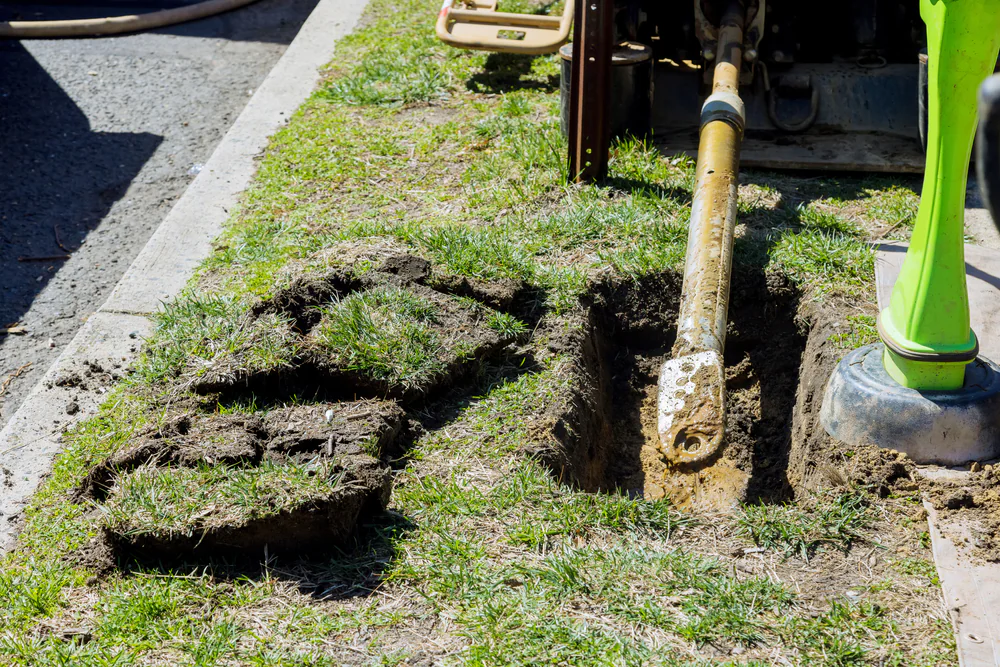
You’ve probably seen it before. A crew tears up half a yard to replace a water line. The driveway gets ripped apart. Landscaping gets destroyed. Then you’re stuck paying to fix everything they tore up just to access the pipe.
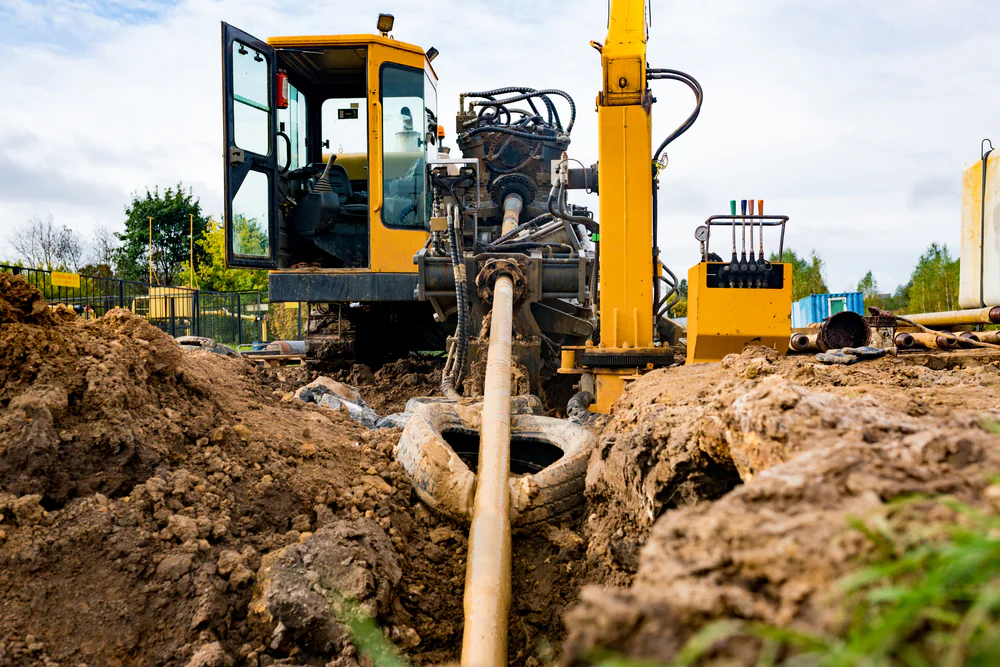
Trenchless directional drilling in Huntington Station, NY changes that completely. We drill horizontally underground to install or replace water lines, sewer lines, gas lines, and electrical conduit without digging trenches across your property. Your lawn stays green. Your driveway stays whole. Your landscaping stays exactly where it is.
Our equipment creates a small entry and exit point, then pulls new pipe through underground. That’s it. When we’re done, you’d barely know we were there. No restoration costs. No waiting weeks for grass to grow back. No explaining to your spouse why the yard looks like a construction zone.
This matters in Huntington Station because properties here have value. The South Huntington Water District serves over 80,000 residents across 271 miles of water main, and much of that infrastructure is aging. When your water or sewer line needs replacement, you shouldn’t have to sacrifice your property to fix it.
We’ve been handling underground utility work in Nassau and Suffolk Counties since 1983. We’re family-owned, and we’ve been doing directional drilling long enough to know what works and what doesn’t in Long Island soil conditions.
We don’t subcontract this work out. Our crew shows up with our equipment, does the job, and answers directly to you. You can call John Marra with questions before, during, or after the project. That’s how we’ve operated for 40 years.
Huntington Station sits in one of the largest water districts in New York State, with infrastructure that includes everything from century-old cast iron pipes to modern polyethylene. We’ve worked throughout this area installing and replacing water services, sewer laterals, and gas lines for homeowners, property managers, and contractors who need the job done without tearing up Melville’s business corridors or residential streets in Cold Spring Harbor.
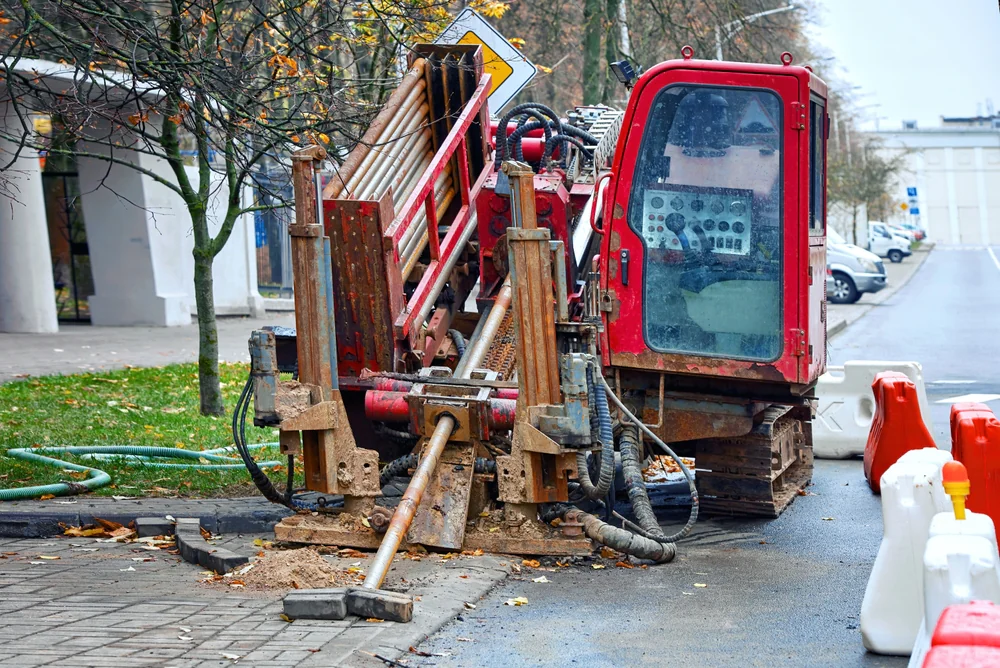
We start by locating existing utilities underground so we know exactly what we’re working around. This step matters because Huntington Station has dense utility networks, especially in the Melville industrial areas. We’re not guessing where lines are.
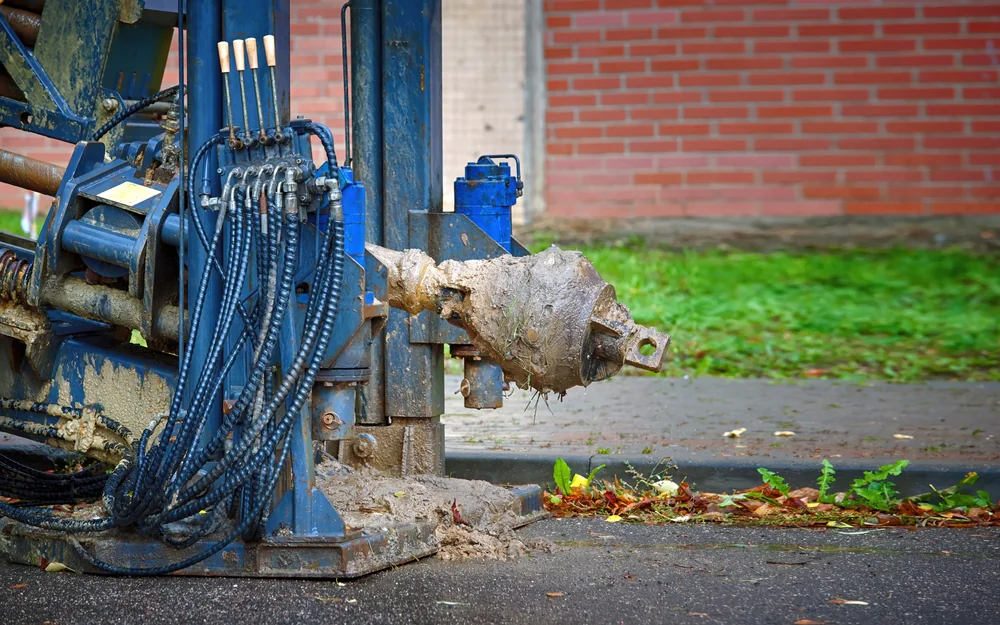
Next, we set up the directional drilling rig at the entry point and drill a pilot hole along the planned path underground. The drill head is guided in real time, so we can navigate around obstacles, adjust for depth, and hit the exact exit point on the other side. This is where the precision comes in.
Once the pilot hole is complete, we attach the new pipe to the drill string and pull it back through the bore path. The pipe gets installed in one continuous length with no joints, which means no weak points and no future leak risks. For water line directional drilling in Huntington Station, NY, we typically use heavy-duty polyethylene pipe rated to last up to 100 years.
The whole process takes a fraction of the time traditional excavation would require. A 100-foot water service replacement that might take days with open trenching can often be completed in hours with horizontal directional drilling. You’re not waiting around. You’re not managing a torn-up property for weeks. The work gets done, and you move on.
Ready to get started?
The cost savings start with what you don’t have to pay for. No landscape restoration. No driveway repaving. No replacing sprinkler systems or decorative stonework. Traditional excavation might look cheaper on the initial estimate, but once you add in all the repair work, trenchless directional drilling services in Huntington Station, NY usually cost less overall.
Then there’s the environmental side. A 2022 University of Texas study found trenchless repairs produce up to 90% fewer emissions than open-cut methods. The U.S. Department of Energy reported that horizontal directional drilling uses 35-50% less fuel per linear foot. For a 500-foot sewer line, that’s roughly 400 gallons of diesel saved. If you care about minimizing your project’s environmental impact, this method does that without you having to think about it.
Speed matters too. Faster completion means less disruption to your daily routine and less risk of weather delays. Trenchless gas line installation in Huntington Station can happen in conditions where traditional trenching would be delayed or impossible. We can cross under driveways, sidewalks, roads, and even wetland areas without disturbing the surface.
The pipe itself is built to last. Seamless polyethylene is impervious to root intrusion, chemical damage, and corrosion. You’re not going to deal with this again in 20 years. The infrastructure going into the ground is designed to outlast most of the buildings it serves.
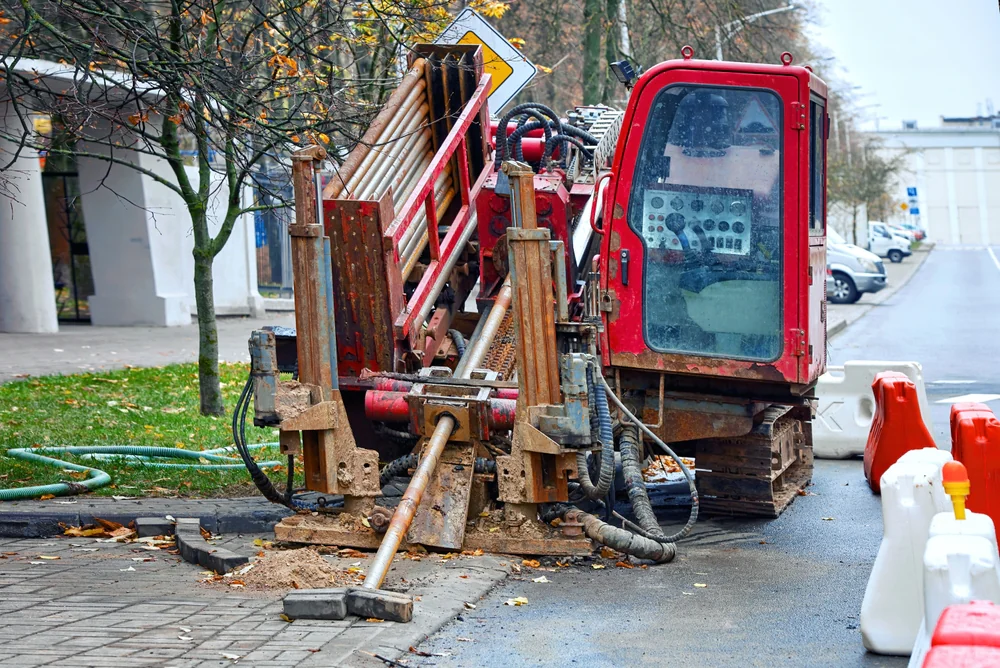
Yes. That’s exactly what horizontal directional drilling is designed to do. We drill underneath your driveway to install the water line without breaking through the surface.
The process creates a small entry point on one side and an exit point on the other. The drill path runs horizontally underground, typically 4-6 feet deep depending on code requirements and existing utilities. Once the bore is complete, we pull the new water line through in one continuous piece.
Your driveway stays intact. No saw cutting. No asphalt removal. No concrete repair. When we’re finished, the only evidence of work is the small entry and exit holes, which are backfilled and restored. This approach is especially valuable in Huntington Station where driveways often have decorative pavers, stamped concrete, or new asphalt that would be expensive to replace.
Most residential water or sewer line installations using directional drilling take one to two days. Traditional excavation for the same job often takes three to five days, plus additional time for restoration work.
The time difference comes from eliminating the digging, shoring, and backfilling steps. We’re not excavating a trench, so there’s no soil to haul away and replace. We’re not waiting for inspections of open trenches. We drill, install the pipe, and we’re done.
For a typical 100-foot water service replacement in Huntington Station, you’re looking at a few hours of active drilling and installation. Site prep and utility locating happen beforehand. Cleanup happens immediately after. The speed advantage is real, and it means less time with equipment in your yard and less disruption to your schedule.
We install water lines, sewer laterals, gas lines, electrical conduit, and communication cables using directional drilling. Any utility that needs to run underground from point A to point B is a candidate for this method.
Water line directional drilling in Huntington Station, NY is one of our most common applications. Whether you’re replacing an old galvanized service line or installing a new connection to the South Huntington Water District, we can run the line without surface disruption. Sewer laterals work the same way, especially when the existing line has failed and traditional excavation would mean tearing through finished landscapes.
Trenchless gas line installation in Huntington Station is another frequent request. Gas utilities often run parallel to water lines, and directional drilling allows us to install both without doubling the property damage. Electrical and fiber optic conduit installations follow the same process. If it needs to go underground and you want to avoid trenching, we can likely handle it with directional drilling.
Directional drilling works in clay, silt, sand, and even fractured rock, which covers most soil conditions in Huntington Station and the surrounding Nassau County area. Each soil type requires slight adjustments to drilling technique and equipment, but the method itself is versatile.
Clay soils, common in parts of Long Island, provide good bore stability and are generally easier to drill through. Sandy soils require more attention to drilling fluid and bore stability, but they’re still very manageable. When we encounter rock, we use specialized drill heads designed to cut through harder material.
Weather and groundwater can affect the process, but far less than traditional excavation. We can work in wet conditions where open trenching would be unsafe or impractical. Frozen ground in winter is less of an issue because we’re drilling below the frost line anyway. The main limitation is extremely saturated soil where bore stability becomes difficult, but that’s rare and usually temporary.
Upfront, directional drilling can cost slightly more per linear foot than open-cut excavation. But when you factor in restoration costs, the total project cost is often lower, sometimes significantly.
Traditional excavation might quote you $50-75 per foot for the actual pipe installation. Then you’re paying separately to repave your driveway, re-sod your lawn, replace landscaping, and fix any sprinkler lines or drainage systems that got damaged. Those restoration costs can easily double your total project expense.
Directional drilling typically runs $75-125 per foot depending on depth, distance, and site conditions, but that’s your all-in cost. No restoration. No hidden expenses for fixing what got torn up. For a 100-foot water service, you might pay $7,500-12,500 total with directional drilling versus $5,000-7,500 for excavation plus another $5,000-10,000 for restoration. The math usually favors trenchless.
The Federal Highway Administration estimates trenchless techniques save U.S. cities $1.2 billion annually in road restoration and traffic management. Those same savings apply to your residential project.
The pipe is actually more durable because it’s installed as one continuous piece with no joints. Traditional pipe installation uses multiple sections connected by couplings, and those joints are the most common failure points over time.
When we pull pipe through a directional bore, it’s a single seamless run from start to finish. There are no connection points underground where leaks can develop. The polyethylene pipe we use for water and gas lines is rated for 100-year service life and is resistant to corrosion, root intrusion, and chemical damage.
The installation method also protects the pipe better. Traditional trenching exposes pipe to backfill settlement, surface loading, and soil movement. Directional drilling places the pipe in undisturbed soil at a consistent depth, which provides more stable long-term conditions. The pipe isn’t sitting in loose backfill that can shift or compact unevenly. It’s in native soil that’s been there for decades and isn’t going anywhere.
Other Services we provide in Huntington Station