
Hear from Our Customers
You’re looking at this because someone told you there’s a way to run new utility lines without ripping up half your yard. That’s accurate.
Trenchless directional drilling in Halesite, NY means we bore underground paths for water lines, gas lines, and sewer connections without open trenches. Your lawn stays green. Your driveway stays paved. Your landscaping stays where you planted it.
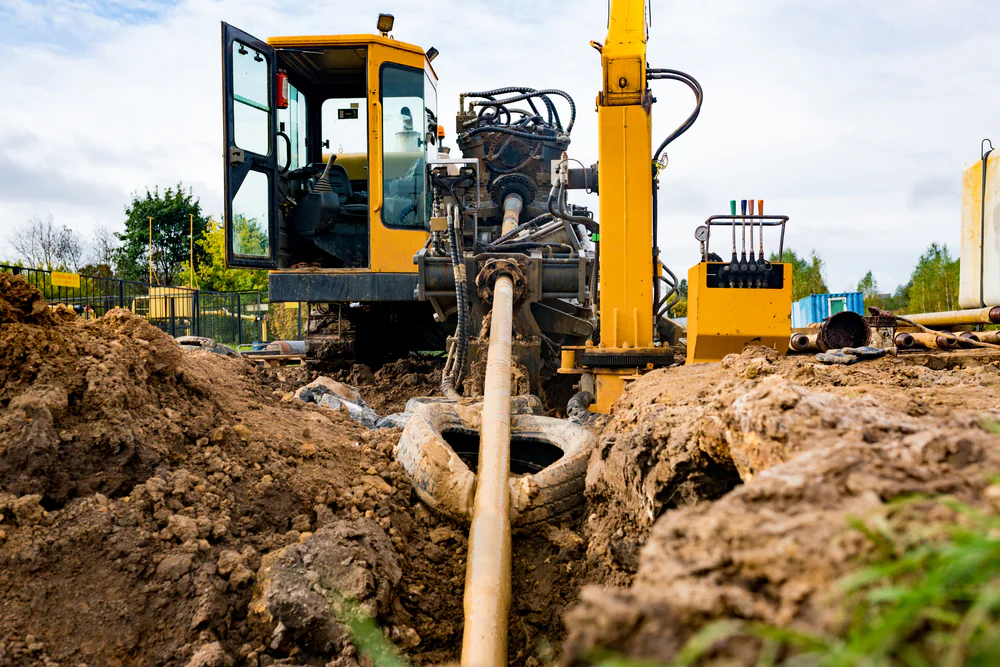
The process uses specialized boring equipment that creates a precise underground pathway. We guide it from entry to exit point, pull the new pipe through, and you’re done. No restoration crew. No replanting. No waiting weeks for grass to grow back.
This matters in Halesite because properties here weren’t designed with utility access in mind. Mature trees, established gardens, brick pavers, stamped concrete—these aren’t easy or cheap to replace. Trenchless directional drilling services let you upgrade infrastructure without undoing the work you’ve already invested in your property.
We’ve served Nassau and Suffolk Counties for over 40 years. We’re family-owned, and we’ve been running trenchless directional drilling projects across Long Island since the technology became reliable enough to trust.
Halesite sits in Huntington, where soil conditions vary and property layouts get complicated. We’ve worked on enough homes and commercial sites here to know what equipment works and what doesn’t. Our crews show up with robotic boring systems, locating technology, and the experience to adjust when conditions underground don’t match what’s on paper.
We’re available 24/7 because utility failures don’t wait for business hours. If you need a water line directional drilling job done right, or if something breaks and you need it fixed now, we’re the call you make.
We start with a site assessment. You show us where the line needs to start and where it needs to end. We locate existing utilities, check soil conditions, and map the bore path.
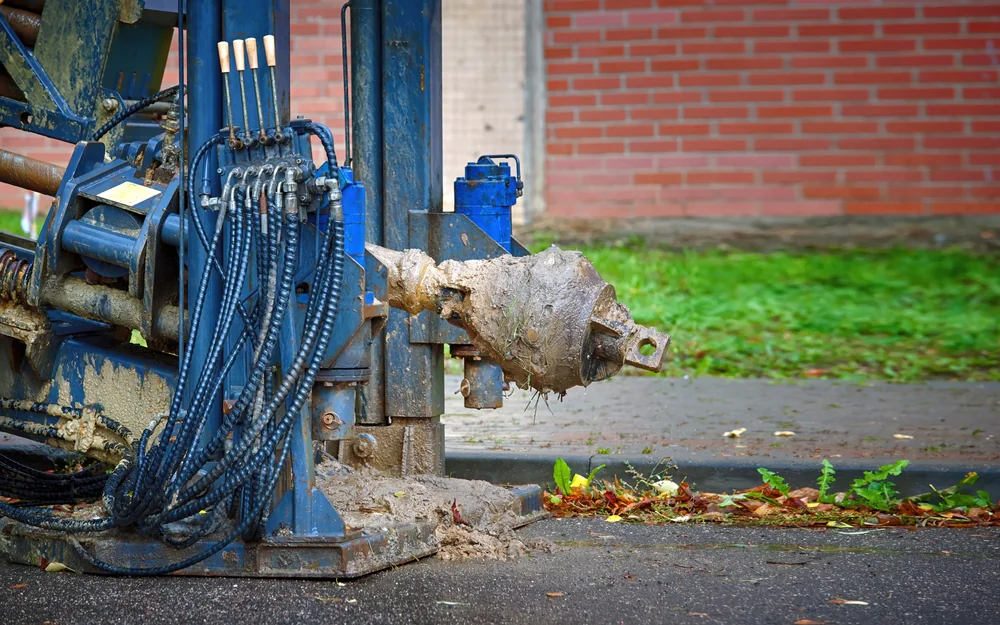
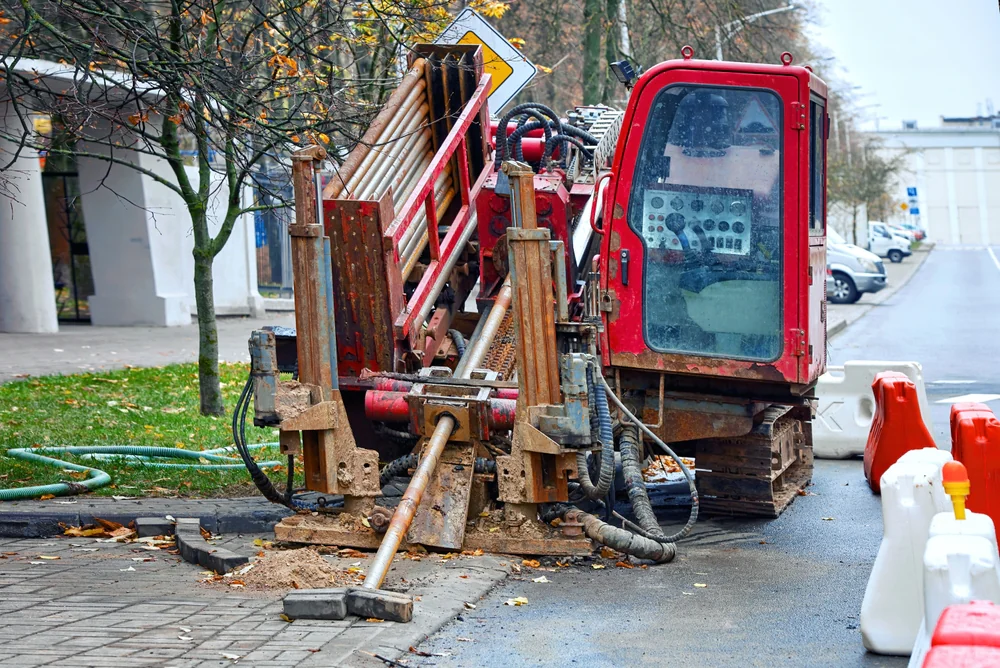
Next, we set up the drilling rig at the entry point. The boring head goes underground and follows the planned path using a guidance system that tracks depth and direction in real time. We’re not guessing—we’re watching the drill head’s exact position as it moves.
Once the bore is complete, we attach the new pipe to the drill string and pull it back through the pathway. The pipe gets seated into place, we connect it at both ends, and we test the line to make sure everything works.
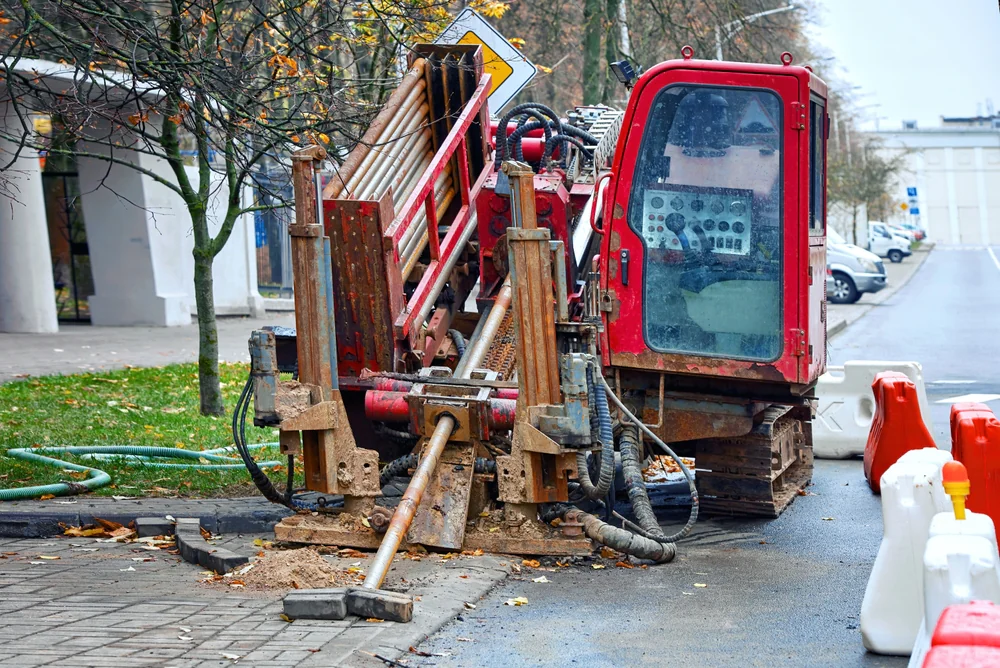
Cleanup is minimal because we’re only working from two small access points. You’ll see some displaced soil at entry and exit, but that’s it. No trenches to backfill. No sod to relay. No driveway to repave.
The whole process usually takes a day, depending on distance and diameter. For standard residential water line installations in Halesite, NY, you’re looking at same-day completion in most cases.
Ready to get started?
We handle water line directional drilling for new service connections, well line installations, and main line replacements. If you’re connecting to municipal water or running a line from your well to your house, this is the method that makes sense.
Trenchless gas line installation works the same way. Whether you’re adding gas service to a property that never had it or replacing an old line that’s failing, we can bore the path and install new pipe without excavation.
Sewer and drain connections are also on the table. If you need to connect to a municipal sewer system or run a new line to a septic tank, directional drilling gets it done without tearing up your driveway or walkways.
Halesite properties often have mature landscaping and established hardscaping that homeowners don’t want disturbed. The benefits of trenchless directional drilling become obvious when you compare the cost of boring a line versus the cost of replacing a brick paver driveway or a 20-year-old Japanese maple.
We work on residential, commercial, and municipal projects. If you manage multiple properties or you’re a contractor who needs a reliable subcontractor for underground utility work, we’ve got the equipment and the crew to handle it.
The drilling itself can cost more per linear foot than open-trench excavation. But that’s not the full picture.
Traditional excavation means you’re paying for the trench, plus restoration. If we dig through your driveway, you’re repaving. If we cut through landscaping, you’re replanting. If we disturb irrigation or lighting, you’re repairing that too.
Trenchless directional drilling in Halesite, NY eliminates those restoration costs. You’re paying for the bore and the pipe installation, and that’s it. For most residential projects, the total cost ends up lower because you’re not rebuilding half your property afterward.
The other factor is time. Excavation projects can take days or weeks when you factor in digging, installation, backfill, and restoration. Directional drilling usually wraps in a day, which means less disruption and fewer labor hours.
Yes. That’s exactly what this method was designed for.
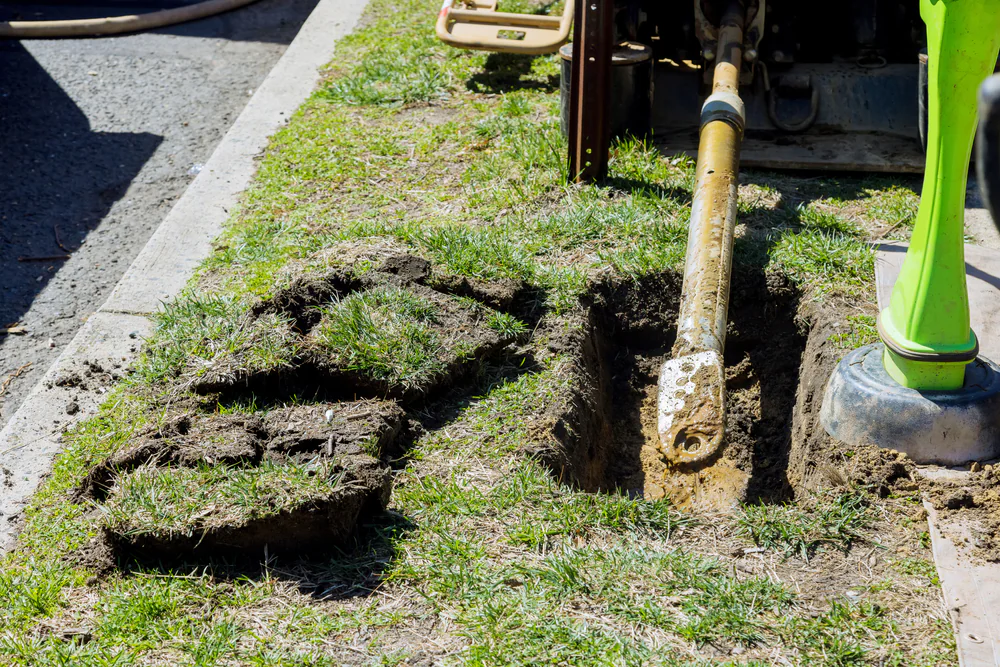
We bore underneath your driveway using horizontal directional drilling equipment. The drill enters on one side, follows a controlled path underground, and exits on the other side. Your driveway never gets touched.
This works for asphalt, concrete, pavers, and stamped concrete. It also works under walkways, patios, pool decks, and any other hardscaping you want to avoid disturbing.
The only requirement is enough space on both sides for entry and exit pits. Those pits are small—usually a couple feet wide—and they’re in your lawn or garden beds, not in the paved surface. Once the line is installed, we backfill the pits and you’re done.
If your driveway is the main obstacle between your house and the water main, this is the solution that saves you from a repaving bill.
We can install pipes from one inch up to several inches in diameter, depending on the application and distance.
For residential water line directional drilling in Halesite, NY, you’re typically looking at one-inch to two-inch diameter pipe. That’s standard for most home water service connections.
Gas lines are usually smaller—often one-inch or less—but the process is the same. Sewer and drain lines can go larger, depending on flow requirements and local code.
The length of the bore affects what’s feasible. Shorter runs under driveways or landscaping are straightforward. Longer runs—say, several hundred feet from the street to a house set back on a large lot—require more planning and sometimes larger equipment.
We assess each project individually. If you tell us what you’re trying to install and where it needs to go, we’ll tell you whether directional drilling is the right method and what size pipe we can handle.
Most residential projects in Halesite, NY take one day from start to finish.
We show up, set up the equipment, complete the bore, pull the pipe through, make the connections, and clean up. If you’re installing a standard water line under a driveway, you’re looking at a few hours of active work.
Larger projects take longer. A commercial site with multiple lines or a long-distance bore might stretch into two days, but that’s still faster than traditional excavation when you account for trenching, backfill, and restoration time.
Weather can affect the schedule. Heavy rain turns soil into mud, which makes boring harder and less precise. We’ll delay the project if conditions aren’t right, because doing it wrong costs more than doing it later.
The other variable is what we find underground. If we hit unexpected rock or an unmarked utility, we stop and reassess. That doesn’t happen often, but it’s why we can’t guarantee exact timelines until we’re on site.
It depends on the type and amount of rock, but yes, we can usually work through difficult soil conditions.
Our boring equipment includes different drill heads designed for different ground conditions. Soft soil gets one type of head. Clay gets another. Rocky soil requires a more aggressive head that can break through obstacles.
Halesite has varied soil composition. Some areas are sandy and easy to bore. Others have clay or glacial till with rocks mixed in. We’ve worked in all of it.
The limitation is solid bedrock. If we’re trying to bore through continuous rock, directional drilling might not be the right method. But scattered rocks, hardpan, and dense clay are all manageable with the right equipment.
We do a site assessment before we start, which includes checking soil conditions and locating existing utilities. If we think directional drilling won’t work for your specific situation, we’ll tell you up front and suggest alternatives.
Yes, most utility installations require permits, whether you’re using trenchless methods or traditional excavation.
The permit requirements depend on what you’re installing. Water line connections to municipal systems need approval from the water district. Gas line installations require permits from the local building department and inspections from the utility company. Sewer connections need approval from the town or county.
We handle permit applications as part of the project. You don’t need to figure out which forms to fill out or which department to call. We submit the paperwork, schedule inspections, and make sure everything meets code.
Halesite is part of Huntington, which has specific requirements for underground utility work. We’re familiar with local codes and inspection procedures because we’ve been working in Nassau and Suffolk Counties for over 40 years.
The permit process adds time to the overall project timeline—usually a week or two for approval—but the actual installation still happens in a day once we’re cleared to start.
Other Services we provide in Halesite