
Hear from Our Customers
You’re not tearing up your lawn to run a new water line. You’re not ripping out sections of your driveway to install gas service. You’re not spending weeks dealing with trenches, piles of dirt, and contractors trying to put everything back the way it was.
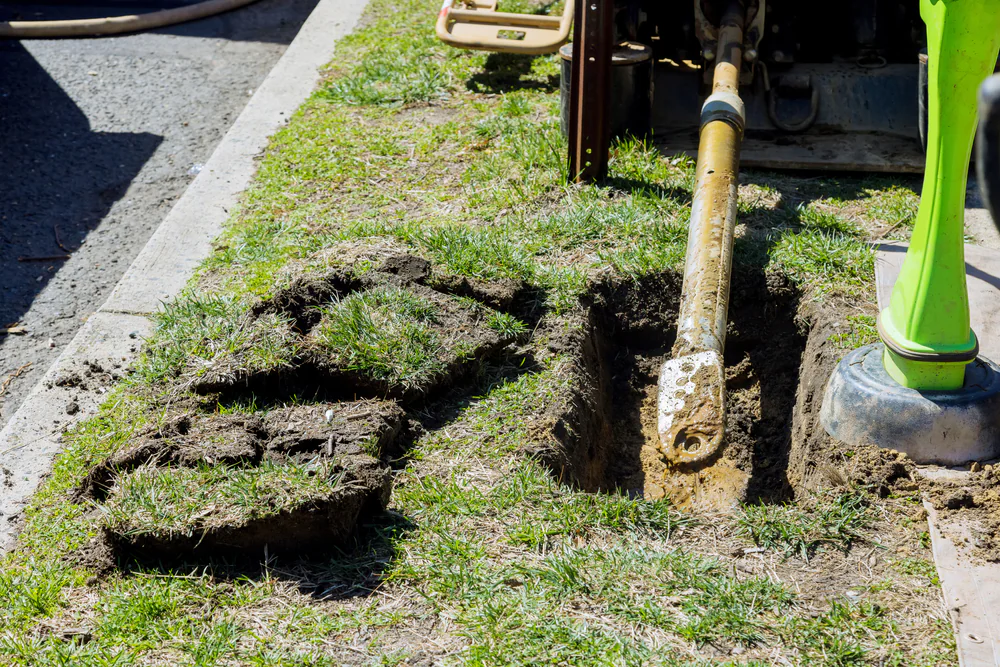
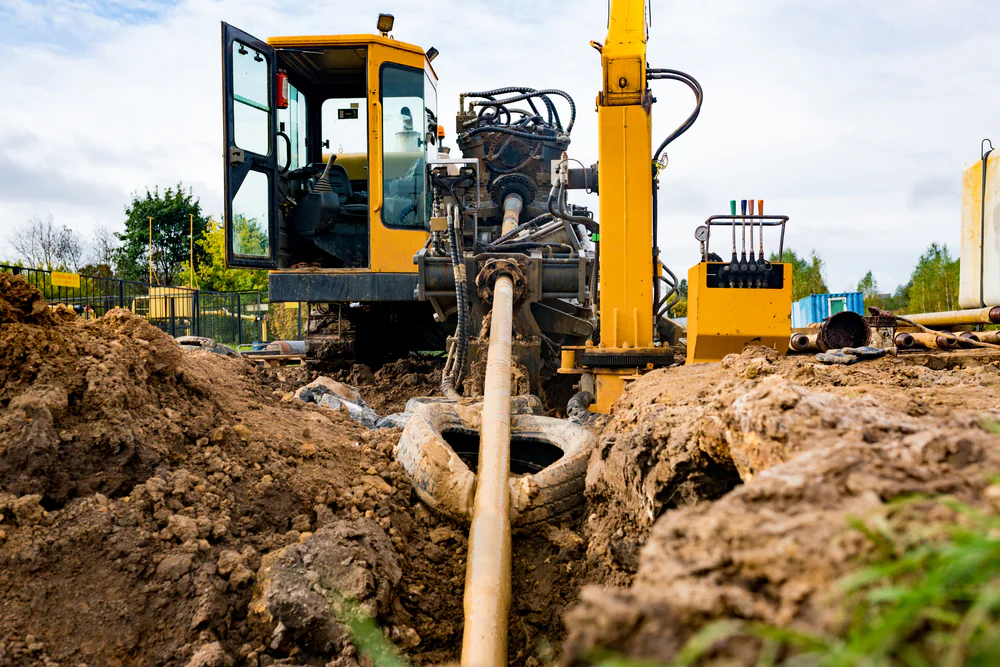
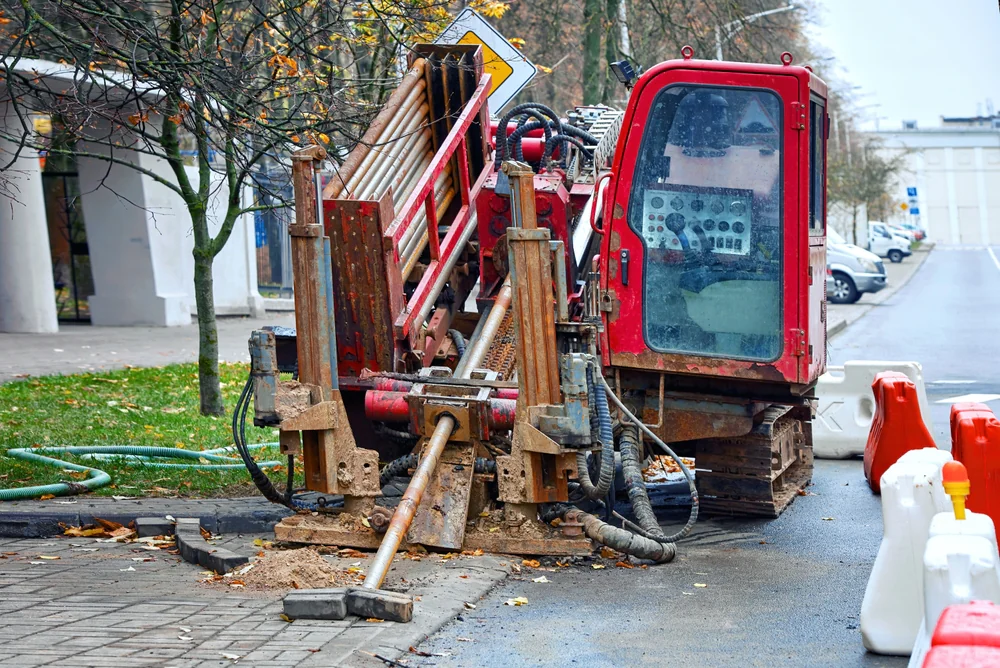
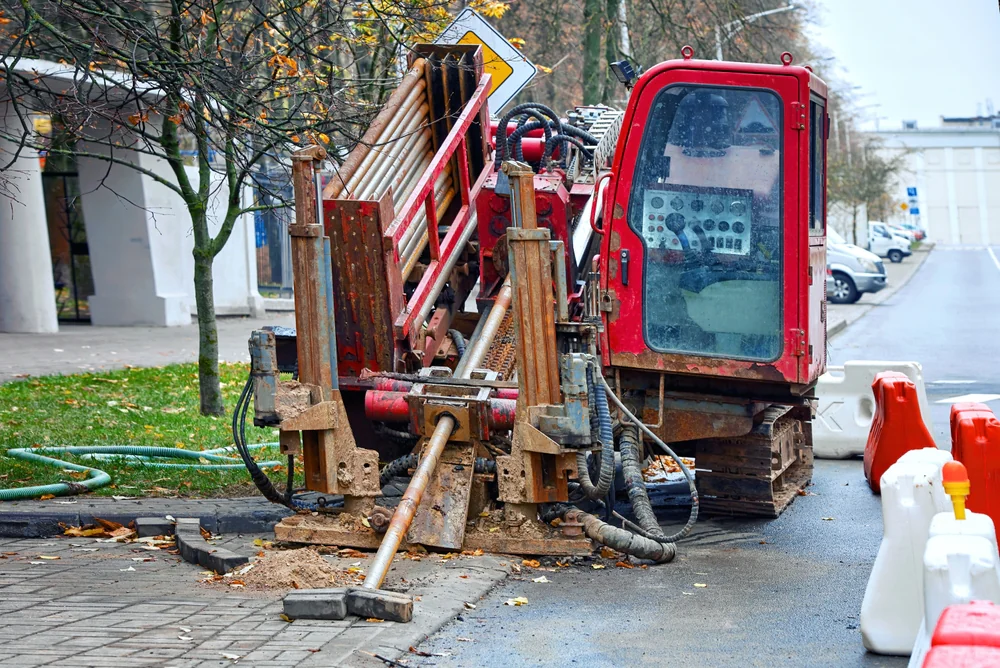
Trenchless directional drilling in Great Neck Estates, NY means your property looks the same when the job’s done as it did before anyone showed up. The equipment bores underground, following a precise path that avoids your landscaping, hardscaping, and anything else you’ve invested in. The new pipe gets pulled through, the small entry and exit points get closed, and you’re done.
This matters in Great Neck Estates because your property value reflects every detail. A patched driveway doesn’t match the original. Replanted grass doesn’t look like established turf. And explaining to a future buyer why sections of your yard were dug up and “restored” isn’t a conversation you want to have.
The other benefit is speed. Most horizontal directional drilling projects finish in a day. Compare that to traditional excavation, which can take a week or more once you factor in digging, pipe installation, backfill, compaction, and surface restoration. You’re back to normal life faster, with no lingering mess.
We’ve been handling underground utility work across Nassau County since 1983. That’s over 40 years of dealing with Long Island soil conditions, local regulations, and properties where precision matters.
Great Neck Estates presents specific challenges. Homes here are often built close together, with mature landscaping and high-end hardscaping. Traditional excavation isn’t just disruptive—it’s expensive to undo. Trenchless methods became our focus because they solve the problems property owners here actually face.
We’re not a general plumbing company that does directional drilling on the side. This is what we do. We’ve run water lines under driveways, installed gas service around established trees, and placed sewer lines where digging wasn’t an option. The equipment, the process, the crew—it’s all built around getting utilities in the ground without tearing up what’s already there.
The process starts with locating existing utilities. Before anything goes in the ground, we need to know where water, gas, electric, and communication lines already are. This prevents the kind of damage that shuts down your block and turns a one-day job into a week-long nightmare.
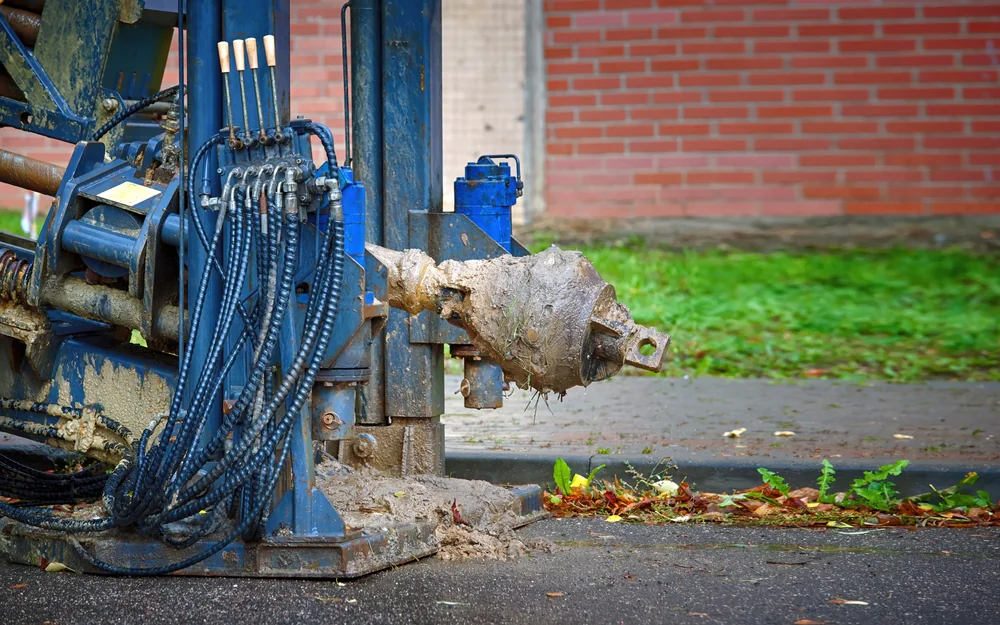
Next, we drill a small pilot hole from the entry point to the exit point. The drill head is steerable, which means we can navigate around obstacles, adjust depth, and follow the path that makes sense for your property. You’ll see a small hole where we start and another where we exit—usually in a lawn area or garden bed where it’s easy to restore.
Once the pilot hole is complete, we attach the new utility line to the drill string and pull it back through. The pipe gets installed in one continuous run, which is actually stronger than traditional methods that require multiple joints. Those joints are where leaks happen years down the road.
After the pipe is in place, we close the entry and exit points. In most cases, you’re looking at small patches of disturbed soil that blend back in within weeks. No torn-up driveway. No destroyed landscaping. No need to repave or replant large sections of your property.
The whole process typically takes a day for residential installations. Larger or more complex projects might take longer, but you’re still looking at a fraction of the time traditional excavation requires.
Ready to get started?
Trenchless directional drilling in Great Neck Estates, NY handles water line installation, gas line installation, sewer line placement, and utility conduit runs. If it needs to go underground and you don’t want to dig a trench, this is the method.
Water line directional drilling is common here because many homes in Great Neck Estates were built in the 1940s or earlier. Original water service lines are reaching the end of their lifespan, and replacing them traditionally means tearing up driveways, walkways, and landscaping. Directional drilling avoids all of that. The new line goes in without touching your driveway, and you’re not dealing with mismatched pavement or settling issues later.
Trenchless gas line installation works the same way. If you’re adding gas service or replacing an old line, the process is fast and contained. You’re not dealing with open trenches near your foundation or landscaping damage that takes months to recover.
The method also works for situations where obstacles make traditional digging impractical. Mature trees with root systems you don’t want to disturb. Existing hardscaping that would cost thousands to remove and replace. Tight spaces between structures where equipment can’t fit. Horizontal directional drilling navigates around these issues instead of forcing you to remove them.
Great Neck Estates properties often have all of these factors. The homes are valuable, the lots are established, and the cost of restoration after traditional excavation can exceed the cost of the utility work itself. Trenchless methods eliminate that problem.
The drilling itself might cost slightly more upfront, but you’re saving thousands on restoration. Traditional excavation requires repaving driveways, replacing sod, resurfacing walkways, and often dealing with settling issues that show up months later.
In Great Neck Estates, where driveways are often paver or stamped concrete and landscaping is professionally maintained, restoration costs add up fast. You’re looking at $3,000 to $10,000 or more just to put things back—and it rarely looks exactly the same.
Trenchless directional drilling eliminates most of that cost. You’re paying for the installation and small patches at entry and exit points. The total project cost is often lower, and you’re not dealing with the headache of coordinating multiple contractors to restore your property.
Yes. That’s the main reason property owners in Great Neck Estates choose this method. The drill path goes under your driveway at whatever depth is needed, and the new water line gets pulled through without disturbing the surface.
You’ll have a small entry point on one side and an exit point on the other—usually in lawn or garden areas where it’s easy to patch. The driveway itself stays intact. No cutting, no removal, no repaving, and no mismatched sections that stand out.
This matters because driveway restoration is expensive and imperfect. Even when contractors try to match the original material, you can usually tell where the work was done. With directional drilling, your driveway looks the same before and after.
Most residential projects in Great Neck Estates finish in a day. You’re looking at a few hours for the actual drilling and pipe installation, plus time for utility locating and site prep.
Larger projects or installations with multiple utility lines might take two days, but that’s still a fraction of the time traditional excavation requires. Digging trenches, installing pipe, backfilling, compacting, and restoring surfaces can take a week or more—and that’s assuming good weather and no complications.
The speed matters because your daily routine isn’t disrupted for long. You’re not dealing with equipment in your driveway for days, piles of dirt sitting on your lawn, or restricted access to your property. The crew shows up, completes the work, and you’re back to normal.
Yes, but it requires careful planning. Before any drilling starts, we locate every existing utility on your property—water, gas, electric, cable, phone, and anything else that’s buried. This tells us where we can safely drill and what depth we need to maintain.
The drill head is steerable, which means we can adjust the path in real time if we encounter an unexpected obstacle. This is a major advantage over traditional digging, where you don’t know what you’ve hit until you’ve already hit it.
Great Neck Estates properties often have decades of utility installations layered underground. Trenchless directional drilling navigates through that complexity without the risk of cutting into existing lines. That’s why it’s become the preferred method in established neighborhoods where underground infrastructure is dense.
The pipes themselves last 50 years or more. High-density polyethylene (HDPE) pipe is standard for trenchless installations, and it’s more durable than traditional materials. It resists corrosion, handles ground movement without cracking, and doesn’t develop leaks at joints because it’s installed in one continuous run.
Traditional pipe installations use multiple sections connected by joints. Those joints are weak points. Over time, ground settling, temperature changes, and pressure fluctuations cause small movements that stress the connections. That’s where leaks develop.
Trenchless installations avoid this problem. The pipe goes in as a single piece from start to finish. There are no joints underground to fail. You’re getting a stronger, longer-lasting installation that’s less likely to need repairs down the road.
It works in most soil conditions, including the mix of clay, sand, and rocky material common in Great Neck Estates. The drill head is designed to handle varying ground conditions, and the operator adjusts pressure and angle based on what the equipment encounters.
Rocky soil slows the process down but doesn’t stop it. Clay is actually easier to drill through than loose sand because it holds the bore path open. Very loose or saturated soil can present challenges, but those same conditions make traditional excavation difficult too—and at least with directional drilling, you’re not dealing with trench walls collapsing or water pooling in open excavations.
Long Island soil is generally well-suited for trenchless methods. We’ve completed hundreds of installations across Nassau County without running into conditions that required switching to traditional excavation. The equipment and technique handle what’s underground here.
Other Services we provide in Great Neck Estates