
Hear from Our Customers
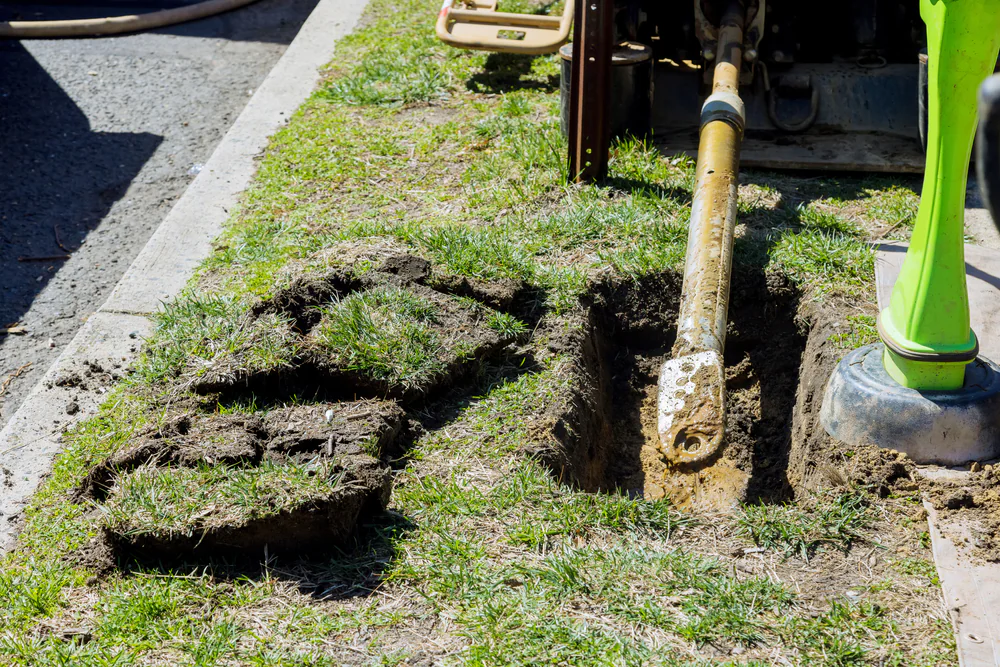
You avoid the nightmare of traditional excavation. No one’s ripping up your driveway to run a water line. No crew is tearing through your landscaping to install gas service. No restoration bills after the job’s done.
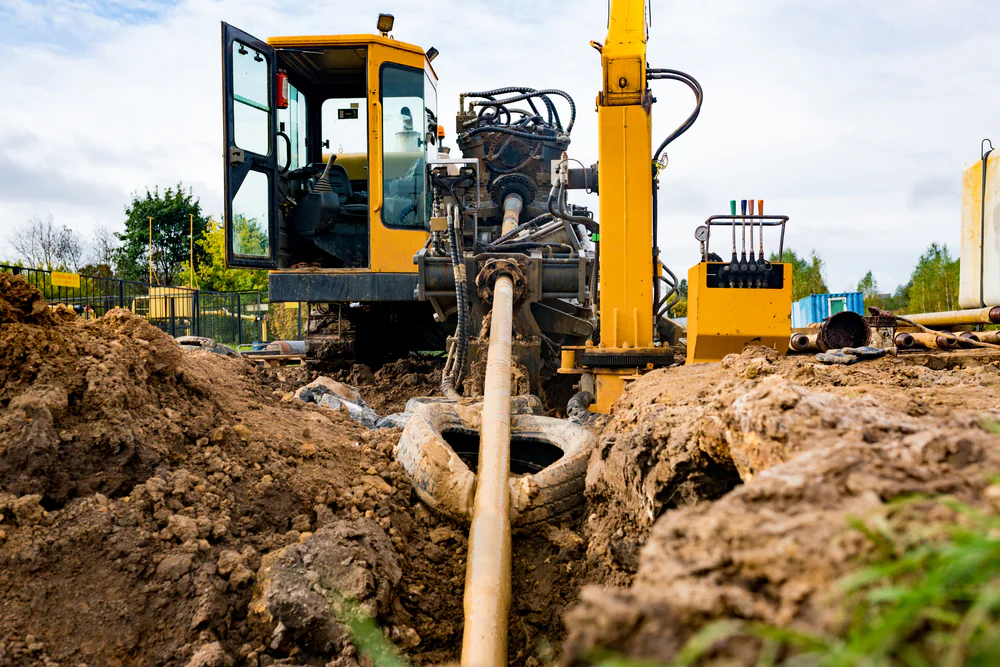
Horizontal directional drilling in Fire Island, NY means we bore underground and navigate around obstacles—tree roots, existing utilities, hardscape you’ve invested in. The drill head adjusts direction as it moves through the soil. When it reaches the exit point, we attach your new pipe and pull it back through the path we just created.
Your property looks the same when we leave. The new utility line is in place and functional. You didn’t lose weeks to a torn-up yard or thousands to landscape repair.
This method works for water line directional drilling in Fire Island, NY, trenchless gas line installation, conduit runs for electrical, and fiber optic cable. If it needs to go underground and you don’t want surface destruction, this is how it gets done.
We’ve served Nassau and Suffolk Counties for over 40 years. We’re not new to trenchless technology—we’ve been leading this industry since 1980, back when most companies were still digging trenches for everything.
Fire Island properties come with unique challenges. Coastal soil conditions, environmental regulations, limited access, and the simple fact that your property is valuable and hard to restore once it’s torn apart. We’ve handled these variables hundreds of times.
You’re working with a family-owned operation that’s seen every soil type, every utility configuration, and every “this property is impossible” scenario Long Island can throw at us. We show up with the right equipment and the experience to use it correctly.
We start with a site assessment. We locate existing utilities, confirm entry and exit points, and map the drill path. This isn’t guesswork—we’re identifying obstacles before the drill ever touches ground.
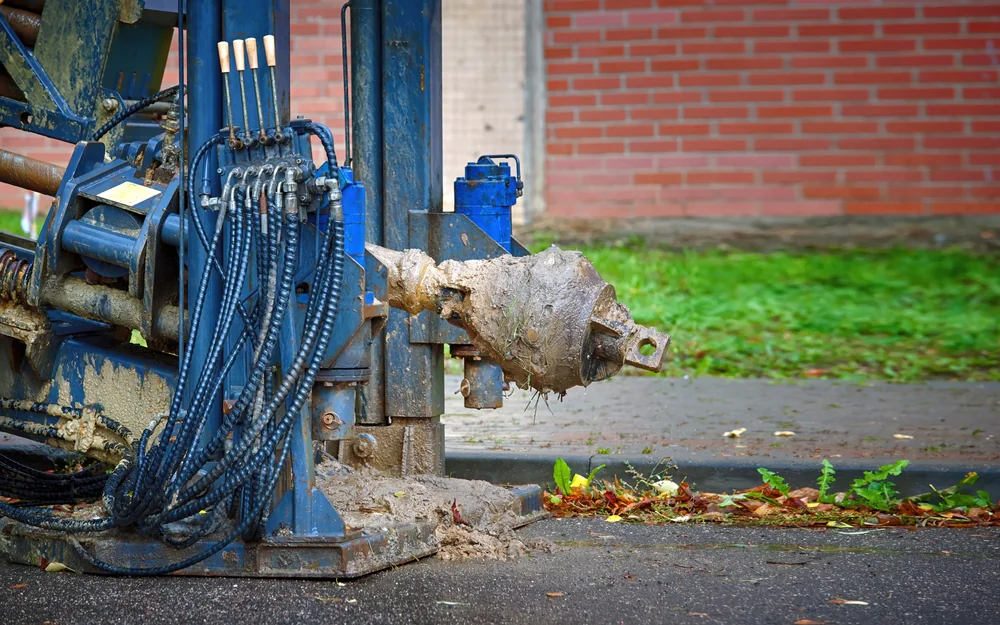
Next, we set up the drilling rig at the entry point. The drill head goes into the ground at a calculated angle and depth. As it moves forward, we’re tracking its position and adjusting direction as needed. If we hit rock or an unexpected obstruction, the drill can curve around it.
Once the drill head reaches the exit point, we attach your new pipe—whether that’s water line, gas line, or conduit. Then we pull it back through the bored path. The pipe gets seated underground in one continuous run.
We test the line, make the final connections, and restore the small entry and exit points. The bulk of your property never gets touched. Most trenchless directional drilling services in Fire Island, NY wrap up faster than traditional methods, and you’re not left with a restoration project when we’re gone.
Ready to get started?
This method handles water service installations when you need a new line from the street to your home. It works for gas line runs that would otherwise require tearing up driveways or cutting through landscaped areas. It’s the go-to for conduit installation when you’re adding electrical service or fiber optic cable.
Fire Island’s environmental regulations make trenchless methods even more practical. You’re dealing with protected coastal areas, strict permitting, and oversight that makes traditional excavation a bureaucratic headache. Directional drilling typically requires fewer permits because you’re not disturbing the surface or impacting drainage patterns.
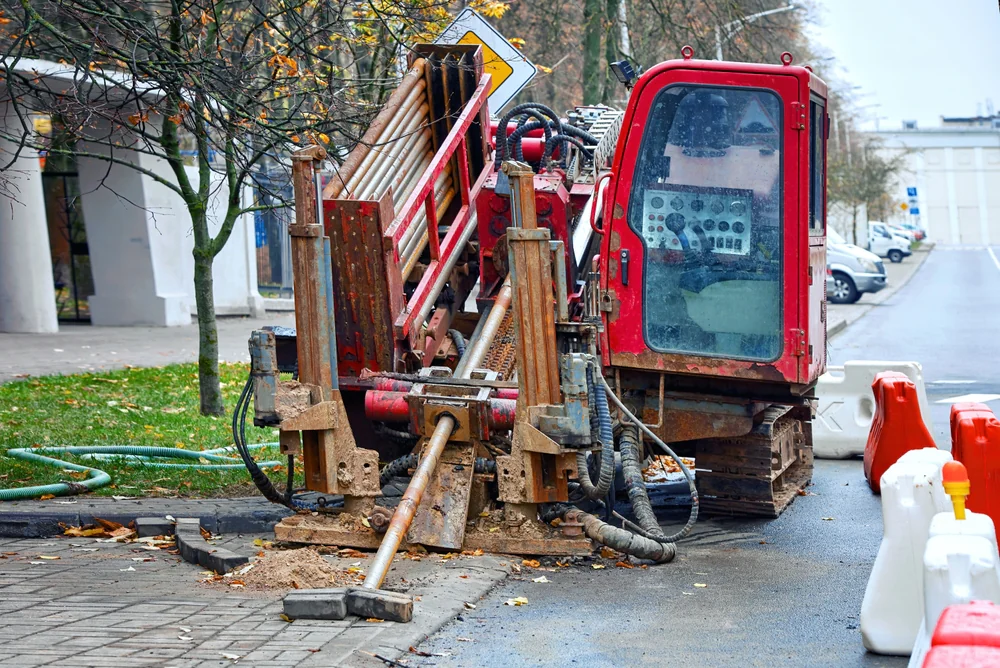
The technology works in tight spaces where excavation equipment can’t fit. It navigates under existing structures—roads, walkways, patios—without compromising their integrity. For Fire Island properties where access is limited and restoration options are expensive, this is often the only method that makes financial sense.
You also avoid the timeline delays that come with open trenching. Traditional excavation means coordinating with multiple inspectors, managing traffic control, and waiting for backfill to settle before restoration. Directional drilling keeps the project moving because the surface disruption is minimal.
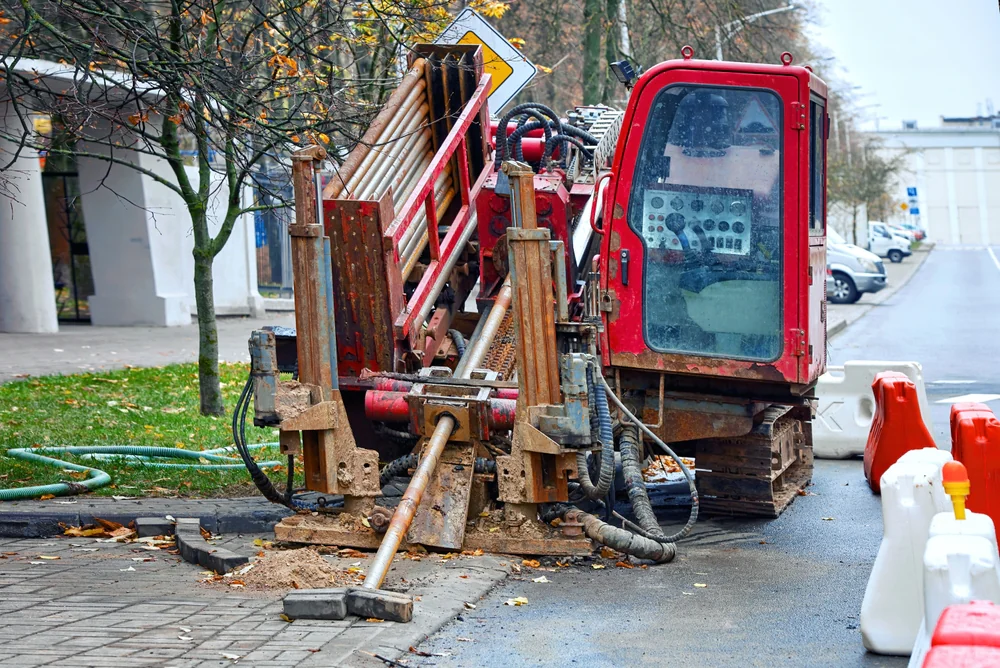
Yes. That’s exactly what horizontal directional drilling does.
We drill underneath your driveway at a depth that clears the foundation and any subsurface layers. The drill enters on one side and exits on the other. Once the path is bored, we pull the water line through. Your driveway never gets cut, and you don’t pay for asphalt or concrete restoration afterward.
This works for driveways, walkways, patios, and any hardscape you want to preserve. The entry and exit points are small—usually just enough room for the drill and pipe diameter. We restore those spots when we’re done, but the main surface stays untouched.
Most directional drilling projects in Fire Island, NY finish faster than open-cut trenching. A typical residential water or gas line installation takes one to two days, depending on distance and soil conditions.
Traditional excavation involves digging the trench, shoring it if needed, laying the pipe, backfilling, compacting, and then restoring the surface. Each step has a timeline, and weather or inspection delays can stretch the project over a week or more.
With directional drilling, we’re not waiting for backfill to settle or coordinating surface restoration. The pipe goes in, we test it, and the job’s done. You’re not dealing with an open trench on your property or a multi-phase restoration process.
We install water lines, gas lines, electrical conduit, and fiber optic cable using trenchless directional drilling in Fire Island, NY. The method works for any utility that runs underground and benefits from avoiding surface excavation.
Water line directional drilling is common for new service connections or replacements where the existing line failed. Trenchless gas line installation handles residential and commercial gas service without tearing up landscaping. Conduit runs are standard for electrical upgrades or when you’re adding data lines.
The pipe diameter and material depend on the utility and local code requirements. We pull HDPE, PVC, steel, or copper depending on what the application calls for. The drilling equipment adjusts to handle different pipe sizes and weights.
Yes. Fire Island’s sandy coastal soil is actually well-suited for directional drilling. Sand allows the drill to move through with less resistance than clay or dense soil, and it’s easier to navigate around obstacles.
We do encounter challenges—occasional rock layers, high water tables, or areas where soil composition changes mid-run. The drilling equipment handles these variables by adjusting angle and pressure. If we hit something that won’t bore through, the drill can curve around it rather than forcing straight through.
We’ve worked throughout Nassau and Suffolk Counties for decades, so Fire Island’s soil conditions aren’t new to us. We know what to expect and how to adjust the approach based on what we find during the site assessment.
In most cases, yes. Directional drilling typically involves less permitting because you’re not disturbing the surface, altering drainage, or impacting traffic flow. Fire Island’s environmental regulations still apply, but the approval process is often simpler when you’re not excavating.
Traditional open-cut trenching requires permits for excavation, traffic control if you’re working near roads, and environmental review if you’re in protected areas. Each permit has a timeline and an approval process. Delays at any stage push the project back.
With trenchless methods, you’re still pulling permits for the utility work itself, but the surface impact permits often don’t apply. That means fewer approvals, shorter timelines, and less coordination with local authorities. We handle the permitting as part of the project, so you’re not navigating that process on your own.
Most properties in Fire Island, NY can accommodate trenchless directional drilling. The main factors are access to entry and exit points, distance of the run, and depth requirements for the utility.
If your property has limited space for excavation equipment, directional drilling is often the better option. If you’re trying to avoid disturbing landscaping, hardscape, or structures, this method makes sense. If local regulations or environmental restrictions make traditional trenching difficult, trenchless technology solves that problem.
We assess your property before quoting the job. We locate existing utilities, check soil conditions, and confirm the drill path is clear. If directional drilling isn’t the right fit, we’ll tell you upfront and explain why. Most of the time, though, it’s the most efficient and least disruptive way to get the utility line installed.
Other Services we provide in Fire Island