
Hear from Our Customers
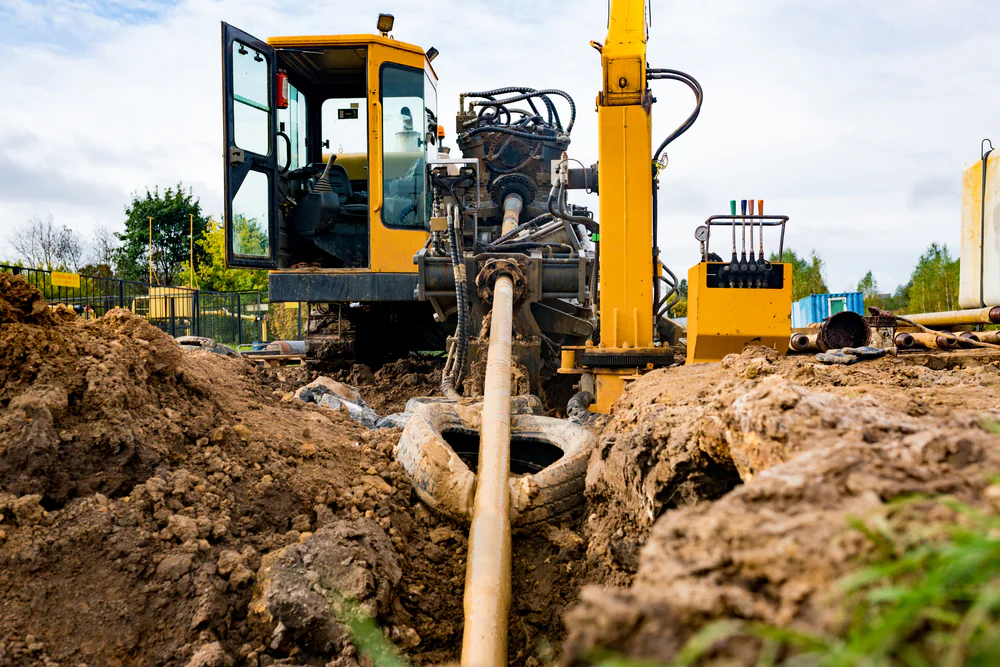
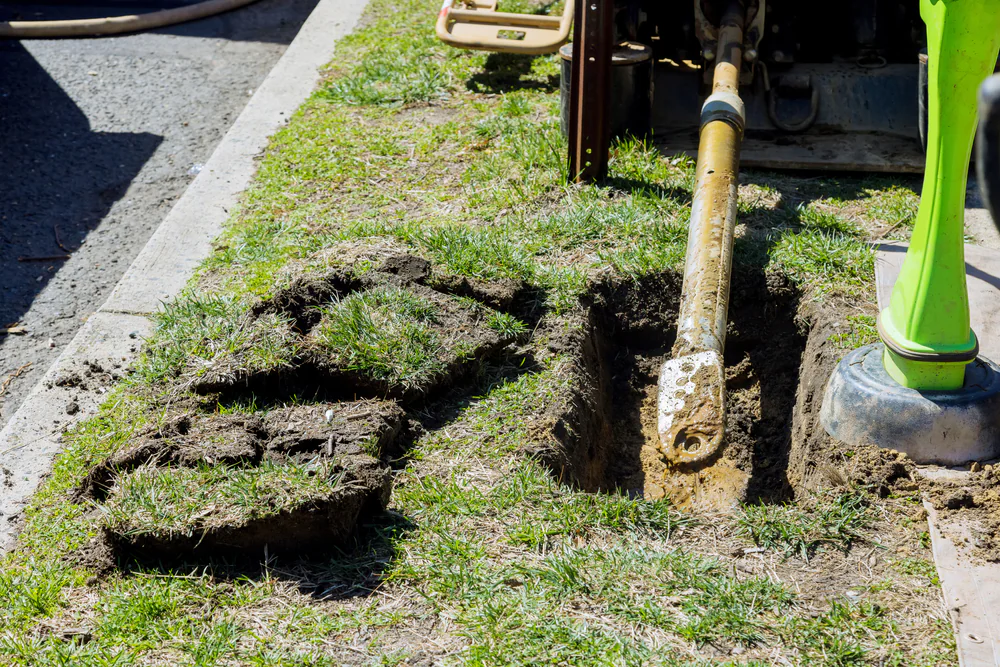
Traditional trenching means weeks of torn-up property, expensive restoration, and the constant worry about what else might get damaged in the process. Trenchless directional drilling in East Farmingdale changes that equation entirely.
We drill a precise path underground and pull new utility lines through without disturbing what’s above. Your asphalt driveway stays sealed. Your landscaping remains exactly as it was. Your daily routine continues without detours, barriers, or cleanup crews parked in front of your house for days.
Most jobs finish in a single day. You’re not waiting for excavators to dig, then waiting again for restoration crews to patch everything back together. The work happens below grade, the connection gets made, and you move on with your life.
This matters in East Farmingdale, where properties are established and every square foot of your yard serves a purpose. You shouldn’t have to sacrifice your driveway or landscaping investment just to connect a water line or replace a sewer lateral.
We’ve handled underground utility work across Nassau County since 1983. We’re licensed, insured, and maintain good standing with both Nassau County Consumer Affairs and local plumbing departments.
We own the specialized directional drilling equipment required for this work. That means no subcontractors, no delays waiting for someone else’s schedule, and no finger-pointing if something needs adjustment.
East Farmingdale properties—whether residential homes near Republic Airport or commercial buildings along Route 110—face the same challenge Long Island has always presented: dense development where digging creates problems. We’ve been solving that problem with trenchless technology for years, and we’re available 24/7 when urgent utility work can’t wait.
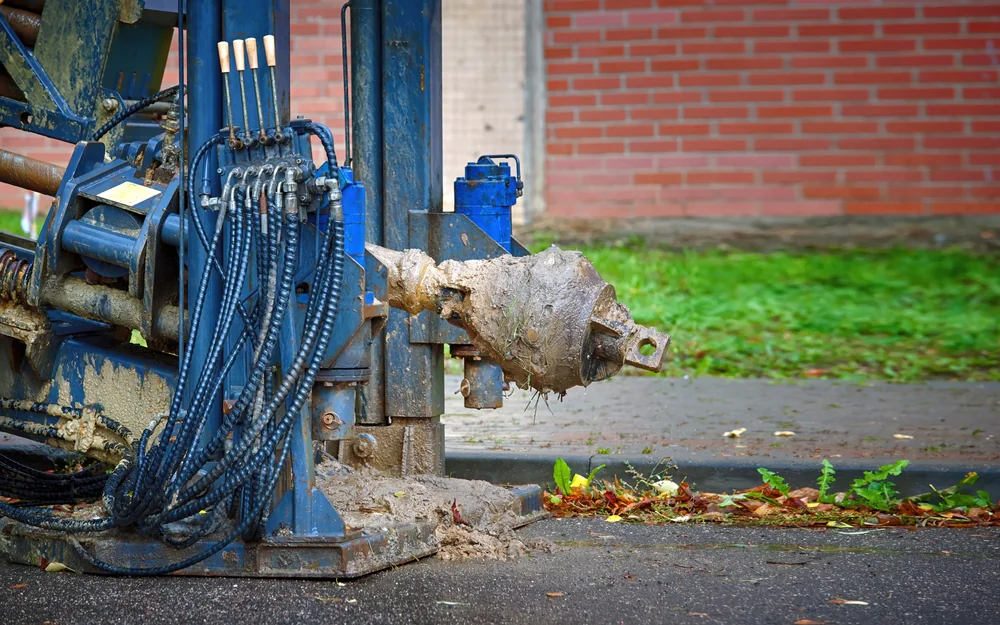
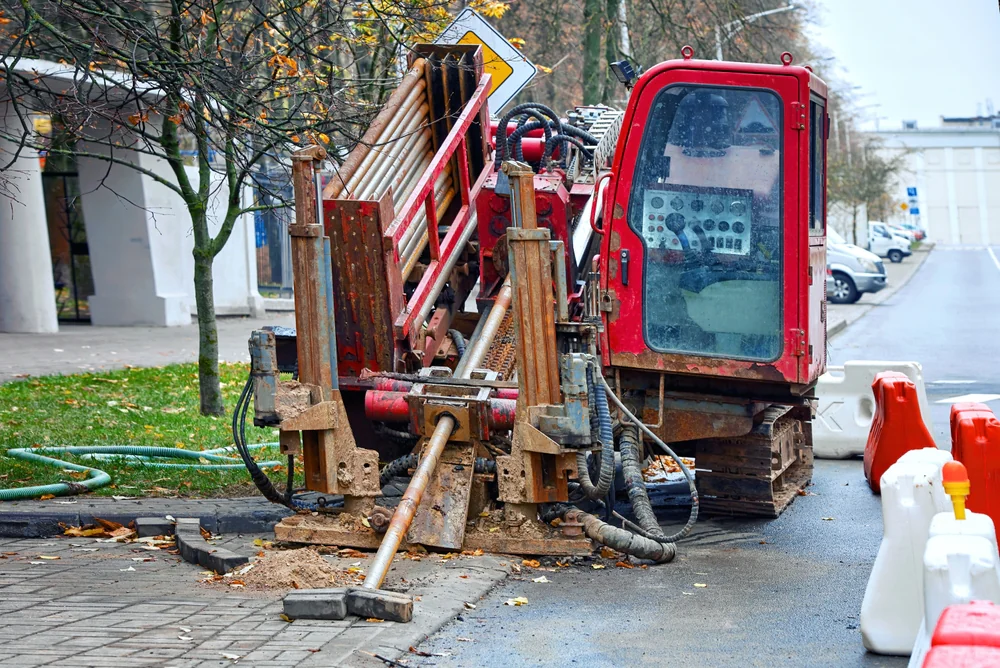
We start with two small access points: one where the utility line begins, one where it needs to end. These are typically just a few feet wide—nothing like the long trenches traditional excavation requires.
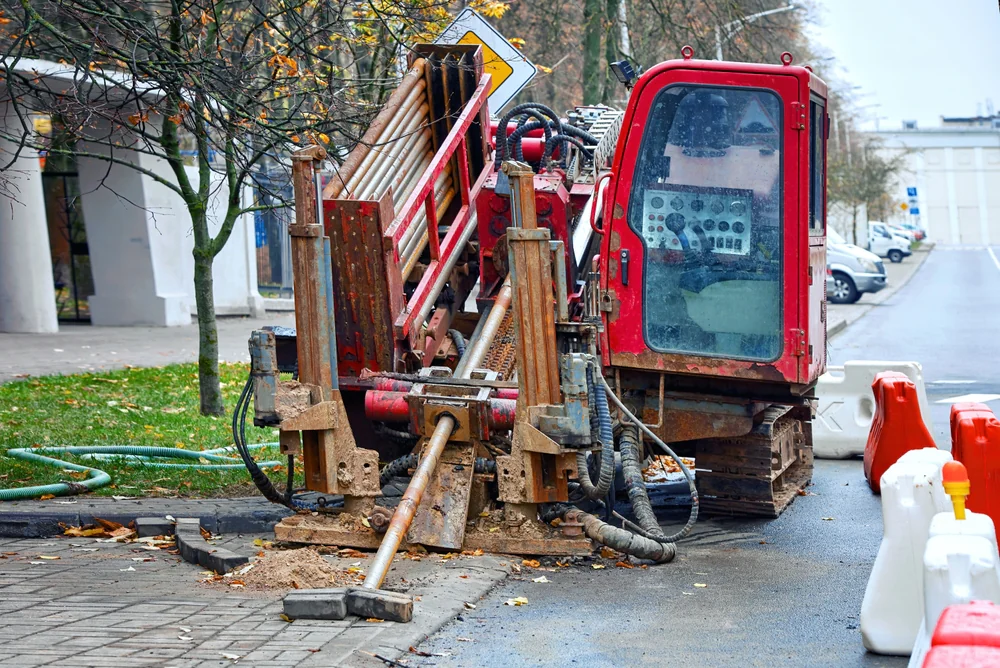
Our directional drill creates a pilot hole underground, following a predetermined path that avoids existing utilities, tree roots, and any obstacles in the way. We use locating technology to track the drill head in real time, so we know exactly where it is at every moment.
Once the pilot hole reaches the exit point, we attach the new utility line—whether that’s HDPE water pipe, gas line, or sewer conduit—and pull it back through the drilled path. The line gets seated underground in one continuous length, with no joints or seams where problems typically develop later.
After the pull-through, we complete the connections at both ends, backfill the small access points, and you’re done. The surface above looks virtually untouched. No saw-cut asphalt to repave. No topsoil mixed with clay. No landscaping to replant.
The entire process often wraps up the same day, depending on distance and depth. You get a new utility connection without the destruction, cost, and time that traditional digging demands.
Ready to get started?
We handle water line directional drilling in East Farmingdale for new service connections, replacements, and upgrades. High-density polyethylene pipe goes in seamlessly—no joints for tree roots to infiltrate, and a lifespan that exceeds fifty years.
Trenchless gas line installation works the same way. Whether you’re connecting to natural gas for the first time or replacing an aging line, the installation happens underground without disturbing hardscaping above.
Sewer laterals and drainage lines also get installed using horizontal directional drilling. This matters in Nassau County, where aging infrastructure and environmental concerns make proper sewer connections critical. Long Island’s sole-source aquifer depends on reducing contamination from failing septic systems, and trenchless methods let you make those upgrades without tearing apart your property.
The process works under driveways, sidewalks, landscaped areas, and even beneath structures where open-cut trenching isn’t feasible. If you’ve been putting off utility work because you didn’t want to destroy your driveway or lose mature landscaping, trenchless directional drilling removes that obstacle.
The upfront cost of directional drilling is often comparable to traditional excavation—sometimes slightly higher depending on soil conditions and distance. But that’s not the full picture.
Traditional trenching requires restoration work after the utility gets installed. That means repaving asphalt, replacing concrete, re-grading and reseeding landscaping, and often dealing with drainage issues that develop after soil gets disturbed. Those restoration costs add up quickly, and they’re not optional.
Trenchless drilling eliminates most of that restoration expense. You’re left with two small access points to backfill instead of a long trench to reconstruct. For properties with established landscaping, paver patios, or newer driveways, the savings in restoration work alone often makes directional drilling the more economical choice—even before you factor in the time saved and disruption avoided.
Yes. That’s exactly what trenchless directional drilling was designed to do.
We create a small entry point on one side of your driveway and an exit point on the other side. The drill passes underneath the asphalt at a depth that clears any base material, and the new water line gets pulled through that underground path.
Your driveway surface never gets touched. No saw cutting, no excavation, no patching. This works for asphalt driveways, concrete driveways, paver driveways—any hardscaping you want to preserve.
The same approach works for sidewalks, landscaped areas, and even under buildings in some cases. If there’s a clear path underground and enough working space at both ends, directional drilling can usually make the connection without disturbing what’s above.
Most residential directional drilling jobs finish in one day. That includes the drilling, the pipe installation, the connections, and the cleanup.
The timeline depends on distance, depth, and soil conditions. A straightforward 100-foot water line installation under a driveway might take just a few hours. A longer run with multiple direction changes or challenging soil could extend into a full day.
Compare that to traditional trenching, which often takes several days—one day to excavate, another day to install the utility, and additional time for backfill and restoration. Then you’re waiting for paving contractors or landscapers to finish their part of the work.
Directional drilling condenses that timeline significantly. You’re typically back to normal the same day we start, without the extended disruption that comes with open trenching.
Directional drilling creates a new underground path and installs a utility line where none existed—or where you want to avoid the existing route entirely. It’s ideal for new installations, service upgrades, or situations where the old line’s location isn’t suitable anymore.
Pipe bursting is a trenchless replacement method that breaks apart the existing pipe while simultaneously pulling a new pipe through the same path. It works when you already have a utility line in place and the route itself is fine—you just need to replace the pipe.
Both are trenchless methods, but they solve different problems. If your old sewer line runs under a mature tree and you want to avoid root issues in the future, directional drilling lets you create a new route around the tree. If your water line is in a good location but the pipe itself is failing, pipe bursting replaces it without changing the route.
We assess your specific situation and recommend the method that makes the most sense for your property and your goals.
Directional drilling works in most soil conditions, but some situations require adjustments to equipment or technique.
Sandy soil and loamy soil are ideal—the drill advances smoothly and the bore hole stays stable. Clay soil works well too, though it requires more torque and sometimes drilling fluid to manage friction and keep the path clear.
Rocky soil or areas with large boulders can slow progress or require a different approach. In some cases, we’ll use rock-cutting tools or adjust the bore path to avoid obstacles. Extremely rocky conditions might make traditional excavation more practical, but that’s rare.
Groundwater and saturated soil don’t typically stop directional drilling, though they do require careful management of drilling fluid and bore stability. We’ve completed plenty of installations in wet conditions without issue.
The key is assessing site conditions before we start. We locate existing utilities, evaluate soil type, and plan the bore path accordingly. That upfront work prevents surprises and keeps the job moving efficiently.
Not if the job is planned and executed correctly—which is why we locate all existing utilities before drilling starts.
We use underground utility locating equipment to map out electric lines, gas lines, water lines, sewer lines, phone lines, cable lines, and anything else that’s already buried on your property. That information determines the depth and path of the new bore.
During drilling, we track the drill head’s position in real time using locating technology. We know exactly where it is underground, which keeps it clear of existing utilities and prevents accidental contact.
The drill path itself is also designed with adequate separation from existing lines. We’re not guessing or hoping we miss something—we’re following a planned route based on confirmed utility locations.
This is standard procedure for any reputable directional drilling company. The risk of utility damage comes from skipping the locating step or rushing the planning process, neither of which happens when the work is done right.
Other Services we provide in East Farmingdale