
Hear from Our Customers
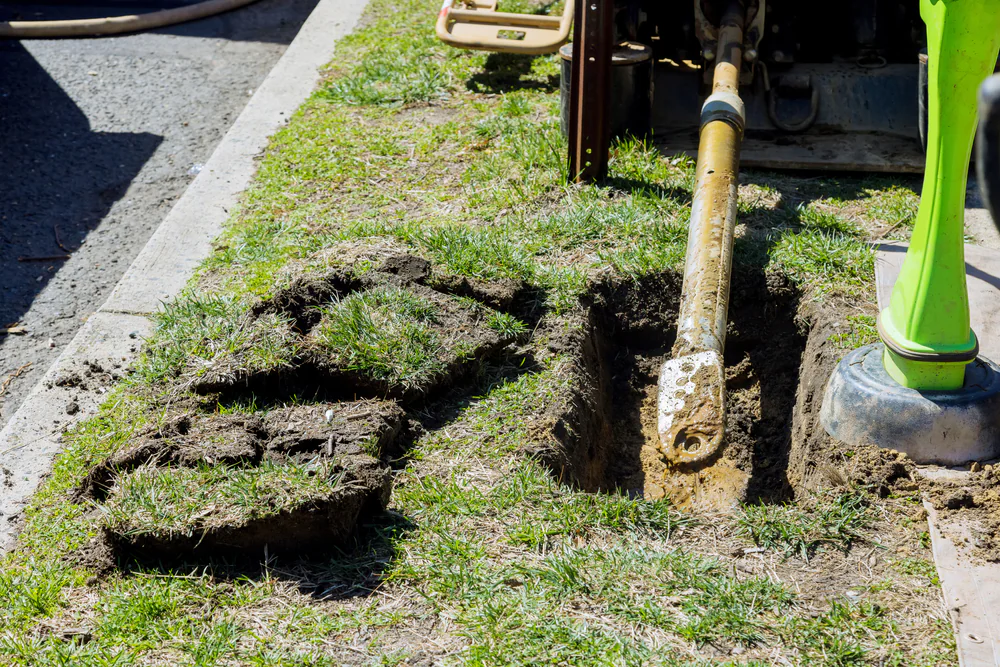
Your driveway stays intact. Your landscaping doesn’t get ripped apart. Your schedule doesn’t get hijacked by weeks of open trenches and restoration work.
Trenchless directional drilling services in Davis Park, NY let you install water lines, gas lines, electrical conduits, and sewer connections underground without the surface destruction that comes with traditional excavation. The drill goes beneath obstacles—driveways, sidewalks, mature trees, existing utilities—while you keep using your property.
Projects finish faster because there’s no trench to dig, no soil to haul, and no landscape to rebuild afterward. You’re looking at days instead of weeks. And because the work happens below ground, weather delays don’t stop progress the way frozen soil shuts down open-cut jobs.
The installation itself is built to last 50 to 100 years. That’s not marketing talk—it’s what the materials are rated for. You handle this once and move on.
We’ve been handling plumbing and environmental work across Nassau and Suffolk Counties since 1983. We’re a family-owned operation, which means the people who answer the phone are the same people who show up to your property.
We don’t subcontract directional drilling work. Our crew brings the equipment, does the job, and stands behind it with a five-year guarantee on new alteration work and two years on new plumbing installations.
Davis Park properties deal with sandy soil, high water tables, and limited access in some areas. We’ve worked through those conditions enough times to know what actually works and what creates problems three months later.
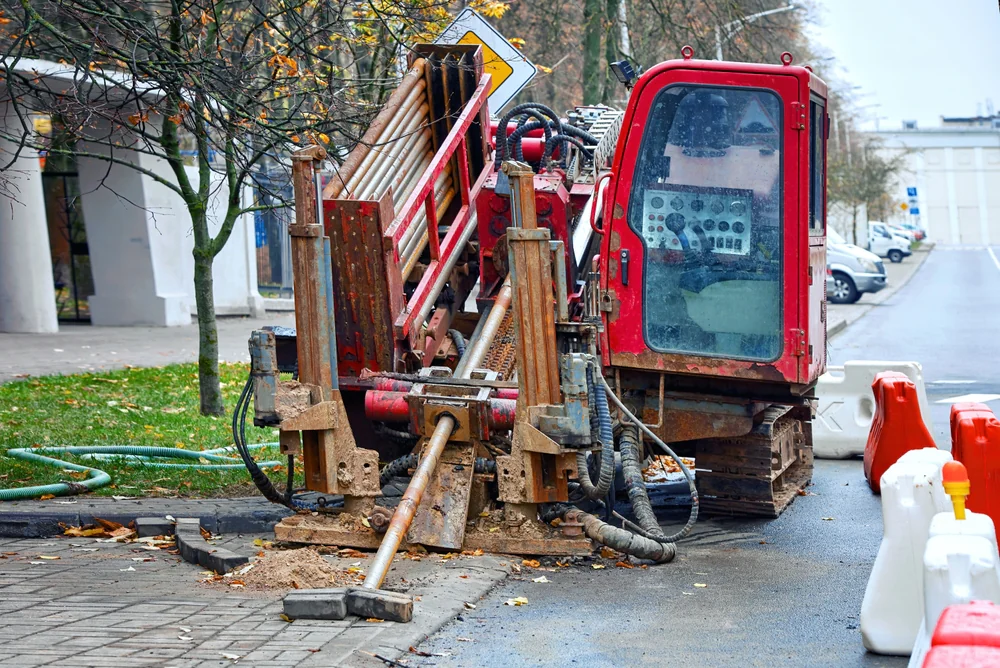
We start with a site assessment to map out underground utilities, identify obstacles, and determine the drill path. That includes locating existing water lines, gas mains, electrical conduits, and anything else that could interfere with the bore.
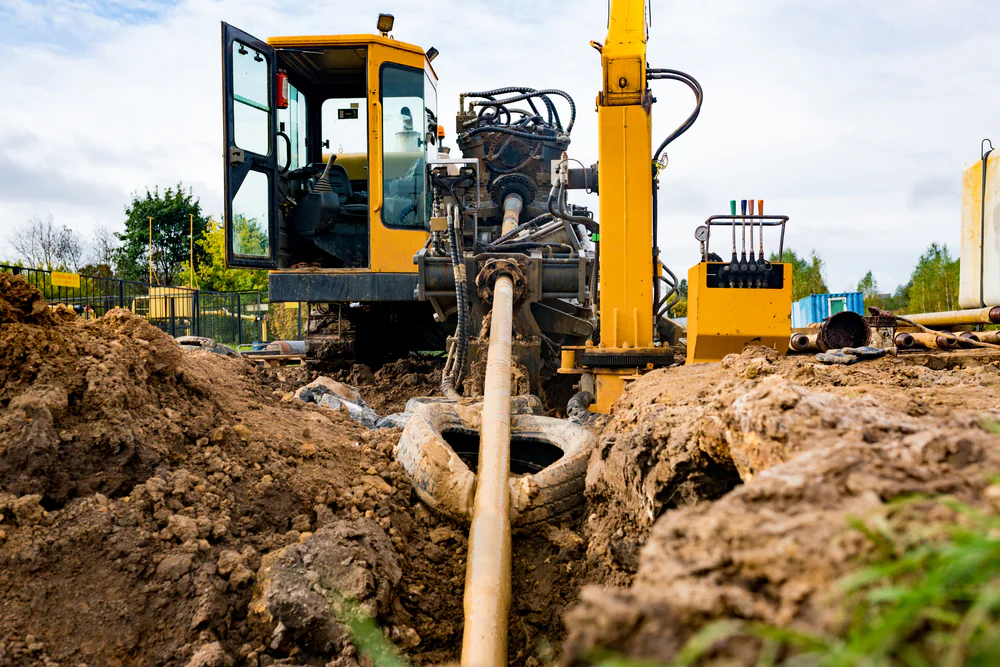
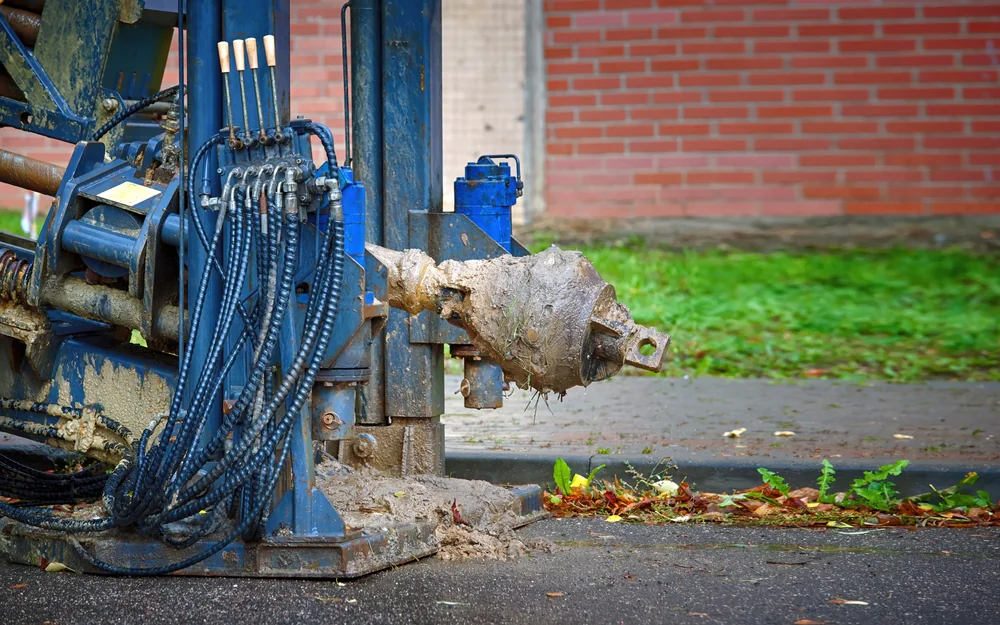
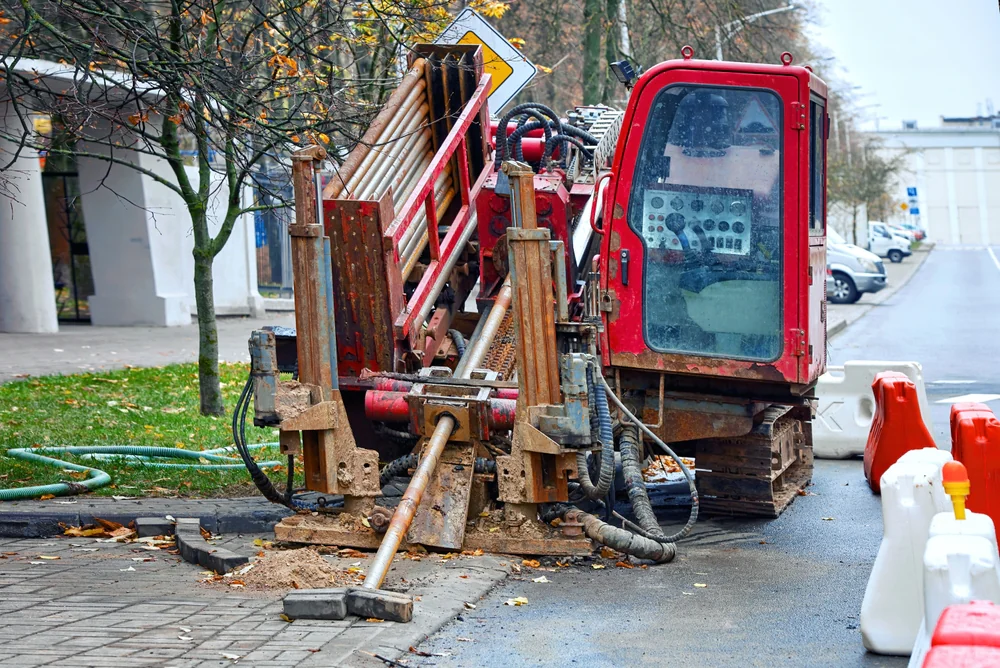
Once the path is clear, we drill a pilot hole from the entry point to the exit point using a steerable drill head. The operator tracks the drill’s position in real time and adjusts direction to avoid obstructions or stay within the planned depth range. This is where horizontal directional drilling separates itself from old-school trenching—you’re not locked into a straight line, and you’re not guessing what’s in the way.
After the pilot hole is complete, we ream it out to the diameter needed for your utility line. Then we pull the new pipe, conduit, or cable through the bored path in one continuous run. The entry and exit points get backfilled and restored, usually the same day.
You end up with a fully installed utility line and a property that looks like we were never there. No torn-up lawn. No driveway repair. No waiting for contractors to come back and fix what got destroyed during installation.
Ready to get started?
Water line directional drilling in Davis Park, NY handles new service connections, replacements for aging lines, and installations where traditional digging isn’t practical. If your water line runs under a driveway, through a landscaped yard, or near other utilities, drilling keeps everything intact while the new line goes in.
Trenchless gas line installation works the same way. The gas line gets routed underground without excavation, which matters when you’re dealing with existing hardscaping, mature trees, or areas where open trenches create liability issues. The process also cuts down on permit complications since you’re not tearing up roads or disturbing large sections of property.
Electrical and fiber optic conduits go in using the same method. Contractors use directional drilling to run service lines under streets, around buildings, and through areas where surface access is limited or expensive to restore.
Davis Park’s coastal location means high water tables and sandy soils that don’t always cooperate with traditional trenching. Directional drilling bypasses those issues by working at controlled depths where soil conditions stay stable. You’re not dealing with trench collapse, groundwater infiltration, or the extended timelines that come with fighting the water table.
Yes. That’s the main reason most people look into trenchless directional drilling in Davis Park, NY.
The drill enters from one side of the driveway and exits on the other, running the water line underneath without breaking concrete or asphalt. You don’t pay for driveway removal, and you don’t pay for driveway replacement. The surface stays intact.
This works for asphalt driveways, concrete driveways, paver driveways, and gravel driveways. The drill depth adjusts based on what’s above it, so the line goes deep enough to avoid future issues but stays shallow enough to keep the project efficient. Once the line is pulled through, the small entry and exit holes get backfilled and you’re done.
Most residential projects finish in one to three days, depending on distance, soil conditions, and what’s getting installed.
A straightforward water line or gas line installation under a driveway usually wraps up in a day. Longer runs, multiple utility lines, or jobs that require working around other underground infrastructure take more time, but you’re still looking at days instead of the weeks that traditional excavation requires.
Weather doesn’t slow things down the way it does with open trenching. The drill works below the frost line where soil conditions stay consistent, so frozen ground or wet weather doesn’t stop progress. That’s a big advantage on Long Island, where winter ground freeze can go twelve inches deep and shut down conventional digging for months.
Upfront costs can be higher, but total project costs usually come out lower once you factor in restoration, labor, and time.
Traditional excavation means digging a trench four to six feet deep, removing and hauling soil, installing the utility, backfilling, and then restoring whatever got torn up—lawns, driveways, sidewalks, landscaping. Those restoration costs add up fast, and they’re not optional. You’re paying for the damage either way.
Directional drilling skips the destruction. There’s no trench to dig, no landscape to rebuild, and no extended labor costs from multi-week projects. The drilling itself costs more per linear foot than open-cut trenching, but you’re not spending thousands on driveway replacement or waiting for contractors to come back and fix your yard. When you run the numbers on the full project—not just the installation—trenchless usually wins.
The drill head is steerable, so the operator can adjust direction in real time to avoid obstacles.
Before drilling starts, we locate existing utilities using ground-penetrating radar, utility maps, and manual locating services. That tells us where water lines, gas mains, electrical conduits, and sewer lines are positioned so we can plan a path that avoids them.
If the drill encounters an unexpected obstruction—rock, debris, an unmarked utility—the operator can change direction or adjust depth to work around it. The drill doesn’t push through blindly. The tracking system shows exactly where the drill head is at all times, so adjustments happen before problems turn into damage.
That’s a major advantage over traditional excavation, where you don’t know what’s in the ground until you’re already digging. Directional drilling gives you control and visibility throughout the process.
It works in most soil conditions, including the sandy, high-water-table soils common in Davis Park, NY.
Sandy soil is actually easier to drill through than heavy clay or rock. The drill moves efficiently, and the soil conditions stay stable at depth even when surface conditions are wet or loose. High water tables don’t stop the process the way they complicate open trenching, where groundwater floods the trench and creates ongoing pumping and shoring costs.
Rocky soil or areas with large underground obstructions require more planning and sometimes specialized drill bits, but the work still gets done without surface excavation. The drill can navigate around obstacles or power through softer rock depending on what the site assessment reveals.
Soil type affects project speed and equipment selection, but it rarely makes directional drilling impossible. If your property has conditions that would make traditional trenching difficult or expensive—wet soil, unstable ground, limited access—trenchless methods usually perform better, not worse.
The materials used in trenchless installations are rated to last 50 to 100 years under normal conditions.
High-density polyethylene pipe, which is standard for water and gas line installations, doesn’t corrode, crack from ground movement, or degrade from soil contact. It’s flexible enough to handle settling and temperature changes without failing, and it’s strong enough to hold up under traffic loads when installed under driveways or roads.
The installation method also contributes to longevity. Because the pipe goes in as one continuous run with no joints or seams underground, there are fewer failure points compared to traditional pipe installations that get pieced together inside a trench.
You’re not looking at a temporary fix or a stopgap solution. This is a permanent installation that outlasts most of the components in your home’s plumbing and utility systems. Once it’s in, you’re done thinking about it for decades.
Other Services we provide in Davis Park