
Hear from Our Customers
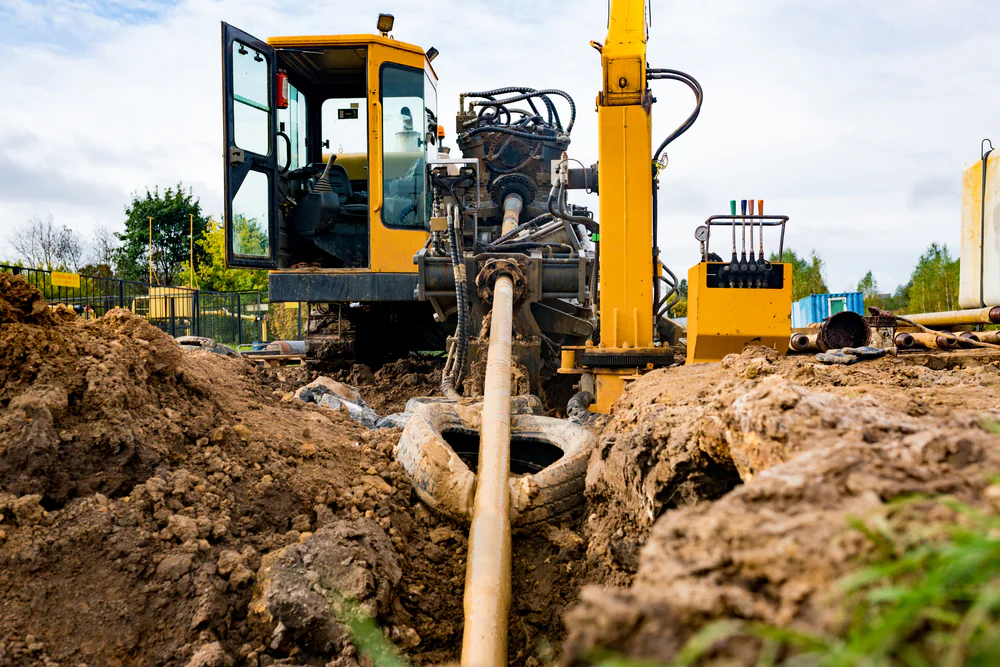
When you need a new utility line run to your home, traditional excavation means tearing up your driveway, ripping through landscaping, and spending days watching heavy equipment carve trenches across your property. Then comes the real cost: repaving, replanting, repairing fences, and hoping everything looks right again.
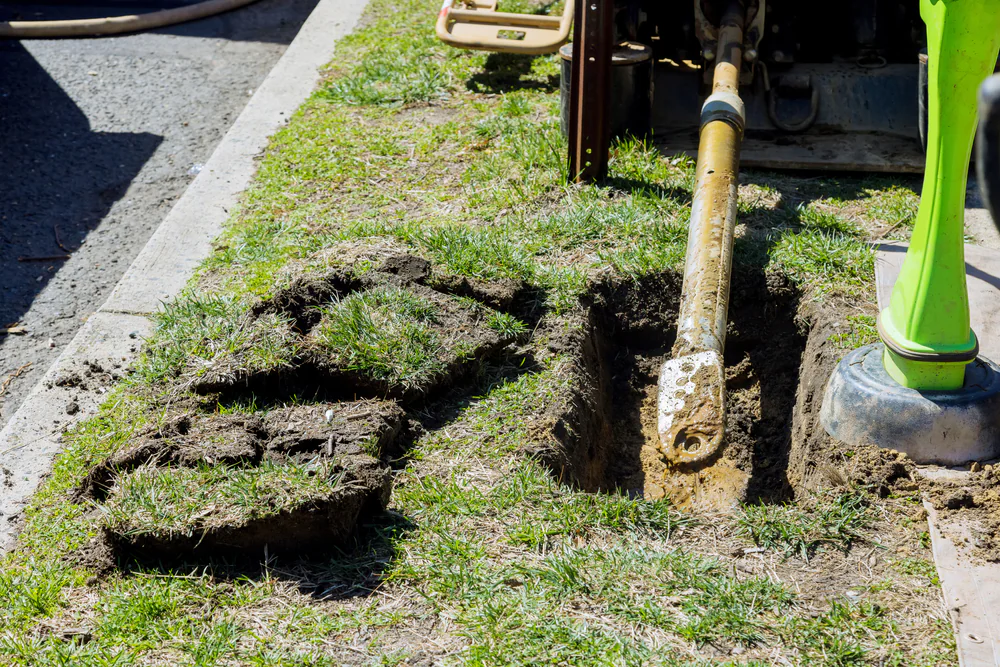
Trenchless directional drilling in Bellerose Terrace, NY changes that. We drill horizontally underground, threading new water lines, sewer connections, gas lines, or electrical conduit beneath the surface without disturbing what’s above. Your driveway stays intact. Your lawn doesn’t get destroyed. Your landscaping remains untouched.
The process is faster, cleaner, and far less disruptive than open-cut excavation. Most installations wrap up in a day or two instead of a week. You’re not left with a construction zone that needs thousands in restoration work. You get the utility connection you need without the mess you don’t.
We’ve been handling underground utility work in Nassau County since 1983. Allied All City is a family-owned operation with four locations across Long Island, and we’ve been using trenchless directional drilling services long before it became the standard.
Bellerose Terrace homes—many built in the 1930s and 1940s—sit on established properties with mature landscaping, paved driveways, and layouts that make traditional excavation expensive and invasive. We understand what’s at stake when you’re dealing with a $500,000+ property and decades of landscaping investment. That’s why we invested in directional drilling equipment that can navigate around existing utilities, tree roots, and underground obstacles without tearing up your yard.
We’re not the cheapest option, and that’s intentional. You’re paying for precision, experience, and equipment that protects your property while getting the job done right the first time.
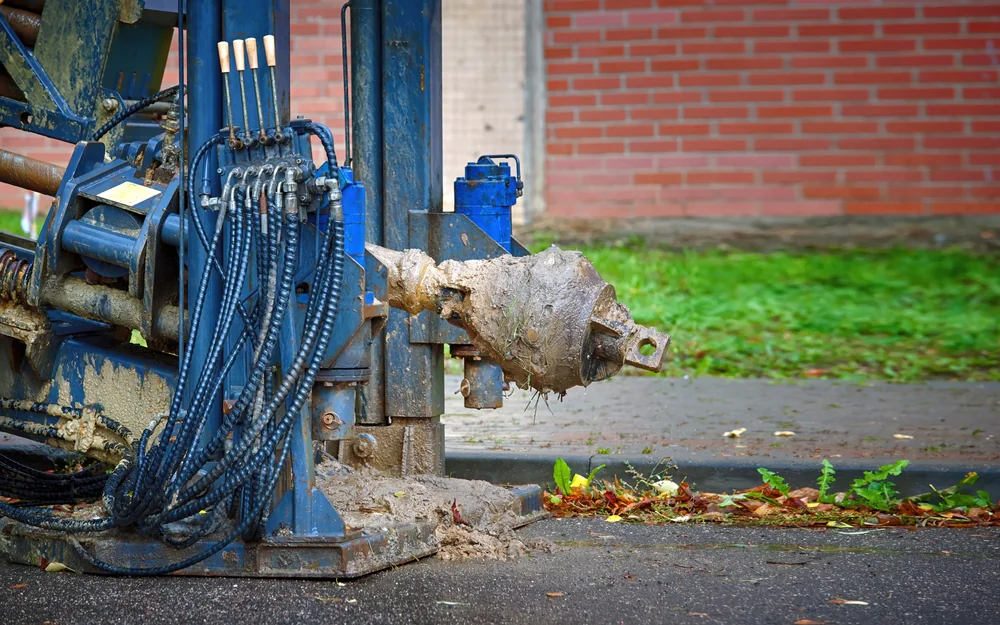
We start with two small access points: one where the utility line begins and one where it needs to end. These are typically just a few feet wide—nothing like the trenches traditional excavation requires.
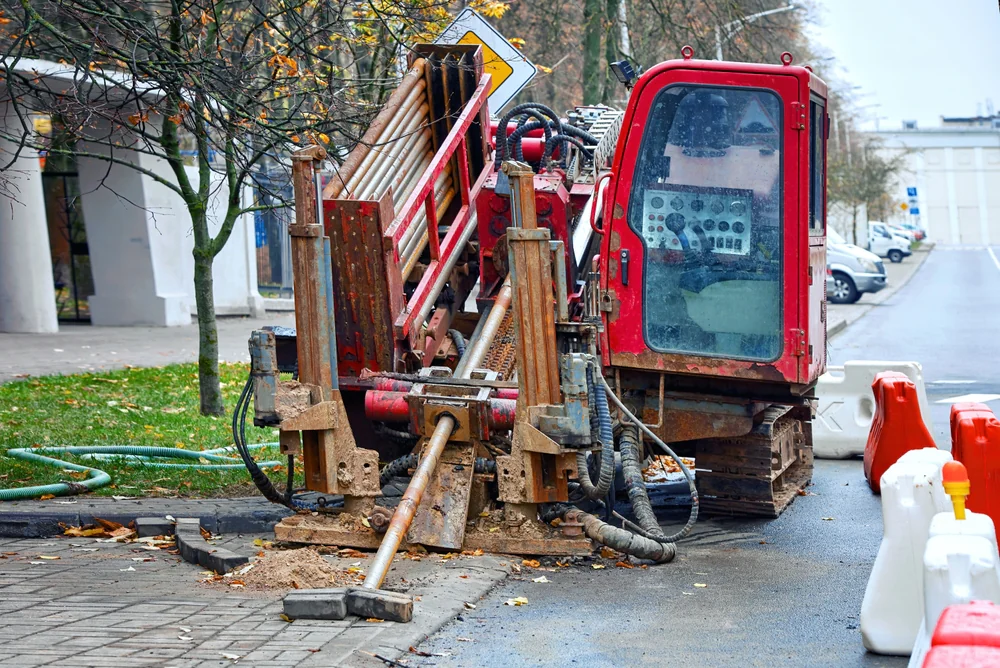
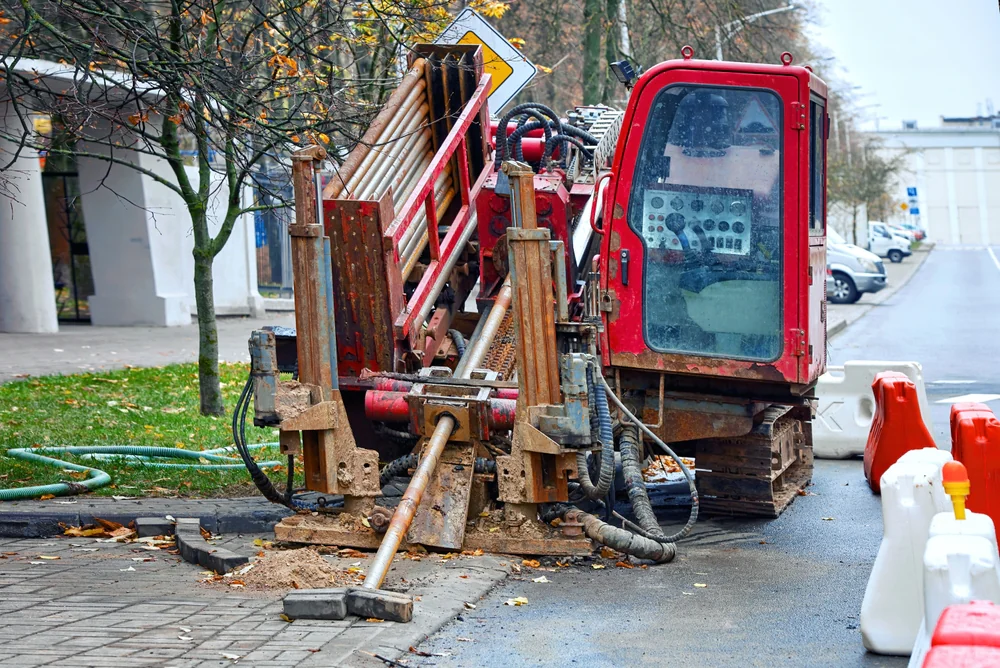
Our directional drilling rig uses a steerable drill head to create a pilot hole underground, following a precise path beneath your driveway, landscaping, or any other obstacles. We’re using locating technology the entire time to track depth and position, so we’re not guessing where the drill is going. Once the pilot hole is complete, we attach the new utility line—whether that’s water, sewer, gas, or electrical conduit—and pull it back through the drilled path.
The entire process for a typical residential water line directional drilling project takes one to two days, depending on distance and soil conditions. When we’re done, you’ve got a fully installed utility connection and two small areas that need minor restoration instead of an entire yard that needs rebuilding. No torn-up driveway. No destroyed landscaping. Just the connection you needed with minimal disruption.
Ready to get started?
Trenchless directional drilling in Bellerose Terrace, NY works for water line installations, sewer connections, gas line runs, and electrical or cable conduit. If you need to install a water line without digging up your driveway, this is how it’s done.
The method is particularly valuable in Bellerose Terrace because of the housing stock. When you’re dealing with properties that have 80+ years of established landscaping, brick pavers, concrete driveways, and mature trees, traditional excavation becomes prohibitively expensive. Restoration costs can easily hit $15,000 to $25,000 once you factor in driveway replacement, landscaping repair, and fence reconstruction.
Horizontal directional drilling eliminates most of that cost. You’re still paying for skilled labor and specialized equipment, but you’re not paying to destroy and rebuild your property. The installation itself is more precise, too. We’re placing the utility line at the exact depth and alignment it needs, which reduces the risk of future issues like settling, shifting, or damage from surface activity. The materials we use—typically high-density polyethylene or fused pipe—are durable and designed for long-term underground performance.
The drilling itself can cost more per linear foot than open-cut trenching, but that’s not the full picture. Traditional excavation might run $50 to $80 per foot for the digging and pipe installation, but then you’re paying separately for driveway removal, repaving, landscaping restoration, fence repair, and cleanup. Those costs add up fast—often $10,000 to $25,000 depending on what gets torn up.
Trenchless directional drilling in Bellerose Terrace, NY typically costs $80 to $150 per linear foot, but that includes the installation with minimal surface disruption. You’re left with two small access points instead of a 100-foot trench across your property. For most residential projects, the total cost ends up lower because you’re not rebuilding half your yard. You’re also done faster, which matters if you’re dealing with a failed water line or a required sewer connection.
Yes. That’s exactly what horizontal directional drilling is designed to do. We drill underneath your driveway at a depth that clears the foundation and any base material, so the surface stays completely intact.
The process requires an entry point on one side and an exit point on the other—usually in your lawn or a landscaped area. We’re typically drilling 3 to 6 feet deep depending on the utility type and local code requirements. The drill path is tracked in real-time using locating equipment, so we know exactly where we are relative to your driveway, existing utilities, and any underground obstacles. Once the pilot hole is complete, we pull the new water line through. Your driveway never gets touched.
This is a common request in Bellerose Terrace because many homes have asphalt or concrete driveways that are expensive to replace. If your driveway is 50 feet long and 10 feet wide, you’re looking at $5,000 to $8,000 just to repave after traditional excavation. Directional drilling avoids that entirely.
Most residential installations take one to two days from start to finish. That includes setup, drilling the pilot hole, pulling the utility line through, making the connections, and cleaning up the small access points.
Compare that to traditional excavation, which can take three to seven days once you factor in digging, shoring, pipe installation, backfilling, compacting, and waiting for inspections. Then you’re still left with restoration work that can take additional days or weeks depending on what needs to be repaired.
The timeline can vary based on distance, soil conditions, and the type of utility being installed. A straightforward 80-foot water line directional drilling run in sandy soil moves faster than a 150-foot sewer line installation through clay with multiple existing utilities to navigate around. But even on the longer end, you’re still looking at a fraction of the time traditional methods require. You’re not living with a torn-up yard for a week, and you’re not waiting on contractors to come back and finish restoration work.
Directional drilling works in most soil types, but some conditions are easier than others. Sandy or loamy soil is ideal because it’s easier to drill through and less likely to collapse during the process. Clay can be more challenging because it’s dense and sticky, but it’s still very manageable with the right equipment.
Rocky soil or areas with large underground obstructions like boulders can slow things down. In those cases, we may need to adjust the drill path or use specialized drill heads designed to handle harder materials. Bellerose Terrace sits on relatively workable soil, so most residential projects move smoothly.
The bigger concern is usually existing utilities. If your property has water, sewer, gas, electric, and cable lines already running underground, we need to map those out before drilling. We use locating services to mark existing utilities and plan a drill path that avoids them. That’s part of the prep work we do before the drill ever starts. The goal is to install your new line without disturbing anything that’s already there.
Yes, as long as the drill path is planned correctly. Directional drilling gives us control over depth and trajectory, so we can navigate around septic tanks, leach fields, well casings, and other sensitive areas.
Before we start, we’ll locate your septic system or well and map out a drill path that maintains safe clearance. For septic systems, that usually means drilling at a depth that passes underneath the tank and drain field without disturbing the soil structure. For wells, we’re making sure the drill path doesn’t intersect with the casing or the surrounding gravel pack.
This level of precision is one of the main advantages of trenchless directional drilling in Bellerose Terrace, NY. Traditional excavation requires a wide, open trench, which can be difficult or impossible to route around existing systems without causing damage. Directional drilling threads through tight spaces and avoids obstacles that would otherwise require expensive workarounds. If your property has a septic system, a well, or other underground infrastructure, we’ll walk the site with you before drilling and explain exactly how we’re planning the installation.
Yes. Any underground utility installation in Bellerose Terrace, NY requires permits, whether it’s trenchless or traditional excavation. The specific permits depend on what you’re installing—water line, sewer, gas, or electrical—and whether you’re connecting to municipal systems or private infrastructure.
We handle the permit process as part of the project. That includes submitting plans, coordinating inspections, and making sure the installation meets local codes and utility company requirements. You’ll also need to have existing utilities marked before we drill, which is done through New York’s 811 call-before-you-dig service. We coordinate that as well.
The permit and inspection process doesn’t slow down the project significantly. Most installations still wrap up in one to two days, with inspections happening either during or immediately after the work. The main thing is making sure everything is documented and approved so you don’t run into issues down the road if you sell the property or need to do additional work. We’ve been doing this in Nassau County for over 40 years, so we know what the local municipalities require and how to keep the process moving.
Other Services we provide in Bellerose Terrace