
Hear from Our Customers
You’ve got a sewer line issue. Maybe it’s backing up into your basement. Maybe tree roots have been quietly destroying your pipes for years. Maybe you just found out your cast iron pipes from the 1960s are finally giving out.
Here’s what you don’t need: a crew tearing up your driveway, ripping through your landscaping, and leaving your property looking like a construction zone for weeks. Traditional sewer repair means excavation—digging trenches four to six feet deep, destroying everything in the path, then paying to restore it all once the pipe work is done.
Trenchless pipe lining in Williston Park fixes the problem without the destruction. We access your sewer line through small entry points, then repair or replace the pipe from the inside. Your driveway stays put. Your lawn doesn’t get torn apart. Most jobs finish in a day, and the new liner lasts 50+ years. You get a permanent fix without the mess, the cost, or the headache of traditional excavation.
We’ve served Nassau County homeowners for over 40 years. We’re a family-owned plumbing company that’s watched this area’s infrastructure age right alongside us. The homes in Williston Park—many built in the post-war boom—are hitting that point where original sewer lines are failing. Cast iron pipes installed in the 50s, 60s, and 70s are corroding from the inside out. Clay pipes are cracking under decades of ground shift and root pressure.
We’ve seen what happens when these systems fail, and we’ve spent years perfecting trenchless methods that actually work. Licensed and insured throughout Nassau and Suffolk Counties, we handle residential, commercial, and municipal properties. When your sewer line fails at 2 a.m., we’re available 24/7 because we know these problems don’t wait for business hours.
First, we run a camera inspection through your sewer line to see what we’re dealing with. This shows us where the damage is, what caused it, and whether trenchless pipe lining is the right fix. Most of the time, it is.
Next, we clean the pipe. Any buildup, roots, or debris get cleared out so the liner can bond properly to the existing pipe walls. We use hydro-jetting or mechanical cleaning depending on what your line needs.
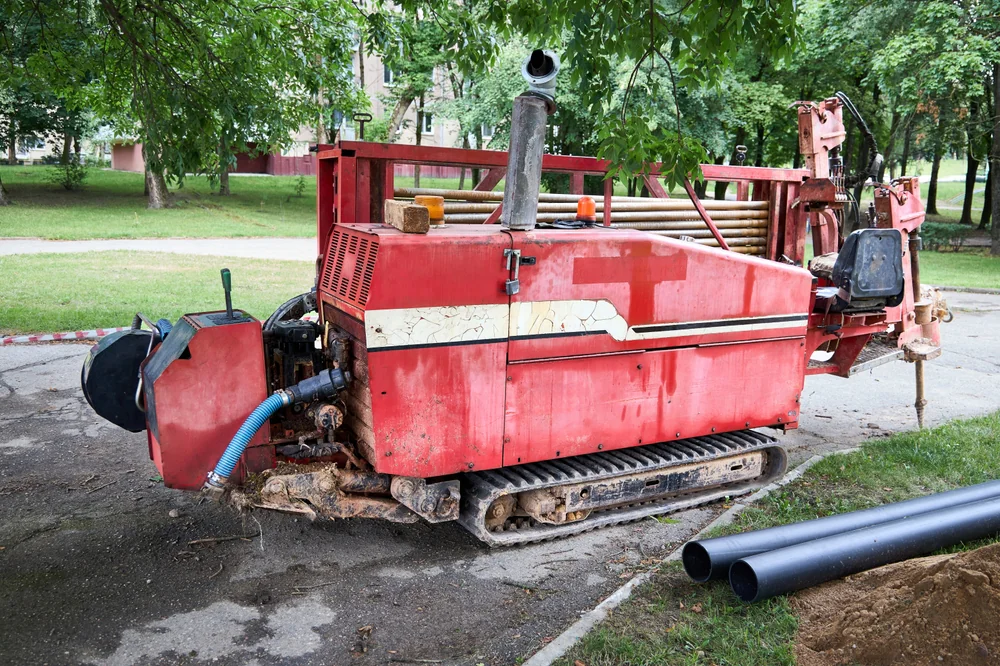
Then we install the liner. For CIPP (cured-in-place pipe) lining, we insert a resin-saturated felt tube into your existing pipe, inflate it, and cure it with heat or UV light. This creates a brand-new pipe inside your old one—seamless, jointless, and built to last 50+ years. For pipe bursting, we break apart the old pipe while simultaneously pulling a new one into place. Both methods use small access points instead of digging up your entire yard.
Once the liner cures and we’ve confirmed everything’s sealed and flowing properly, we’re done. You’ve got a fully functional sewer line, and your property looks exactly like it did before we arrived.
Ready to get started?
Trenchless pipe lining for old homes in Williston Park addresses the reality of aging infrastructure without forcing you to sacrifice your property. Many homes here were built between 1940 and 1970, which means original sewer lines are now 50 to 80 years old. Cast iron corrodes. Clay cracks. Orangeburg pipe—that compressed wood fiber material used post-war—collapses. If your home still has original plumbing, you’re on borrowed time.
This service gives you a camera inspection so you know exactly what’s wrong, a thorough cleaning to prep the line, and a new pipe installed inside the old one. The liner we use is designed to outlast the original pipe by decades. It’s resistant to corrosion, root intrusion, and the ground shifts that crack traditional materials.
You also get speed. Most residential trenchless sewer repair jobs in Williston Park finish in one day. Compare that to traditional excavation, which can take a week or more once you factor in digging, pipe replacement, backfill, and restoration. And because we’re not tearing up concrete or landscaping, you’re not paying thousands extra to fix your driveway or replant your yard. You’re paying for the repair—not the destruction and reconstruction that usually comes with it.
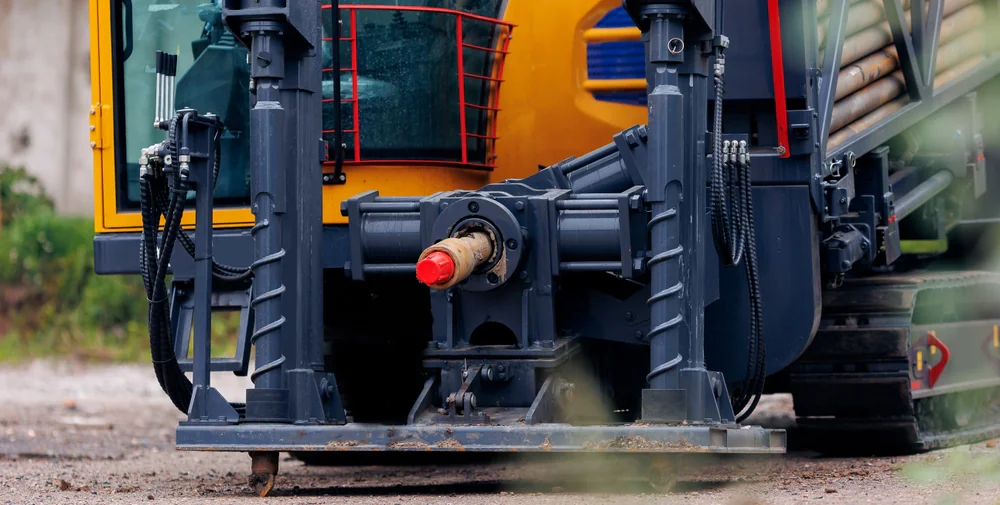
Trenchless pipe lining typically costs less than traditional excavation once you factor in the full scope of work. Yes, the pipe repair itself might have a similar base cost. But traditional sewer line replacement means digging trenches four to six feet deep, which destroys driveways, sidewalks, landscaping, and sometimes even parts of your foundation or basement floor.
After the pipe work is done, you’re paying to restore everything that got torn up. New concrete for the driveway. Replanting grass, shrubs, or trees. Repairing any structures that were in the way. Those costs add up fast—often thousands of dollars on top of the plumbing work itself.
Trenchless methods avoid that entirely. We access your sewer line through small entry points, so there’s nothing to restore afterward. You’re paying for the repair, not the cleanup. Most homeowners in Williston Park save money overall, and they definitely save time and stress.
Yes. That’s exactly what trenchless pipe lining is designed to do. If your sewer line runs under your driveway, traditional repair would mean jackhammering through the concrete, digging down to the pipe, replacing the damaged section, then repaving. It’s expensive, disruptive, and time-consuming.
With trenchless sewer pipe lining in Williston Park, we access the pipe from existing cleanouts or small access points on either side of the driveway. We don’t touch the concrete. The liner gets installed from the inside, so your driveway stays intact from start to finish.
This is especially useful for homes where the sewer line runs under a newly paved driveway or decorative concrete. You don’t have to choose between fixing your plumbing and preserving your property. You get both.
CIPP liners are engineered to last 50 years or more. That’s not a marketing claim—it’s based on decades of real-world performance data. The liner is made from resin-saturated materials that cure into a hard, durable pipe. It’s resistant to corrosion, root intrusion, and the chemical wear that destroys cast iron and clay pipes over time.
Compare that to the pipes already in your home. Cast iron lasts 75 to 100 years under ideal conditions, but most start failing earlier due to corrosion. Clay pipes last 50 to 60 years before cracking. Orangeburg pipe—common in post-war homes—often fails within 50 years.
If your home in Williston Park was built in the 1960s and still has original sewer lines, those pipes are already approaching or past their expected lifespan. A trenchless liner gives you a brand-new pipe that will outlast what’s there now, without the cost and disruption of full replacement.
Recurring backups are the biggest red flag. If your drains are slow, toilets are backing up, or you’re dealing with sewage in your basement, your sewer line is compromised. Tree roots are often the culprit—they infiltrate through cracks and joints, then grow inside the pipe until they block flow completely.
Foul odors around your property, especially near the sewer line, indicate a leak or break. Sewage escaping into the soil creates health hazards and attracts pests. Soggy patches in your yard, even when it hasn’t rained, can mean wastewater is leaking underground.
If your home was built before 1980 and you’ve never had the sewer line inspected, it’s worth getting a camera inspection. Cast iron, clay, and Orangeburg pipes deteriorate over time, and most homeowners don’t realize there’s a problem until it becomes an emergency. Trenchless pipe lining for old homes in Williston Park can fix these issues before they escalate into full system failure.
It works for most common sewer line problems—cracks, corrosion, root intrusion, joint separation, and partial collapses. If the pipe still has structural integrity and isn’t completely collapsed, trenchless lining is usually a viable option. The liner reinforces the existing pipe from the inside, sealing leaks and preventing further deterioration.
If the pipe has fully collapsed or is severely offset, pipe bursting might be a better solution. This method breaks apart the old pipe while pulling a new one into place, still using minimal excavation. In rare cases where the damage is too extensive or the pipe has completely disintegrated, traditional replacement might be necessary.
The only way to know for sure is with a camera inspection. We run a camera through your sewer line, assess the damage, and recommend the best repair method based on what we find. Most of the time, trenchless methods can handle the job—but we’ll tell you upfront if they can’t.
Most residential trenchless sewer repair jobs finish in one day. The timeline depends on the length of the pipe, the extent of the damage, and site access, but the majority of single-family homes in Williston Park are straightforward. We arrive in the morning, run the camera inspection, clean the line, install the liner, and confirm everything’s working before we leave.
Compare that to traditional excavation, which can take a week or longer. Digging trenches, replacing pipe sections, backfilling, and restoring your property all take time. Then you’re waiting for concrete to cure or landscaping to be replanted.
With trenchless pipe lining services in Williston Park, you’re back to normal by the end of the day. No extended construction zone in your yard. No waiting weeks for your property to be put back together. Just a fixed sewer line and minimal disruption to your routine.
Other Services we provide in Williston Park