
Hear from Our Customers
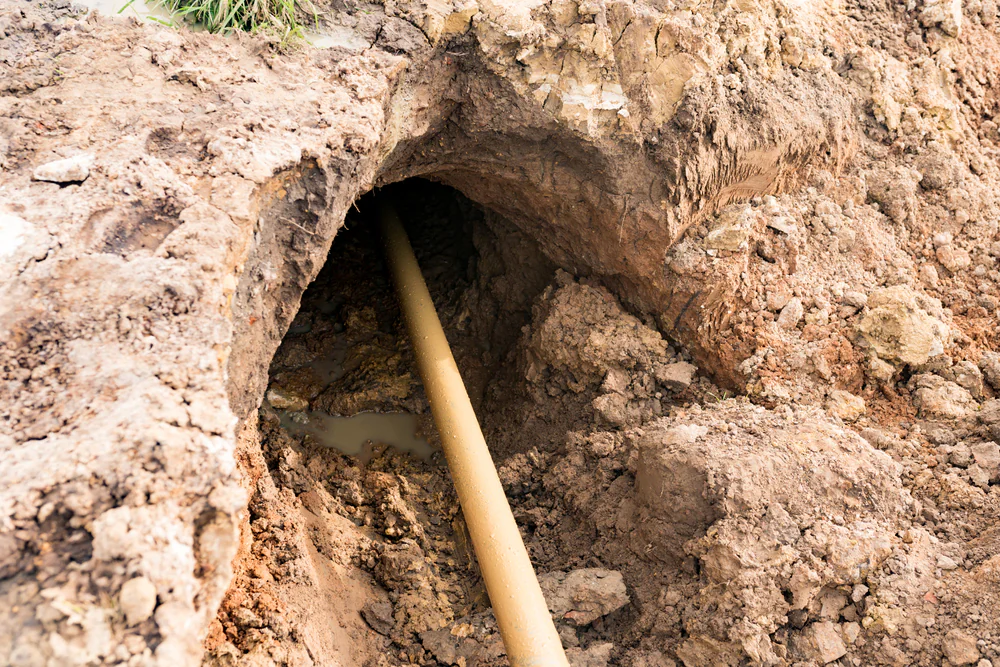
Your lawn stays intact. Your driveway doesn’t get jackhammered. Your landscaping remains untouched.
That’s what trenchless pipe lining in West Hampton Dunes, NY actually delivers. Instead of digging a trench four to six feet deep across your property, the repair happens underground with minimal access points. We’re talking about one or two small entry holes, not a construction zone.
The new pipe gets installed inside your old one. It’s seamless, so roots can’t penetrate it. Chemicals can’t corrode it. And it’s designed to last 50 to 100 years depending on the material. You’re not just patching a problem—you’re installing infrastructure that outlasts what was originally there.
Most residential jobs finish in a day. You’re not coordinating crews for a week or dealing with restoration contractors after we leave. The small access points get filled back in, grass goes back down, and you move on with your life.
We’ve been handling trenchless sewer pipe lining across Nassau and Suffolk County for over 40 years. We’re not new to this, and we’re not experimenting with your property.
West Hampton Dunes sits on Westhampton Island, which means your home deals with coastal weather, older infrastructure, and soil conditions that don’t forgive poor workmanship. Homes here were built in eras when pipe materials had 50-year lifespans—and many are past that mark now.
We know what you’re dealing with. Tree roots lifting sidewalks usually means they’ve already infiltrated your sewer line. Spring rains that cause slow drains aren’t just inconvenient—they’re warnings. And if your home was built before the 1970s, your pipes are likely cast iron or clay, both of which crack, corrode, and fail without much notice.
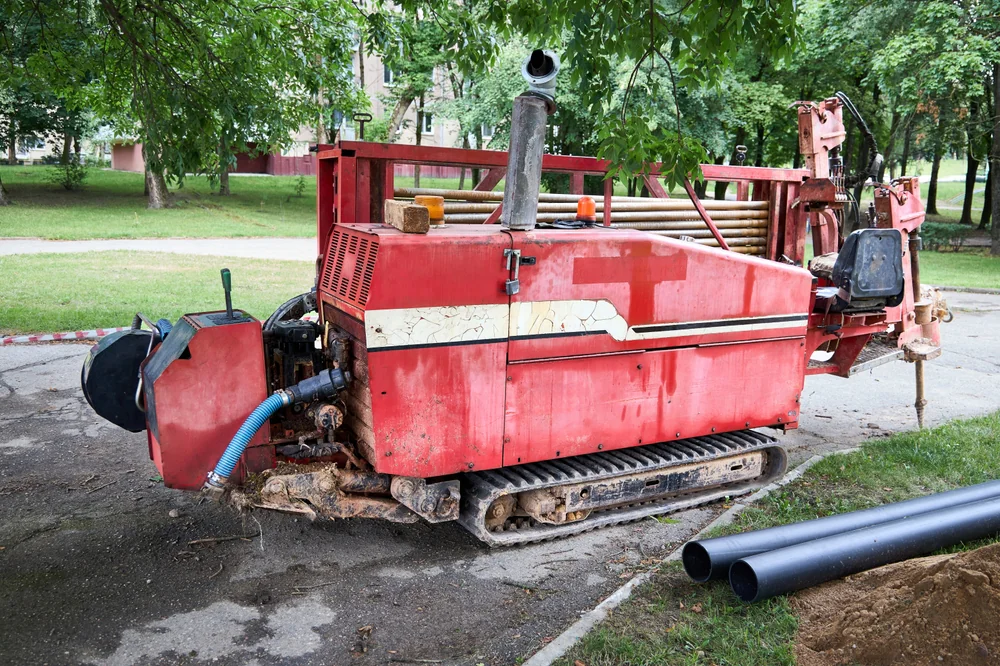
First, we run a camera through your line. That tells us exactly where the damage is, what caused it, and whether trenchless pipe lining in West Hampton Dunes, NY is the right fix for your situation. Not every pipe qualifies, but most do.
If you’re a candidate, we clean the inside of your existing pipe using high-pressure water jetting. That removes roots, buildup, and debris so the new liner adheres properly. Then we insert a resin-saturated liner into the old pipe and inflate it. The resin cures in place—usually with heat or UV light—and hardens into a brand-new pipe inside your old one.
The process works under driveways, patios, landscaping, and even detached structures. If your line has bends or curves, we can handle that too. Once the liner cures, we trim the ends, do a final camera check, and you’re done. No digging. No restoration. No waiting for contractors to rebuild what got torn apart.
Ready to get started?
If your home was built before 1980, your pipes are aging out. Cast iron corrodes from the inside. Clay cracks under pressure. And if you’ve got mature trees anywhere near your sewer line, roots are already in there.
The traditional fix means digging a trench across your property, removing the old pipe, laying new pipe, backfilling, and then restoring everything that got destroyed in the process. That includes your lawn, driveway, walkways, landscaping, and sometimes even parts of your foundation or patio. You’re looking at weeks of work and costs that go well beyond the pipe itself.
Trenchless sewer repair in West Hampton Dunes, NY eliminates that. The new pipe goes in without surface disruption. You’re not paying for excavation, hauling, disposal, or restoration. And because the liner is continuous with no joints, it’s stronger and longer-lasting than what you had before.
This is especially relevant here. West Hampton Dunes has a small year-round population, but property values are high and lots are often heavily landscaped. You’re not going to want a backhoe tearing through mature plantings or custom hardscaping. Trenchless methods let you keep what you’ve invested in while still getting a permanent repair.
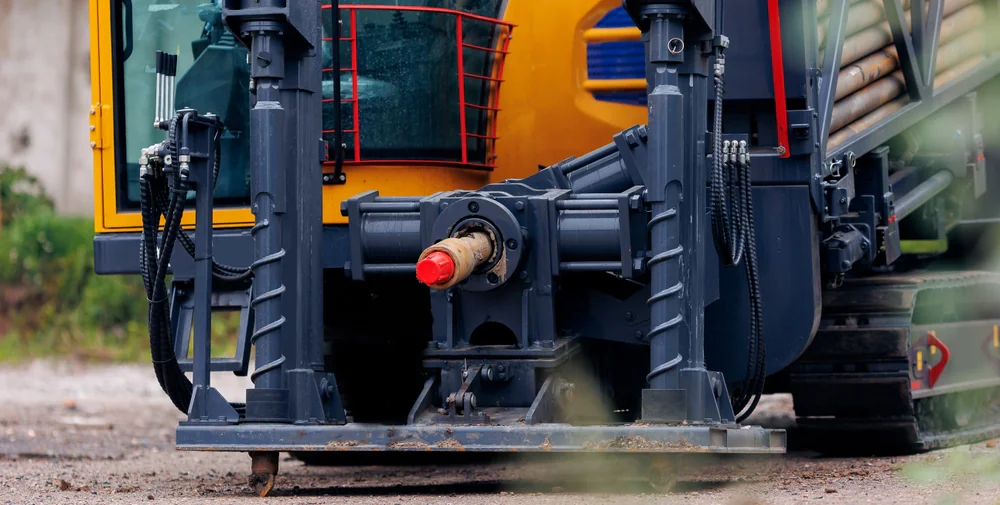
The liner itself is rated for 50 to 100 years depending on the material we use. That’s not marketing—it’s based on how the pipe is constructed and what it’s made from.
CIPP liners, which use cured-in-place resin, typically last 50-plus years. The seamless design means there are no joints where leaks or root intrusion can start. If we’re installing a pulled-in-place polyethylene pipe, you’re looking at up to 100 years of service life.
Compare that to the original pipes in most older homes. Cast iron lasts about 50 years before it starts corroding from the inside out. Clay pipe is vulnerable to ground shifts and root damage. PVC is better, but it still has joints that can separate or leak over time. A trenchless liner outlasts all of them because it’s one continuous piece with no weak points.
Yes. That’s one of the main reasons trenchless pipe lining exists.
We access your sewer line from small entry points—usually at a cleanout or at the connection point near the street. From there, we work underground without disturbing the surface. The liner gets pulled or pushed through the existing pipe, so there’s no need to dig up your driveway, patio, or walkway.
If your pipe runs under a concrete driveway, asphalt, pavers, or any other hardscaping, it stays intact. You’re not dealing with jackhammering, removal, or repaving. The job happens below ground, and when we’re done, your driveway looks exactly like it did before we started. That saves you thousands in restoration costs and weeks of hassle waiting for contractors to rebuild what got torn apart.
Trenchless pipe lining in West Hampton Dunes, NY typically costs less than traditional dig-and-replace once you factor in restoration.
The pipe repair itself might be comparable in price, but traditional excavation adds costs you don’t see in the initial estimate. You’re paying for digging, hauling away soil, disposing of old pipe, backfilling, and then restoring your lawn, driveway, landscaping, or hardscaping. Those restoration costs often exceed the cost of the pipe work itself.
With trenchless methods, you’re paying for the liner, the installation, and minimal site access. There’s no excavation crew. No dumpsters. No landscape contractor coming in afterward to replant or resod. The job is faster, cleaner, and you’re not stuck managing multiple vendors or waiting weeks for your property to look normal again. When you add it all up, trenchless usually comes out ahead—and you get a longer-lasting result.
Slow drains are the most common early warning. If multiple fixtures drain slowly or you’re dealing with frequent backups, that’s usually a sign your main sewer line has issues.
Soggy spots in your yard, especially near where your sewer line runs, indicate a leak. You might also notice sewage odors outside or patches of grass that are greener or growing faster than the rest of your lawn—that’s because wastewater acts as fertilizer when it’s leaking into your soil.
Inside, you might hear gurgling sounds when you flush or run water. That’s air trapped in your line because of a blockage or collapse. If you’ve had your line snaked multiple times and the problem keeps coming back, that’s a sign the pipe itself is damaged—not just clogged.
Homes built before 1980 in West Hampton Dunes, NY are especially at risk. If you’ve got cast iron or clay pipes and mature trees on your property, it’s worth getting a camera inspection even if you’re not seeing symptoms yet. Catching damage early means you can fix it before it becomes an emergency.
Yes, but we have to clear the roots first before installing the liner.
Tree roots grow into sewer lines through cracks, joints, or any opening where they can access water and nutrients. Once they’re in there, they expand and cause blockages or even break the pipe apart. Just cutting the roots out doesn’t solve the problem—they’ll grow back unless you seal off their access point.
That’s where trenchless pipe lining works. We start by using high-pressure water jetting to cut out the roots and clean the pipe. Then we install the liner, which creates a seamless interior surface with no joints or cracks. Roots can’t penetrate it, so they stop growing into your line.
The liner essentially creates a new pipe inside the old one, and because it’s continuous with no weak points, it’s root-proof. You’re not just clearing a blockage—you’re eliminating the condition that allowed roots to get in there in the first place. That’s a permanent fix, not a temporary patch.
Most residential jobs finish in one day. Commercial or more complex projects might take two to three days depending on the length of the line and site conditions.
The process moves quickly because we’re not excavating. We run a camera inspection first to map out the damage, then clean the line, install the liner, and let it cure. Curing times vary based on the method—some liners cure with heat in a few hours, others use UV light and cure even faster.
You’ll have limited water use during the work, but it’s not a multi-day shutdown. Once the liner is cured and we’ve done a final inspection, your system is back online. There’s no waiting for backfill to settle, no coordinating with other contractors, and no extended disruption to your property or routine.
Compare that to traditional excavation, which can take three to five days just for the pipe work—then you’re waiting on restoration crews to fix your lawn, driveway, or landscaping. Trenchless gets you back to normal faster with a repair that lasts longer than what you had before.
Other Services we provide in West Hampton Dunes