
Hear from Our Customers
Your pipes get fixed without the nightmare of traditional excavation. No torn-up lawns. No destroyed driveways. No weeks of disruption while contractors restore your property.
Trenchless pipe lining in Wainscott works by creating a new pipe inside your old one. We insert a flexible liner through existing access points, cure it in place, and you’re left with a seamless, durable pipe that lasts 50+ years. Most residential projects finish in one day.
This matters if you’re dealing with cast iron or clay pipes common in older Wainscott homes. Those materials crack, corrode, and attract tree roots. Traditional replacement means digging four to six feet down, tearing through landscaping you’ve spent years cultivating, and paying for restoration that costs as much as the repair itself.
Trenchless pipe lining services eliminate that mess. You get a permanent fix that costs less, finishes faster, and protects your property value. The liner seals cracks, stops root intrusion, and handles the pressure modern appliances put on aging sewer systems.
We’ve provided trenchless sewer repair across Nassau and Suffolk Counties since 1983. We’re not subcontracting your job to someone else. Our technicians show up with specialized equipment and handle your project start to finish.
Owner John Marra gives you his direct line: 631-957-5023. You’re not navigating phone trees or waiting for callbacks. If you have questions about your Wainscott property, you talk to someone who knows the area and understands what older homes here deal with.
We maintain good standing with local plumbing departments and both Nassau and Suffolk County Consumer Affairs. That’s not marketing language—it’s verifiable. We’ve built our reputation on showing up, doing the work right, and being available when you need us, including 24-hour emergency response.
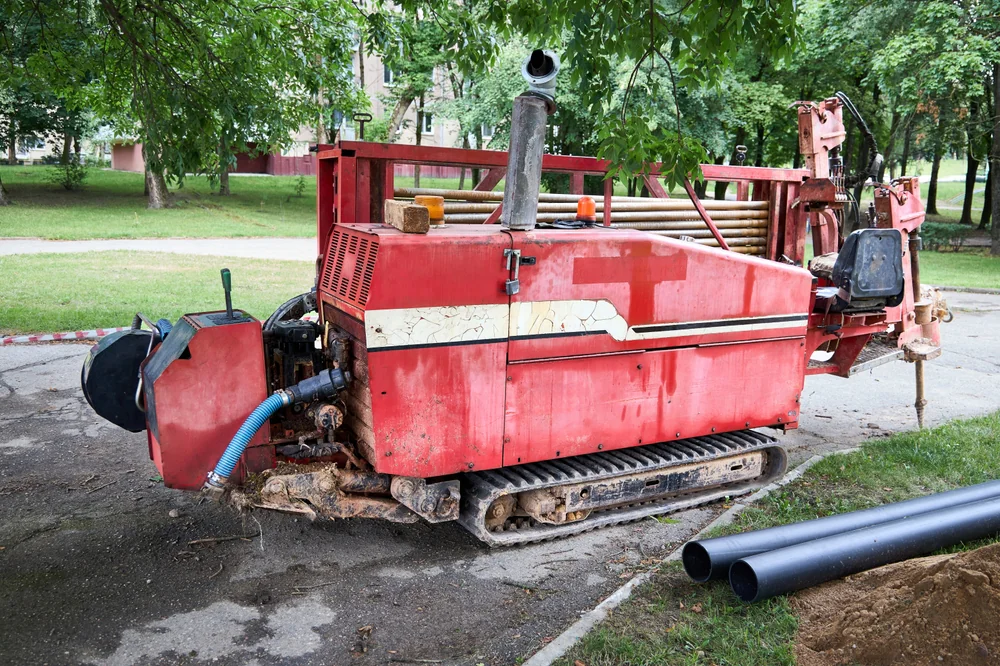
First, we run a camera inspection through your sewer line. This shows us exactly where the damage is—cracks, root intrusion, pipe bellies, whatever’s causing backups or slow drains. You see what we see. No guessing.
Next, we clean the pipe using high-pressure water jetting or mechanical tools. The liner needs a clean surface to bond properly. This step also clears out years of buildup and roots that have worked their way into joints and cracks.
Then we insert the liner—a flexible tube saturated with resin—through an existing access point like a cleanout or the pipe opening. We position it to cover the damaged section, then inflate it so it presses against the old pipe walls. Heat or UV light cures the resin, hardening it into a solid, seamless pipe within your existing pipe.
Once cured, we do a final camera check to confirm everything’s sealed and flowing properly. The whole process typically takes one day for residential work. You can use your plumbing again that same day. No waiting for concrete to set or landscaping to be restored.
Ready to get started?
You get a full camera inspection before and after the repair. That’s not an upsell—it’s how we confirm what’s wrong and verify the fix worked. The footage is yours. You’ll know exactly what condition your pipes were in and what they look like after lining.
The liner itself is designed to last 50+ years. It’s not a temporary patch. It’s a CIPP (cured-in-place pipe) liner that becomes the new pipe, resistant to corrosion, root intrusion, and the kind of wear that destroyed your old cast iron or clay lines in the first place.
We handle complex situations common in Wainscott properties: repairing sewer lines under driveways without tearing up asphalt, fixing pipes beneath mature landscaping, addressing root damage from the large trees typical in this area. If your home was built before 1970, your pipes probably weren’t designed for modern water usage. Dishwashers, washing machines, multiple bathrooms—all that volume stresses old systems. Trenchless pipe lining in Wainscott reinforces your existing infrastructure to handle current demands.
This service works for partial repairs or full line replacements, depending on what your inspection reveals. We’re not pushing you toward the most expensive option. Sometimes a targeted repair solves the problem. Sometimes the whole line needs attention. We’ll tell you which applies to your situation.
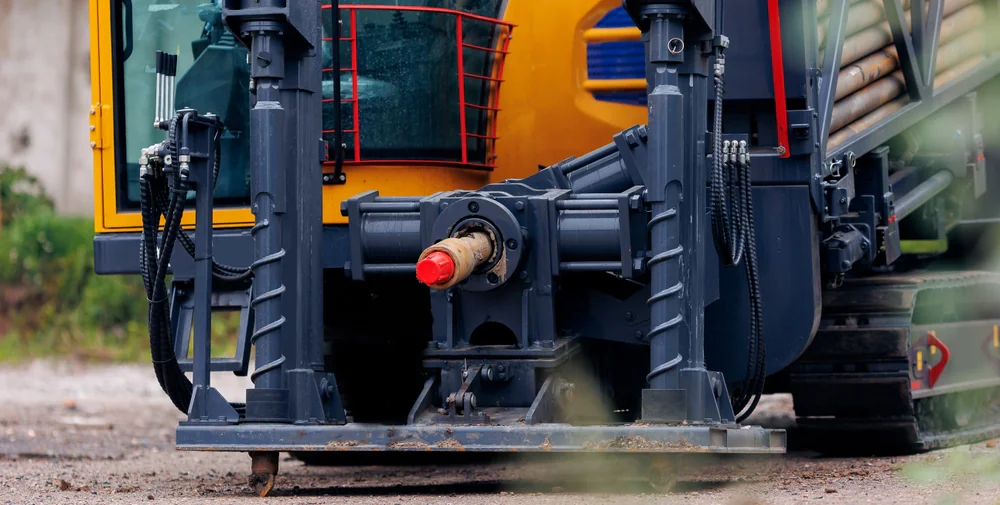
Trenchless pipe lining typically costs $80 to $250 per foot, with most residential projects in Wainscott ranging from $3,000 to $6,000. That might sound like a lot until you compare it to traditional excavation.
Traditional replacement involves digging trenches four to six feet deep, removing old pipe, installing new pipe, backfilling, and then restoring everything we tore up. You’re paying for excavation labor, disposal, new pipe materials, and restoration of your driveway, landscaping, or hardscaping. Total costs often hit $10,000 to $20,000 or more, depending on how much of your property we have to destroy and rebuild.
Trenchless work costs less because we’re not doing all that excavation and restoration. We use existing access points. Your property stays intact. The price reflects the specialized equipment and expertise required, but you’re still saving money compared to the alternative—and getting a repair that lasts just as long.
Yes. That’s exactly what trenchless pipe lining was designed for. We access your sewer line through existing cleanouts or entry points, then repair the damaged section underneath your driveway from the inside.
Traditional methods would require cutting through your asphalt or concrete, digging down to the pipe, replacing the damaged section, backfilling, and repaving. You’d be looking at weeks of work, a torn-up driveway, and restoration costs that sometimes exceed the actual pipe repair.
With trenchless methods, your driveway never gets touched. We insert the liner through an access point, position it under the driveway, and cure it in place. The repair is just as strong as replacement pipe—stronger in some cases, because the liner creates a seamless interior with no joints where roots can intrude. Most jobs finish in a day. You can drive on your driveway that same evening.
CIPP liners are engineered to last 50 to 60 years when properly installed. That’s not a best-case scenario—that’s the expected lifespan based on how these materials perform under normal sewer conditions.
The liner becomes the new pipe. It’s not coating the old pipe or patching it temporarily. It’s a structural repair that handles everything your sewer system throws at it: wastewater flow, temperature changes, ground movement, root pressure. The resin cures into a hard, smooth surface that’s actually more resistant to corrosion and root intrusion than the cast iron or clay pipes common in older Wainscott homes.
Your old pipes took decades to fail because of corrosion, cracks, and root damage. The liner eliminates those failure points. No joints for roots to exploit. No metal to corrode. No clay to crack under shifting soil. You’re essentially installing a new pipe without the excavation, and it’s built to outlast the original by a significant margin.
Frequent backups are the most obvious sign. If you’re dealing with slow drains in multiple fixtures, toilets that won’t flush properly, or sewage backing up into your basement, your main sewer line likely has a problem.
You might notice soggy spots in your yard even when it hasn’t rained, or patches of grass that are unusually green and growing faster than surrounding areas. That’s often sewage leaking from cracked pipes and fertilizing the soil above. Bad smells near drains or in your yard are another indicator—sewer gas escaping through cracks or damaged joints.
Older homes in Wainscott face specific risks. If your house was built before 1970 and still has original cast iron or clay sewer lines, you’re on borrowed time. Those materials weren’t designed to last this long. Tree roots are another common culprit here—mature trees send roots toward water sources, and sewer lines provide exactly that. Once roots get inside through a crack or joint, they grow fast and create blockages. If you’re calling for drain cleaning more than once a year, the underlying pipe probably needs repair, not just another snaking.
Yes. Trenchless pipe lining works extremely well for cast iron and clay pipes, which are the exact materials causing problems in older Wainscott homes.
Cast iron corrodes from the inside out. Over decades, the interior surface becomes rough and pitted, catching debris and slowing flow. Eventually it cracks or develops holes. Clay pipes crack under ground movement and at the joints, creating entry points for tree roots. Both materials are common in homes built before 1970, and both are prime candidates for trenchless repair.
The liner doesn’t rely on the old pipe for structural support—it becomes the new pipe. We’re not trying to save your cast iron or clay. We’re using it as a host for the new liner. As long as the old pipe hasn’t completely collapsed, we can line it. The camera inspection tells us whether your pipe is a candidate. If there’s a full collapse or severe offset, we’ll tell you that trenchless won’t work and explain your other options. But in most cases, even badly damaged cast iron and clay pipes can be successfully lined and restored to full function.
Most residential trenchless pipe lining projects in Wainscott finish in one day. You’ll have full use of your plumbing by that evening.
The timeline depends on the length of pipe being repaired and the complexity of the damage. A straightforward 50-foot section with standard access points? We’re usually done in 6 to 8 hours. Longer runs or difficult access might extend that to a full day or occasionally into a second day, but you’re still looking at a fraction of the time traditional excavation requires.
Traditional replacement can take a week or more once you factor in digging, pipe installation, backfill, and restoration work. Then you’re waiting for concrete to cure or landscapers to finish replanting. With trenchless work, we’re in and out fast because we’re not tearing anything up. The actual repair—cleaning, inserting the liner, and curing it—is efficient. Most of the time goes into proper preparation and final inspection to make sure everything’s sealed and flowing correctly. If you call with an emergency, we offer 24-hour response and can often start same-day or next-day depending on the situation.
Other Services we provide in Wainscott