
Hear from Our Customers
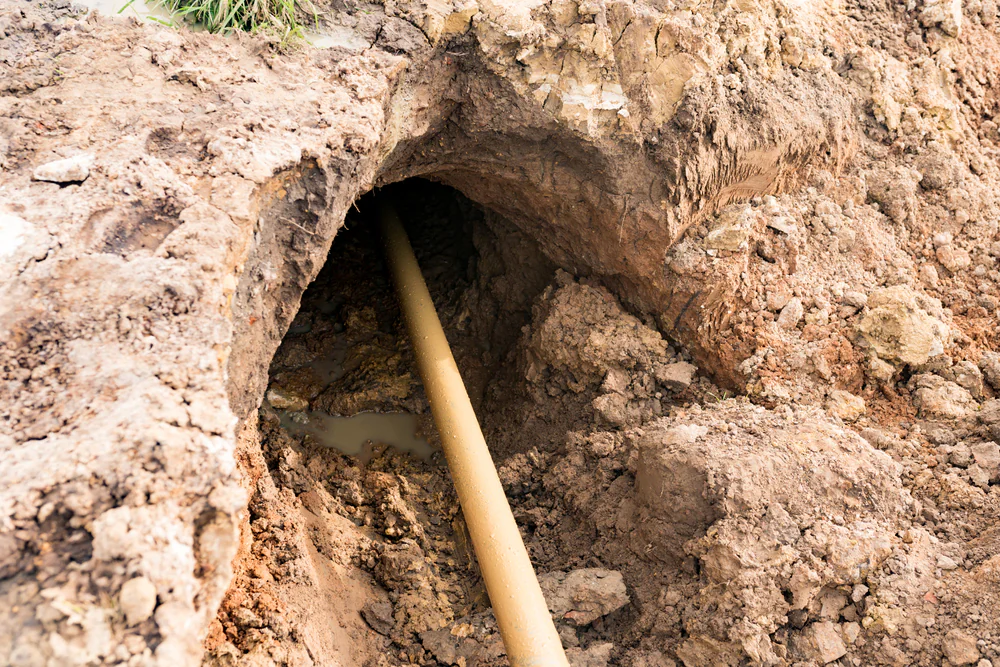
You’ve spent years building your property. The landscaping, the driveway, the patio. Traditional pipe repair means ripping all of that up, then spending another $10,000 to $20,000 putting it back together. That’s on top of the actual repair cost.
Trenchless pipe lining in Village of the Branch, NY changes that equation completely. We access your damaged sewer line through existing entry points. No excavation across your yard. No destroying the concrete you poured five years ago. The work gets done in a day, and when we leave, your property looks exactly like it did when we arrived.
The new liner inside your old pipe lasts 50 years or longer. It’s seamless, root-resistant, and stronger than what was there before. You get a permanent solution without the permanent damage to your property.
We’ve been handling sewer and water line issues across Nassau and Suffolk Counties since 1983. We’re a family-owned operation, and we’ve seen what happens to pipes in Village of the Branch homes built between 1940 and 1969. The clay pipes crack. Tree roots find every seam. Foundations shift and stress the lines.
We know the local conditions because we’ve worked here for over 40 years. We understand how the first frost affects older pipes and what heavy rains do to compromised sewer lines. That’s why we brought trenchless technology to our service lineup. It solves the problems these older homes face without creating new ones.
Licensed, insured, and available 24/7 for emergencies. All work guaranteed.
First, we send a camera through your sewer line to see what we’re dealing with. Cracks, root intrusion, deterioration—we map it all out. This tells us if trenchless pipe lining is the right fix for your situation.
If it is, we clean and descale the inside of your existing pipe. This removes buildup, roots, and anything else blocking the way. Then we insert a flexible liner saturated with epoxy resin. We position it exactly where it needs to go, then inflate it so it presses against the walls of your old pipe.
The resin cures in place—that’s what CIPP stands for, cured-in-place pipe. It hardens into a smooth, jointless pipe inside your old one. The whole process takes about six hours from start to finish. You can use your plumbing again the same day.
Ready to get started?
Village of the Branch homes have a median age pushing 50 years. Many were built even earlier. The pipes in these homes weren’t designed for modern water usage—dishwashers, washing machines, multiple bathrooms running simultaneously. That increased flow stresses aging pipe materials that were already compromised by decades underground.
Trenchless pipe lining works particularly well for these situations. It doesn’t matter if your pipes are under your driveway, beneath your detached garage, or running under mature trees. We can reline them without disturbing any of it. That’s crucial in winter, too, when Nassau County’s frost line drops past three feet and traditional excavation costs jump 200% to 300%.
The CIPP liner we install is resistant to rust and corrosion, unlike the original pipes in your home. It won’t crack from root pressure or temperature changes. And because it’s seamless, there are no joints for roots to exploit. It’s a modern solution installed through old infrastructure, which is exactly what these properties need.
Trenchless pipe lining typically runs $80 to $250 per linear foot depending on pipe diameter and condition. Traditional excavation might look cheaper at first—$50 to $150 per foot—but that number doesn’t include restoration. You’re still paying to repair your driveway, replace landscaping, and fix any hardscaping that got destroyed.
Those restoration costs add $10,000 to $20,000 on average for a typical residential property. When you factor that in, trenchless usually costs less overall. You also avoid the time cost—traditional repair can take weeks once you account for excavation, repair, backfill, and restoration. Trenchless is done in a day.
The bigger value is in what you’re getting. A trenchless repair lasts 50 to 100 years. You’re not just fixing today’s problem. You’re eliminating it for the rest of the time you own the home.
Yes. That’s one of the main reasons trenchless pipe lining exists. We access your sewer line through existing cleanouts or small access points at either end of the damaged section. The liner goes in through those entry points and gets positioned inside your existing pipe.
Your driveway, patio, walkway—none of it gets touched. This is especially valuable in Village of the Branch, where properties often have extensive concrete work, paver patios, or stamped driveways that would cost thousands to replace. Traditional excavation would require cutting through all of that, then repaving or re-pouring afterward.
The process works the same whether your line runs under concrete, asphalt, landscaping, or a combination. As long as we can access both ends of the damaged section, we can reline it without excavation.
The liner itself is warrantied for 50 years, but the actual lifespan is typically longer—many manufacturers cite 50 to 100 years. The epoxy resin cures into a hard, smooth pipe that doesn’t corrode, rust, or degrade the way traditional pipe materials do.
It’s also seamless, which matters more than people realize. Traditional pipes have joints every few feet. Those joints are weak points where roots enter, where settling causes cracks, and where leaks develop. A CIPP liner has none of that. It’s one continuous pipe from end to end.
For context, the clay or cast iron pipes in most Village of the Branch homes have been underground for 50 to 80 years. They’re failing now because they’ve reached the end of their design life. The trenchless liner you install today is made from materials that outlast those originals, installed with modern techniques that eliminate the weak points that caused the old pipes to fail.
Tree roots are one of the most common reasons people call us in Village of the Branch. Mature trees are everywhere here, and their roots naturally seek out water sources. Sewer lines are prime targets, especially older clay pipes with joints that roots can penetrate.
Before we install the liner, we clear out all the roots and buildup inside your existing pipe. We use specialized cutting tools that remove roots and descale the pipe walls. This creates a clean surface for the liner to bond to. Once the CIPP liner is in place and cured, roots can’t get back in. The liner is solid and jointless—there’s nowhere for roots to penetrate.
You might still need to manage the trees above ground, but your sewer line becomes root-proof. That’s a permanent fix, not a temporary clearing that you’ll need to repeat every few years like you would with traditional pipe repair.
Yes, and that’s actually one of its biggest advantages. Traditional excavation in winter is brutal on Long Island. The frost line in Nassau County reaches three feet or deeper. Digging through frozen ground requires special equipment, takes much longer, and costs 200% to 300% more than summer work.
Trenchless pipe lining doesn’t require excavation, so frozen ground isn’t an issue. We’re working inside your existing pipe, accessed through entry points that don’t require digging through frost. The curing process for the epoxy resin is controlled and happens inside the pipe, so cold air temperatures don’t affect it the way they would affect concrete or other materials used in traditional repairs.
If your sewer line fails in January, you don’t have to wait until spring or pay winter emergency rates for excavation. We can fix it now, at standard pricing, without tearing up frozen ground.
Common signs include slow drains throughout your house, gurgling sounds from toilets or drains, sewage backups, or wet spots in your yard. If you’re dealing with repeated clogs that keep coming back after you clear them, that usually means a structural problem with the pipe itself.
The only way to know for sure is a camera inspection. We run a video camera through your sewer line to see exactly what’s happening inside. Cracks, root intrusion, collapsed sections, corrosion—it all shows up clearly. That inspection tells us whether trenchless lining will work or if you need a different approach.
Not every situation calls for trenchless repair. If your pipe has completely collapsed or if the line needs to be rerouted, excavation might be necessary. But for cracks, leaks, root damage, and general deterioration—which covers most problems in older Village of the Branch homes—trenchless pipe lining is usually the best option. The camera inspection is how we make that call.
Other Services we provide in Village Of The Branch