
Hear from Our Customers
Your sewer line gets repaired or replaced without digging up your driveway, tearing through your landscaping, or forcing you out of your home for weeks. The process takes a day and a half on average. By the time we’re done, your neighbors won’t even know we were there.
The new pipe lasts 50 to 100 years. It’s seamless, so roots can’t penetrate it. Chemicals can’t corrode it. You’re not patching a problem—you’re eliminating it.
And because we’re not excavating half your property, you avoid the $10,000 to $20,000 in restoration costs that come with traditional sewer replacement. Your lawn stays intact. Your driveway stays untouched. Your property value stays protected.
This matters in Thomaston, NY, where the median home value sits around $658,700. You’ve invested in your property. Trenchless pipe lining protects that investment while solving the problem for good.
We’ve been family-owned and operated since 1983. We’ve spent over 40 years working in Nassau and Suffolk Counties, handling everything from residential sewer repairs to emergency municipal callouts.
We’ve seen what happens when pipes fail in older Thomaston homes—especially those built in the ’50s through ’70s with Orangeburg pipe. That tar paper pipe collapses. It doesn’t just clog; it caves in. And when that happens, you need someone who knows how to fix it right.
We use trenchless technology because it works better, costs less, and respects your property. We’re licensed for plumbing, heating, sewer, drain, and environmental services across the region. And we show up ready to solve the problem—not sell you something you don’t need.
First, we inspect your sewer line with a camera. That tells us where the damage is, what caused it, and whether trenchless pipe lining is the right fix. Most of the time, it is.
Next, we clean the pipe using robotic equipment. Any debris, roots, or buildup gets cleared out so the liner can bond properly to the pipe walls.
Then we insert a resin-saturated liner into the damaged pipe and inflate it. The resin cures in place—either with heat or UV light—and hardens into a brand-new pipe inside your old one. The result is a seamless, jointless pipe that’s stronger than what you had before.
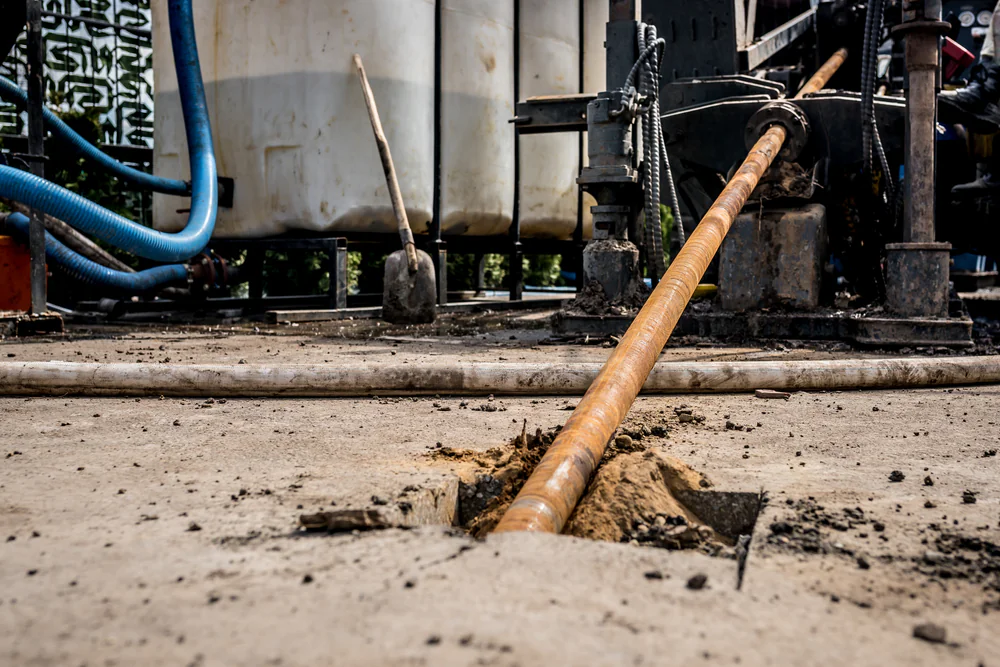
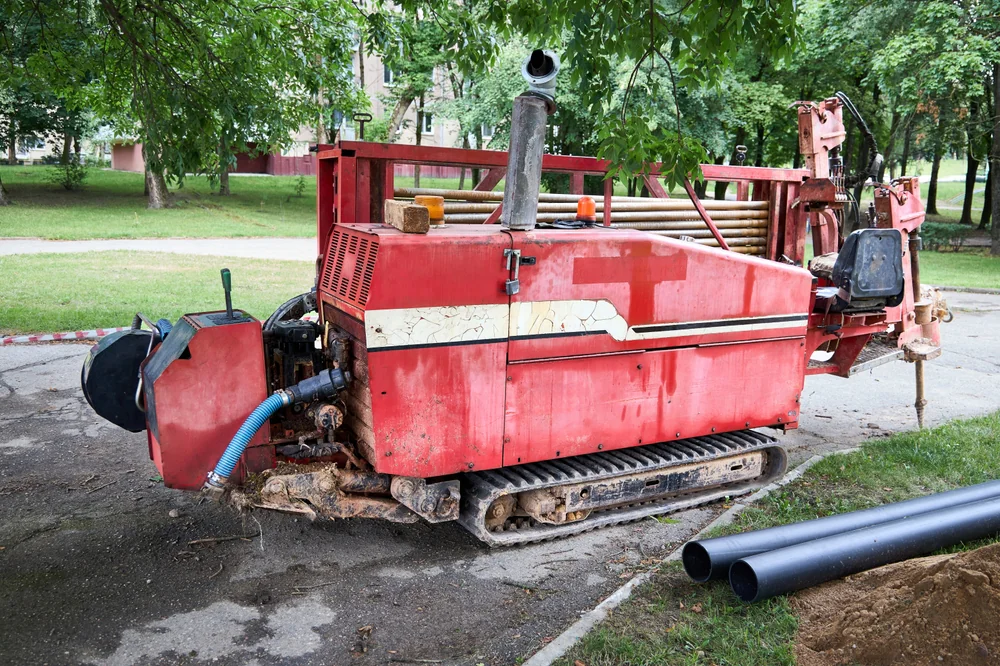
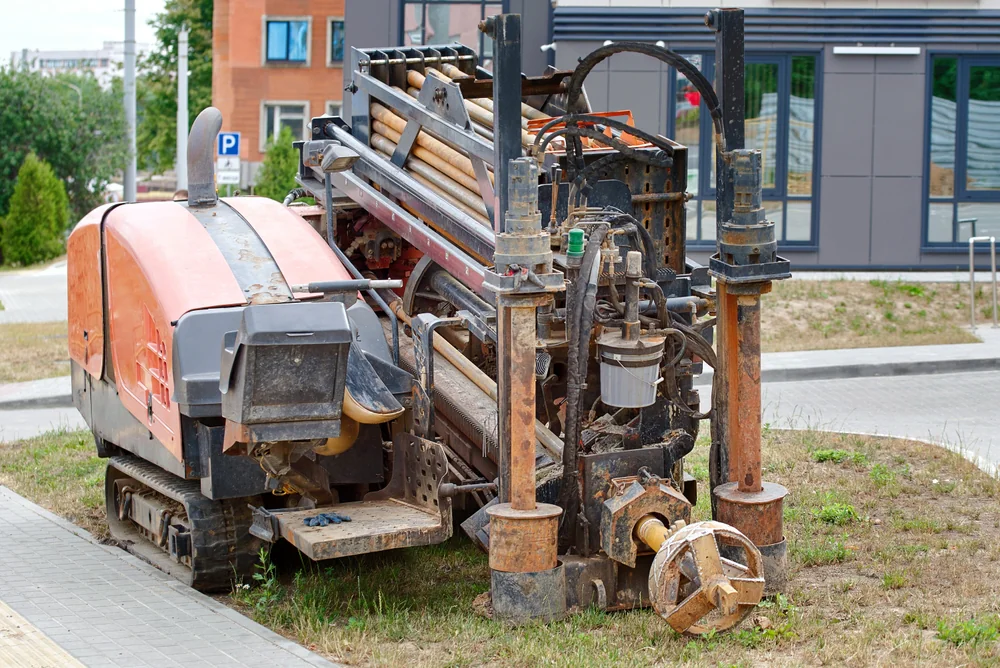
For full replacements, we use pipe bursting. We pull a new high-density polyethylene pipe through the old one, breaking apart the damaged pipe as we go. One small access point. No trenches. No mess.
Once the job’s done, we run another camera through to confirm everything’s sealed and flowing correctly. Then we restore the small access points and leave your property the way we found it.
Ready to get started?
Thomaston’s housing stock is mature. Many homes were built decades ago, and the pipes underneath them are just as old. Galvanized steel corrodes from the inside. Orangeburg pipe collapses under pressure. Clay pipe cracks when tree roots push through.
Traditional sewer replacement means excavating your yard down to the frost line—over three feet deep in Nassau County. In winter, that excavation can cost two to three times more because the ground freezes solid.
Trenchless pipe lining eliminates that problem. It works year-round. It costs up to 50% less than traditional methods. And it delivers a pipe that lasts longer than the one originally installed in your home.
You also avoid the hidden costs. No need to repave your driveway. No need to replant your landscaping. No need to reroute your daily life around a construction zone in your front yard.
For homes with recurring drain problems—slow drains, frequent backups, or sewage smells—trenchless pipe lining solves the root cause. You’re not snaking the line every six months. You’re installing a new pipe that won’t clog, crack, or collapse.
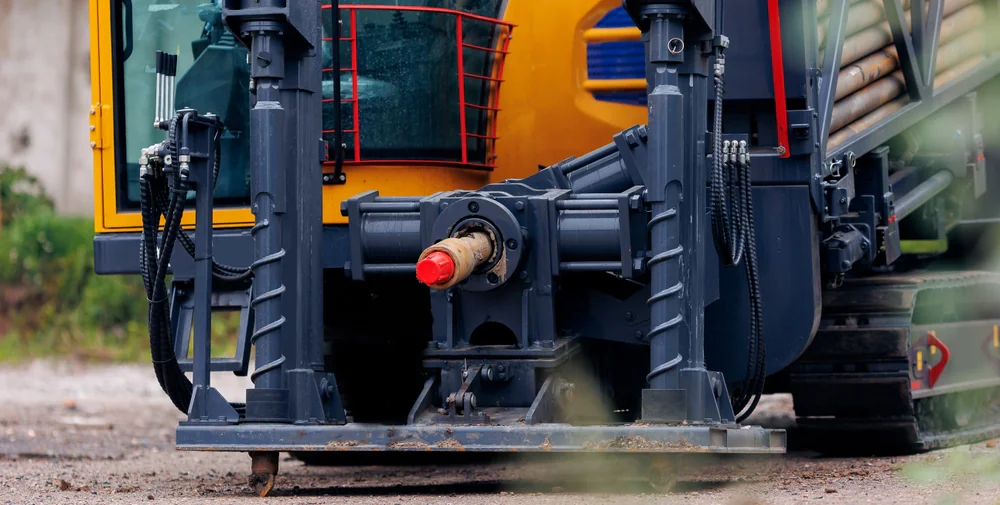
Trenchless pipe lining lasts between 50 and 100 years depending on the method and materials used. CIPP (cured-in-place pipe) liners are made from resin-saturated felt that hardens into a solid, seamless pipe. Pipe bursting installs high-density polyethylene pipe, which is built to last a century.
Both methods outlast traditional pipe repairs. And because the new pipe is jointless and seamless, it won’t leak, crack, or allow root intrusion. You’re not kicking the problem down the road. You’re fixing it permanently.
Most Thomaston homes were built between the 1950s and 1970s. If your original sewer line is still in place, it’s likely nearing the end of its lifespan. Trenchless pipe lining gives you a new pipe that will outlast the rest of your home’s plumbing system.
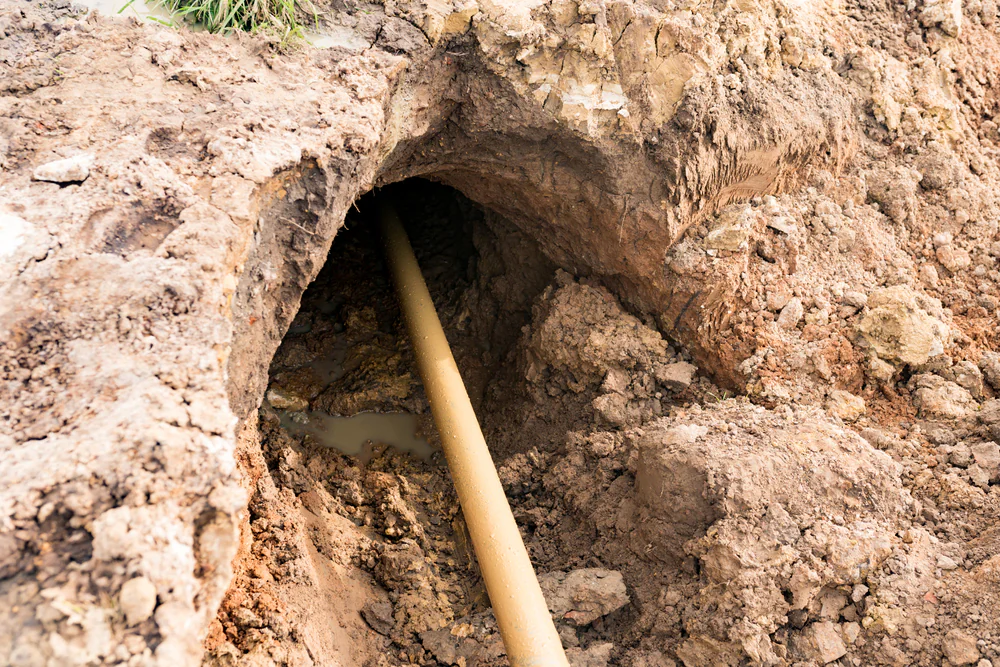
Yes. That’s exactly what trenchless pipe lining is designed to do. We access your sewer line from a small entry point—usually an existing cleanout or a single access hole. From there, we insert the liner or pull the new pipe through without disturbing your driveway.
Traditional sewer repair requires digging a trench from your house to the street. If your sewer line runs under your driveway, that means jackhammering through concrete or asphalt, excavating several feet down, replacing the pipe, backfilling, and then repaving. You’re looking at weeks of work and thousands in restoration costs.
Trenchless repair takes a day and a half on average. Your driveway stays intact. You avoid the repaving costs. And the repair is stronger and longer-lasting than traditional methods. It’s a better solution in every measurable way.
Yes. Trenchless pipe lining works year-round because we’re not excavating below the frost line. Traditional pipe replacement in winter is a nightmare in Nassau County. The frost line drops over three feet, and frozen ground makes excavation slow, difficult, and expensive.
Trenchless methods avoid that entirely. We’re working inside your existing pipe, so ground conditions don’t matter. The resin cures with heat or UV light, so cold temperatures don’t interfere with the process.
That means you’re not stuck waiting until spring to fix a failing sewer line. And you’re not paying winter excavation premiums that can double or triple the cost of traditional repairs. Trenchless pipe lining costs the same in January as it does in July.
Tree roots and aging pipe materials are the two biggest culprits. Thomaston has mature trees throughout the village, and roots naturally grow toward water sources. Your sewer line is the perfect target. Roots penetrate joints, cracks, or weak spots in the pipe and expand, causing blockages or full pipe collapse.
Older homes—especially those built before 1980—often have Orangeburg pipe, clay pipe, or cast iron. Orangeburg is tar paper pipe that deteriorates and collapses over time. Clay pipe cracks under pressure. Cast iron corrodes from the inside out.
If you’re dealing with recurring clogs, slow drains, or sewage backups, the problem is likely structural. Snaking the line might clear a blockage temporarily, but it won’t fix a cracked or collapsed pipe. Trenchless pipe lining addresses the structural issue and prevents future problems.
Trenchless pipe lining typically costs 30% to 50% less than traditional sewer replacement. The savings come from reduced labor, no excavation, and no restoration costs. You’re not paying to dig up your yard, haul away dirt, replace the pipe, backfill, and then restore your landscaping and hardscaping.
Traditional sewer replacement in Thomaston can easily run $15,000 to $25,000 when you factor in excavation and restoration. Trenchless methods typically range from $8,000 to $15,000 depending on the length and condition of the pipe.
You also avoid hidden costs. No need to replant landscaping. No driveway repaving. No temporary relocation because your yard is a construction zone. The work gets done faster, costs less, and delivers a longer-lasting result.
Trenchless pipe lining is a permanent fix. You’re not patching a section of pipe or clearing a blockage. You’re installing a brand-new pipe inside the old one that lasts 50 to 100 years.
The cured-in-place liner becomes a structural pipe on its own. It’s seamless, so there are no joints where roots can penetrate. It’s chemically resistant, so household waste and drain cleaners won’t corrode it. And it’s strong enough to handle the same flow and pressure as a traditionally installed pipe.
Pipe bursting is even more robust. You’re pulling a new high-density polyethylene pipe through the old line, which physically replaces the damaged pipe. That new pipe is built to last a century. Both methods give you a permanent solution that eliminates the need for future repairs.
Other Services we provide in Thomaston