
Hear from Our Customers
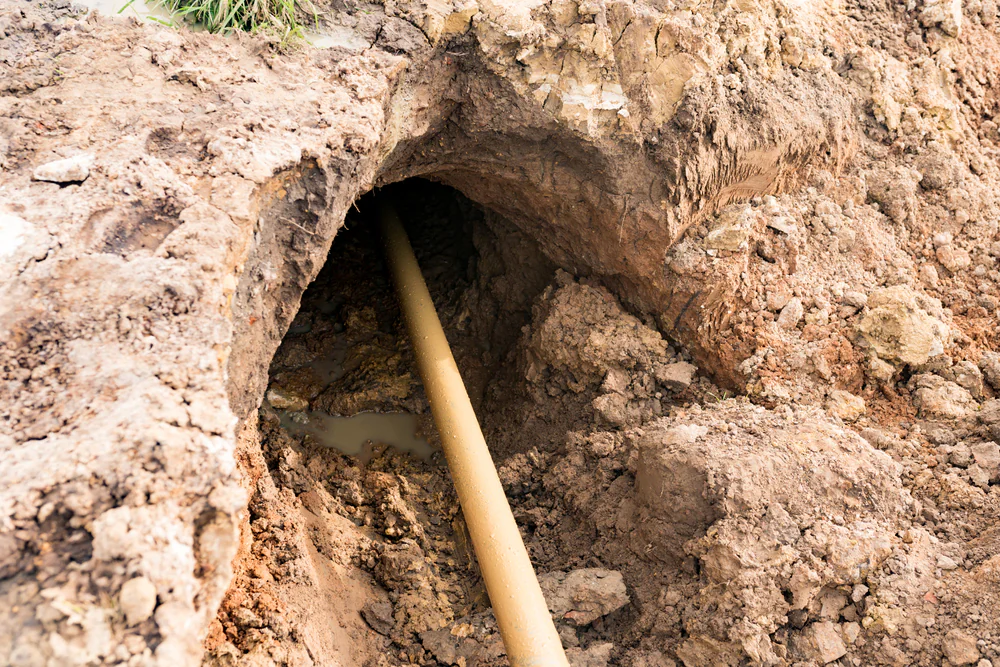
Your sewer line gets repaired from the inside. We insert a resin-coated liner through existing access points, cure it in place, and you’re left with a seamless, root-proof pipe that outlasts the original by decades.
Your driveway stays put. Your landscaping stays intact. Your sprinkler system doesn’t get ripped out. If you’ve spent years building up your property in Rockville Centre, trenchless pipe lining protects that investment instead of undoing it.
Most residential jobs finish in a day. You’re not waiting weeks for excavation crews, restoration teams, and landscape contractors to put your yard back together. The work happens fast because the process is simpler—and you’re back to normal before the weekend.
We’ve been handling trenchless sewer repair across Nassau County for over 40 years. We’re not new to this, and we’re not learning on your property.
Rockville Centre has older homes—many built in the mid-20th century with clay or cast iron sewer lines that don’t age well. Tree roots from mature street trees work their way into joints. Pipes corrode. Orangeburg fails. We’ve seen it all, and we know how to fix it without tearing up your block.
You’ll talk directly to the owner, John Marra, at 631-957-5023. No call centers. No runaround. Just straight answers about what’s wrong and what it’ll take to fix it.
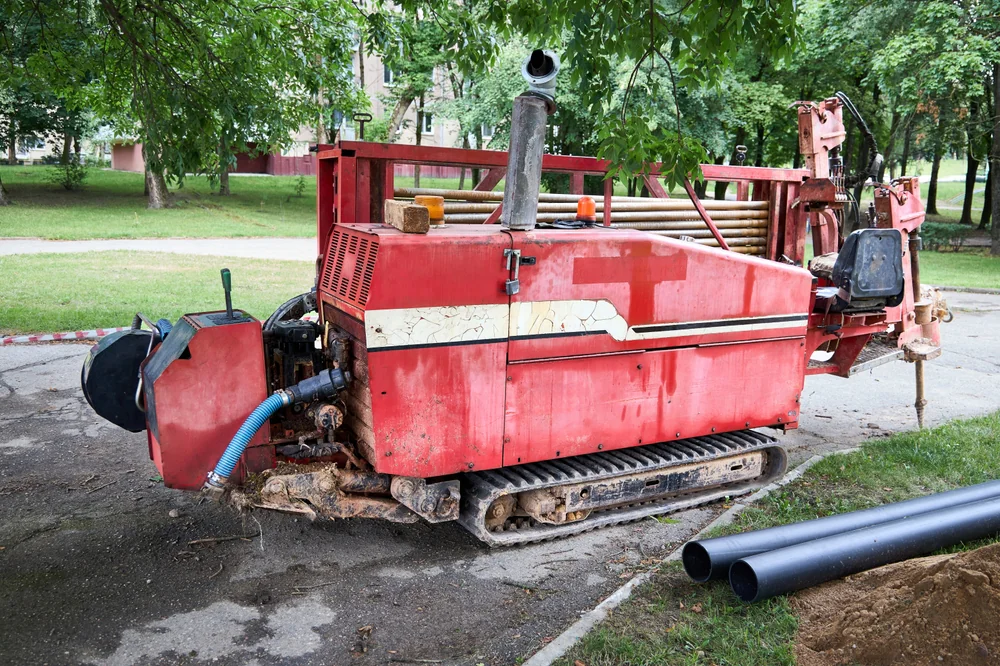
First, we inspect your sewer line with a camera to see exactly what’s going on. Cracks, root intrusion, corrosion—we map it all out so there’s no guessing.
Next, we clean the pipe using hydro jetting to remove debris, roots, and buildup. The liner needs a clean surface to bond properly, so this step matters.
Then we insert a flexible, resin-saturated liner through an existing access point—usually a cleanout or the pipe opening. We position it to cover the damaged section, then inflate it so it presses against the old pipe walls.
We cure the resin using heat or UV light, depending on the system. Once it hardens, you’ve got a new pipe inside the old one. It’s seamless, watertight, and strong enough to handle decades of use.
Finally, we do a post-repair camera inspection to confirm everything’s sealed and functioning. You see the before and after. No mysteries.
Ready to get started?
Rockville Centre has a lot of homes from the 1940s, 50s, and 60s. Back then, clay and cast iron were standard for sewer lines. Those materials break down over time—clay cracks, cast iron corrodes, and Orangeburg disintegrates.
If your home is 30+ years old and you’re dealing with slow drains, recurring backups, or soggy spots in the yard, your sewer line is probably compromised. Traditional repair means digging a trench four to six feet deep, pulling out the old pipe, and installing new sections. That’s expensive, slow, and destructive.
Trenchless pipe lining skips all that. We go under your driveway, under your patio, under your landscaping. If you’ve got an established yard with mature plantings or hardscaping, this is the only method that makes sense. You’re not rebuilding half your property just to fix a pipe.
The liner itself is designed to last 50 to 100 years. It’s impervious to roots, resistant to corrosion, and won’t crack like clay. You’re essentially getting a brand-new pipe without the excavation.
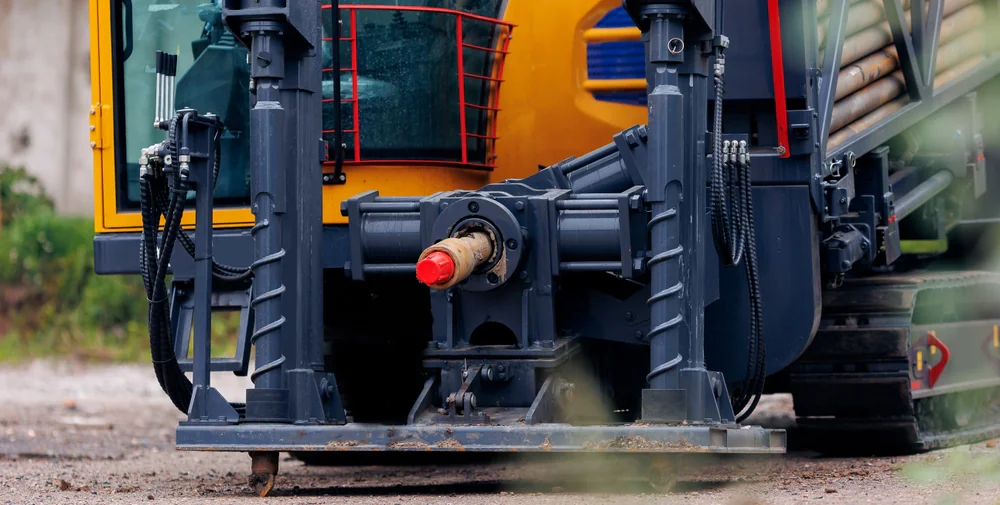
Trenchless pipe lining in Rockville Centre typically costs less than full excavation when you factor in the real expenses. Yes, the liner itself might seem pricier upfront, but traditional repair doesn’t stop at digging.
You’re paying for excavation, pipe removal, new pipe installation, backfill, and then restoration—which means rebuilding your driveway, re-sodding your lawn, replacing landscaping, and fixing any sprinkler lines or utilities that got torn up in the process. That adds up fast.
Trenchless work is usually done in a day. You’re not paying crews for a week of labor, and you’re not hemorrhaging money on restoration. For most residential sewer lines in Rockville Centre, trenchless pipe lining ends up being the more cost-effective option—and it lasts longer than traditional repairs.
Yes. That’s exactly what trenchless pipe lining is built for. We access your sewer line through existing cleanouts or small entry points—usually at the foundation or near the street connection.
The liner goes in through those access points and gets positioned to cover the damaged section under your driveway. Once it’s cured, you’ve got a fully restored pipe and your driveway hasn’t been touched.
If your sewer line runs under a concrete driveway, asphalt, pavers, or any other hardscaping, trenchless repair saves you thousands in replacement costs. You’re not jackhammering, re-pouring, or waiting for concrete to cure. The driveway stays intact, and the repair is permanent.
The liners we install are rated for 50+ years, and many manufacturers back them for up to 100 years. These aren’t temporary patches—they’re engineered to outlast the original pipe.
The cured-in-place pipe (CIPP) creates a seamless interior surface that won’t crack, corrode, or allow root intrusion. Unlike clay or cast iron, which degrade over time, the resin-based liner is chemically resistant and structurally sound for decades.
Most homeowners in Rockville Centre won’t need to think about their sewer line again. You’re getting a one-time fix that handles whatever your property throws at it—roots, shifting soil, temperature changes—without failing.
If the pipe is fully collapsed or severely offset, trenchless pipe lining might not be the right option. The liner needs some structural integrity to bond against, and a completely collapsed section doesn’t provide that.
In those cases, we’d look at pipe bursting—a trenchless method that breaks apart the old pipe while pulling a new one into place. It still avoids full-length excavation, but it’s a different process.
We’ll know after the camera inspection. If your pipe is cracked, root-damaged, or partially collapsed, lining works great. If it’s caved in or the offset is too severe, we’ll walk you through the alternatives. Either way, you’re getting an honest assessment based on what the camera shows—not a sales pitch.
Yes. Clay and cast iron are actually the most common candidates for trenchless pipe lining. Both materials deteriorate over time—clay cracks at the joints, and cast iron corrodes from the inside out.
The liner doesn’t replace the old pipe; it creates a new pipe within it. As long as the existing pipe hasn’t completely collapsed, the liner bonds to the interior and seals off cracks, joint separations, and corroded sections.
Rockville Centre has a lot of homes with original clay sewer lines from the 1940s and 50s. Those lines are reaching the end of their lifespan, but trenchless pipe lining gives them another 50+ years without tearing up your property. It’s a permanent fix for aging infrastructure.
If you’re dealing with recurring backups, slow drains throughout the house, or sewage odors in your yard, your sewer line is probably compromised. Soggy spots in the lawn, especially near the sewer line path, are another red flag.
Older homes in Rockville Centre—anything built before 1980—are prime candidates. Clay, cast iron, and Orangeburg pipes don’t last forever, and tree roots from mature street trees often infiltrate the joints.
The only way to know for sure is a camera inspection. We run a camera through your sewer line and show you exactly what’s happening—cracks, root intrusion, corrosion, whatever’s there. Then we’ll tell you whether trenchless pipe lining makes sense or if you need a different approach. No guessing, no upselling—just a clear answer based on what we see.
Other Services we provide in Rockville Centre