
Hear from Our Customers
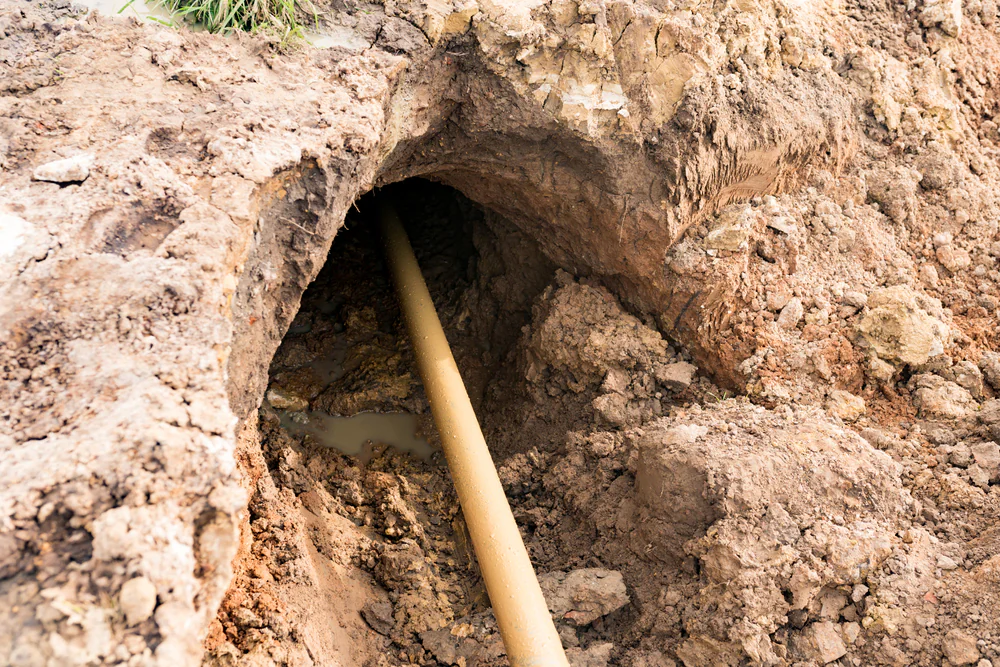
Your sewer line gets repaired from the inside out. No digging means your driveway, patio, and mature landscaping stay exactly where they are.
The work happens underground through existing access points. A resin-saturated liner gets inserted into your damaged pipe, then cured in place using heat or UV light. Once it hardens, you’ve got a brand-new pipe inside the old one that’s stronger than what was there before.
Most jobs finish in 3-5 hours. You’re not looking at a week of contractors tearing up your property, then another week waiting for restoration crews. The process wraps up same-day in most cases, and your yard looks like nothing ever happened.
This matters in Port Washington North, where most homes were built in 1969 and the original cast iron or clay sewer lines are showing their age. Cracks, root intrusion, corrosion—these problems don’t fix themselves. But trenchless pipe lining for old homes gives you a 50-year solution without the traditional mess.
We’ve handled trenchless sewer repair across Nassau County for over 40 years. That’s four decades of frozen ground in winter, root-choked lines in summer, and every kind of pipe problem you can imagine.
We’re not new to Port Washington North. We know the housing stock here—mostly single-family homes from the late ’60s with aging infrastructure. We know what fails first, what causes the most trouble, and what actually works long-term.
You’re not getting a sales pitch from someone who learned about pipes last month. You’re talking to people who’ve seen thousands of sewer lines and know exactly what your property needs. We show up with the right equipment, the right crew size, and a clear plan that doesn’t involve destroying your yard.
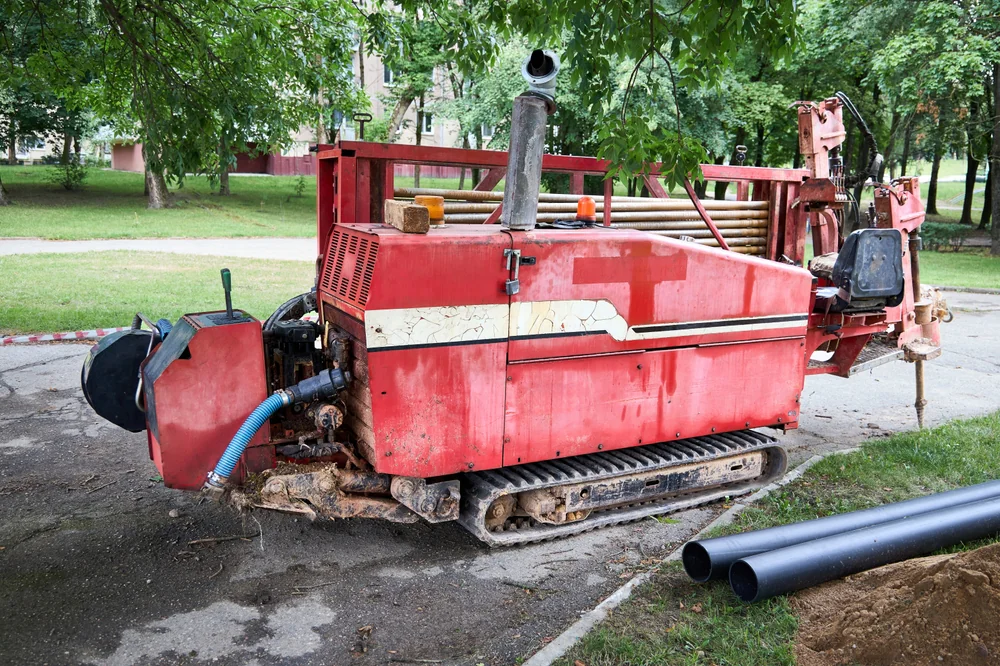
First, we run a camera through your existing sewer line to see exactly what’s going on. Cracks, breaks, root intrusion, corrosion—the camera shows us everything. You see it too. No guessing, no upselling.
If trenchless pipe lining makes sense for your situation, we clean the pipe thoroughly using high-pressure water jetting. Any roots, debris, or buildup gets cleared out so the new liner bonds properly.
Then we insert a flexible liner saturated with epoxy resin into your damaged pipe. This liner gets positioned exactly where it needs to go, then inflated to press against the pipe walls. We cure it in place using heat or UV light, which hardens the resin and creates a seamless, jointless pipe inside your old one.
Once it’s cured, we do a final camera inspection to confirm everything looks right. The whole process typically wraps up in a few hours. Your sewer line is fixed, your property is untouched, and you’re done.
This method works under driveways, patios, landscaping, even detached garages. Straight runs or curved—doesn’t matter. The liner conforms to your existing pipe path, so there’s no need to dig trenches or reroute anything.
Ready to get started?
Port Washington North has a median home age of over 50 years. If your house was built in 1969 or earlier, your sewer line is likely cast iron or clay. Both materials crack, corrode, and attract tree roots over time.
Traditional repair means digging a trench 4-6 feet deep through whatever’s in the way. If your sewer line runs under your driveway, that driveway gets torn up. If it’s under mature landscaping you’ve spent years cultivating, that’s gone too. Then you’re paying for the pipe repair plus thousands more to restore everything.
Trenchless sewer pipe lining skips all of that. The repair happens from inside the pipe, so surface disruption is nearly zero. Your driveway stays intact. Your landscaping survives. You save the $10,000-$20,000 in restoration costs that usually come with traditional dig-and-replace.
The new liner is root-resistant, chemical-resistant, and rated to last 50-100 years. It’s not a temporary patch. You’re getting a permanent fix that outlasts most traditional pipe replacements.
In Nassau County, where median property values sit around $658,700, protecting your landscaping and hardscaping isn’t just about aesthetics. It’s about preserving the investment you’ve already made in your home. Trenchless methods let you fix critical infrastructure without sacrificing everything else.
Trenchless pipe lining typically costs $80-$250 per foot depending on pipe diameter, damage extent, and access conditions. For a standard 50-foot residential repair, you’re looking at $3,000-$6,000 in most cases.
Traditional dig-and-replace might seem cheaper upfront—until you factor in restoration. Tearing up a driveway and putting it back can easily add $10,000-$20,000 to your total bill. Landscaping restoration, patio repairs, and other surface work pile on even more.
When you add it all up, trenchless methods often cost 30-50% less than traditional approaches once restoration is included. You’re also saving time. Traditional repairs take days or weeks when you account for digging, pipe replacement, backfill, and restoration crews. Trenchless work finishes in hours, sometimes same-day.
It depends on the collapse. If sections of your pipe have shifted or separated but there’s still a path through, trenchless pipe lining can often work. The liner can bridge gaps and reinforce weakened sections as long as we can get it through.
If the pipe is fully crushed with no interior pathway, we’d recommend pipe bursting instead. That’s still a trenchless method, but instead of lining the old pipe, we break it apart and pull a new pipe through the same path. You still avoid the big dig-up, and the process is nearly as fast.
We always run a camera inspection first to assess what’s actually happening underground. That tells us whether lining, bursting, or a hybrid approach makes the most sense. You’ll see the footage yourself, so there’s no mystery about what your pipe needs or why we’re recommending a specific method.
Most trenchless pipe lining installations last 50 years minimum. Some manufacturers rate their systems for 100 years under normal conditions. The liner itself is made from epoxy resin that’s stronger and more durable than the original cast iron or clay pipe.
Because the liner is seamless and jointless, there are no weak points where roots can penetrate or leaks can develop. It’s also resistant to corrosion and chemical damage, which are the main reasons old sewer pipes fail in the first place.
Compare that to traditional pipe replacement, where new PVC or cast iron pipes still have joints every 10 feet. Those joints are potential failure points decades down the line. With trenchless lining, you’re creating one continuous pipe with no seams. That’s why the lifespan is so much longer and why you’re far less likely to deal with repeat problems.
Yes. That’s one of the biggest advantages of trenchless methods in Port Washington North, where winters get cold and the ground freezes solid.
Traditional sewer repair in winter means breaking through frozen ground, which requires specialized equipment and drives costs up 200-300% compared to summer work. Contractors have to use jackhammers, frost plows, or even ground heaters just to reach your pipe. Then you’re still dealing with all the restoration work once the ground thaws.
Trenchless pipe lining bypasses the frozen ground entirely. We access your sewer line through existing cleanouts or small entry points that don’t require deep excavation. The repair happens underground where temperature isn’t an issue. The curing process uses controlled heat or UV light, so cold weather doesn’t affect the installation.
If you’ve got a sewer problem in January, you don’t have to wait until spring or pay triple the normal rate. Trenchless methods work year-round at consistent pricing.
We clear them out before installing the liner. High-pressure water jetting cuts through roots and flushes them out of the pipe completely. If roots are particularly thick or stubborn, we use mechanical cutting tools to grind them down first.
Once the pipe is clean, we install the trenchless liner. After it cures, the new pipe surface is completely smooth and root-resistant. Tree roots infiltrate sewer pipes through cracks, joints, and porous materials like clay. The epoxy liner eliminates all of those entry points.
Roots that were growing inside your old pipe can’t penetrate the new liner. They might still grow near your sewer line underground, but they won’t get back inside. That means you’re not dealing with repeat root clogs every few years like you would with a traditional repair that still has joints and seams.
Common signs include slow drains throughout your house, gurgling sounds from toilets or sinks, sewage backups, or wet spots in your yard above where the sewer line runs. If your home was built before 1980 and you’ve never had the sewer line inspected or repaired, there’s a good chance it needs attention.
The only way to know for sure is a camera inspection. We run a waterproof camera through your sewer line and show you exactly what’s happening inside. You’ll see cracks, root intrusion, corrosion, or whatever else is going on. That footage tells us whether trenchless pipe lining makes sense or if you need a different approach.
Most homeowners in Port Washington North with houses from the ’60s and ’70s are dealing with aging cast iron or clay pipes. These materials have a lifespan of 50-70 years under ideal conditions. If you’re approaching or past that point, a camera inspection is worth doing before you have a major failure. Catching problems early usually means simpler, less expensive repairs.
Other Services we provide in Port Washington North