
Hear from Our Customers
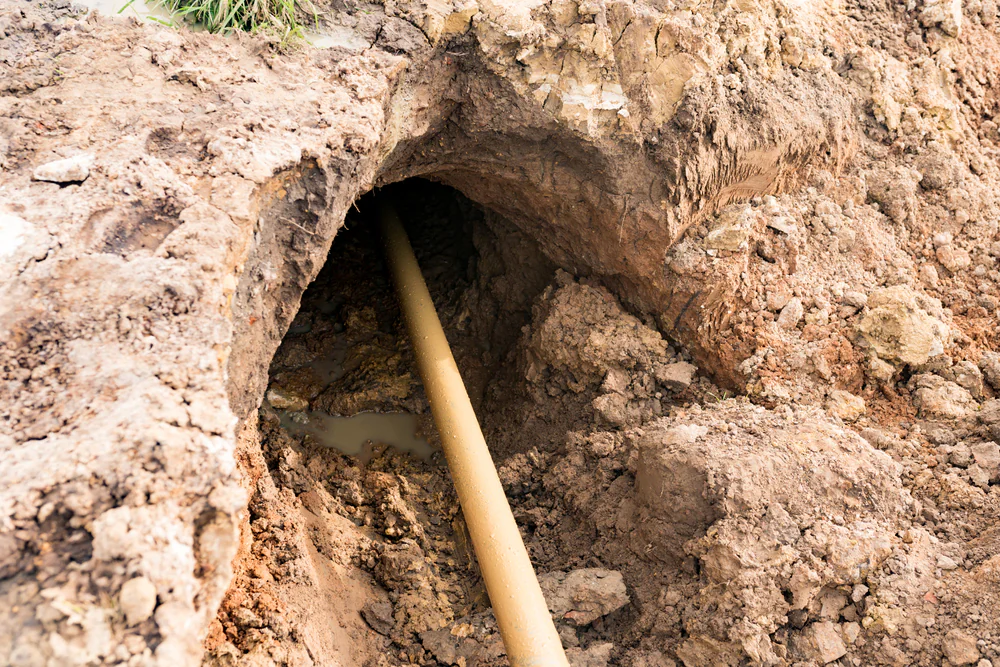
You’ve got a sewer problem. Maybe it’s backing up, maybe you’re seeing soggy spots in the yard, or maybe a camera inspection just told you what you didn’t want to hear. The old approach meant digging trenches across your property, tearing up driveways, gardens, and that lawn you’ve spent years perfecting. Then comes the repair bill, followed by the restoration bill.
Trenchless pipe lining in Northwest Harbor, NY changes that equation entirely. We access your sewer line through two small entry points—usually existing cleanouts or small access holes. From there, we insert a resin-saturated liner into the damaged pipe, inflate it, cure it in place, and you’re left with a brand-new pipe inside the old one. No trenches. No destroyed landscaping. No weeks of construction crews camped in your driveway.
This matters in Northwest Harbor, where property values average over $2 million and your outdoor spaces aren’t just functional—they’re part of what you paid for. The process typically wraps up in under 24 hours for residential properties. You get a seamless, joint-free pipe that’s built to last 50 years or more, all while your yard, driveway, and gardens stay untouched.
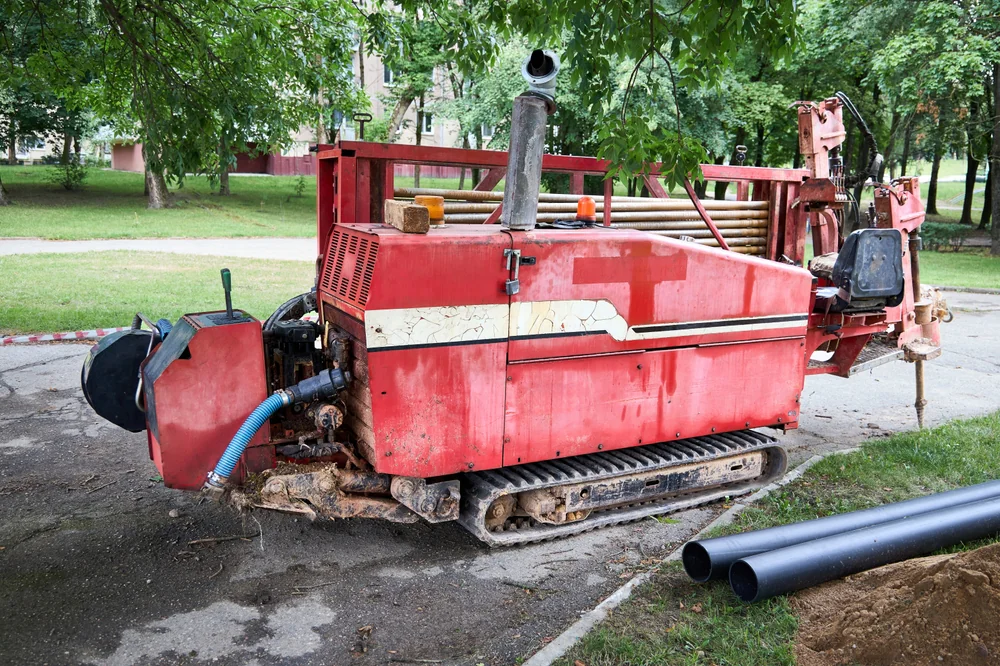
We’ve been handling sewer and water line work across Nassau and Suffolk counties since 1983. We’re family-owned, and we don’t subcontract our trenchless work to someone else’s crew. When you call us, our technicians show up with our equipment.
That matters because trenchless pipe lining isn’t something you learn in a weekend. It requires specialized gear, trained crews, and enough experience to know what you’re looking at when a camera goes down your line. We’ve worked on everything from aging clay pipes in historic properties to root-damaged lines under driveways in waterfront homes.
Northwest Harbor presents its own challenges—seasonal properties, high water tables, proximity to the coast, and homeowners who expect work done right the first time. We get it. You’re not looking for the cheapest option. You’re looking for someone who understands what’s at stake when you’re dealing with a $2 million property and a sewer line that’s been underground for 50 years.
First, we run a camera inspection through your sewer line. This isn’t optional—we need to see exactly what we’re dealing with. Cracks, root intrusion, corrosion, collapsed sections—the camera tells us everything. It also confirms that trenchless pipe lining is the right fix for your situation. Not every pipe qualifies, but most do.
Once we know the scope, we clean the line thoroughly using hydro-jetting equipment. This removes years of buildup, roots, and debris so the liner can bond properly to the pipe walls. Then we measure the damaged section and prepare a custom liner saturated with epoxy resin.
The liner gets inserted into your existing pipe through a small access point—usually a cleanout or a small excavation. We inflate it using air pressure, which pushes the liner against the interior walls of the old pipe. The resin cures in place, typically within a few hours, creating a new pipe inside the old one. Once cured, we deflate the bladder, remove it, and run a final camera inspection to confirm everything is sealed and smooth.
You’re left with a seamless, jointless pipe that’s stronger than the original and rated to last 50+ years. The whole process usually takes less than a day for residential work.
Ready to get started?
Northwest Harbor has its share of older homes—properties built decades ago when clay and cast iron were the standard for sewer lines. Those materials don’t age gracefully. Clay cracks, cast iron corrodes, and tree roots find every weak point. If your home was built before 1980, there’s a good chance your sewer line is showing its age.
Trenchless pipe lining is particularly effective for these older systems. Instead of replacing the entire line—which often means tearing up mature landscaping, driveways, or even parts of your foundation—we rehabilitate it from the inside. The new liner is resistant to root intrusion, corrosion, and the kind of joint separation that plagues older pipes.
This approach also works well for properties with restricted access. Waterfront homes, tight lot lines, protected vegetation, or areas where digging permits are difficult to obtain—all of these scenarios make trenchless methods the smarter choice. You’re not just avoiding the mess. You’re avoiding the permitting headaches, the restoration costs, and the months-long timeline that comes with traditional excavation.
The seasonal nature of many Northwest Harbor properties adds another layer of complexity. If you’re renting your home during the summer or only using it part of the year, you need repairs done quickly and cleanly. Trenchless pipe lining fits that timeline without turning your property into a construction zone.
Trenchless pipe lining is designed to last 50 years or more—often longer than traditional pipe replacement. The cured-in-place pipe (CIPP) liner creates a seamless, jointless interior that’s highly resistant to the issues that destroy conventional pipes: root intrusion, corrosion, ground movement, and chemical degradation.
Traditional pipe replacement gives you new pipe, but it still has joints every few feet where sections connect. Those joints are weak points. Over time, they shift, separate, and let roots in. The new liner eliminates that vulnerability entirely.
The epoxy resin we use in the lining process is also more durable than many traditional pipe materials. It won’t corrode like cast iron, crack like clay, or degrade like older PVC formulations. You’re essentially installing a brand-new pipe inside the old one, and that new pipe is built with modern materials engineered for longevity.
Yes, but we have to clear the roots first. Before we install the liner, we run a camera inspection to see exactly what’s happening inside your pipe. If roots are present—and they often are in older sewer lines—we use hydro-jetting equipment to cut them out and flush the line clean.
Hydro-jetting uses high-pressure water to remove roots, scale, grease, and debris without damaging the pipe. Once the line is clear, we can install the liner. The cured liner creates a smooth, seamless interior that roots can’t penetrate. Even if roots are still active in the soil around your pipe, they won’t be able to break through the new lining.
This is one of the biggest advantages of trenchless pipe lining for older properties in Northwest Harbor. Mature trees are everywhere, and their root systems are aggressive. Instead of cutting down trees or constantly dealing with root-related backups, you get a permanent barrier that keeps roots out for good.
It depends on the severity of the collapse. If the pipe has partially collapsed but still has some structural integrity and an open path, trenchless pipe lining can often reinforce and restore it. The liner adds significant structural strength to the existing pipe, essentially creating a new pipe within the old one.
However, if the pipe has completely collapsed or the line is fully blocked with no way to access it, we may need to do a small excavation at that specific section. The good news is that we only dig where the collapse occurred—not the entire length of the line. We can then line the rest of the pipe using trenchless methods.
This is why the camera inspection is so important. It shows us exactly where the damage is and how severe it is. In many cases, even pipes that look bad on camera can be successfully lined. We’ve rehabilitated lines with multiple cracks, significant root damage, and sections that were close to failure. The liner reinforces the weak areas and extends the life of the entire system by decades.
Trenchless pipe lining typically costs less than full excavation and replacement when you factor in the total project expense. Yes, the lining process itself may have a higher upfront cost per linear foot than just installing new pipe. But that’s not where traditional replacement gets expensive.
The real costs come from excavation, labor, equipment, permits, and restoration. You’re paying to dig trenches across your property, remove and dispose of old pipe, install new pipe, backfill the trenches, and then restore everything that was torn up—driveways, landscaping, walkways, irrigation systems. Those restoration costs can easily match or exceed the cost of the pipe work itself.
With trenchless pipe lining in Northwest Harbor, NY, you avoid almost all of that. We’re not tearing up your property, so there’s nothing to restore. The project takes a fraction of the time, which means lower labor costs. And because we’re not hauling away tons of dirt and old pipe, disposal costs drop significantly. For most residential projects, trenchless methods end up being the more cost-effective option—especially when you consider what your time and property disruption are worth.
Trenchless pipe lining works for both sewer lines and water lines, but the materials and methods differ slightly depending on the application. For sewer and drain lines, we use epoxy-based CIPP liners that cure in place and create a durable, watertight seal. These are not intended for potable water.
For water lines, we use epoxy coatings that are specifically certified for drinking water contact. These coatings meet NSF/ANSI Standard 61, which means they’ve been tested and approved for use in potable water systems. The process involves cleaning the interior of the water line and applying a food-safe epoxy coating that seals leaks, prevents corrosion, and restores flow capacity.
If you’re dealing with an aging water line that’s corroded or leaking—common in older homes with galvanized or copper pipes—trenchless rehabilitation can extend its life without tearing up your property. The key is working with a contractor who has the right certifications and uses approved materials. We handle both sewer and water line rehabilitation, and we make sure the materials we use are appropriate for the specific application.
The only way to know for sure is with a camera inspection. We run a specialized camera through your sewer line to see the condition of the pipe, identify damage, locate blockages, and determine whether trenchless lining is the right solution. Most pipes qualify, but there are exceptions.
Good candidates include pipes with cracks, joint separation, root intrusion, corrosion, or minor misalignment. Pipes that are partially collapsed but still have an open path can often be lined successfully. Older materials like clay, cast iron, and concrete are all suitable for lining, as are most PVC and ABS pipes.
Poor candidates include pipes that have completely collapsed with no interior access, pipes with severe misalignment or bellies that trap water, or pipes that are too far gone structurally. In those cases, some excavation may be necessary—but often only in the damaged section, not the entire line. The camera inspection gives us a clear picture of what we’re working with, and we’ll walk you through your options based on what we find. No guessing, no surprises.
Other Services we provide in Northwest Harbor