
Hear from Our Customers
You’re not tearing up the driveway you just repaved. You’re not replanting the landscaping that took years to establish. You’re not dealing with mud tracked through your house for three weeks.
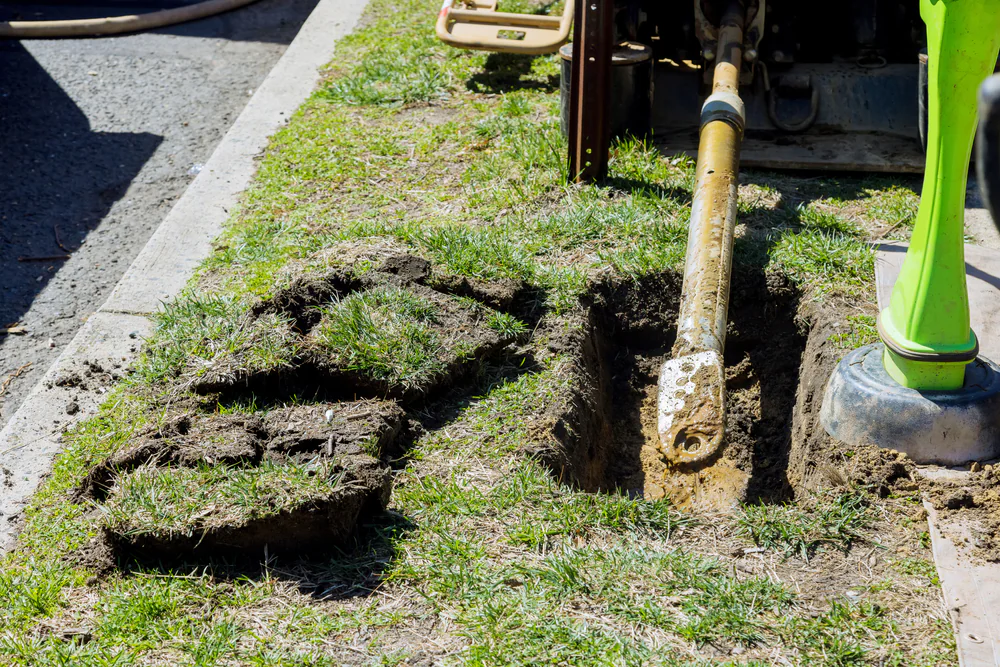
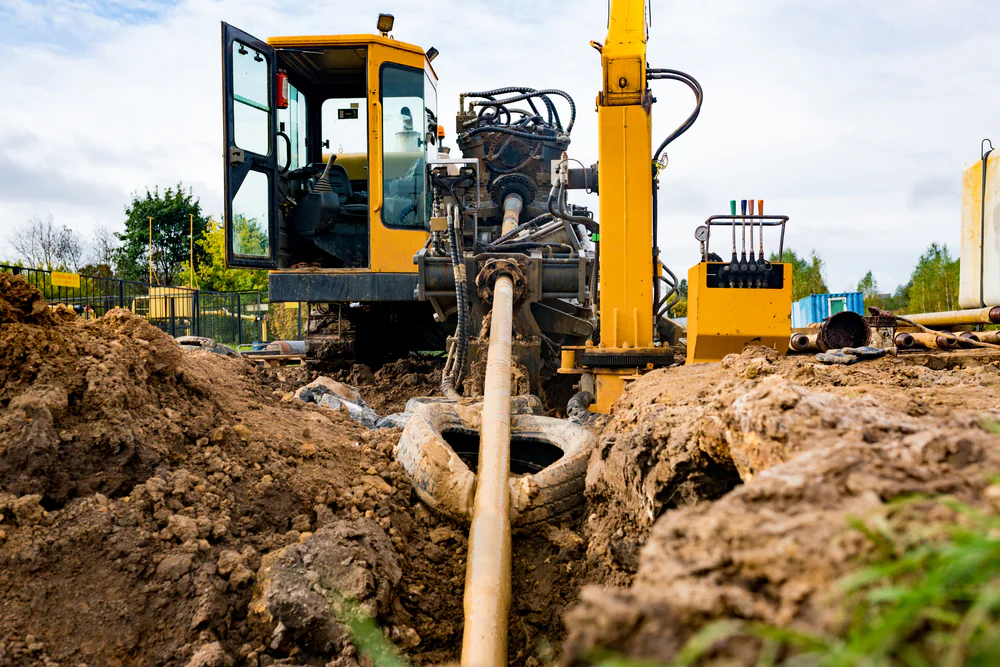
Trenchless directional drilling in West Islip, NY means we drill horizontally underground and pull new pipe through without disturbing the surface. Your property looks the same when we leave as it did when we arrived.
That saves you thousands in restoration costs. No repaving asphalt. No replanting shrubs. No reseeding grass. The project finishes faster because we’re not spending days digging, then more days filling everything back in and cleaning up.
And it works around obstacles you can’t move. We can run lines under your detached garage, around tree roots, beneath patios, or through areas where traditional trenching just isn’t realistic. The drill head goes where it needs to go, and the new pipe follows behind it.
We’ve been handling utility work across Nassau and Suffolk Counties since 1983. Owner John Marra runs the operation, and you can reach him directly if you have questions about your project.
We don’t subcontract the drilling work. Our crew shows up with the equipment and handles the job from start to finish. That matters when you’re running lines under a $15,000 driveway or through a yard with mature landscaping.
West Islip properties deal with the same challenges most of Long Island faces—tight lots, established landscaping, driveways that cost real money to replace. Trenchless methods make sense here because the cost of restoration often exceeds the cost of the actual utility work.
We start by locating existing utilities so we know what’s already underground. That prevents us from hitting your gas line, electric, or anything else that’s buried.
Then we dig two small access points—one where the drill starts, one where it exits. These are typically just a few feet across, nothing like the 4-6 foot trenches you’d see with traditional excavation.
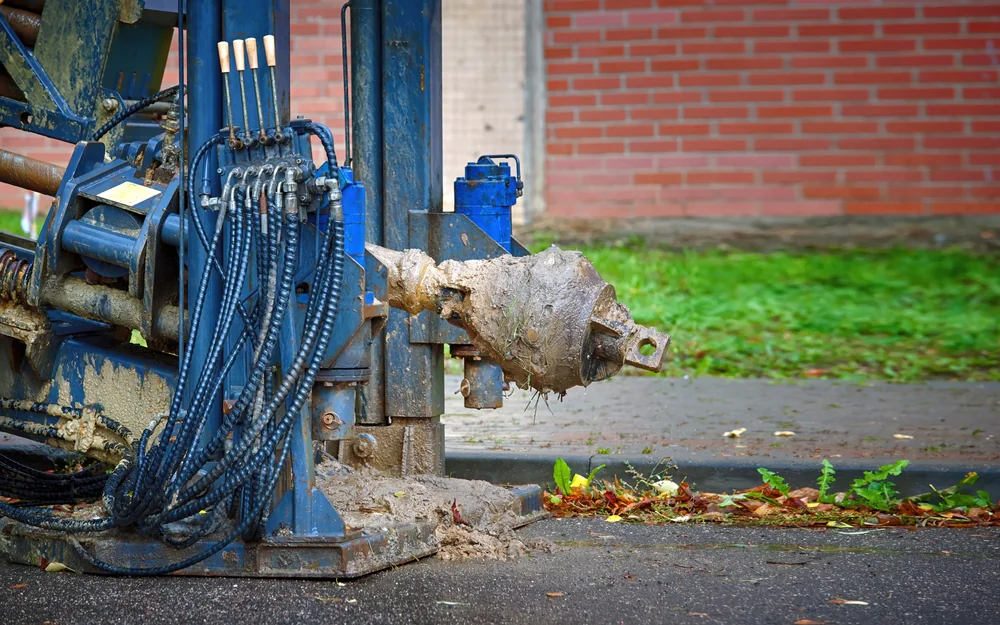
The drill head goes in at the entry point and moves horizontally underground, using water pressure and a specialized boring head to create the path. We guide it to the exit point, then attach the new pipe and pull it back through the drilled path. Once the pipe is in place, we connect it, backfill the small access points, and clean up.
Most residential projects finish in a day or two. You’re not dealing with a torn-up yard for weeks. There’s no dumpster in your driveway. No piles of dirt sitting on your lawn waiting to be hauled away.
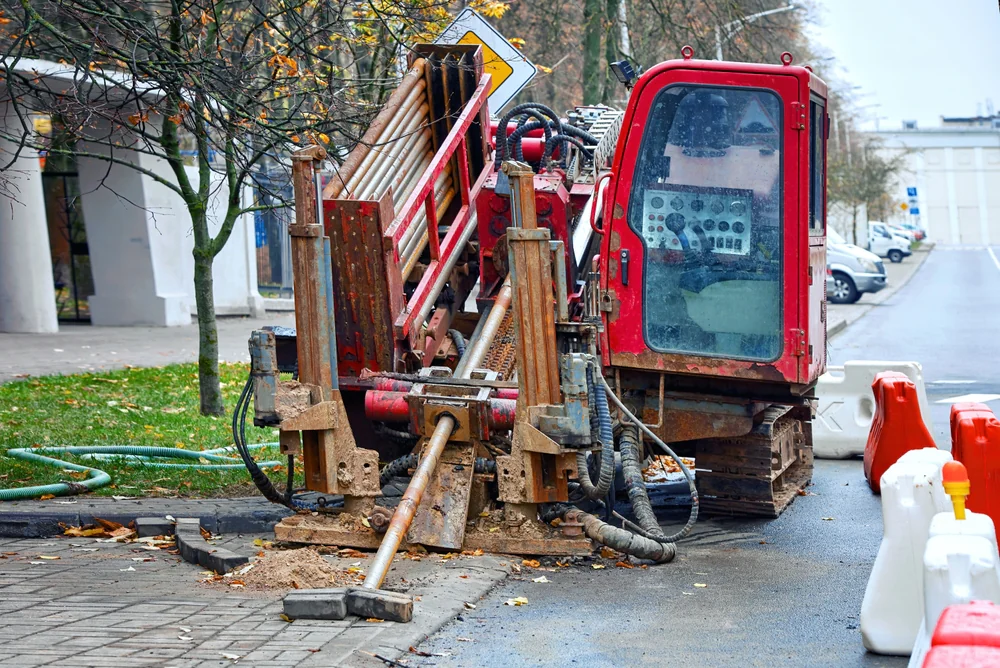
The method works for water line directional drilling in West Islip, NY, trenchless gas line installation, electric conduit, and other utility runs. If it needs to go underground and you want to avoid tearing up your property, horizontal directional drilling handles it.
Ready to get started?
This method works for water line installations when your main needs replacement or you’re adding a new service line. It handles gas line runs when you’re converting to natural gas or replacing an old line that’s developed issues.
We use it for electric conduit when you’re adding service to a detached structure or upgrading your main panel. It works for irrigation lines, for running utilities to pool equipment, for any situation where you need pipe underground but can’t afford to destroy what’s on the surface.
West Islip properties often have mature landscaping and established driveways—investments that represent tens of thousands of dollars. Traditional trenching through those areas means you’re paying twice: once for the utility work, again for restoration. Directional drilling eliminates that second cost.
Long Island’s soil conditions and tight lot layouts make trenchless methods particularly practical here. You’re not dealing with unlimited space or easy access. Properties have detached garages, established gardens, decorative hardscaping. Running lines under those features instead of through them just makes sense.
The equipment handles most soil types. The process works in areas where traditional excavation would require road closures or traffic control. And it’s faster, which matters when you’re trying to get a project done without disrupting your routine for weeks.
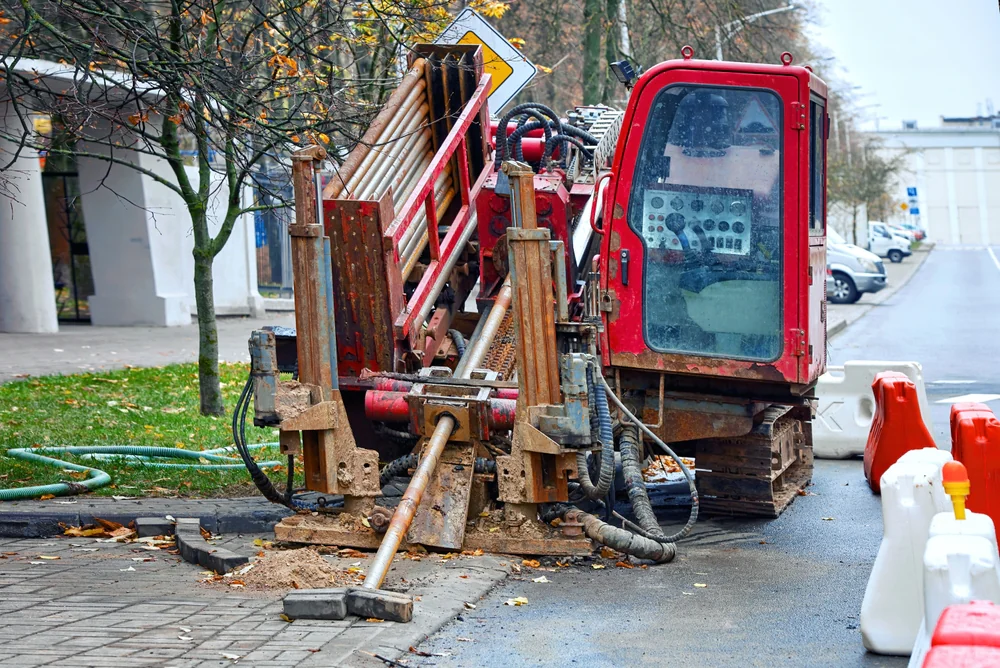
The drilling itself sometimes costs slightly more than basic trenching. But you’re not paying for restoration afterward, and that’s where traditional methods get expensive fast.
Repaving a driveway runs thousands of dollars. Replanting mature landscaping adds hundreds or more depending on what was there. Reseeding and regrading a lawn, replacing damaged sprinkler lines, fixing cracked walkways—all of that adds up quickly when you’ve dug a trench across your property.
With trenchless directional drilling in West Islip, NY, those restoration costs disappear. Your driveway stays intact. Your landscaping doesn’t get touched. The final bill is often lower even though the drilling method itself is more advanced, because you’re not rebuilding half your property when the utility work is done.
Yes. That’s exactly what horizontal directional drilling does. We drill underneath the driveway and pull the new water line through without touching the surface.
You end up with two small access points—one on each side of the driveway—that we backfill and restore. The driveway itself doesn’t get cut, jackhammered, or disturbed. No repaving, no patching, no asphalt work at all.
This matters on Long Island where driveways take a beating from temperature swings and freeze-thaw cycles. Cutting into an existing driveway often creates weak points where cracks develop later. Leaving it untouched means you’re not introducing new failure points into pavement that’s already dealing with harsh conditions.
Most residential utility runs finish in one to two days. That includes locating existing utilities, drilling the path, pulling the new line through, making connections, and cleaning up.
Traditional trenching takes longer because you’re digging for days, then backfilling, compacting, hauling away excess dirt, and restoring the surface. Each of those steps adds time.
Trenchless methods skip most of that. We’re not moving tons of soil. We’re not waiting for backfill to settle before we can restore the surface. The work happens underground with minimal surface disruption, so the timeline compresses significantly. You’re not looking at a week or two of construction activity on your property.
Water lines, gas lines, electric conduit, irrigation systems, and most other underground utilities. If it involves pipe or conduit that needs to run from point A to point B underground, directional drilling handles it.
We use this method for new installations when you’re adding service to a detached garage or converting to natural gas. We use it for replacements when your existing water main has developed leaks or your old gas line needs updating.
The method works for runs under driveways, patios, landscaping, existing structures—anywhere traditional trenching would cause significant disruption or isn’t practical due to space constraints. West Islip properties often have limited access or established features that make trenching difficult. Drilling underneath those obstacles solves the access problem without creating a restoration problem.
The drill path goes deep enough to avoid most root systems, and the entry and exit points are small enough that landscaping around them stays intact. You’re not stripping vegetation across a wide trench line.
Tree roots typically spread in the top few feet of soil. We drill below that zone, so the roots don’t get cut or disturbed. That’s important for mature trees where root damage can affect long-term health.
For landscaping beds, gardens, or planted areas, the minimal surface disruption means you’re not losing plants or having to replant entire sections. The two access points might affect a small area, but the rest of your landscaping remains untouched. That’s a significant difference from traditional trenching, which often requires removing everything in the trench path and starting over with new plantings after the utility work is complete.
We dig two small access pits—one where the drill starts, one where it exits. Those are typically a few feet across. The rest of your lawn stays as is.
Once the gas line is pulled through and connected, we backfill those small pits and restore them. You might need to reseed a couple of small spots, but you’re not looking at a 100-foot trench across your property that needs complete restoration.
For West Islip homeowners converting to natural gas or replacing an aging gas line, this method makes sense because it protects the lawn you’ve invested time and money into maintaining. Long Island lawns deal with enough stress from weather and coastal conditions. Adding a massive trench and restoration project on top of that often sets your lawn back for an entire growing season. Trenchless gas line installation avoids that problem entirely.
Other Services we provide in West Islip