
Hear from Our Customers
You’ve got a sewer line problem. Maybe it’s slow drains, soggy spots in the yard, or a plumber telling you the pipes are shot. The old solution meant tearing up your driveway, ripping out landscaping, and spending weeks dealing with contractors and restoration crews.
Trenchless pipe lining in Munsey Park, NY changes that equation completely. We insert a new pipe inside your old one through a small access point. No digging up your property. No destroying the mature trees and hardscaping you’ve invested in over the years.
The result is a fully restored pipe that’s stronger than the original, with a lifespan of 50 to 100 years. Your driveway stays put. Your landscaping remains untouched. And you avoid the $10,000 to $20,000 in restoration costs that come with traditional excavation.
This matters in Munsey Park, where most homes were built before 1950 and property values average nearly $2 million. You’re not just fixing a pipe. You’re protecting a significant investment without the collateral damage.
We’ve been handling trenchless pipe lining for old homes across Nassau County since the mid-1980s. We’ve seen every pipe problem these older properties throw at us—cracked clay lines, corroded galvanized steel, root-invaded sewer systems.
We’re not new to Munsey Park. We know the housing stock here. We understand that when 52% of homes were built before 1940, you’re dealing with infrastructure that wasn’t designed to last this long.
Our crews use camera inspections to diagnose exactly what’s wrong before recommending a solution. We’re licensed, insured, and available 24/7 for emergencies. When your pipes fail in January and the ground is frozen solid, that response time matters.
First, we run a waterproof camera through your pipes. This shows us exactly where the damage is, whether it’s cracks, root intrusion, or full collapse. No guesswork. You see what we see on the monitor.
Next, we clean the pipe thoroughly using high-pressure water jets. This removes debris, roots, and buildup so the liner bonds properly to the existing pipe walls.
Then comes the actual lining. We insert a flexible tube coated with epoxy resin into your pipe through a small access point—usually 4×4 feet or less. We position it precisely where it needs to go, then inflate it so it presses against the interior walls of your old pipe.
The epoxy cures in place, typically within a few hours. Once it hardens, you’ve got a brand-new pipe inside your old one. It’s seamless, which means no joints for roots to penetrate. It’s corrosion-resistant. And it’s structurally stronger than what was there before.
Most jobs finish in a single day. You’re back to normal water usage that evening.
Ready to get started?
Traditional excavation means digging a trench from your house to the street or septic connection. In Munsey Park, where the frost line drops below three feet in winter, that’s expensive and time-consuming. Frozen ground requires specialized equipment. Restoration means replacing concrete, asphalt, landscaping, and sometimes irrigation systems.
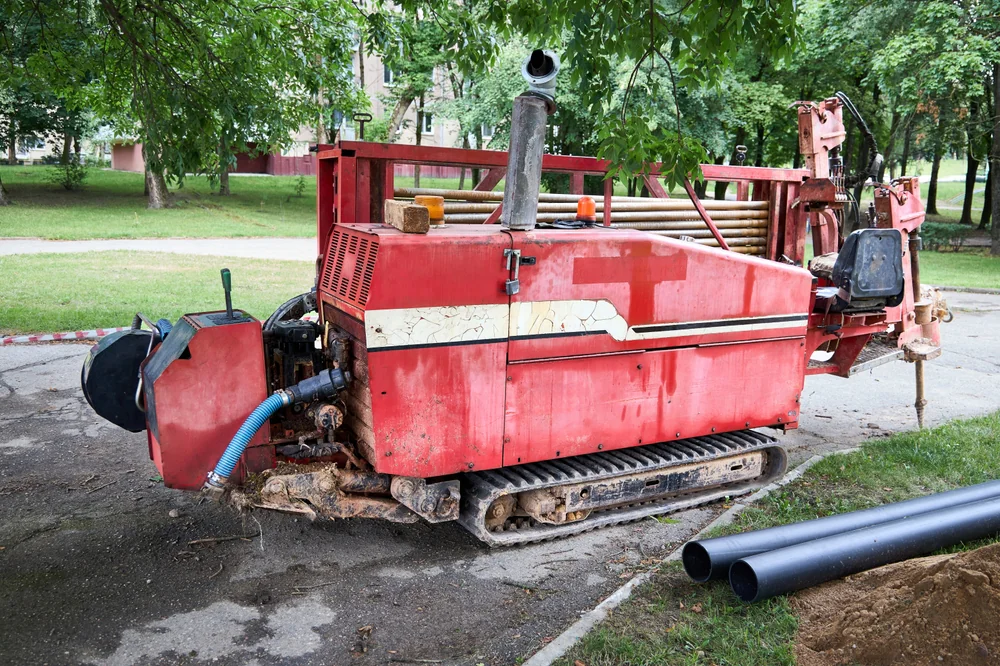
Trenchless pipe lining for old homes eliminates most of that. We need minimal access—just enough to insert our equipment. Your driveway stays intact. Your mature trees don’t get their roots disturbed. Your lawn doesn’t turn into a construction zone for weeks.
The cost difference is significant. Traditional methods can run 50% to 200% more when you factor in excavation and restoration. During winter months, those costs climb even higher because of ground conditions.
You also get a better end product. The epoxy liner we install is impervious to root intrusion, which is critical in established neighborhoods like Munsey Park where mature trees are everywhere. Clay pipes and old cast iron can’t make that claim. Roots will find the joints and cracks every time.
The liner lasts 50 to 100 years. That’s longer than most homeowners will own the property, which means you’re solving this problem once instead of dealing with repeated repairs every decade.
Most residential trenchless pipe lining jobs finish in one day. The timeline depends on the length of pipe that needs repair and how much cleaning is required before we install the liner.
We start with a camera inspection, which takes about an hour. Cleaning the pipe with high-pressure water jets usually takes two to four hours, depending on how much buildup or root intrusion we’re dealing with. Installing and curing the epoxy liner takes another four to six hours.
You’re typically looking at a full workday from start to finish. But you’re not dealing with weeks of excavation, restoration, and waiting for contractors to rebuild your driveway or landscaping. That’s the real time savings—getting your property back to normal immediately instead of managing a construction site for a month.
Yes. That’s actually one of the biggest advantages of trenchless methods in Nassau County.
When temperatures drop and the frost line reaches three feet or deeper, traditional excavation becomes a nightmare. The ground freezes solid. Digging requires specialized equipment and costs skyrocket—sometimes doubling or tripling compared to warmer months.
Trenchless pipe lining doesn’t require digging through frozen ground. We work from small access points that are much easier to manage in winter conditions. The epoxy curing process happens inside your existing pipe and isn’t affected by outside temperatures.
If your sewer line fails in January, you don’t have to wait until spring or pay premium winter excavation rates. We can handle the repair immediately without the weather complications that make traditional methods so expensive and difficult during Long Island winters.
Yes. The epoxy liner creates a seamless, continuous pipe with no joints or cracks where roots can penetrate.
Old clay pipes and cast iron sewer lines have joints every few feet. Those joints are where roots enter—they sense moisture and grow into the gaps. Once roots get inside, they expand and eventually crack the pipe completely.
The liner we install is a single piece of material bonded to your existing pipe walls. There are no seams. No gaps. No weak points for roots to exploit. The epoxy is also impervious to root penetration—roots can’t grow through it like they can through cracked clay or compromised cast iron.
This matters in Munsey Park, where mature trees are everywhere and root intrusion is one of the most common causes of sewer line failure. You’re not just fixing the current damage. You’re preventing the same problem from happening again in five or ten years.
Trenchless methods typically cost 30% to 50% less than traditional excavation when you factor in the full scope of work.
The pipe repair itself might be similar in price. But traditional excavation requires tearing up driveways, sidewalks, and landscaping—then paying to restore all of it. In Munsey Park, where properties have established landscaping and high-end hardscaping, those restoration costs add up fast. You’re easily looking at $10,000 to $20,000 just to put everything back the way it was.
Trenchless pipe lining eliminates most of those costs. We need minimal access points. Your property stays intact. There’s no restoration bill at the end because we didn’t destroy anything to begin with.
The other cost factor is time. Traditional excavation can take weeks when you account for digging, pipe replacement, backfilling, and restoration work. Trenchless jobs finish in a day. If you’re dealing with a rental property or need to get back to normal operations quickly, that time savings has real financial value.
Trenchless pipe lining works on clay, cast iron, PVC, and concrete pipes—basically every type of sewer line material found in Munsey Park homes.
The key requirement is that the existing pipe still has structural integrity. If your pipe has completely collapsed or has major sections missing, we might need to use pipe bursting instead, which replaces the old pipe entirely while still avoiding full excavation.
For pipes with cracks, root intrusion, corrosion, or joint separation, lining is usually the best option. The epoxy liner bonds to the interior walls and essentially creates a new pipe inside the old one. It works on straight runs and can navigate bends up to 90 degrees.
During the camera inspection, we assess whether your specific pipe is a good candidate for lining. We’ll tell you upfront if there’s a reason it won’t work for your situation. Most residential sewer lines in older Munsey Park homes are perfect candidates because the pipes are damaged but not completely destroyed.
The epoxy liners we install have a lifespan of 50 to 100 years. That’s longer than traditional pipe materials and longer than most homeowners will own the property.
The liner is made from epoxy resin that cures into a hard, durable material. It doesn’t corrode like cast iron. It doesn’t crack like clay. It’s impervious to root intrusion and chemical damage from household waste.
Because the liner is seamless and bonded to the existing pipe walls, there are no weak points or joints where problems typically develop. Traditional pipes fail at the joints first—that’s where roots get in and where corrosion starts. The liner eliminates those vulnerabilities entirely.
For Munsey Park homes built in the 1930s and 1940s, this is often the last sewer line repair you’ll need to make. The original pipes might have lasted 70 to 90 years before failing. The liner you’re installing now will outlast your ownership of the property and probably the next owner’s as well.
Other Services we provide in Munsey Park