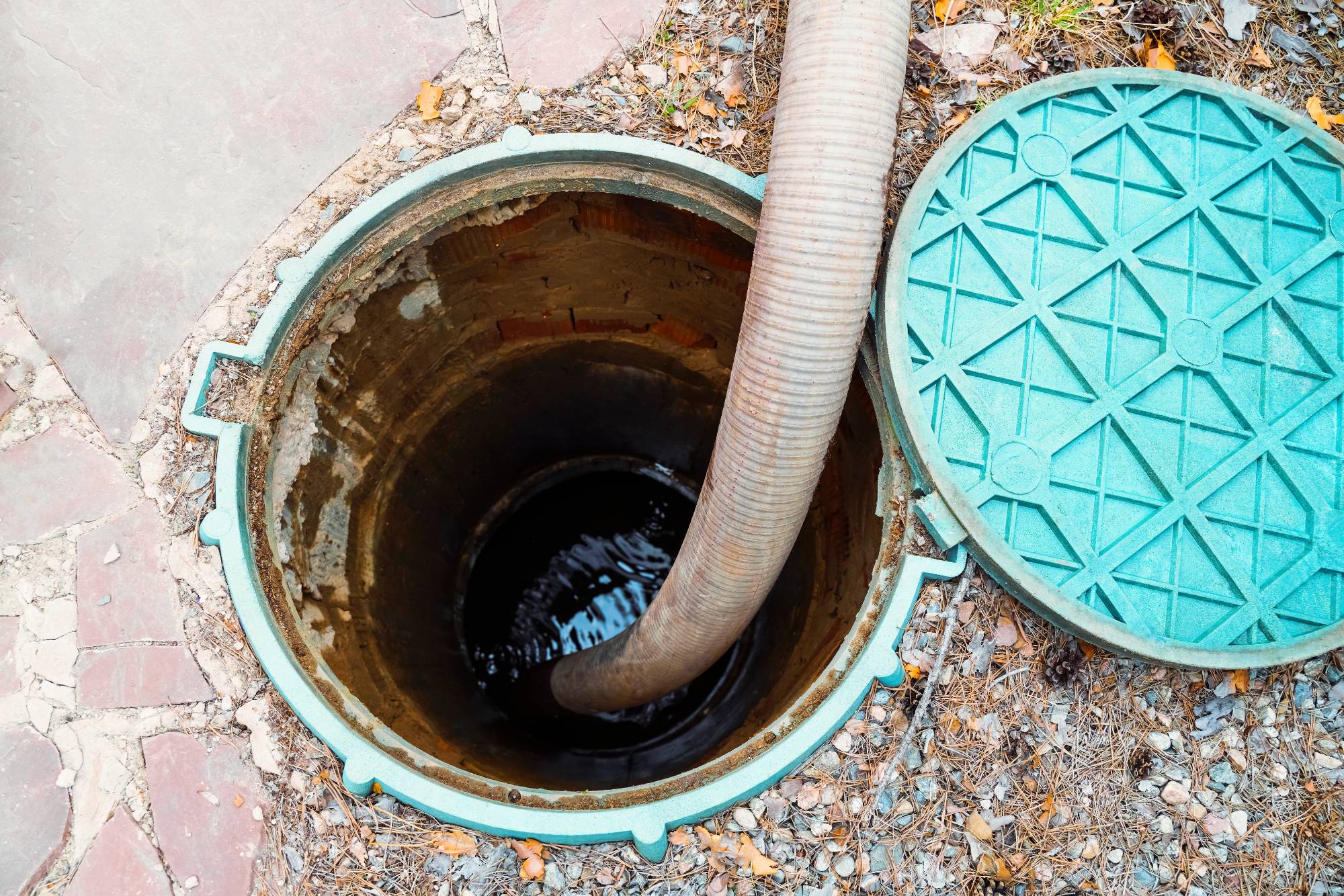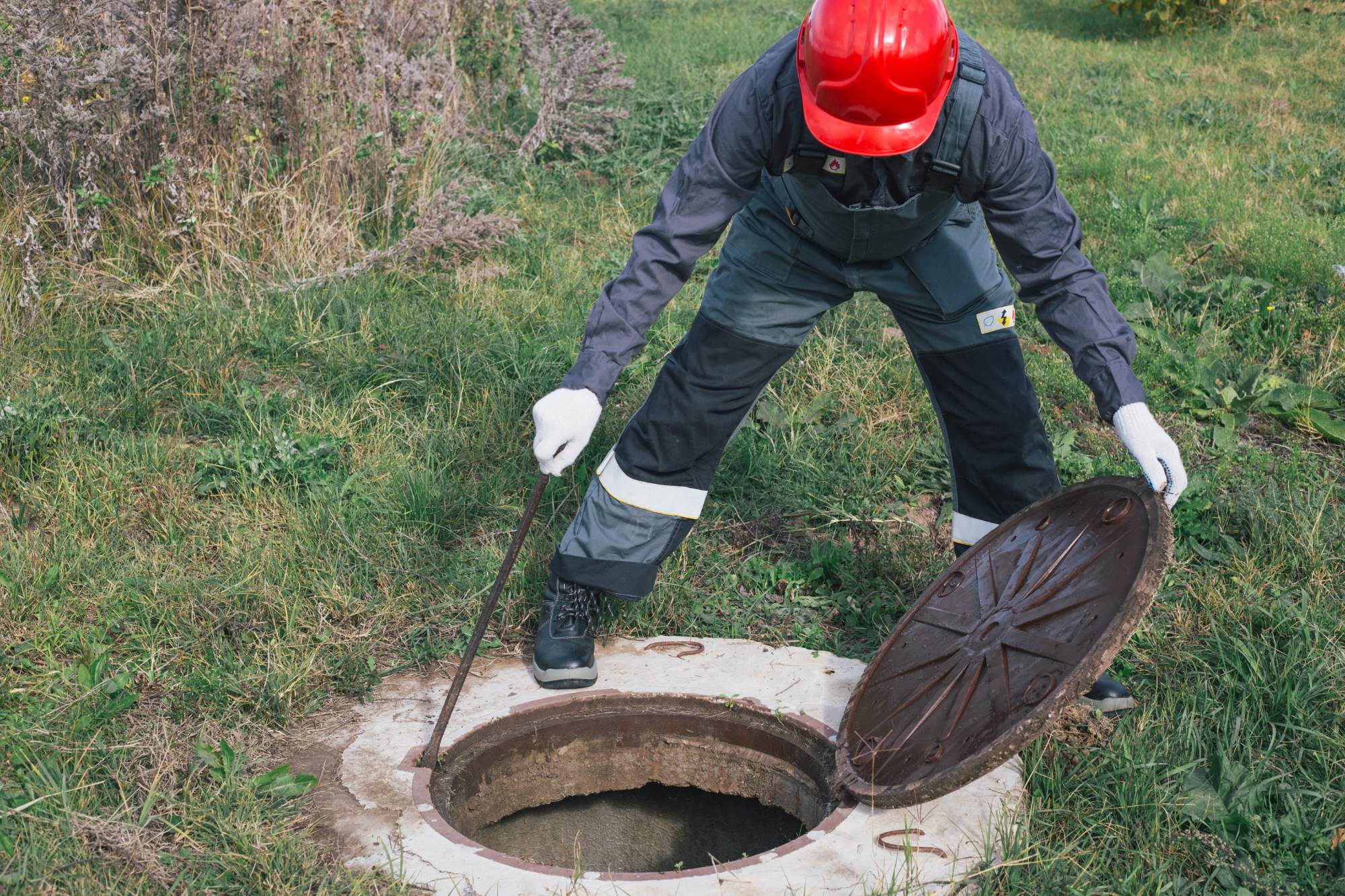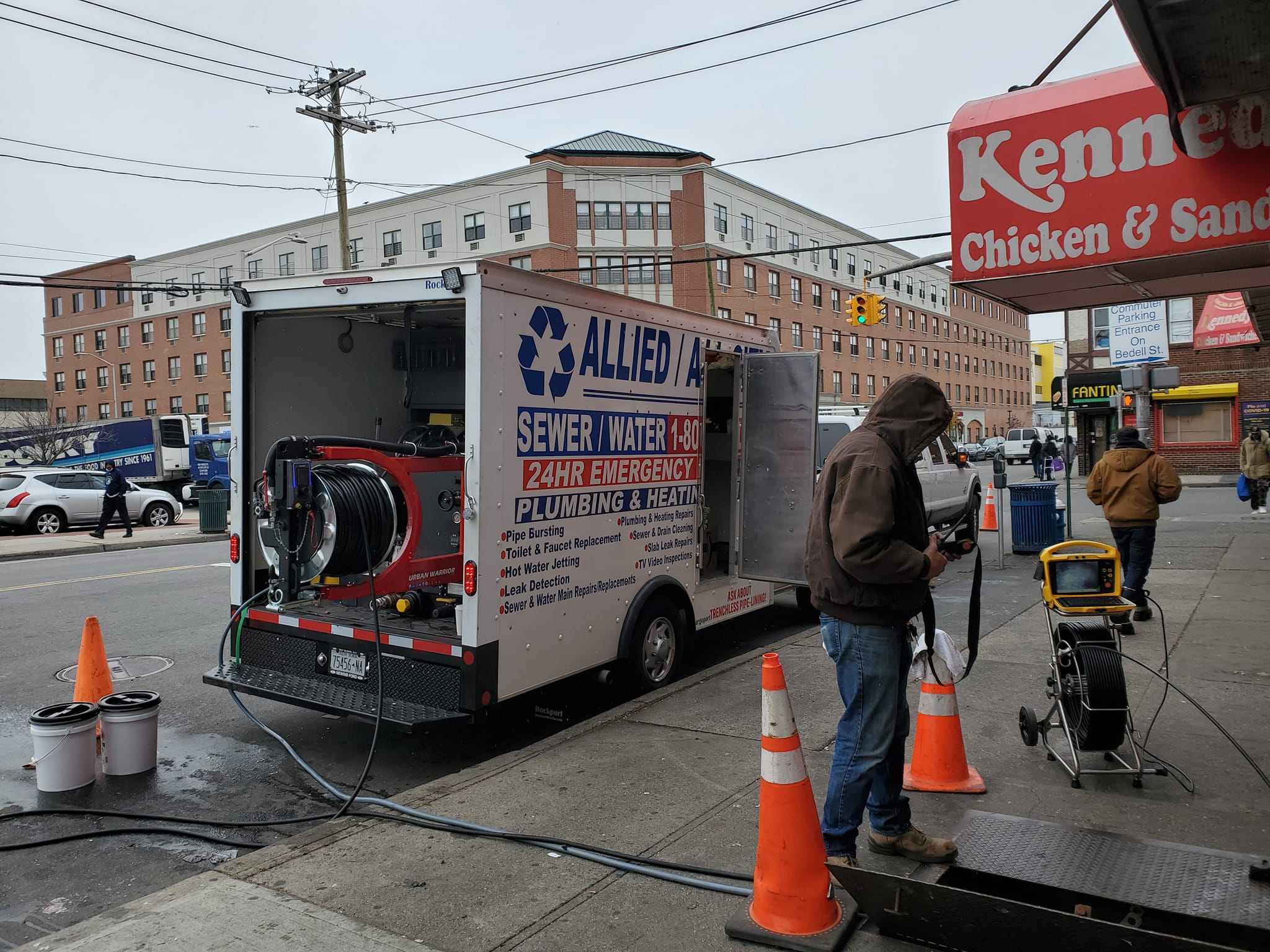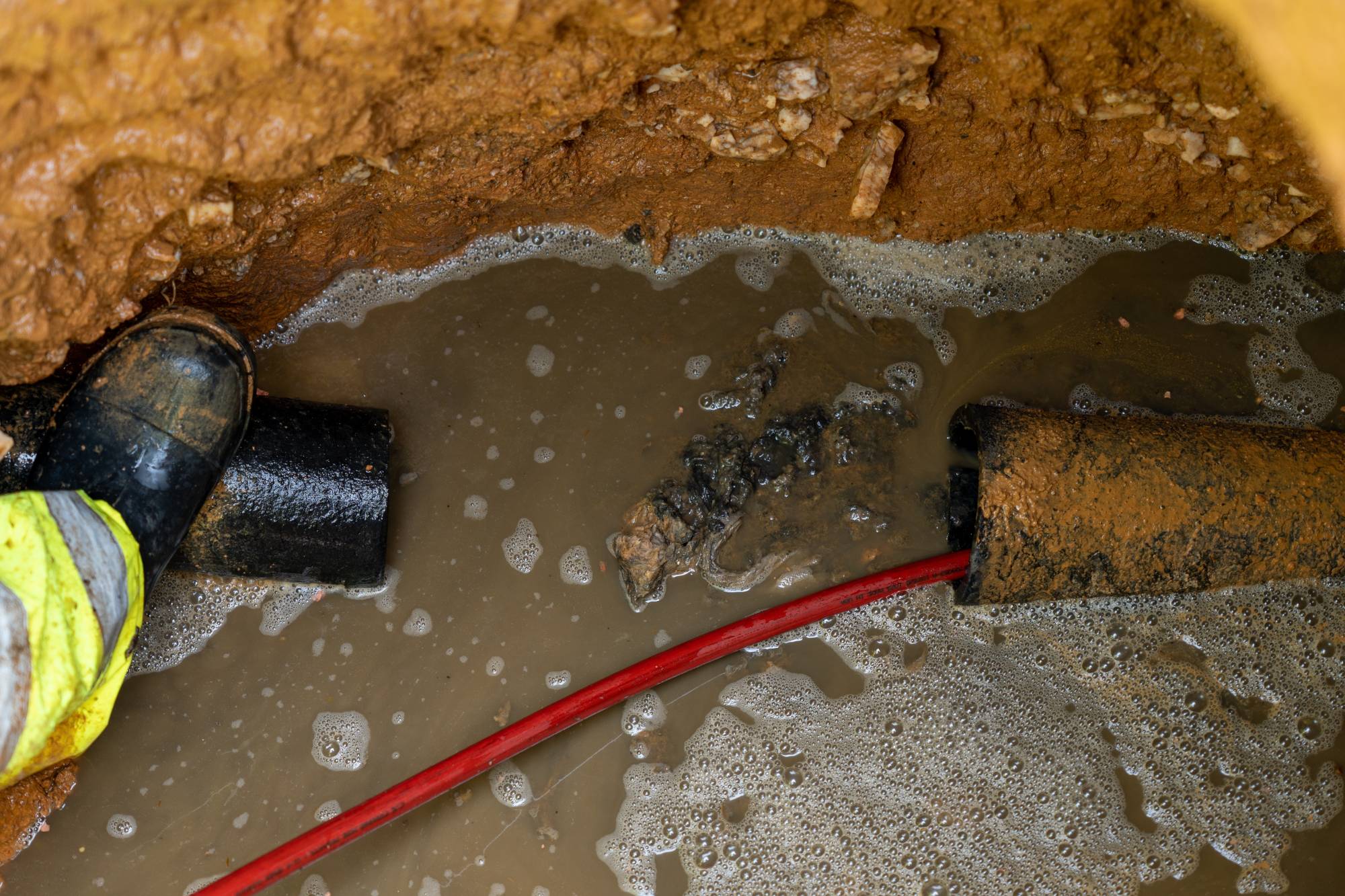
Trenchless technologies like commercial pipe lining transform Long Island sewer systems without destroying landscapes, offering superior long-term value over traditional excavation methods.
Share:
Summary:
Trenchless technologies solve sewer problems through three primary methods: cured-in-place pipe (CIPP) lining, pipe bursting, and directional drilling. CIPP lining uses felt tubes saturated with thermosetting resin that cure at 180-200°F to create seamless pipes within existing structures. Pipe bursting fractures deteriorated pipes while simultaneously installing larger-diameter polyethylene replacements through the same pathway. Directional drilling creates new underground routes using GPS-guided boring equipment that follows predetermined paths 8-20 feet below surface level. These methods address different problem types—lining repairs structurally sound pipes with minor damage, bursting replaces collapsed systems, and drilling installs new lines where none existed. Long Island properties benefit from these options because aging infrastructure often requires customized solutions based on specific pipe conditions, soil types, and proximity to valuable surface features like mature trees or custom hardscaping.
Commercial pipe lining creates jointless interior pipes with 50-75 year lifespans that exceed many new pipe installations. The epoxy resin system provides chemical resistance against hydrogen sulfide corrosion that destroys concrete and clay pipes in 15-25 years. Lined pipes maintain smooth interior surfaces with Manning’s roughness coefficients of 0.009-0.011, improving flow capacity by 15-25% compared to deteriorated originals. Installation requires 4-8 hours for typical residential runs versus 3-5 days for equivalent excavation projects, eliminating extended property disruption periods.
Commercial pipe lining creates jointless interior pipes with 50-75 year lifespans that exceed many new pipe installations. The epoxy resin system provides chemical resistance against hydrogen sulfide corrosion that destroys concrete and clay pipes in 15-25 years. Lined pipes maintain smooth interior surfaces with Manning’s roughness coefficients of 0.009-0.011, improving flow capacity by 15-25% compared to deteriorated originals. Installation requires 4-8 hours for typical residential runs versus 3-5 days for equivalent excavation projects, eliminating extended property disruption periods.
Want live answers?
Connect with a Allied All City Inc. expert for fast, friendly support.
Trenchless methods show higher initial costs—typically $150-$200 per linear foot versus $100-$150 for excavation—but deliver significant savings through eliminated restoration expenses and extended service life. Traditional excavation requires additional costs for driveway replacement ($3,000-$8,000), landscape restoration ($2,000-$5,000), and utility reconnections ($500-$2,000 per service). These restoration costs often equal or exceed the original repair expense, doubling project totals. Trenchless repairs include minimal restoration—typically under $1,000 for access point repairs—while providing longer-lasting solutions. Over 20-year periods, properties using trenchless methods save $8,000-$15,000 compared to excavation approaches when factoring in reduced maintenance needs and avoided repeat repairs. Allied All City’s cost analysis shows trenchless installations require 60-70% fewer service calls during their first decade compared to traditionally repaired systems.
Trenchless methods preserve soil structure and prevent erosion that affects neighboring properties for years after traditional excavation projects. The techniques eliminate heavy equipment traffic that compacts soil and damages root systems within 50 feet of work areas. Noise levels stay below 70 decibels during trenchless operations versus 85-95 decibels from excavation equipment, reducing neighborhood disruption. Long Island communities benefit from maintained street access and reduced construction vehicle traffic that otherwise creates safety hazards and delays during school hours.
Trenchless repairs maintain property aesthetics that support real estate values, while excavation scars reduce curb appeal for 2-5 years during landscape recovery periods. Properties with documented trenchless infrastructure improvements show 3-5% higher sale values compared to homes with visible excavation repairs. The methods preserve mature trees worth $5,000-$15,000 each and maintain established gardens that took decades to develop. Allied All City’s property impact assessments show trenchless projects maintain normal property use throughout repair periods, avoiding rental housing costs or temporary relocation expenses that excavation often requires.
Trenchless technologies represent superior long-term investments for Long Island property owners who value both financial performance and property preservation. The methods deliver immediate cost savings through eliminated restoration expenses while providing infrastructure improvements that last 50-75 years versus 20-30 years for traditional repairs. Your investment in trenchless solutions protects property value, maintains landscape features, and reduces future maintenance requirements that save thousands over system lifespans. Allied All City combines advanced trenchless equipment with local expertise to transform your sewer infrastructure without compromising your property’s character or functionality. Contact us today to schedule a comprehensive system evaluation and learn how trenchless technology can solve your infrastructure challenges while protecting your Long Island property investment.
Article details:
Share:
Continue learning: