Advanced plumbing techniques like directional drilling eliminate construction delays and reduce costs by installing utilities precisely where needed without surface disruption.
Share:
Summary:
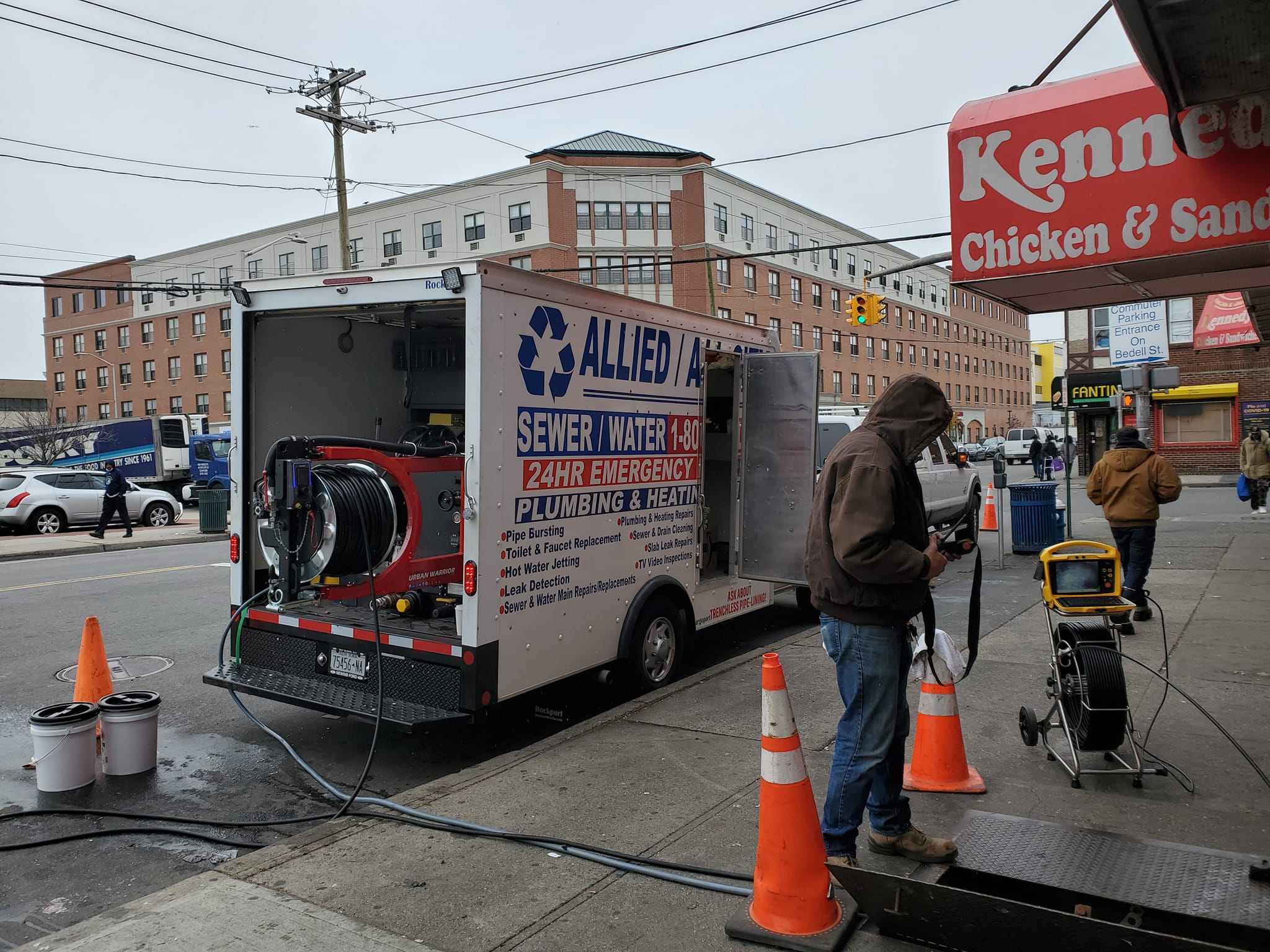
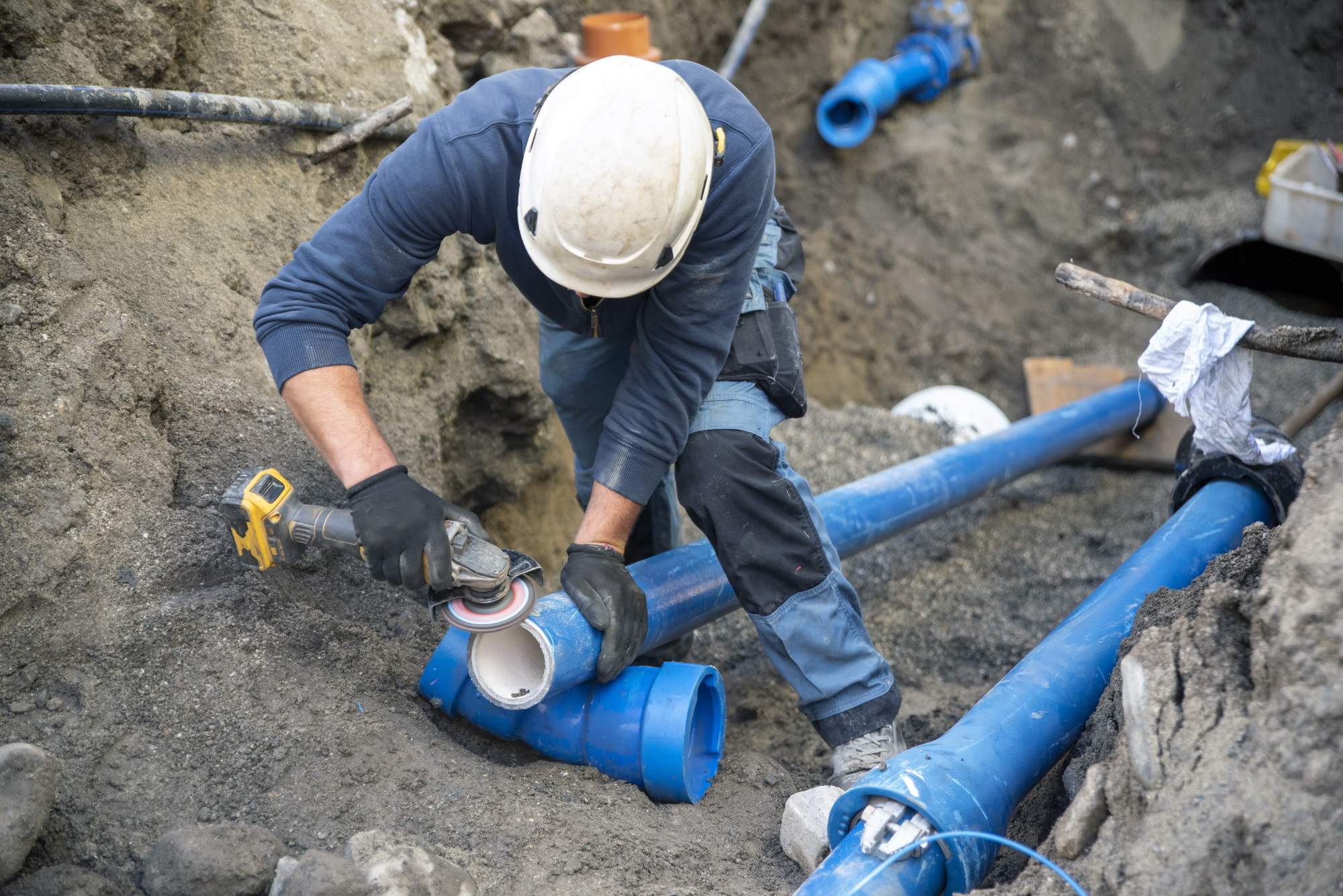
Comprehensive plumbing services for new construction begin with three-dimensional utility mapping that identifies optimal installation paths before any excavation begins. Using ground-penetrating radar and electromagnetic detection equipment, technicians create detailed subsurface maps showing existing utilities, soil conditions, and potential obstacles that could complicate installation. This preliminary analysis allows plumbing professionals to design utility routes that minimize conflicts with structural foundations, electrical systems, and landscaping plans while maintaining required slopes for gravity-fed sewer systems and appropriate depths for freeze protection. Allied All City coordinates these services with general contractors and mechanical engineers to create installation sequences that align with construction milestones, preventing the delays that occur when utility work conflicts with foundation pouring, concrete finishing, or final grading activities. The process includes commercial pipe lining specifications for internal building systems, water line replacement planning that accommodates future expansion needs, and sewer services design that meets municipal connection requirements while optimizing flow capacity. By integrating these planning elements early in the construction process, comprehensive plumbing services reduce change orders by 70-80% while streamlining permit approval through detailed documentation that demonstrates compliance with local building codes and environmental regulations.
Directional drilling utilizes specialized boring equipment that creates precise underground pathways for utility lines without disturbing surface conditions or existing infrastructure. The process begins with pilot hole drilling using steerable drilling heads guided by electronic tracking systems that maintain accuracy within 2-3 inches over distances up to 500 feet. Once the pilot hole reaches the exit point, technicians pull back a reaming head that enlarges the bore to accommodate specific pipe diameters, followed by the actual utility lines encased in protective conduits. This method proves particularly valuable in Long Island’s dense development areas where new construction occurs adjacent to existing buildings, roads, or sensitive environmental features that cannot be disturbed during installation.
Directional drilling utilizes specialized boring equipment that creates precise underground pathways for utility lines without disturbing surface conditions or existing infrastructure. The process begins with pilot hole drilling using steerable drilling heads guided by electronic tracking systems that maintain accuracy within 2-3 inches over distances up to 500 feet. Once the pilot hole reaches the exit point, technicians pull back a reaming head that enlarges the bore to accommodate specific pipe diameters, followed by the actual utility lines encased in protective conduits. This method proves particularly valuable in Long Island’s dense development areas where new construction occurs adjacent to existing buildings, roads, or sensitive environmental features that cannot be disturbed during installation.
Want live answers?
Connect with a Allied All City Inc. expert for fast, friendly support.
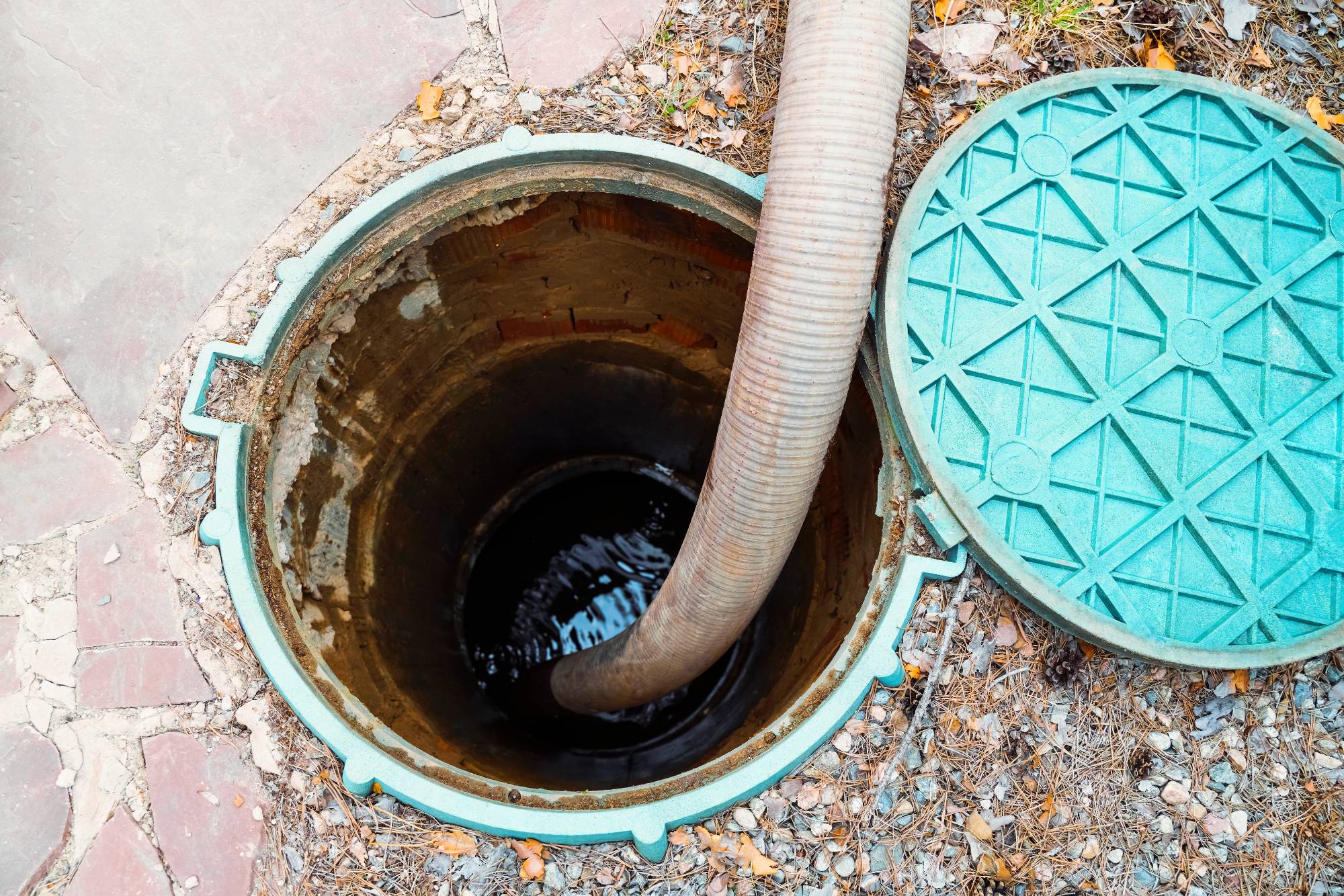
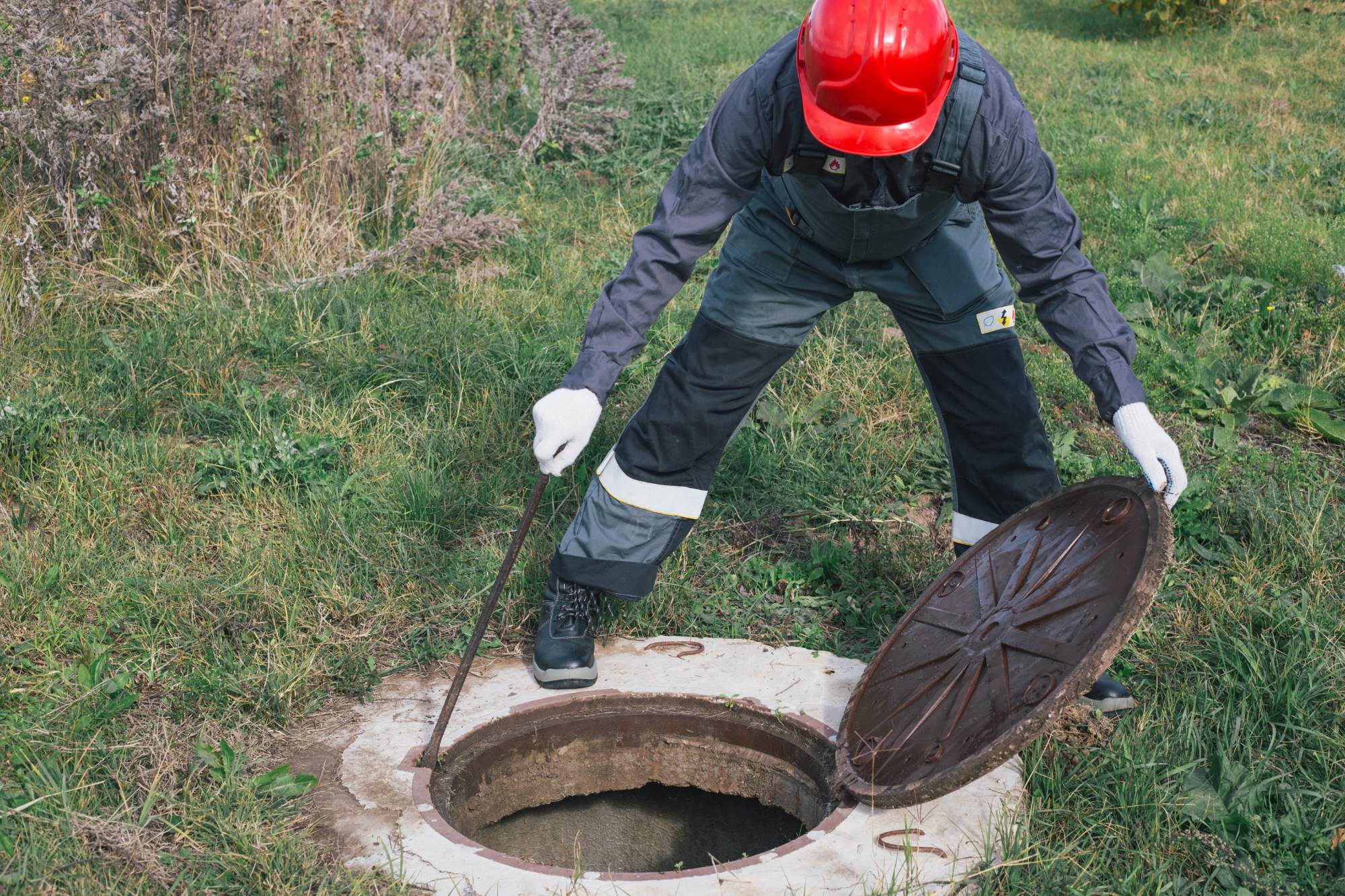
Modern sewer system installation for new construction incorporates advanced materials and installation techniques that prevent the common problems plaguing older buildings: root intrusion, joint separation, and inadequate capacity during peak usage periods. Allied All City installs high-density polyethylene sewer lines with fusion-welded joints that create completely seamless systems resistant to ground movement, chemical corrosion, and root penetration. The installation process includes laser-guided grading that maintains precise slopes between 1-2% to optimize flow velocity while preventing sediment accumulation that causes blockages. Sewer cleaning access points get strategically positioned every 100 feet and at direction changes to facilitate future maintenance without excavation. The system design incorporates flow monitoring capabilities that allow building managers to track usage patterns and identify potential issues before they become costly repairs. For commercial and multi-family residential projects, the sewer system includes grease trap connections, backflow prevention devices, and emergency overflow protection that meets Long Island’s municipal requirements while protecting building foundations from water damage during extreme weather events.
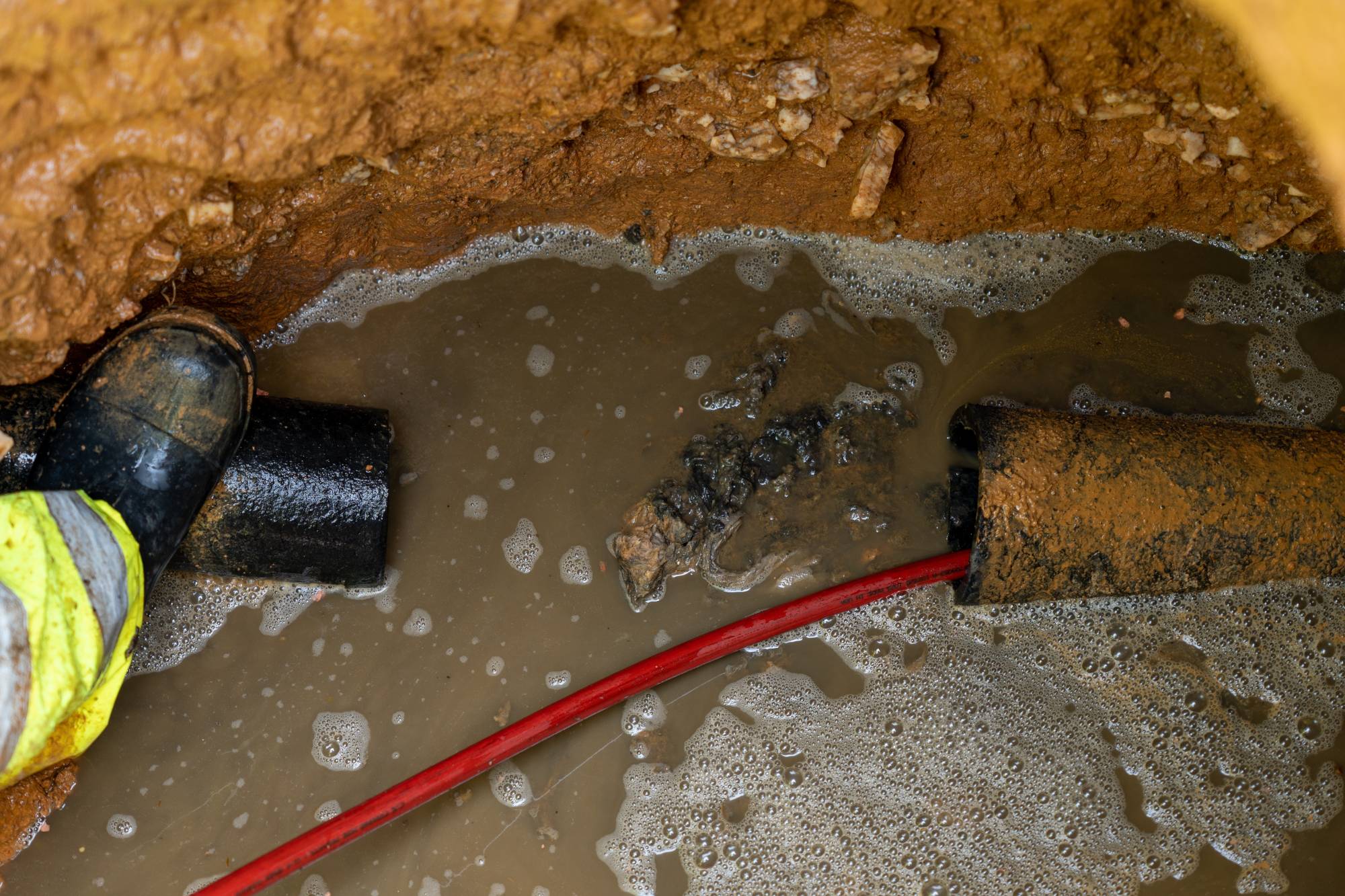
Water line services for new construction utilize cross-linked polyethylene pipes and brass fittings rated for 200 PSI working pressure that exceed Long Island’s municipal supply pressures by 40-60%. Installation depths reach 42-48 inches below finished grade to prevent freeze damage during severe winter conditions, with continuous insulation sleeves in areas where pipes approach foundation walls or pass through unheated spaces. The water line replacement methodology includes pressure testing at 1.5 times working pressure, bacterial sampling to verify system cleanliness, and flow testing that confirms adequate pressure and volume at all fixtures. Backflow prevention devices get installed at service connections and specific building systems to protect municipal water quality while meeting New York State Department of Health requirements.
Professional sewer services extend beyond basic pipe installation to include coordination with building mechanical systems, storm water management, and municipal connection requirements. The integration process includes sizing calculations that account for peak flow conditions, fixture unit loads, and future expansion possibilities while maintaining adequate velocity to prevent solids accumulation. Sewer services also encompass interior building connections that coordinate with architectural layouts, ensuring that drain locations align with planned fixtures while maintaining proper venting and slope requirements. Advanced sewer systems include monitoring ports and cleanout access that facilitate predictive maintenance programs, reducing the likelihood of emergency repairs that could disrupt building operations.
Comprehensive plumbing services transform new construction projects by eliminating utility-related delays, reducing excavation costs, and installing systems that support long-term building performance and expansion needs. The integration of directional drilling, advanced materials, and coordinated installation sequences creates utility infrastructure that meets current requirements while accommodating future modifications without major reconstruction. Allied All City’s experience with Long Island’s unique soil conditions, municipal requirements, and construction challenges positions them to provide strategic guidance that optimizes your project timeline and budget. Contact us today to discuss how comprehensive plumbing services can streamline your next construction project while creating utility systems built for decades of reliable performance.
Article details:
Share:
Continue learning: