
Hear from Our Customers
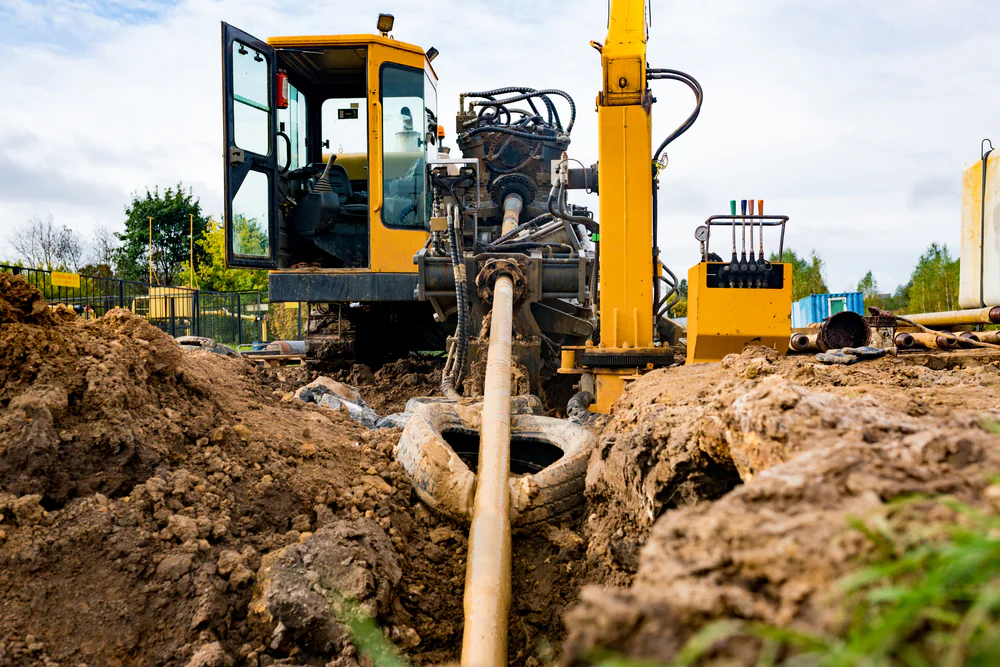
Traditional excavation means a crew tears up your driveway, digs a trench four to six feet deep across your yard, and leaves you with weeks of restoration work. You’re looking at reseeding grass, replanting shrubs, fixing sprinkler heads, and repaving sections of asphalt. The repair bill often exceeds what you paid for the original pipe work.
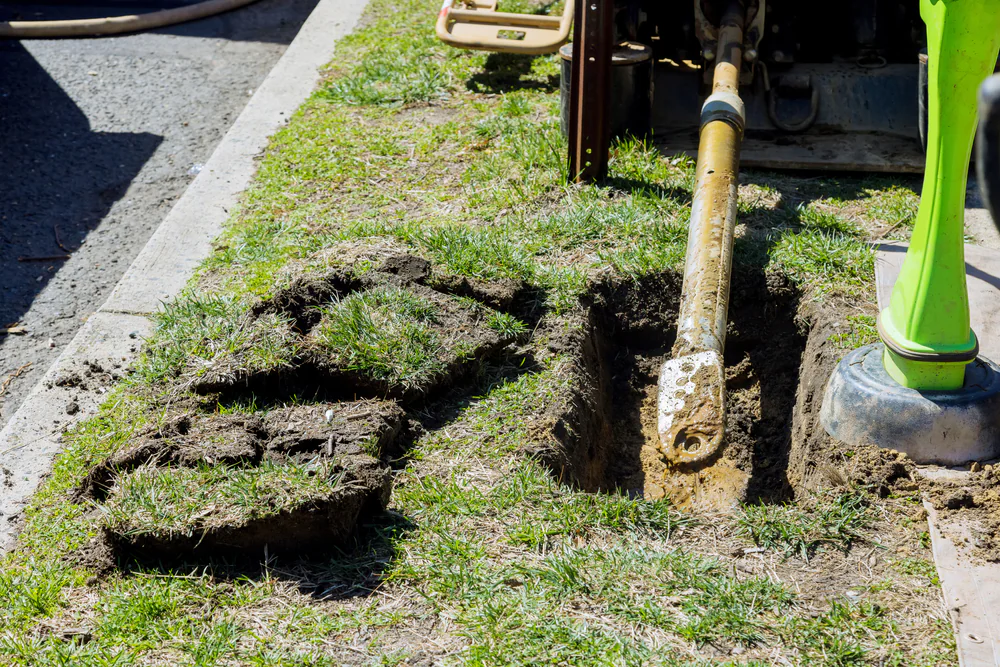
Trenchless directional drilling in Wantagh, NY changes that. We drill a small entry and exit point, then pull the new pipe through underground without disturbing the surface. Your landscaping stays untouched. Your driveway stays whole. The job wraps in hours, not days.
You also avoid the winter nightmare. When temperatures drop and frost penetrates three feet down, traditional excavation becomes brutal. Frozen ground drives labor costs up by 200% or more. Directional drilling doesn’t care about frost lines—we work year-round without the premium price tag.
We’ve been handling trenchless installations across Nassau and Suffolk Counties since 1983. We’re not a franchise or a crew that showed up last year. We’re a family-owned operation with four local service centers and the equipment to handle projects from 100 feet to 900 feet.
Wantagh homeowners deal with high property values and equally high expectations. Median home values here push past $665,000, and most families have invested heavily in landscaping, hardscaping, and outdoor living spaces. You’re not interested in a cheap fix that leaves your yard looking like a construction zone for months.
We’ve run directional drilling projects through every soil type Long Island throws at us—sand, clay, dense fill. We’ve curved around existing utilities, navigated under driveways, and threaded pipes beneath mature tree roots. The work gets done right, and your property looks the same when we leave.
We start with a site assessment. Before any drilling begins, we locate existing utilities—gas, electric, water, sewer—using ground-penetrating equipment. This prevents surprises and keeps the project on schedule.
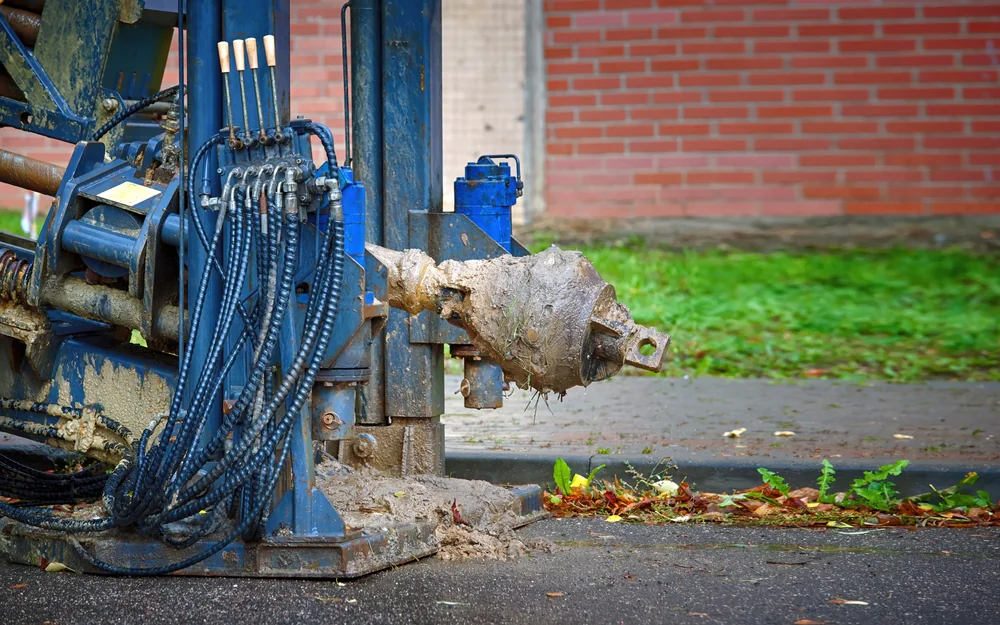
Next, we drill a pilot hole from the entry point to the exit point using a steerable drill head. The operator tracks the drill path in real time, adjusting depth and direction to avoid obstacles and maintain the correct grade. Once the pilot hole is complete, we attach a reamer to the drill string and pull it back through, widening the hole to match the diameter of the new pipe.
Finally, we connect your new water line, gas line, or conduit to the reamer and pull it into place. The pipe gets pulled through the bored path in one continuous section—no joints underground, no weak points. We complete the connections at both ends, backfill the small entry and exit pits, and you’re done. Most residential jobs finish in three to five hours.
The entire process happens below grade. You don’t lose access to your driveway. You don’t need to relocate cars or reroute foot traffic. Life continues as normal while we work.
Ready to get started?
We handle water line directional drilling in Wantagh, NY for new construction, service upgrades, and replacements. If you’re adding an outdoor kitchen, pool house, or detached garage, directional drilling gets water to the new structure without carving up your yard.
Trenchless gas line installation in Wantagh, NY is another common request. Gas lines require precision—improper depth, poor joint sealing, or damage during installation creates serious safety risks. Directional drilling eliminates the risk of trench cave-ins and gives us exact control over depth and placement. Every gas line installation meets local code and passes inspection on the first attempt.
We also run conduit for electrical service, fiber optic lines, and irrigation systems. Wantagh sits in a high-income area where smart home systems, landscape lighting, and advanced irrigation setups are standard. Directional drilling protects those investments by keeping installation work underground and out of sight.
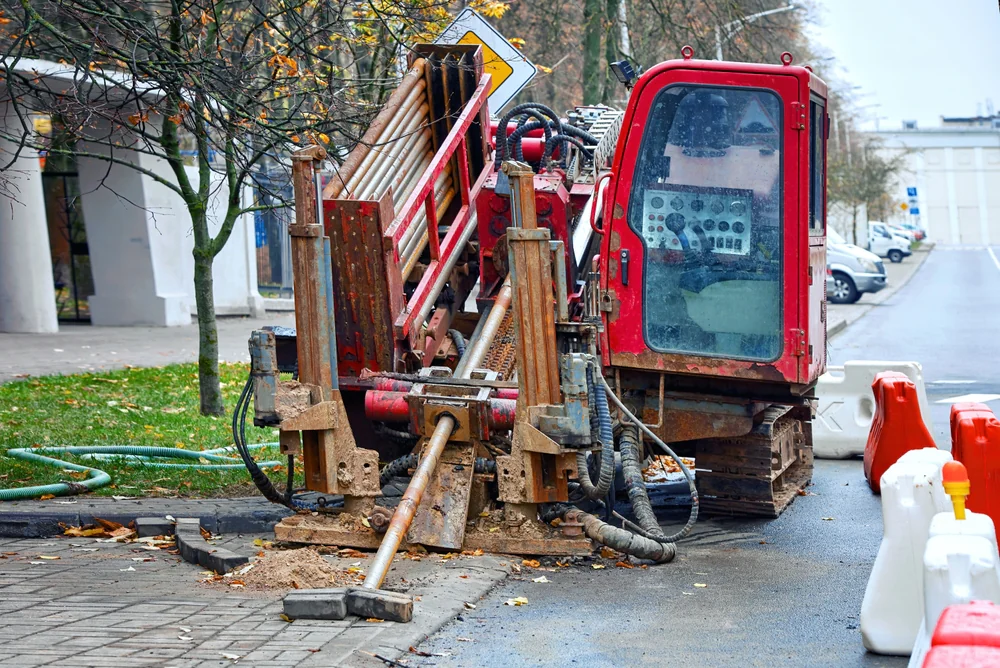
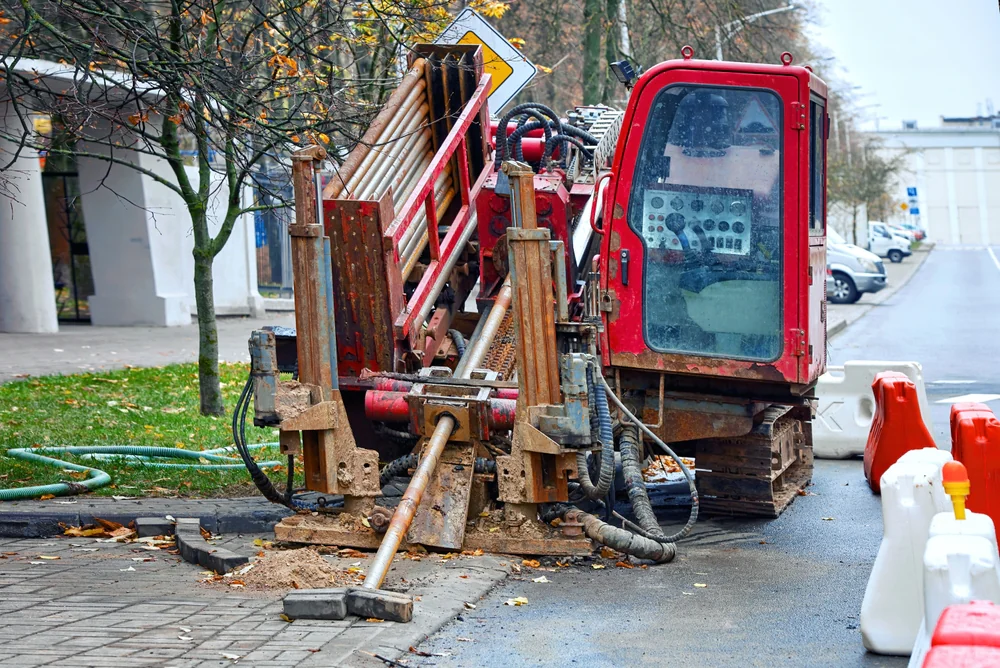
The equipment matters. We run dedicated directional drilling rigs designed for residential and light commercial work. If soil conditions require it, we have larger rigs available. You’re not getting a crew that shows up with undersized equipment and then improvises.
Directional drilling typically costs more upfront than traditional trenching—but only if you ignore restoration expenses. A standard excavation might look cheaper on the initial invoice, but then you’re paying separately for landscape repair, driveway patching, sprinkler system fixes, and reseeding or resodding.
When you add those costs together, trenchless methods often come out ahead. You’re also saving time. Traditional excavation can take three to five days with a larger crew. Directional drilling wraps in a few hours with a smaller team, which means lower labor costs overall.
Winter work flips the equation entirely. Frozen ground can double or triple excavation costs, while directional drilling pricing stays consistent year-round. If you’re installing a new line between November and March, trenchless is almost always the better financial decision.
Yes. That’s exactly what horizontal directional drilling was designed to do. We drill underneath your driveway—asphalt, concrete, pavers, whatever surface you have—without breaking through it.
We create a small entry pit on one side and an exit pit on the other, then bore horizontally through the soil beneath the driveway. The new water line gets pulled through that bored path. Once the connections are made and the pits are backfilled, your driveway looks untouched.
This matters in Wantagh, where driveways are often decorative—stamped concrete, brick pavers, custom borders. Cutting through that kind of work and trying to match it during repair rarely looks right. Directional drilling avoids the problem entirely. You keep your original surface intact, and there’s no mismatched patch job to explain to future buyers if you ever sell.
Most residential directional drilling jobs in Wantagh, NY finish in three to five hours. That includes setup, drilling the pilot hole, reaming the path, pulling the new pipe, making connections, and cleaning up.
Longer runs—say, 500 feet or more—might take a full day. Complex sites with multiple direction changes, tight spaces, or challenging soil conditions can add time. But even complicated projects rarely extend past a single day.
Compare that to traditional excavation, which typically requires multiple days on site. Day one is excavation. Day two is pipe installation and backfill. Day three might be restoration work, and then you’re waiting weeks for grass to grow back or contractors to return and finish hardscape repairs. Directional drilling condenses all of that into a single visit. You schedule it, we complete it, and you move on.
Directional drilling works in sand, clay, silt, and mixed soils—basically everything you’ll find across Long Island. Wantagh sits on glacial outwash, which means you’ve got sandy soils in some areas and denser clay or fill material in others. Our equipment handles both.
Sandy soil drills quickly but requires careful attention to borehole stability. We use drilling fluid (a bentonite slurry) to keep the hole open and prevent collapse as we pull the pipe through. Clay is slower to drill but holds its shape better, so the process is more straightforward.
Rocky conditions are the main limitation. If we hit bedrock or large boulders, we may need to adjust the drill path or switch methods. That’s rare in Wantagh, where bedrock sits deep and most residential lots are relatively stone-free. We assess soil conditions before starting, so there are no surprises once the drill is in the ground.
Yes—and in many cases, it’s safer than traditional excavation. Gas line installation requires precise depth control and secure connections. Directional drilling gives us both.
With trenching, you’re working in an open excavation. Trench walls can collapse, especially in sandy or saturated soil. Workers are climbing in and out of a deep hole, and the pipe is exposed to potential damage during backfill. Directional drilling eliminates those risks. The pipe gets installed in a controlled borehole, and there’s no trench to cave in or accidentally damage.
Every gas line we install gets pressure tested before we close out the job. We also follow local codes for depth, materials, and connection methods. Wantagh falls under Nassau County jurisdiction, which has strict requirements for gas line work. Our installations pass inspection consistently because we’re doing the work to code from the start—not trying to fix issues after a failed inspection.
Not if the work is done correctly. Before we drill anything, we call for utility locates and use our own ground-penetrating equipment to map what’s underground. That includes electric, gas, water, sewer, cable, phone, and irrigation lines.
Once we know where existing utilities run, we plan a drill path that avoids them. The drill head is steerable, so if we encounter an unexpected obstacle, we can adjust direction in real time. We’re also tracking depth continuously—the operator knows exactly where the drill bit is at every moment.
Wantagh has older neighborhoods where utility maps aren’t always accurate, and newer areas where homeowners have added irrigation or landscape lighting without updating records. We account for that by treating every site as if there’s something unmarked underground. It’s a slower, more cautious approach, but it prevents the nightmare scenario of hitting a gas line or fiber optic cable mid-project.
Other Services we provide in Wantagh