
Hear from Our Customers
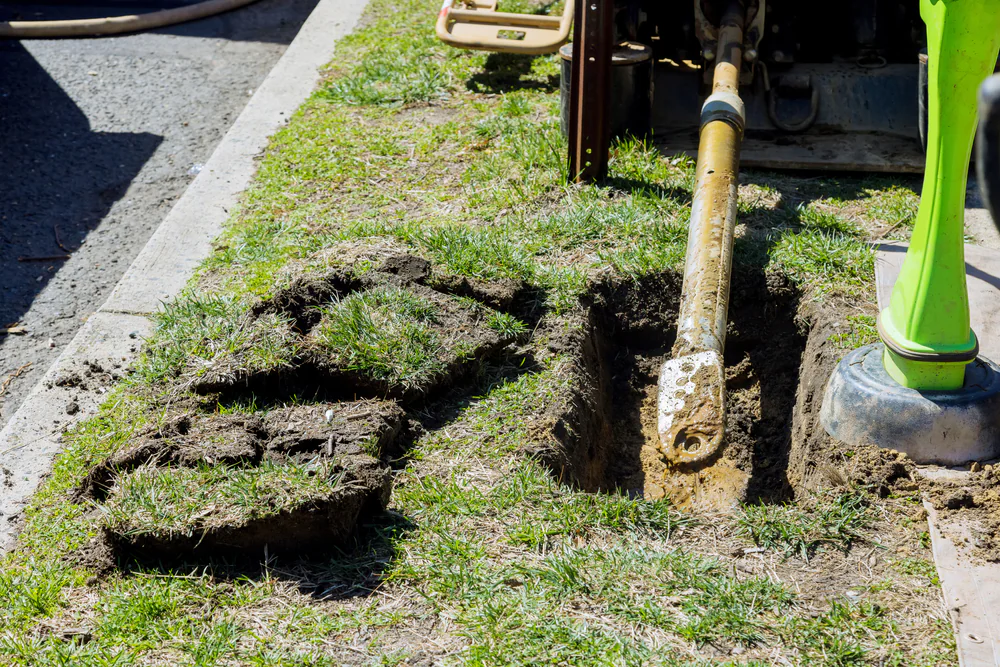
Traditional excavation tears up driveways, kills landscaping, and leaves you with a restoration bill that rivals the actual utility work. Trenchless directional drilling in Nesconset, NY eliminates that entire headache.
The drill enters and exits at small access points. Everything in between—your asphalt, pavers, garden beds, irrigation—stays untouched. No trucks tearing across your yard. No dumpsters full of dirt sitting in your driveway for days.
You’re also looking at faster completion times. What used to take a week of digging, backfilling, and repairing now wraps up in a day or two. Less disruption to your routine. Less cost overall. And when we leave, your property looks exactly like it did before we arrived.
This matters in Nesconset, where many homes sit on well-maintained lots with mature landscaping and custom hardscaping. Ripping all that out to replace a water line doesn’t make sense when there’s a better option.
We’ve been handling trenchless installations across Nassau and Suffolk Counties since 1980. That’s over 40 years of working with Long Island’s soil conditions, water tables, and aging infrastructure.
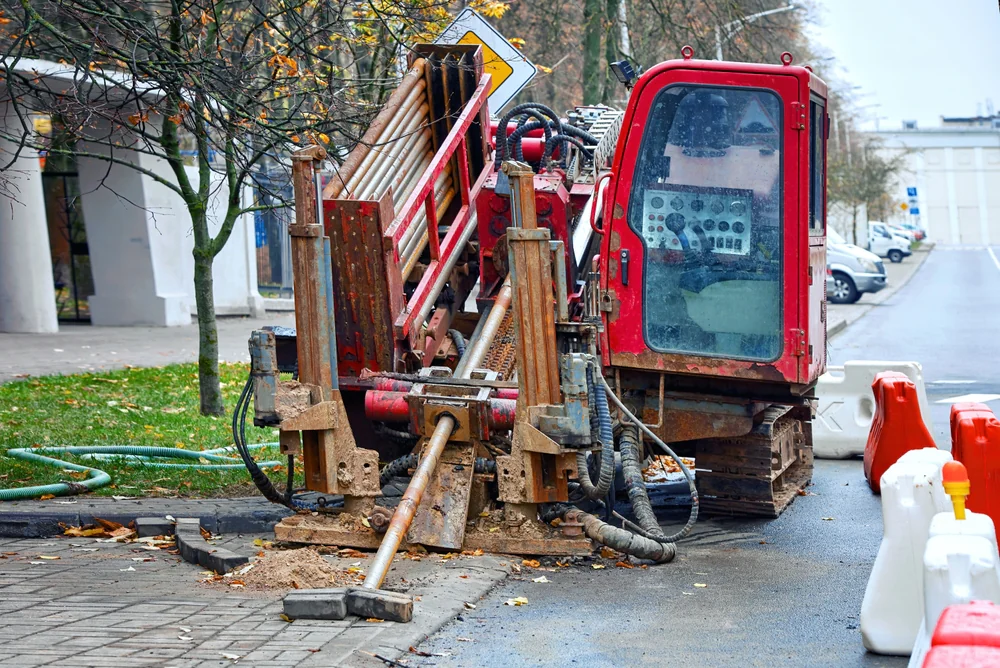
We’ve completed horizontal directional drilling projects throughout Nesconset, NY—from single-family homes needing new water service to larger commercial properties installing conduit runs. The equipment we use is built for precision, and our crew knows how to navigate around existing utilities without guesswork.
Most service lines in this area were installed decades ago. Galvanized steel and lead pipes are corroding from the inside out. When it’s time to replace them, you don’t want a contractor who’s going to treat your property like a construction zone. You want someone who can do the work cleanly, quickly, and without leaving a mess behind.
The process starts with locating all existing utilities on your property. We’re not guessing where gas, electric, or sewer lines run—we’re confirming their exact positions before any drilling starts.
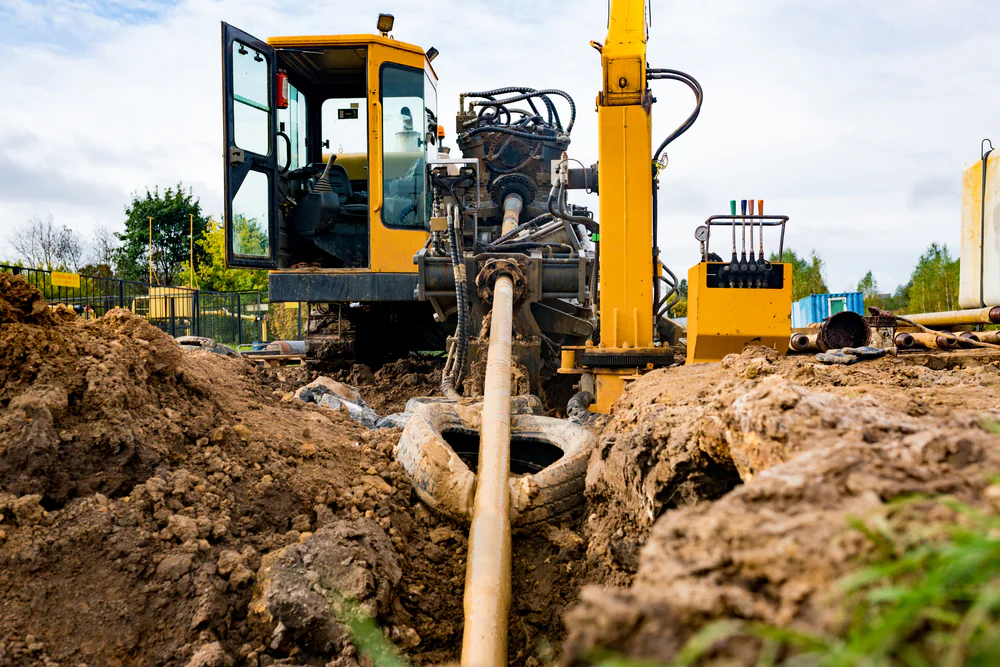
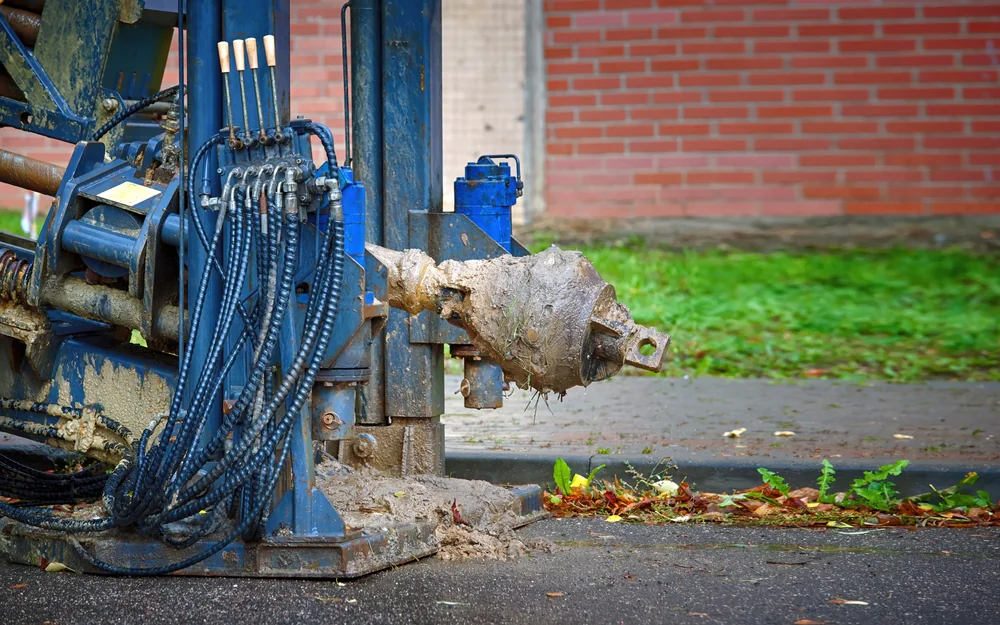
Once that’s mapped out, we drill a small pilot hole from the entry point to the exit point. This is done underground, following a predetermined path that avoids obstacles and existing infrastructure. The drill head is steerable, so if we need to curve around a foundation or navigate under a driveway at an angle, we can.
After the pilot hole is complete, we attach the new utility line—whether that’s copper water service, gas line, or conduit—and pull it back through the drilled path. The line gets seated into place underground, and both access points get backfilled and restored.
You’re left with a new utility installation that didn’t require tearing up your driveway, digging a trench across your lawn, or ripping out sections of your landscaping. The work happens below the surface. Above ground, everything stays intact.
Ready to get started?
Trenchless directional drilling in Nesconset, NY handles a range of utility installations. Water line directional drilling is one of the most common applications—especially for properties replacing old galvanized or lead service lines that are corroding or failing pressure tests.
Trenchless gas line installation is another frequent use case. If you’re converting to natural gas or replacing an aging gas service line, directional drilling gets the new line installed without disturbing your driveway or front yard.
Conduit runs for electrical or telecommunications also get installed this way. Whether you’re adding a new service to an outbuilding or running fiber optic cable, the process is the same: minimal surface disruption, precise underground installation, and faster project timelines.
Long Island’s soil conditions vary, but directional drilling equipment handles sand, clay, and mixed soils without issue. The technology adapts to what’s underground, and we adjust the approach based on what we’re working with. You’re not dealing with a one-size-fits-all method—you’re getting a process that’s tailored to your property’s specific layout and soil type.
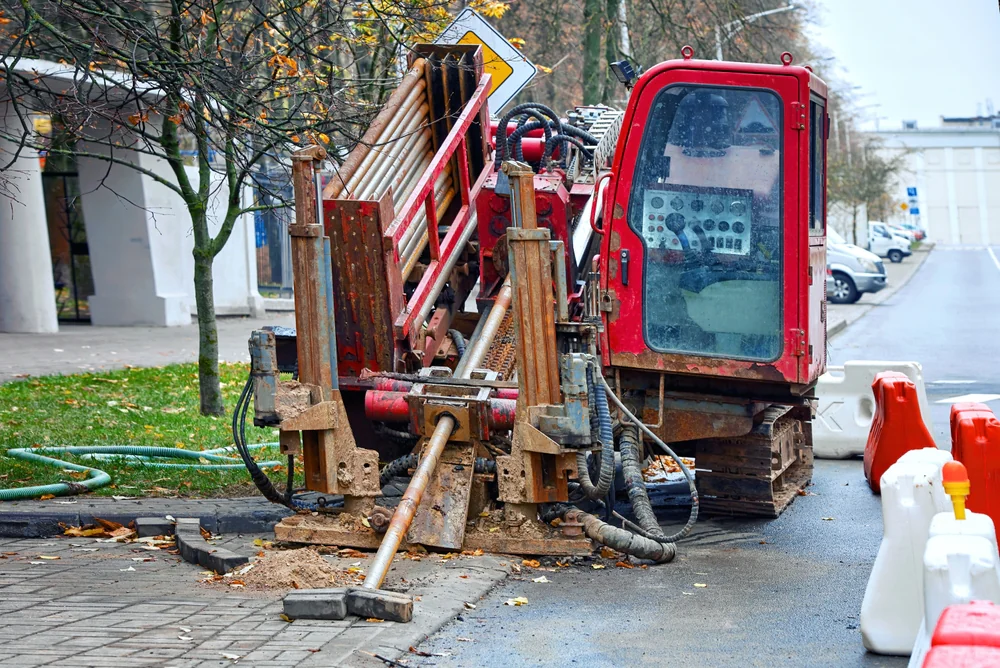
The upfront cost of horizontal directional drilling in Nesconset, NY is often comparable to traditional excavation—but the total project cost is almost always lower. Here’s why.
With open-cut trenching, you’re paying for the digging, the utility installation, and then all the restoration work. That means repaving your driveway, replacing sod, repairing irrigation lines, and possibly rebuilding sections of landscaping. Those restoration costs add up fast, and they’re not optional—they’re part of the job.
Trenchless directional drilling eliminates most of that. You’re paying for the drilling and the installation, but there’s no driveway to repave, no lawn to reseed, and no landscaping to replace. The surface stays intact, so there’s nothing to restore. That’s where the savings come in—not necessarily in the drilling itself, but in everything you’re not paying for afterward.
Project timelines are also shorter with directional drilling, which means less labor cost overall. A job that might take a week with traditional methods can often wrap up in a day or two with trenchless technology.
Yes. That’s exactly what trenchless directional drilling is designed to do. If your water service line runs under your driveway, directional drilling installs the new line without breaking through the asphalt or concrete above it.
The drill enters from one access point—usually near the street or your foundation—and exits at the other end. Everything in between stays untouched. Your driveway doesn’t get cut, your pavers don’t get pulled up, and your stamped concrete doesn’t get jackhammered.
This is especially useful in Nesconset, NY, where many homes have long driveways or custom paving that would be expensive to replace. Once asphalt or decorative concrete gets torn up, it’s nearly impossible to match the original finish. Even if the contractor does a decent patch job, you’re left with visible seams and color mismatches.
Horizontal directional drilling avoids that entirely. The new water line gets installed underground, and your driveway looks exactly the same when the job’s done. No patching, no resurfacing, no mismatched repairs.
Most residential trenchless directional drilling projects in Nesconset, NY are completed in one to two days. That includes locating existing utilities, drilling the pilot hole, pulling the new line through, and backfilling the small access points.
Compare that to traditional excavation, which can take a week or more when you factor in digging, installing the line, backfilling the trench, and then scheduling separate crews to handle driveway repairs or landscaping restoration.
The timeline can vary depending on the length of the run, soil conditions, and what’s being installed. A straightforward 100-foot water service replacement under a driveway is usually a one-day job. Longer runs or projects that require navigating around multiple existing utilities might take an extra day.
Weather can also play a role. Heavy rain or frozen ground can slow things down, but those same conditions would delay traditional excavation even more. Directional drilling is less affected by surface conditions because the work is happening underground.
Trenchless directional drilling in Nesconset, NY handles water lines, gas lines, electrical conduit, and telecommunications lines. Basically, if it needs to run underground and you don’t want to tear up your property to install it, directional drilling can handle it.
Water line directional drilling is one of the most common applications. If you’re replacing an old galvanized or lead service line, directional drilling gets the new copper or PEX line installed without digging a trench across your yard.
Trenchless gas line installation is another frequent use case. Whether you’re converting to natural gas or replacing an aging gas service, the new line gets pulled through underground without disturbing your driveway or landscaping.
Electrical conduit and fiber optic cable also get installed this way. If you’re adding service to a detached garage, pool house, or outbuilding, directional drilling runs the conduit without tearing up the path between structures. Same goes for telecom lines—if you’re upgrading to fiber or adding new service, the line gets installed underground with minimal surface disruption.
Yes, but only when it’s done correctly. That’s why the first step in any directional drilling project is locating all existing utilities on your property. We’re not drilling blind—we’re confirming the exact position of gas, electric, water, and sewer lines before any equipment starts.
Utility locating services get called in to mark everything that’s already underground. Once we have that information, the drill path gets planned to avoid those existing lines. The drill head is steerable, so if we need to adjust the angle or depth to navigate around an obstacle, we can do that in real time.
This is especially important in Nesconset, NY, where many properties have older infrastructure and multiple utility lines running in close proximity. Long Island homes built before 1980 often have galvanized water service, copper gas lines, and outdated electrical conduit all sharing the same general area underground.
Directional drilling equipment is designed to work in these conditions. The technology allows for precision that traditional excavation can’t match. Instead of digging a wide trench and hoping you don’t hit something, you’re drilling a controlled path that’s been mapped out in advance.
Horizontal directional drilling works in sand, clay, loam, and mixed soil conditions. Long Island’s soil varies depending on where you are, but directional drilling equipment is built to handle that variability.
Sandy soil—which is common in many parts of Nesconset, NY—drills easily and allows for faster project completion. Clay soil requires more torque and slower drilling speeds, but it’s still manageable with the right equipment. Mixed soils, where you might hit sand in one section and clay in another, just require adjustments as the drill progresses.
Rocky soil or areas with large boulders can present challenges, but those same obstacles would also complicate traditional excavation. In some cases, the drill path can be adjusted to go around rock formations. In others, additional equipment might be needed to break through.
The key is working with a contractor who has experience with local soil conditions and the right equipment to handle whatever’s underground. We’ve been doing trenchless work on Long Island for over 40 years, so we’ve drilled through just about every soil type the area has to offer. We know what to expect, and we know how to adjust when conditions change mid-project.
Other Services we provide in Nesconset