
Hear from Our Customers
Your driveway doesn’t get ripped apart. Your landscaping stays where it is. The trees you planted years ago remain undisturbed.
That’s the difference between traditional excavation and trenchless directional drilling services in Matinecock, NY. Traditional methods mean digging trenches four to six feet deep across your property. That means torn-up grass, displaced shrubs, cracked pavement, and weeks of mess.
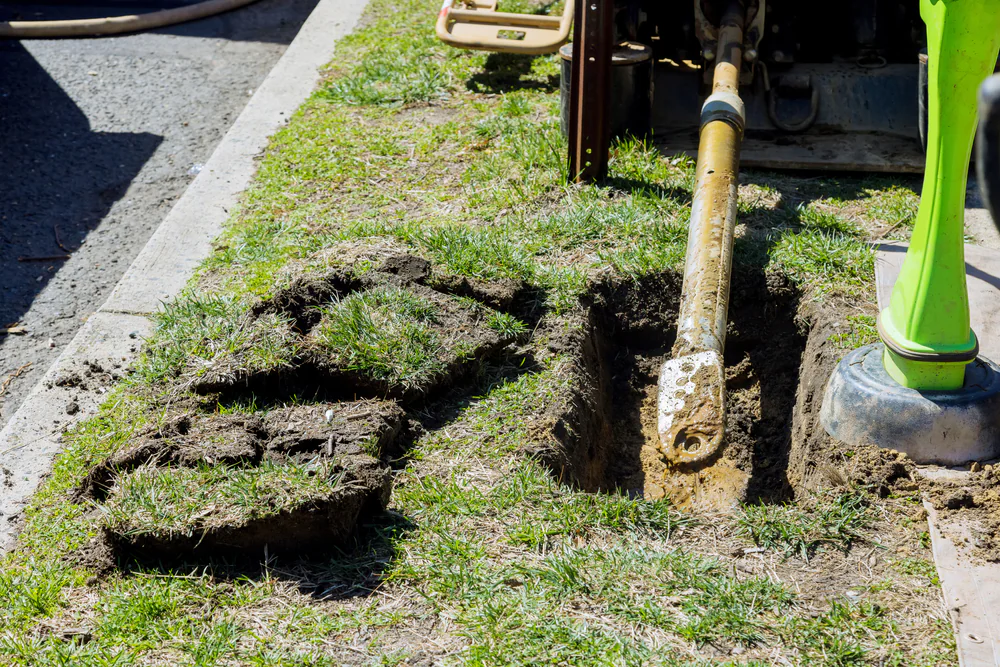
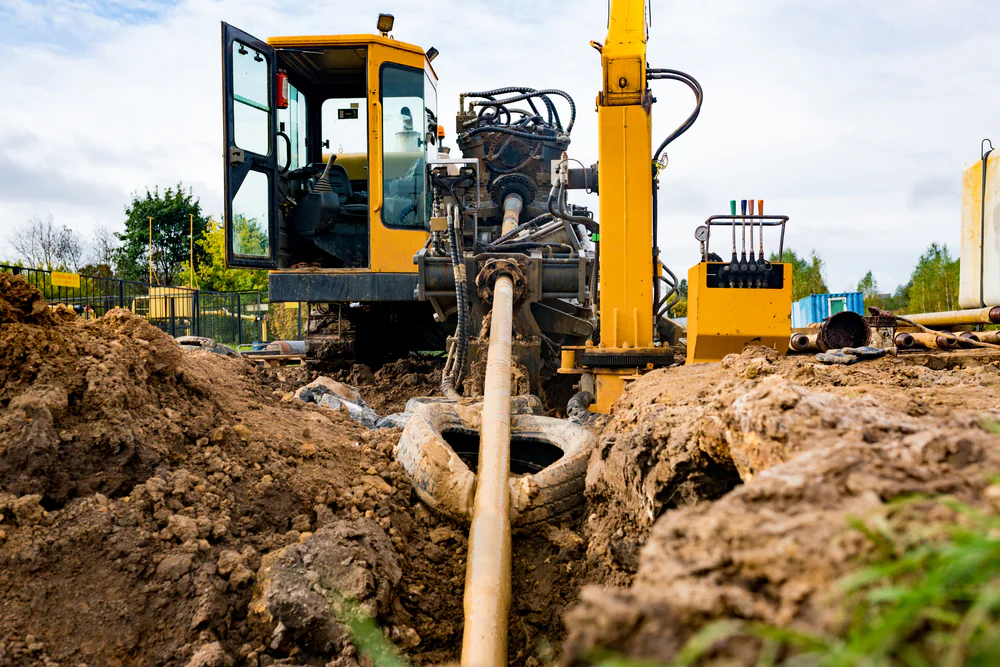
Directional drilling goes underneath all of it. We drill a small entry point, navigate underground with precision equipment, and pull new utility lines into place. The work happens below the surface while everything above stays intact.
You’re not paying to restore your property after we leave. You’re not replanting flower beds or reseeding your lawn. You’re not scheduling concrete repairs or waiting for asphalt to cure. The job gets done in days instead of weeks, and when we’re finished, your property looks the same as when we started.
For homes in Matinecock, NY where property values reflect significant investment in landscaping and hardscaping, that matters. The benefits of trenchless directional drilling aren’t just about convenience. They’re about protecting what you’ve already paid for.
We’ve operated in Nassau County since 1983. We’re family-owned, and we’ve been running directional drilling equipment across Long Island for over 40 years.
Matinecock, NY properties require careful handling. Homes here sit on valuable land with mature landscaping and established infrastructure. You can’t afford a crew that treats your driveway like a demolition site or your lawn like a construction zone.
We’ve installed water lines under driveways in Great Neck, bored sewer lines beneath landscaping in Muttontown, and run gas lines through properties in Syosset. We know what Nassau County soil conditions look like. We know how to navigate around tree roots, underground obstacles, and existing utility lines without guessing.
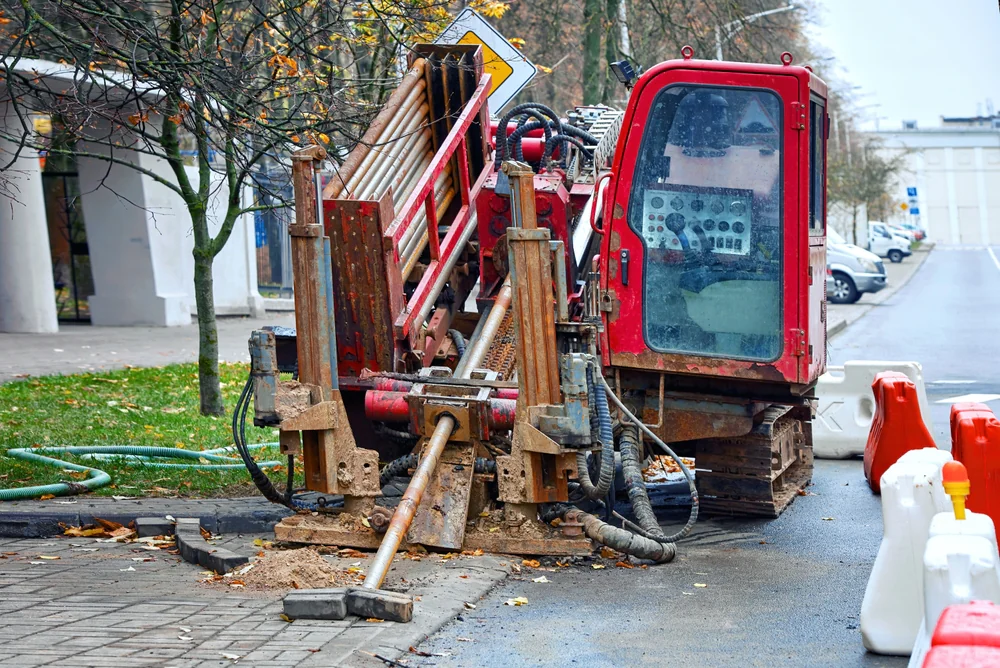
Our equipment handles pipe sizes from 2 inches to 48 inches. We’ve bored under county roads, railroad tracks, and bodies of water. If your property has challenging terrain or limited access, we’ve likely dealt with something similar before.
We start with a site assessment. Before any drilling happens, we locate existing utilities, identify entry and exit points, and map the underground path. This isn’t guesswork. We use locating equipment to see what’s already underground so we don’t hit anything we shouldn’t.
Once the path is clear, we drill a pilot hole. This is a small-diameter bore that follows the planned route underground. The drill head is steerable, which means we can adjust direction as we go. If we encounter an obstacle, we navigate around it. The pilot hole reaches the exit point, and we verify the path is clean.
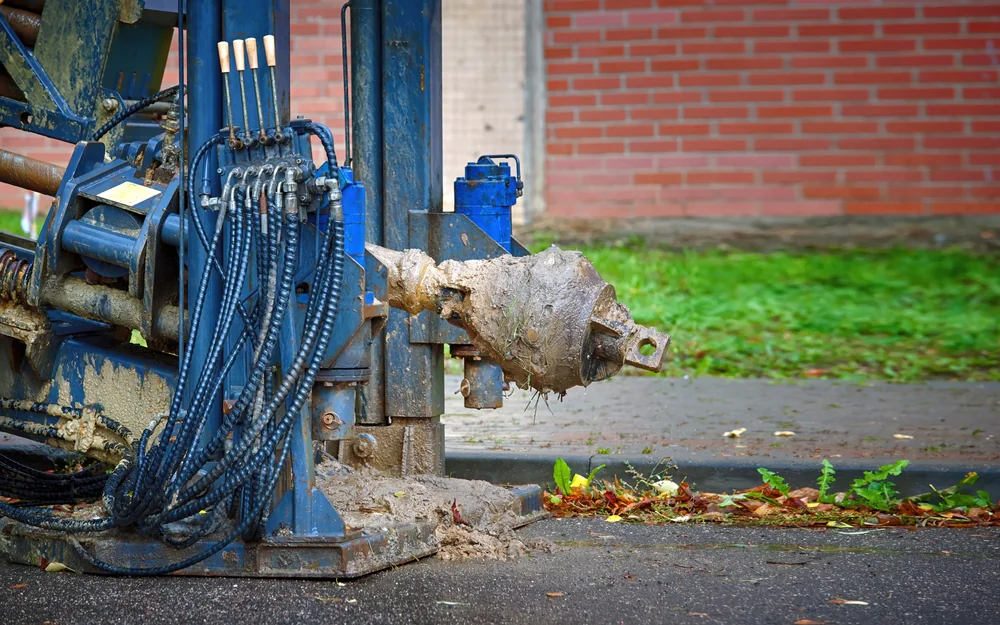
Next, we ream the hole to the size we need. A reaming head follows the pilot hole path and widens it to accommodate the new pipe. Depending on the pipe diameter, this might happen in one pass or several. The goal is a smooth, stable bore that’s ready for installation.
Finally, we pull the new utility line through. The pipe attaches to the reaming head, and we pull it back through the bored path. The pipe gets seated underground in one continuous length. No joints, no weak points, no sections that need to be dug up and connected.
The entire process for a typical residential water line directional drilling project in Matinecock, NY takes hours, not days. You’re not waiting for trenches to be dug, shored up, and backfilled. You’re not scheduling separate crews for excavation and restoration. The work happens underground, and your property stays out of it.
Ready to get started?
Water lines are the most common application. If your water service line is leaking, corroded, or undersized, we can install a new one without tearing up your driveway. The new line runs from the street connection to your home’s foundation, all underground. No surface disruption.
Sewer lines work the same way. If your sewer lateral is cracked or collapsed, directional drilling lets us install a replacement line without digging up your yard. The new pipe goes in below grade, and your landscaping stays intact.
Gas lines require precision, and directional drilling delivers it. Whether you’re adding a gas line to a property that didn’t have one or replacing an old line that’s no longer safe, we can bore the path and install the pipe without exposing your property to open trenches.
Telecommunications and electrical conduits also get installed this way. If you’re running fiber optic cable, power lines, or data conduits across your property, directional drilling gives you a clean installation that doesn’t leave scars on your lawn.
In Matinecock, NY, where properties are large and landscaping is expensive, the ability to install water lines without digging up driveways or trenchless gas line installation without disturbing established gardens makes a measurable difference. You’re not just saving money on restoration costs. You’re avoiding the headache of managing a torn-up property for weeks while crews dig, install, backfill, and repair.
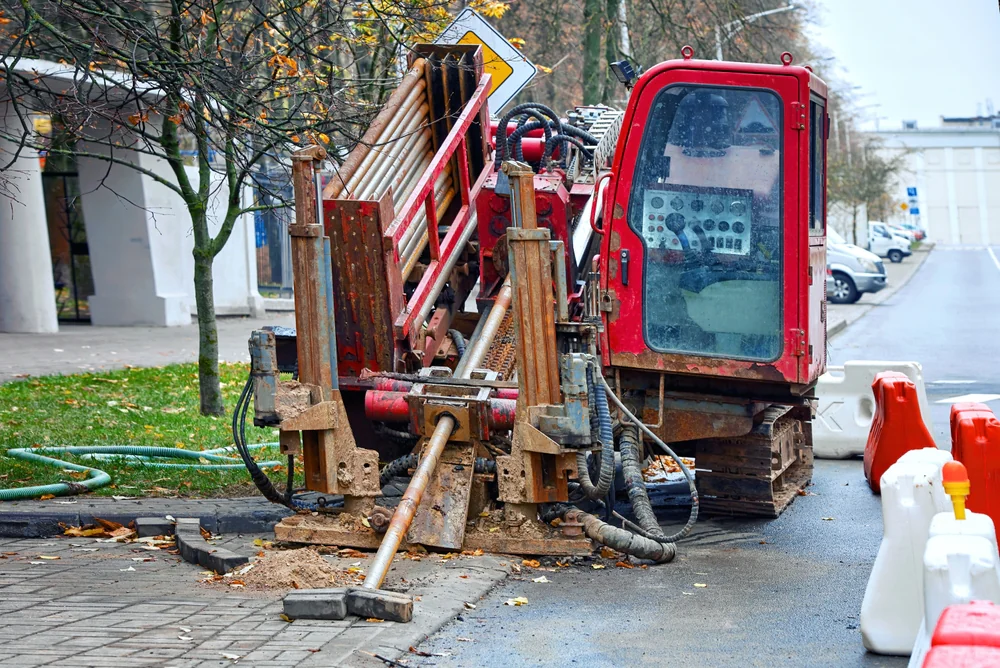
The upfront cost of directional drilling can be comparable to traditional digging, but the total cost is almost always lower. Traditional excavation requires digging trenches, which means you’re paying for excavation labor, equipment, and time. Then you’re paying again to restore everything that got torn up.
That includes replacing sod, replanting landscaping, repaving driveways, and repairing any hardscaping that was damaged. In Nassau County, where concrete and asphalt work isn’t cheap, those restoration costs add up fast. Homeowners typically spend $10,000 to $20,000 just putting their property back together after traditional excavation.
Directional drilling eliminates most of that. You’re paying for the drilling work, but you’re not paying for restoration because there’s nothing to restore. Your lawn, driveway, and landscaping stay intact. The job also finishes faster, which means less labor time and lower overall project costs.
Yes. That’s exactly what horizontal directional drilling is designed to do. If your water service line runs under your driveway, we can bore underneath it and pull a new line through without touching the surface.
We drill an entry point on one side of the driveway and an exit point on the other. The bore path runs underneath the pavement at a depth that clears any base material or subgrade. Once the bore is complete, we pull the new water line through. Your driveway never gets cut, cracked, or excavated.
This matters in Matinecock, NY because driveway repairs are expensive and time-consuming. Cutting through asphalt or concrete means you’re dealing with saw cutting, removal, reinstallation, and curing time. Even after the work is done, the repair section often looks different from the rest of the driveway. Directional drilling avoids all of that. Your driveway stays intact, and the water line gets installed exactly where it needs to be.
Most residential directional drilling projects in Matinecock, NY finish in one day. A typical water line or sewer line installation takes three to five hours from start to finish. That includes site setup, locating existing utilities, drilling the bore path, and pulling the new line through.
Larger projects or more complex installations might take longer. If we’re boring under a road, navigating around multiple obstacles, or installing a larger diameter pipe, the timeline extends. But even complex jobs usually finish in two to three days, which is still significantly faster than traditional excavation.
Traditional digging takes three to five days for the excavation and installation alone. Then you’re waiting for backfill to settle, landscaping to be replaced, and pavement to cure. The entire process can stretch into weeks. Directional drilling compresses that timeline because there’s no excavation and no restoration. The work happens underground, and when we’re done, you’re done.
We can install pipes from 2 inches to 48 inches in diameter using directional drilling equipment. Most residential water lines are 1 inch to 2 inches. Sewer laterals are typically 4 inches to 6 inches. Gas lines vary depending on the application, but residential installations usually fall in the 1-inch to 2-inch range.
Larger commercial or municipal projects might require 8-inch, 12-inch, or even larger pipes. Our equipment handles those sizes as well. The drilling process scales up for larger diameters. We use larger drill heads, more powerful rigs, and sometimes multiple reaming passes to create a bore that’s wide enough and stable enough for the pipe.
The size of the pipe affects the project timeline and cost, but it doesn’t change the fundamental advantage of directional drilling. Whether we’re installing a 2-inch water line or a 24-inch sewer main, the work happens underground. Your property stays intact, and you’re not dealing with open trenches or surface restoration.
Yes. Directional drilling is specifically designed to protect existing landscaping. The drill path runs several feet underground, well below the root systems of most plants and shrubs. We’re not digging trenches that expose roots or disturb soil structure. The bore creates a narrow underground path that doesn’t affect surface vegetation.
Before we start drilling, we locate existing utilities and map out any underground obstacles. That includes identifying large tree roots, irrigation lines, and other features that might be in the way. If we encounter a root system during drilling, we can adjust the bore path to go around it or under it. The drill head is steerable, which gives us the flexibility to navigate without forcing the path.
For properties in Matinecock, NY where mature trees and established gardens represent years of growth and significant investment, this level of precision matters. You’re not risking damage to plantings that can’t be easily replaced. The drilling happens underground, and the surface landscape stays undisturbed. When the job is finished, your property looks the same as it did before we arrived.
Directional drilling works in most soil types, including clay, sand, gravel, and mixed soils common in Nassau County. Each soil type presents different challenges, but modern drilling equipment is built to handle variation. Clay soils are stable and hold the bore path well. Sandy soils require more careful management to prevent collapse. Rocky soils might slow the drilling process, but they’re still navigable.
The key is having experienced operators who know how to adjust drilling speed, fluid pressure, and steering based on what they’re encountering underground. We’ve drilled through Long Island soil conditions for over 40 years. We know what to expect, and we know how to adapt when conditions change mid-bore.
If your property has particularly challenging soil, we’ll identify that during the site assessment. In some cases, we might adjust the bore path or use different drilling techniques to ensure a stable installation. But soil type rarely prevents directional drilling from being a viable option. It’s almost always faster, cleaner, and less disruptive than traditional excavation, regardless of what’s underground.
Other Services we provide in Matinecock