
Hear from Our Customers
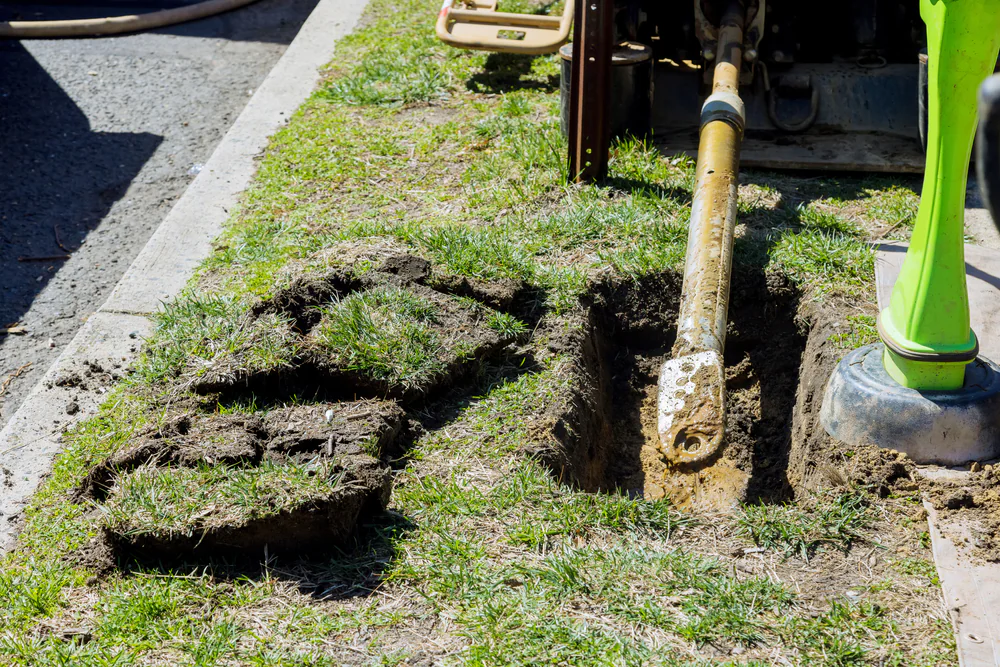
You’re not ripping out your driveway to run a new water line. You’re not replanting shrubs or reseeding grass after a gas line install. Trenchless directional drilling in Inwood, NY means small entry and exit points—that’s it.
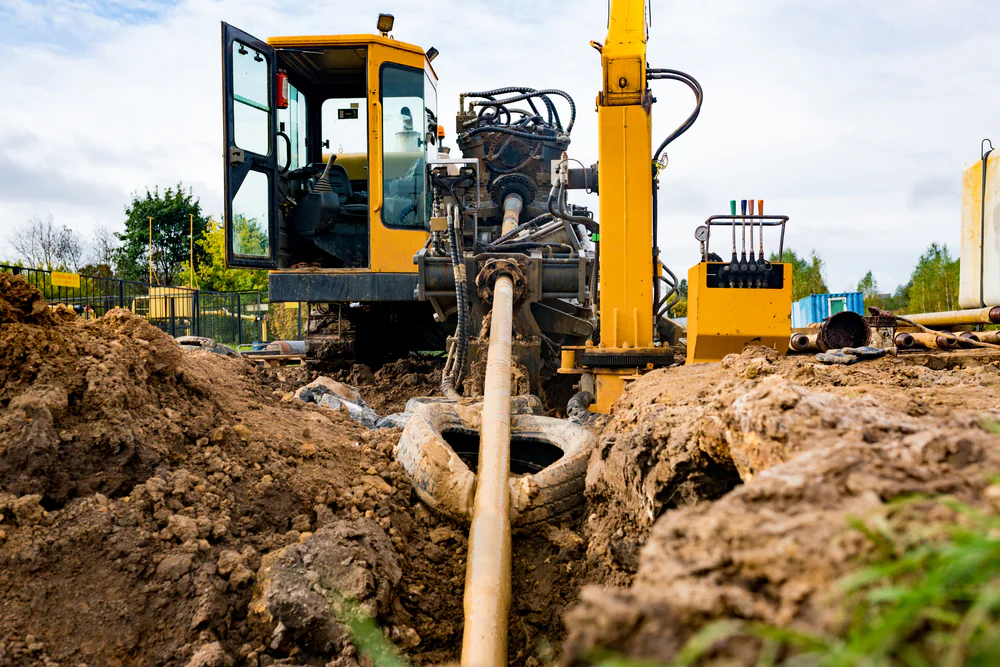
The drill goes underground, navigates around obstacles, and places the line exactly where it needs to go. Your landscaping stays untouched. Your concrete stays whole. The job gets done faster, and you’re not stuck paying for restoration work that doubles your project cost.
In a neighborhood like Inwood, where pre-war buildings and aging infrastructure already create enough headaches, you don’t need another project tearing up your property for weeks. Directional drilling keeps the disruption minimal and the timeline tight. You get the utility work done right without the collateral damage that comes with open trenches.
We’re a family-owned plumbing and environmental services company serving Nassau and Suffolk counties for over 40 years. We’re licensed, insured, and maintain good standing with local plumbing departments and both Nassau and Suffolk County Consumer Affairs.
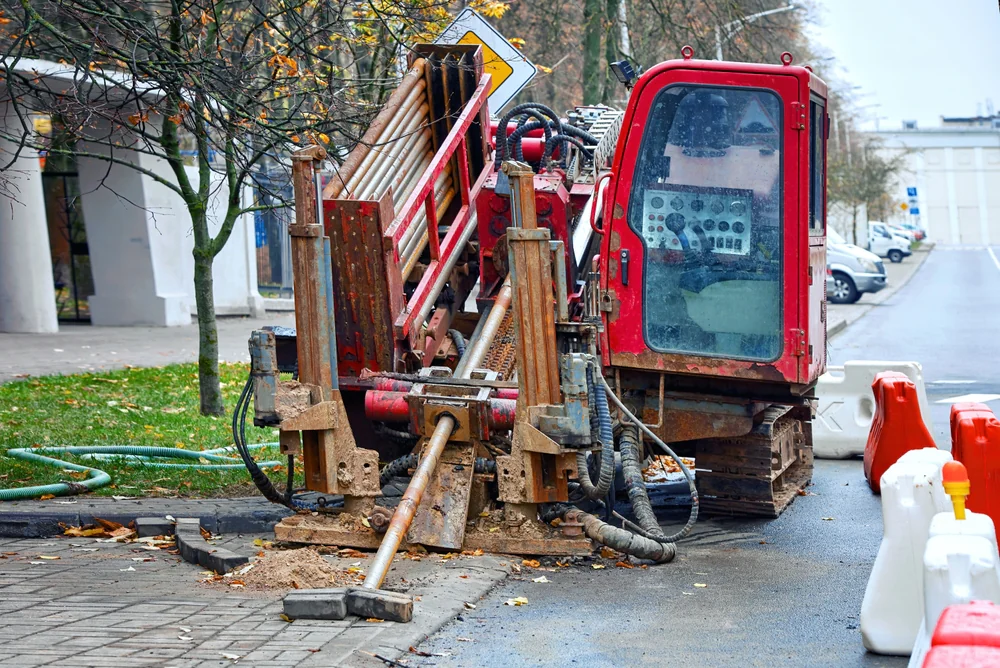
We don’t subcontract the tricky work. Our technicians show up with the specialized equipment needed for trenchless gas line installation in Inwood, NY, water line directional drilling, and underground utility placement. You’re working directly with the people who do the job—not a middleman who farms it out.
Inwood’s infrastructure is under stress. Electrical, gas, and sewer systems are already over capacity, and most of the housing stock dates back to before World War II. That means older systems, tighter spaces, and more complications. We’ve handled these conditions for decades, and we know how to work around them without creating bigger problems.
First, we locate existing utilities and map out the path. You don’t want to drill into an electrical line or puncture a gas main, so this step matters. We use locating equipment to mark everything underground before we start.
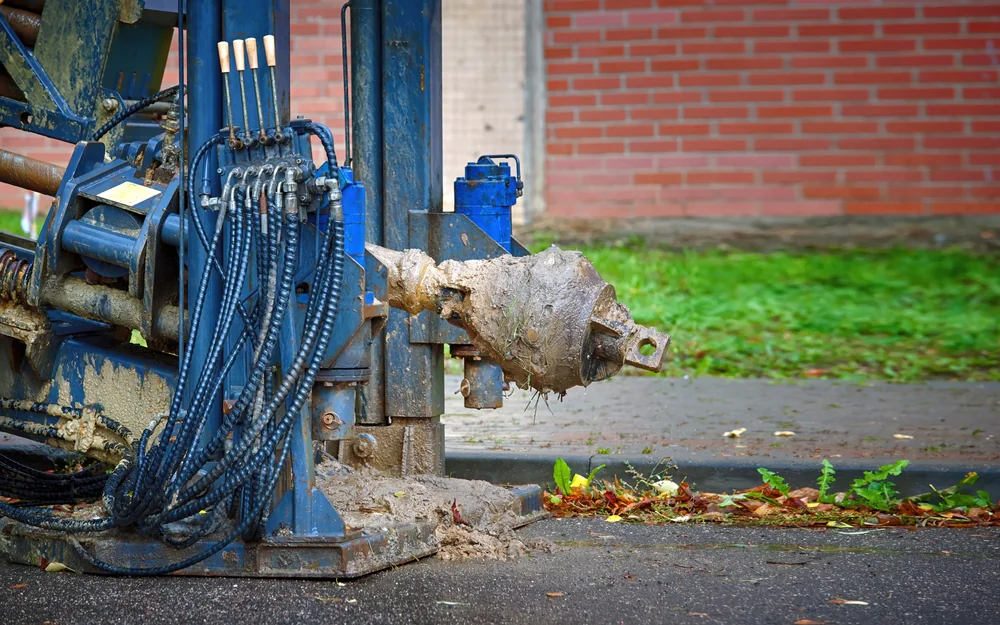
Next, we drill a small pilot hole from the entry point to the exit point. The drill head is steerable, so we can navigate around obstacles—tree roots, existing pipes, rocks, whatever’s in the way. Once the pilot hole is complete, we attach the utility line (water, gas, electrical conduit) to the drill head and pull it back through the same path.
The whole process creates two small access points instead of a long trench. No backhoes tearing through your driveway. No piles of dirt sitting in your yard for days. Once the line is in place, we test it, backfill the small holes, and you’re done. Most residential jobs wrap up in a day or two, depending on distance and complexity.
Ready to get started?
You get water line directional drilling in Inwood, NY that runs under your driveway, walkway, or landscaping without cutting through any of it. Same goes for gas lines and electrical conduit. If you need a utility installed and there’s something in the way—concrete, asphalt, mature trees, a patio—we drill under it.
This matters in Inwood because the housing density and older infrastructure don’t leave much room for traditional trenching. Streets are narrow. Properties are tight. Digging a trench through a shared driveway or tearing up a sidewalk creates problems for everyone around you, not just your household.
Trenchless methods also mean fewer permits, less coordination with the city, and faster approvals. Traditional open-cut work requires more paperwork and often more inspections. Directional drilling simplifies that process because you’re not disrupting public right-of-way or tearing up large sections of property.
The equipment we use allows for precision placement, which means the line goes exactly where it’s supposed to go—no guesswork, no adjustments after the fact. That accuracy reduces the risk of future problems and keeps the installation cleaner overall.
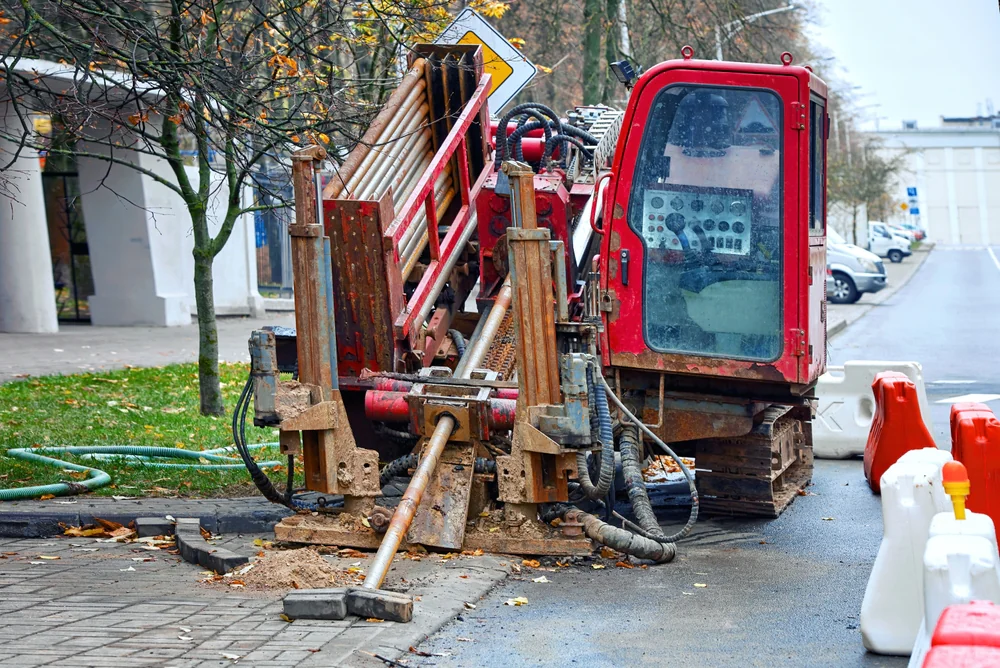
Yes. That’s exactly what horizontal directional drilling is designed to do.
We drill a small pilot hole underneath your driveway, then pull the water line through that same path. You end up with two small access points—one on each side of the driveway—and the line runs underneath without touching the concrete. No sawing, no jackhammering, no repaving.
This works for asphalt driveways, concrete walkways, brick pavers, and any other hardscape you don’t want destroyed. The process takes a fraction of the time compared to traditional excavation, and you’re not left with a patched driveway that looks like a repair job. Your driveway stays intact, and the water line still gets installed exactly where it needs to go.
The per-foot cost of directional drilling is usually higher than open trenching. But the total project cost is often lower because you’re not paying for restoration.
Traditional trenching means you’re digging up landscaping, removing concrete or asphalt, hauling away debris, and then paying to put it all back. That’s additional labor, materials, and time. Directional drilling skips all of that. You’re paying for the drilling itself, but you’re not paying to fix everything the trench destroyed.
In Inwood, where properties are older and space is tight, restoration costs add up fast. Replanting mature landscaping isn’t cheap. Repaving a driveway or resurfacing a walkway can double your project budget. Trenchless methods eliminate most of those costs, which is why the total investment often ends up being more reasonable—even if the drilling rate looks higher on paper.
Most residential trenchless gas line installations in Inwood, NY take one to two days, depending on the distance and complexity of the route.
The actual drilling and line placement might only take a few hours. The rest of the time goes into locating existing utilities, setting up equipment, testing the line, and backfilling the access points. If the path is straightforward and there aren’t many obstacles, the job moves faster. If we’re navigating around multiple existing utilities or working in a tight space, it takes a bit longer.
Compare that to traditional trenching, which can take a week or more once you factor in excavation, debris removal, line installation, backfill, compaction, and restoration. Directional drilling cuts that timeline down significantly because there’s no trench to dig and no surface to repair. You’re back to normal much faster.
We install water lines, gas lines, and electrical conduit using trenchless directional drilling in Inwood, NY. Basically, any utility that needs to run underground and cross under an obstacle.
Water line directional drilling is common when you’re connecting to a municipal supply or running a new service line to a building. Trenchless gas line installation works the same way—you need gas service, but there’s a driveway, walkway, or landscaping in the path. Electrical conduit installation is another frequent use, especially when you’re adding service to a detached garage, pool house, or outdoor structure.
The method works for residential and commercial properties. If you’re dealing with a tight space, an obstacle you can’t remove, or a surface you don’t want to destroy, directional drilling is usually the right call. It’s not limited to one type of utility—it’s a placement method that works for anything that needs to go underground.
Directional drilling is designed to avoid damage, but the drill path does need to be planned carefully around sensitive areas.
The drill head is steerable, which means we can navigate around large tree roots and other obstacles. We’re not plowing through everything in a straight line—we adjust the path as needed to avoid causing problems. That said, if a root system is extensive or the drilling path is unavoidable, there’s a chance of minor root contact. We assess that before we start and route the drill to minimize any impact.
Compared to traditional trenching, which cuts through roots and often kills trees, directional drilling is far less invasive. You’re not excavating a four-to-six-foot-deep trench that severs major roots. You’re threading a line underground with much less disruption to the surrounding soil and vegetation. For properties in Inwood with mature landscaping, that difference matters.
Yes, permits are still required, but the process is usually simpler than it is for traditional open-cut excavation.
You need permits for utility work regardless of the method. But because directional drilling doesn’t tear up streets, sidewalks, or large sections of property, the permitting process typically involves fewer steps and faster approvals. There’s less impact on public right-of-way, which means less coordination with the town and fewer restrictions on when and how the work can be done.
We handle the permit process as part of the job. You’re not responsible for figuring out what’s required or dealing with the paperwork. We submit what’s needed, coordinate with local departments, and make sure everything is in order before we start drilling. That’s part of being licensed and maintaining good standing with Nassau County—we know what’s required, and we take care of it.
Other Services we provide in Inwood