
Hear from Our Customers
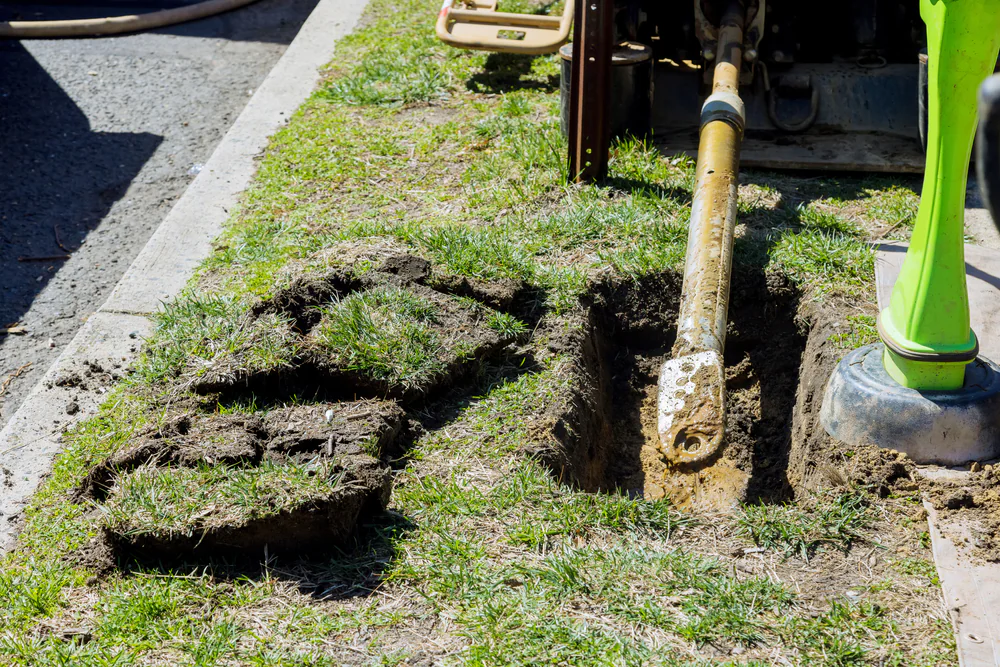
You’re not tearing up the yard you spent years building. No backhoe ripping through your driveway. No weeks of waiting for landscapers to come back and fix what got destroyed.
Trenchless directional drilling services in Great River, NY mean your water line or gas line gets installed underground—pulled through the soil without digging trenches. The grass you see today is the grass you’ll see tomorrow. Same driveway. Same garden beds.
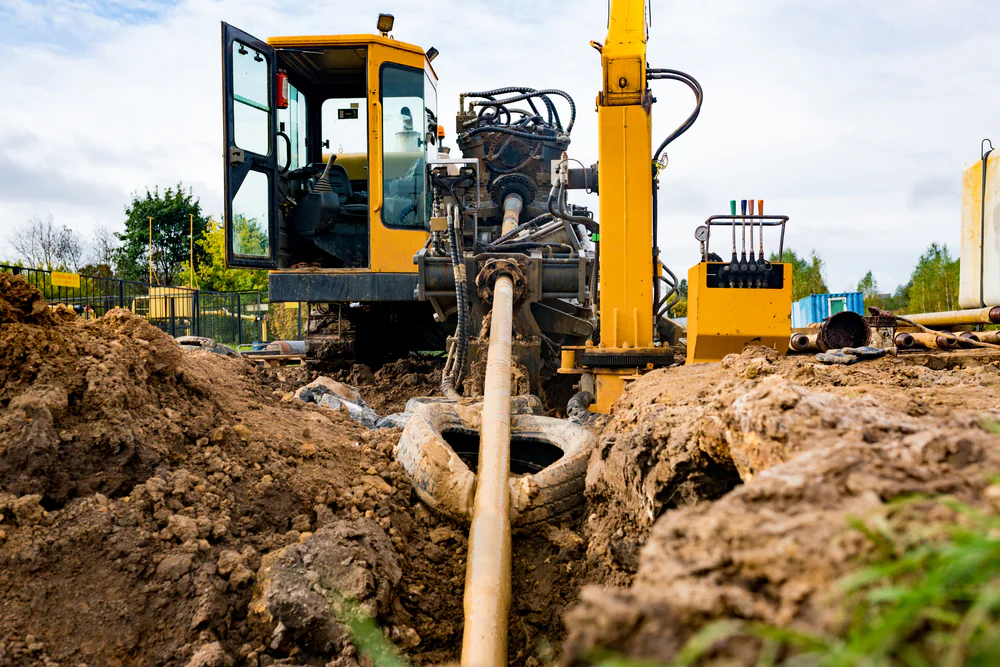
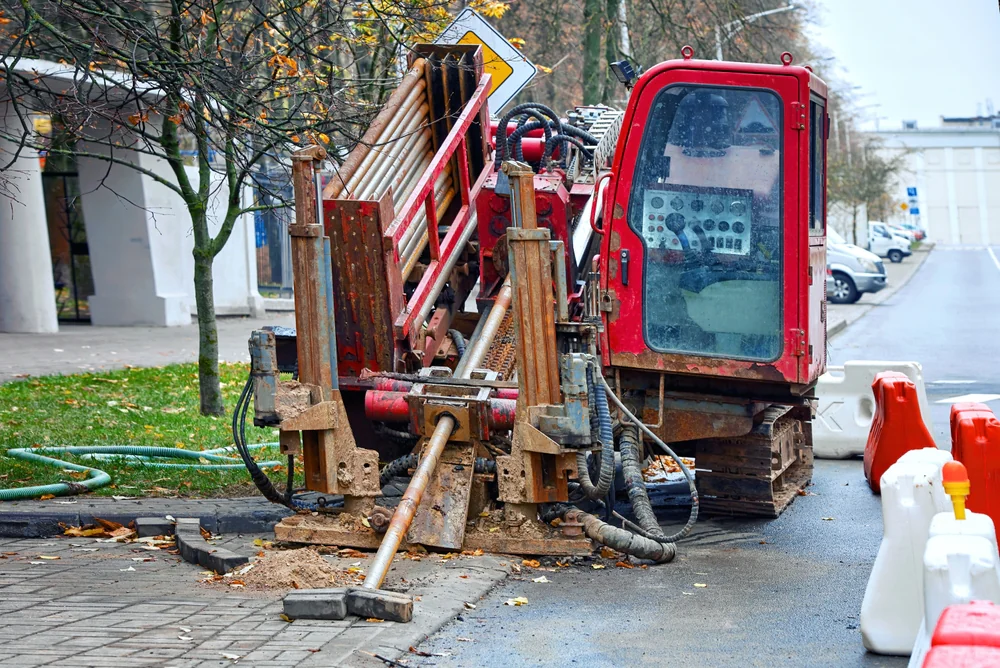
The work happens below ground using specialized boring equipment that drills horizontally. A new pipe gets pulled into place while your property stays untouched above. You get modern utility infrastructure without the traditional destruction that comes with it.
This matters in Great River, where properties sit on smaller lots with mature landscaping and established hardscaping. One traditional dig job can cost thousands in restoration alone. Trenchless work eliminates that entirely.
We’ve been handling utility work across Long Island since 1983. That’s over 40 years working in neighborhoods like Great River—where access is tight, properties are established, and homeowners expect the job done without unnecessary damage.
We’re family-owned, which means when you call, you’re talking to people who’ve built their reputation one job at a time. No corporate runaround. No subcontractors who disappear when problems show up.
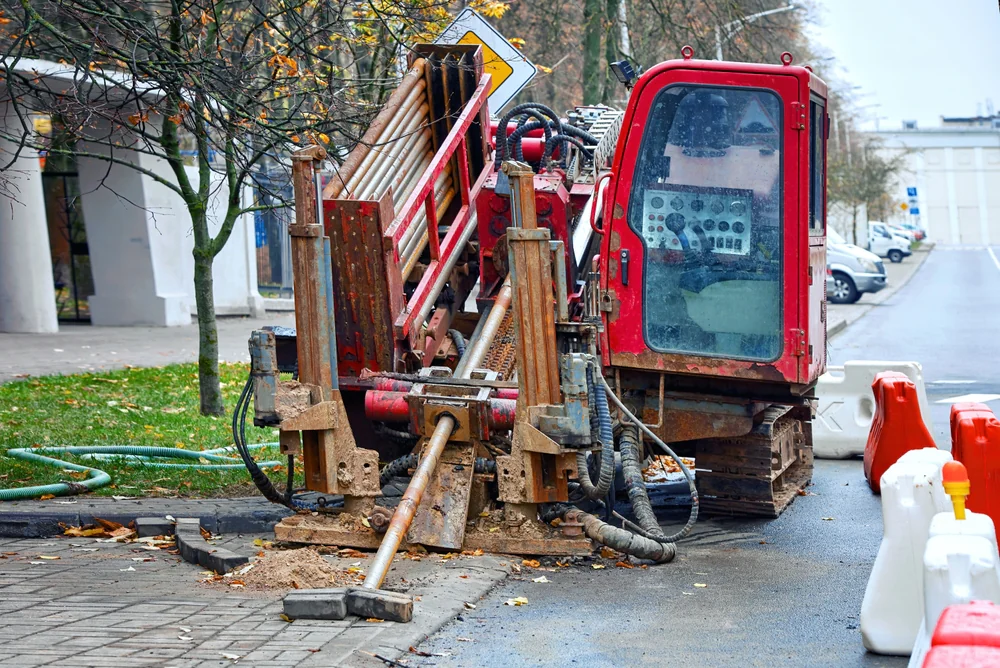
Great River properties often have limited access between homes, mature trees near utility lines, and driveways that can’t afford to be torn up. We’ve handled these scenarios hundreds of times. The equipment we use—directional drilling machines, hydro excavators, vacuum excavation systems—is designed specifically for situations where traditional digging isn’t an option.
First, we locate your existing utilities using camera systems and mapping technology. You need to know what’s already underground before drilling anything. This step prevents surprises and keeps other lines safe.
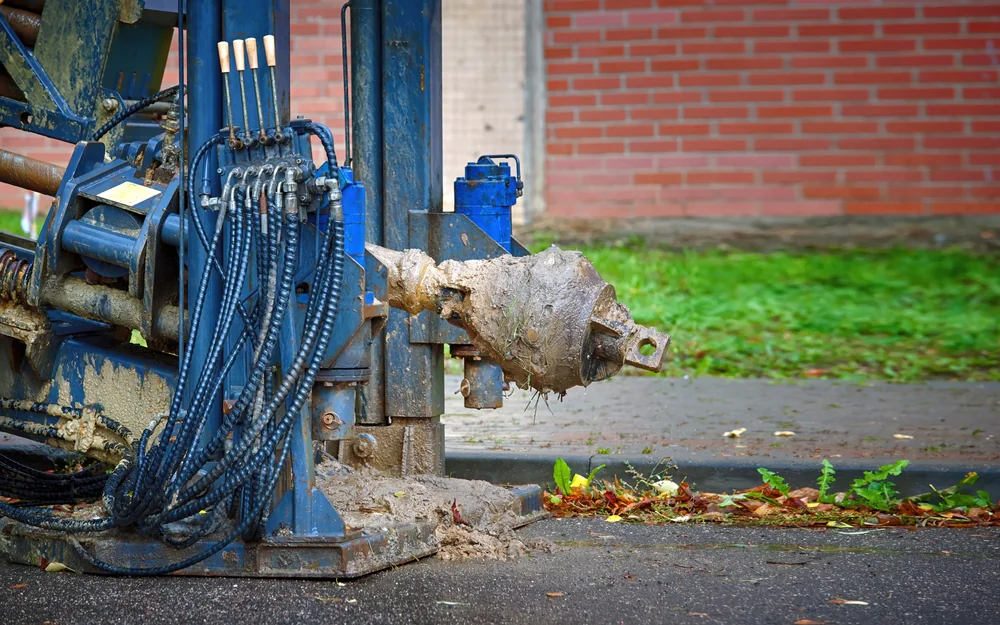
Next, we drill a pilot hole using a specialized boring head. This isn’t a massive excavator—it’s a compact directional drilling machine that creates a pathway underground using water pressure and precision steering. The drill can navigate around obstacles, make turns, and adjust depth as needed.
Once the pilot hole is complete, we attach your new pipe to the drill head and pull it back through the pathway we just created. The pipe gets installed in one continuous pull. No digging. No trenches. No piles of dirt sitting in your driveway for weeks.
The entry and exit points are small—usually just a couple of feet wide. We restore those spots when we’re done, and that’s it. Your water line or gas line is installed, tested, and ready to use. Most residential jobs in Great River wrap up in a day or two, depending on distance and soil conditions.
Ready to get started?
You can install or replace water service lines, gas lines, electrical conduit, and sewer laterals using horizontal directional drilling in Great River, NY. The technology works for residential properties, commercial sites, and municipal projects.
Great River sits in an area where water tables run high and soil conditions vary. Traditional excavation in these conditions often means dealing with groundwater, unstable trenches, and extended timelines. Trenchless methods avoid those complications entirely because you’re not opening up large sections of earth.
Properties near the water—common in Great River—benefit especially from trenchless gas line installation. You’re not destabilizing soil near foundations or creating drainage issues that come back to haunt you later. The installation is cleaner, faster, and leaves your property’s grading intact.
We handle pipe diameters from small residential service lines up to larger commercial applications. If your project involves running utilities under driveways, sidewalks, landscaping, or other obstacles, trenchless directional drilling is usually the most practical option. It’s not always the cheapest upfront, but when you factor in restoration costs and time, it’s often the smarter choice.
Trenchless directional drilling in Great River, NY typically costs more upfront than traditional digging—but that’s before you account for restoration. A standard dig job might look cheaper on the estimate, but then you’re paying separately to replace your driveway, re-sod the lawn, rebuild garden beds, and fix any drainage issues caused by the excavation.
When you add those restoration costs, trenchless often comes out even or ahead. You’re also saving time. Traditional excavation can take a week or more when you factor in digging, pipe installation, backfill, and waiting for contractors to come back and restore everything. Trenchless jobs usually wrap up in one to two days for most residential projects.
The other cost people forget is access. If a backhoe can’t fit between your house and your neighbor’s property, traditional digging might require tearing up more area just to create equipment access. Trenchless equipment is more compact and can work in tighter spaces without expanding the work zone.
Yes. That’s exactly what trenchless directional drilling does. If your water service line runs under your driveway—which is common in Great River—we can drill horizontally beneath it and pull the new pipe through without touching the surface.
The process starts with a small entry point on one side of the driveway and an exit point on the other. The boring machine drills underground, steering around any obstacles, and creates a pathway for the new pipe. Once the path is clear, we pull the pipe through in one shot. Your driveway stays intact.
This matters because replacing a driveway isn’t cheap. Asphalt runs several thousand dollars depending on size, and if you have pavers or decorative concrete, the cost goes even higher. Trenchless work eliminates that expense entirely. You get a new water line without the headache of coordinating driveway contractors or dealing with mismatched materials if your driveway is older and the original pavers aren’t available anymore.
Most residential trenchless directional drilling projects in Great River, NY take one to two days from start to finish. That includes locating existing utilities, drilling the pilot hole, pulling the new pipe, and restoring the small entry and exit points.
Compare that to traditional excavation, which often takes a week or longer. You’ve got digging time, pipe installation, backfilling, compaction, and then waiting for restoration crews to come back and fix the lawn or driveway. Weather delays stretch things out even more because open trenches and rain don’t mix well.
Trenchless work moves faster because there’s less to coordinate. We’re not waiting on excavators, dump trucks, and restoration contractors. The drilling crew handles the entire installation in one visit. Soil conditions and distance affect timing—a 100-foot run takes longer than 30 feet—but you’re still looking at days, not weeks. For homeowners in Great River who need water service restored quickly, that timeline difference matters.
Older homes in Great River often have mature landscaping, established trees, and utility lines that have been in the ground for decades. Trenchless directional drilling lets you replace aging water lines or install new gas service without disturbing any of that.
Traditional digging near older trees can damage root systems, which stresses or kills the tree. That’s a problem when you’re talking about 50-year-old oaks or maples that define your property. Trenchless methods drill beneath the roots without cutting through them. Your trees stay healthy, and your yard stays intact.
Older properties also tend to have utilities that aren’t mapped accurately. We use locating technology to identify what’s underground before drilling, which reduces the risk of hitting something unexpected. The precision steering on directional drilling equipment lets us navigate around obstacles that would complicate a traditional dig—like old septic systems, foundation footings, or abandoned utility lines that nobody remembers installing.
Another benefit: older homes in Great River often have limited space between structures. Trenchless equipment is compact enough to work in tight side yards where a backhoe wouldn’t fit. You’re not forced into tearing up the front yard just because the equipment can’t access the side.
Yes. That’s one of the main advantages of horizontal directional drilling in Great River, NY. The boring equipment can steer—it’s not just drilling in a straight line. If there’s an obstacle underground, the drill head can adjust depth or direction to navigate around it.
This matters in Great River because properties often have existing utilities, old foundation walls, tree roots, and other obstacles below ground. Traditional trenching means you’re either digging around those obstacles—which expands your work zone—or you’re cutting through them, which creates new problems.
Directional drilling uses a locating system that tracks the drill head’s position in real time. The operator can see where the drill is, adjust the angle, and steer it along the planned path. If your water line needs to curve around a septic system or dip beneath an existing sewer lateral, the equipment can handle that.
The drilling path doesn’t have to be perfectly straight, and it doesn’t have to be at a uniform depth. That flexibility is what makes trenchless methods practical for residential properties where underground conditions are rarely simple. You’re working with the site as it exists, not forcing the site to accommodate the equipment.
Yes, and it’s often safer than traditional excavation for properties near the water. Great River has plenty of homes close to the shoreline where soil stability and water table levels are concerns. Trenchless directional drilling doesn’t destabilize large sections of earth, which reduces the risk of shifting soil or creating drainage problems.
When you dig a trench near the water, you’re exposing soil to erosion and potentially altering how water drains across your property. Open trenches can fill with groundwater, which complicates the work and weakens the surrounding soil. Trenchless methods avoid that entirely because the ground above stays undisturbed.
Directional drilling also minimizes environmental impact. You’re not moving large amounts of soil, and you’re not creating sediment runoff that could affect nearby waterways. For properties in Great River that sit in environmentally sensitive areas, that’s a real consideration.
The equipment we use is designed to work in variable soil conditions, including the sandy, high-water-table soils common near the coast. We adjust drilling techniques based on what we encounter underground, which keeps the installation stable and reduces the risk of cave-ins or collapses that can happen with traditional trenching in unstable ground.
Other Services we provide in Great River