
Hear from Our Customers
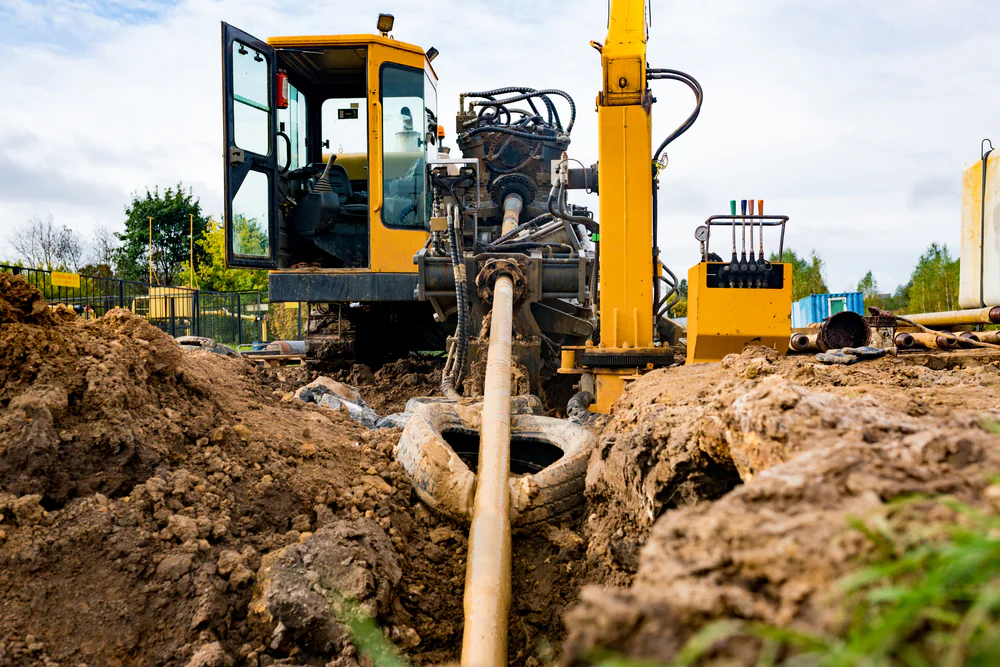
You’re looking at a new water line, gas connection, or utility installation. Traditional methods mean digging a trench four to six feet deep across your property. That’s your driveway ripped up, your lawn destroyed, your landscaping gone, and weeks of your life dealing with the mess.
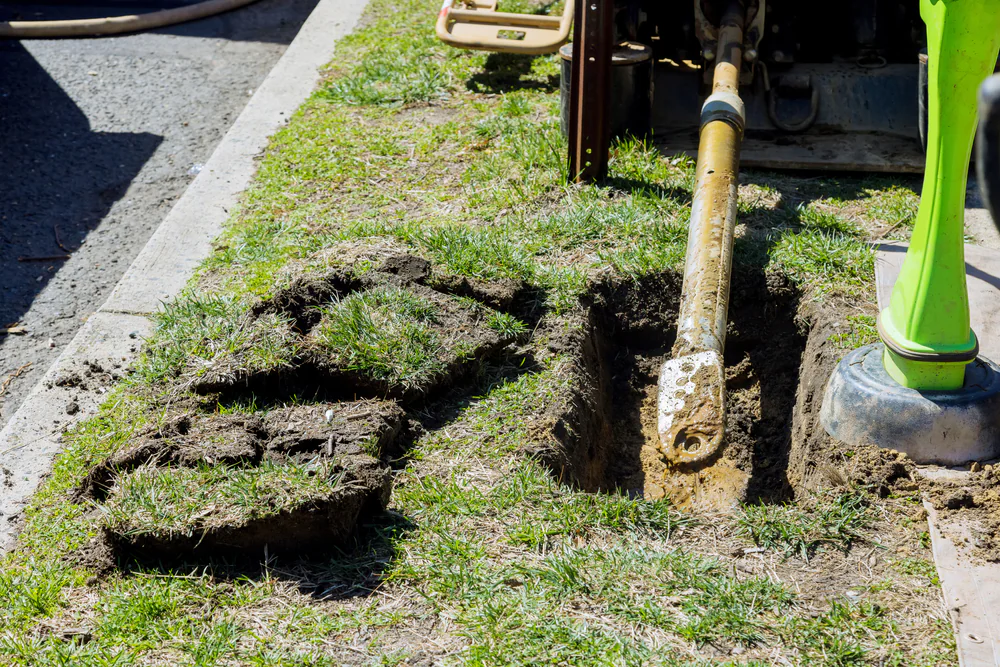
Horizontal directional drilling in Baldwin, NY changes that. We drill underground and pull the new pipe through without touching the surface. Your driveway stays paved. Your garden stays planted. Your daily routine stays normal.
The equipment does the heavy lifting underground while you go about your day. Most projects finish faster than traditional excavation because we’re not spending days digging, then more days filling everything back in. You get a permanent utility installation without the permanent damage to your property.
We’ve operated in Baldwin, NY and throughout Nassau County since 1983. That’s over 40 years of underground utility work in neighborhoods just like yours.
We’re family-owned, which means when you call, you’re talking to people who’ve built their reputation one property at a time. We’ve seen what happens when water lines fail in homes built before 1980—and we know most of Baldwin’s housing stock falls into that category.
Our crews know the soil conditions here. They know the local permit requirements. They know how to work around the dense infrastructure that comes with established Long Island communities. You’re not getting a national franchise learning on the job—you’re getting local expertise that’s been refined over four decades.
First, we locate your existing utilities using advanced detection equipment. You don’t want surprises underground, and neither do we. This step maps out exactly where we can drill safely.
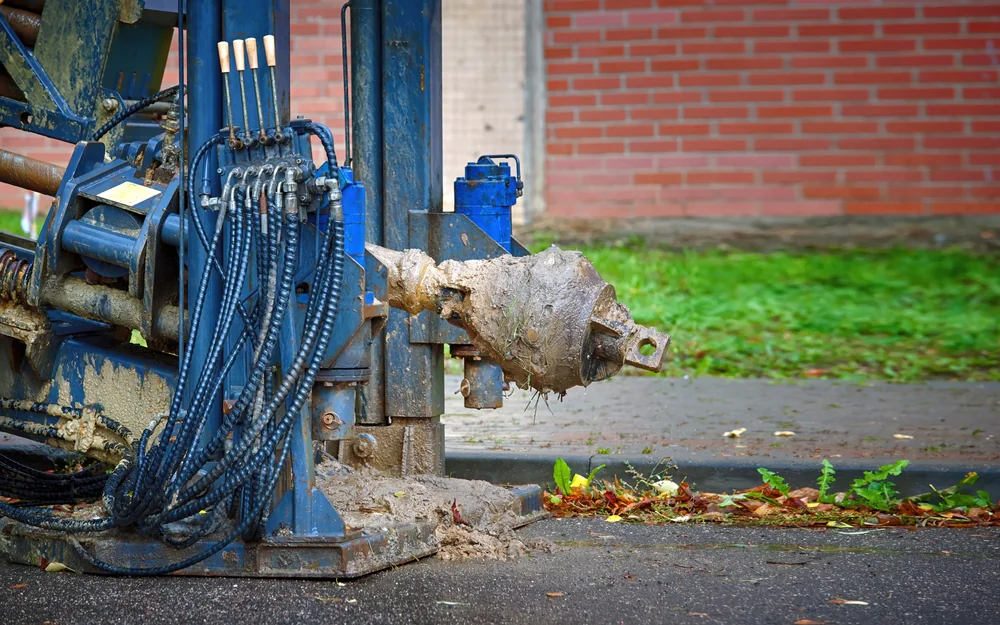
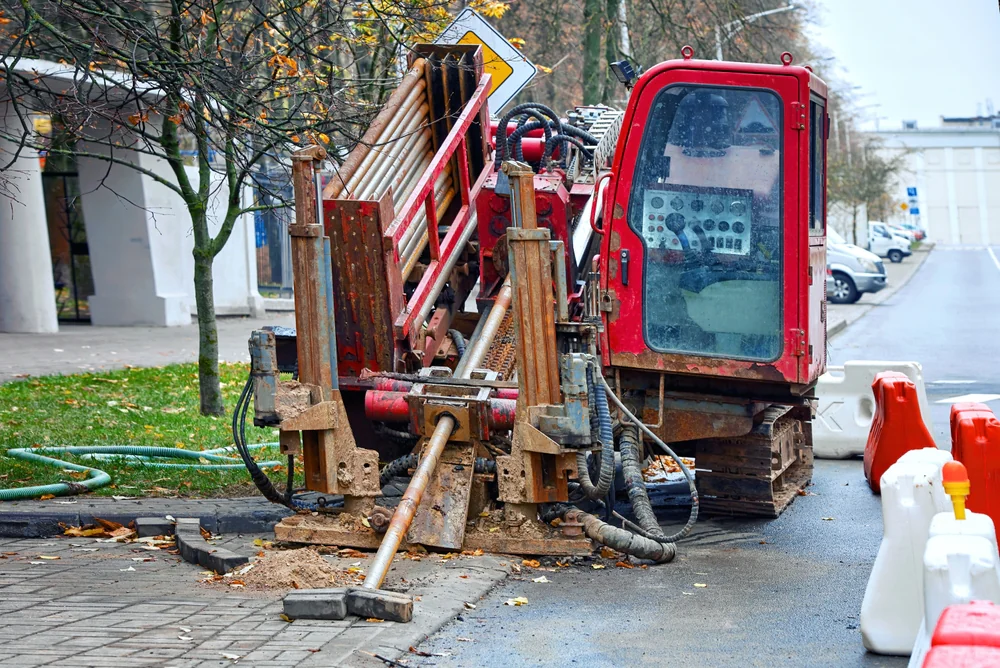
Next, we drill a pilot hole along the planned path using a steerable drill head. This isn’t guesswork—we’re tracking the drill’s position in real-time as it moves underground. The drill can curve around obstacles, go under driveways, and navigate around tree roots. That’s why it’s called directional drilling.
Once the pilot hole reaches the exit point, we attach your new pipe to the drill string and pull it back through the hole. The pipe gets installed in one continuous length, which actually makes it more reliable than traditional methods that require multiple connection points.
The whole process typically takes a day or two, depending on distance. Compare that to traditional trenching, which can take a week or more once you factor in excavation, installation, backfill, and restoration. You’re back to normal faster, and your property never looked like a construction zone.
Ready to get started?
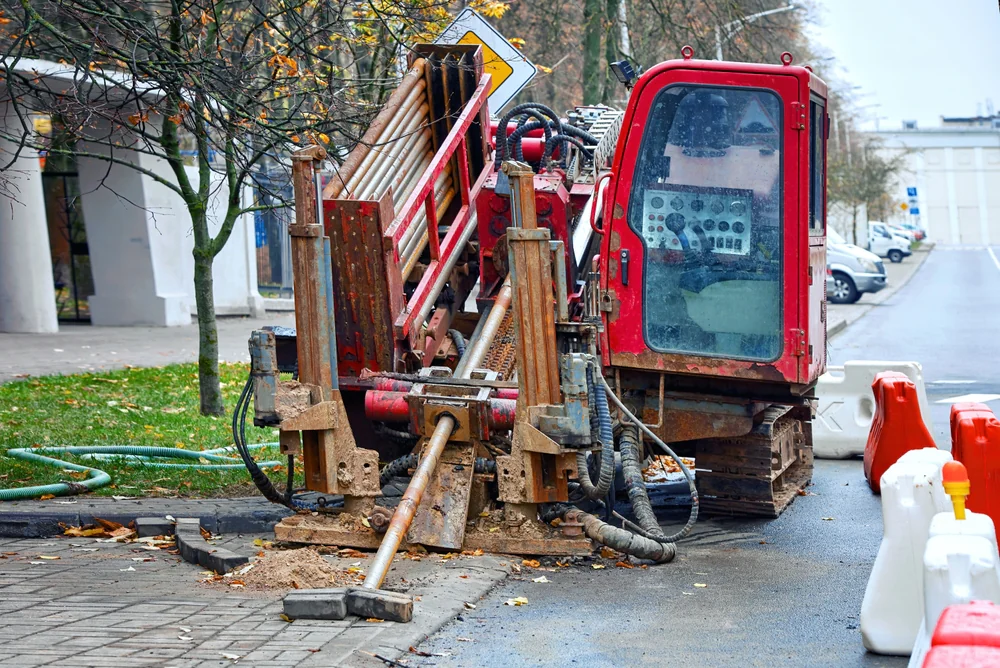
Trenchless directional drilling in Baldwin, NY works for water service lines, gas connections, electric conduit, and cable installations. If it needs to run underground from point A to point B, we can drill it.
The method is particularly valuable in Baldwin because of how developed the area is. You’ve got Sunrise Highway cutting through the hamlet, established neighborhoods with mature landscaping, and properties where every square foot matters. Traditional excavation doesn’t respect those realities—directional drilling does.
For homes built before 1980, this technology solves a major problem. Your old galvanized or lead pipes are corroding from the inside out, but replacing them used to mean tearing up everything between your house and the street. Now it doesn’t. We can install a new water line under your driveway, under your walkway, under your garden—wherever the old line runs—without disturbing the surface.
The environmental benefit matters too, especially on Long Island where we’re entirely dependent on aquifer water. Less surface disruption means less soil erosion and less risk of contaminating groundwater during the installation process. You’re protecting your property and the water supply at the same time.
The drilling itself might cost slightly more upfront, but you’re not paying for all the destruction that comes with traditional methods. No driveway replacement. No landscape restoration. No hauling away tons of excavated soil and bringing in new fill.
When you add up the total project cost—including all the repair work after traditional trenching—directional drilling usually costs less. You’re also saving time, which has its own value if you’re trying to keep your business running or your household functioning normally.
The exact cost depends on distance, soil conditions, and what type of pipe you’re installing. A 100-foot water service line costs differently than a 400-foot gas line. We give you a clear estimate upfront so you know what you’re paying for.
Yes. That’s exactly what trenchless directional drilling was designed to do.
We drill underneath your driveway—whether it’s asphalt, concrete, or pavers—and pull the new water line through without breaking the surface. The entry and exit points are small, usually just enough to fit the drilling equipment and the pipe diameter.
This matters in Baldwin where many homes have the water main connection on one side of the driveway and the house connection on the other. Traditional methods would require tearing up the entire width of your driveway, then repaving it. The new pavement never quite matches the old, and you’ve just shortened your driveway’s lifespan. Directional drilling avoids all of that.
Most residential water line or gas line installations take one to two days from start to finish. Longer runs or more complex paths might take three days.
Compare that to traditional trenching, which typically takes five to seven days minimum. You’re dealing with excavation day one, utility installation day two, waiting for inspections, then backfilling, compacting, and surface restoration. Each step takes time, and weather delays compound quickly.
With directional drilling, we’re not dependent on perfect weather for days on end. We drill, we pull the pipe, we connect it, and we’re done. You’re not living with an open trench in your yard for a week. You’re not wondering when the crew will come back to finish the restoration work.
The timeline also depends on permit approval, which is the same regardless of installation method. But once we start the actual work, directional drilling is significantly faster.
We install copper, HDPE (high-density polyethylene), and PEX for water lines. For gas service, we use approved PE pipe or coated steel depending on pressure requirements and local code. Electric and cable conduit goes in as PVC or HDPE.
The pipe material depends on what you’re installing and what Nassau County codes require for that application. Water service lines typically use K copper or HDPE because both handle the pressure and last decades underground. HDPE has become increasingly popular because it’s flexible, corrosion-resistant, and joints are heat-fused into one continuous piece.
For gas lines, the utility company often specifies what material they’ll accept for the connection. We work with those requirements and install accordingly. The directional drilling method works with all approved pipe materials—the installation technique doesn’t limit your options.
It’s significantly safer than traditional trenching. We’re drilling deep enough to go under root systems rather than cutting through them.
Mature trees have roots that spread far beyond the trunk—sometimes two to three times the width of the canopy. Traditional trenching severs those roots, which stresses the tree and can kill it over the following year or two. You don’t see the damage immediately, but you’ve compromised the tree’s stability and health.
Directional drilling goes underneath at depths where major roots aren’t present. We’re typically 4 to 6 feet down, sometimes deeper. The drill path avoids the root zone entirely. Your trees stay healthy, your landscaping stays intact, and you don’t spend the next several years watching plants die from root damage.
This is particularly important in Baldwin’s established neighborhoods where property values are tied directly to mature landscaping. You’re not just saving money on restoration—you’re protecting assets that took decades to grow.
If your home was built before 1960, there’s a strong chance you have a lead service line. Lead pipes were standard until the 1950s, and some were installed even later in Nassau County.
Lead exposure isn’t something you can see or taste, but it’s affecting your family’s health—especially children. Lead damages developing brains, causes learning disabilities, lowers IQ, and creates behavioral problems. For adults, it contributes to high blood pressure and kidney damage. There’s no safe level of lead exposure.
New York State is investing billions in replacing lead service lines, and many municipalities are requiring replacement. Even if yours isn’t required yet, you’re better off replacing it now on your terms rather than waiting for an emergency failure or a mandate with a tight deadline.
Trenchless directional drilling makes the replacement straightforward. We install a new copper or HDPE line without destroying your property, and you have permanent peace of mind that your water is safe. The old method made this project so disruptive that people delayed it. Now there’s no reason to wait.
Other Services we provide in Baldwin