
Hear from Our Customers
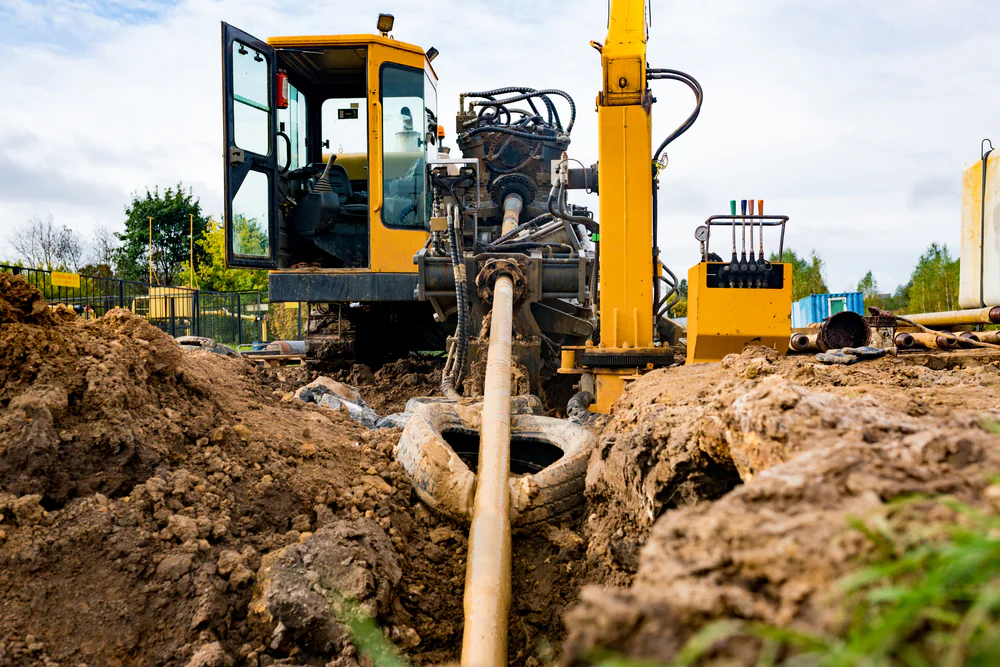
You’re not just avoiding a torn-up yard. You’re avoiding weeks of disruption, thousands in restoration costs, and the headache of coordinating landscapers after the utility company leaves.
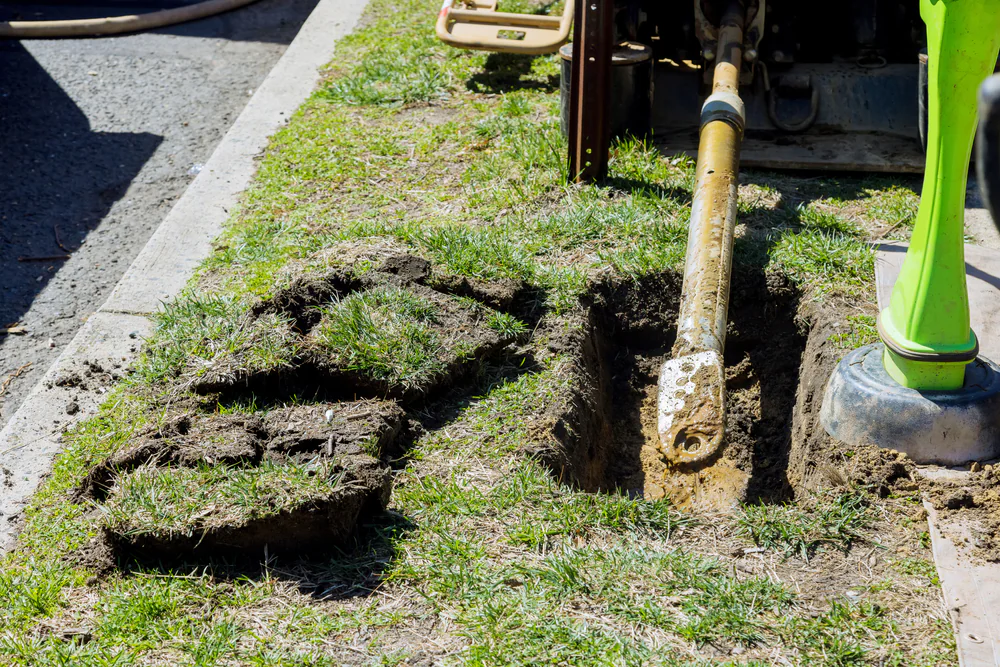
Trenchless directional drilling services in Babylon mean your property looks the same before and after. No backhoe tracks across your lawn. No dumpster full of asphalt from your driveway. No waiting for grass to grow back or pavers to be reset.
The process is faster, cleaner, and often less expensive when you factor in what traditional trenching actually costs. You’re not paying to dig up your property and then paying again to put it back together. The utility line goes in, the small entry and exit points get filled, and you’re done.
For Babylon homeowners with established landscapes or businesses that can’t afford downtime, this is how you get the job done without the collateral damage.
We’ve been handling utility installations across Long Island since 1983. We’re family-owned, and we’ve watched Babylon grow and change over 40 years of working here.
We don’t subcontract the drilling work. Our crews bring the equipment, handle the installation, and answer your questions directly. When you call, you’re talking to people who’ve done this work in your neighborhood before.
Babylon properties come with their own challenges—high water tables near the coast, established trees, driveways you don’t want cracked. We’ve navigated all of it. You’re not getting a crew that’s learning on your property.
First, we map the route for your utility line. That means locating existing underground infrastructure so we’re not drilling into something that’s already there. You don’t want surprises, and neither do we.
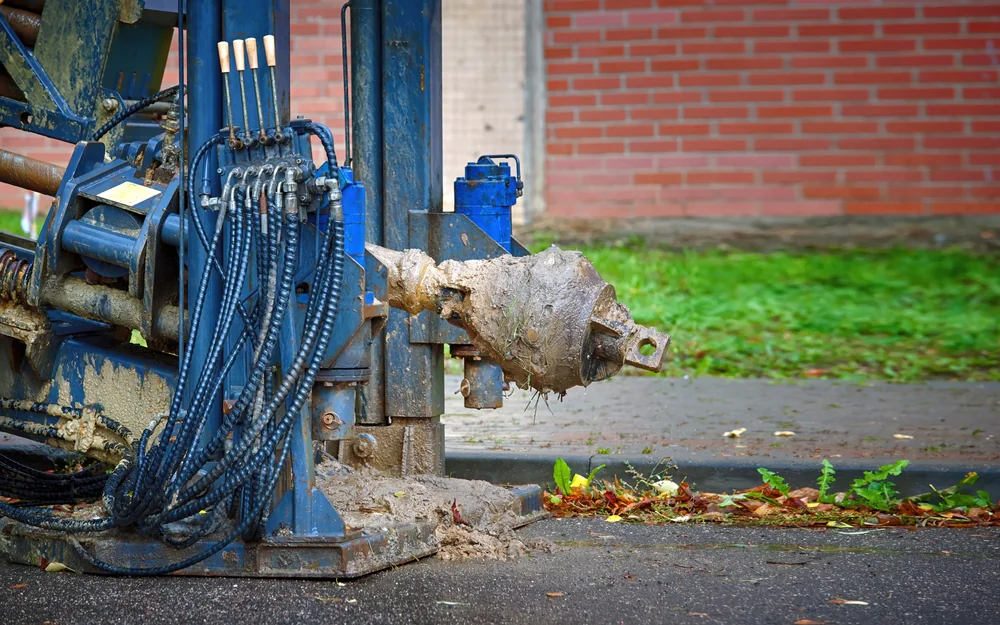
Next, we drill a small pilot hole along the planned path using a steerable drill head. The operator tracks its position underground in real time, adjusting as needed to avoid obstacles and maintain the correct depth and trajectory.
Once the pilot hole is complete, we attach the utility line—whether that’s water, gas, electrical conduit, or fiber optic cable—and pull it back through the drilled path. The line gets installed in one continuous run, which means fewer joints and potential weak points.
Finally, we complete the small entry and exit pits. These are typically just a few feet across, not the long trenches that traditional methods require. Most Babylon properties are back to normal within a day or two, not weeks.
Ready to get started?
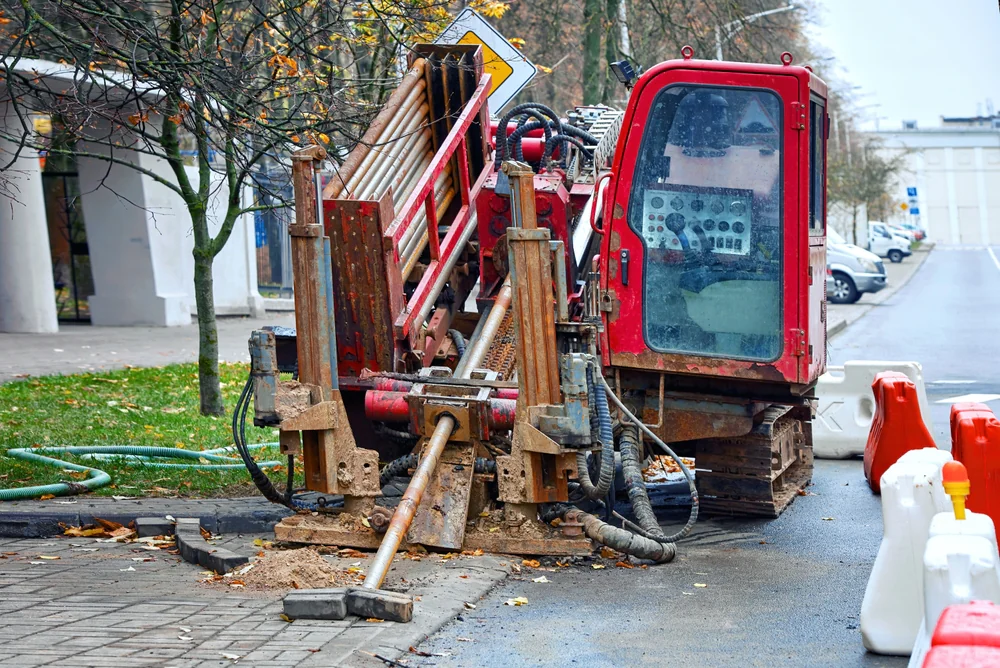
Trenchless directional drilling in Babylon handles water service lines, gas lines, electrical conduit, sewer laterals, and fiber optic cables. Basically, anything that needs to run underground from point A to point B without tearing up what’s in between.
For Babylon homeowners, water line installations are common. Whether you’re connecting to municipal water for the first time or replacing an old line that’s failed, directional drilling gets the new line in without destroying the landscaping you’ve invested in. Same goes for gas line installations when you’re converting from oil heat or adding a gas line for a generator or pool heater.
Commercial properties use this method when adding utilities to new buildings or upgrading existing infrastructure. You can’t shut down a business for two weeks while a traditional trenching crew digs across your parking lot. Directional drilling in Babylon gets the work done faster with minimal impact on your operations.
Long Island’s soil conditions and high water tables near the coast make traditional trenching more complicated. Frozen ground in winter, saturated soil in spring—these factors slow down conventional methods. Trenchless installation works year-round because you’re not dealing with the same excavation challenges.
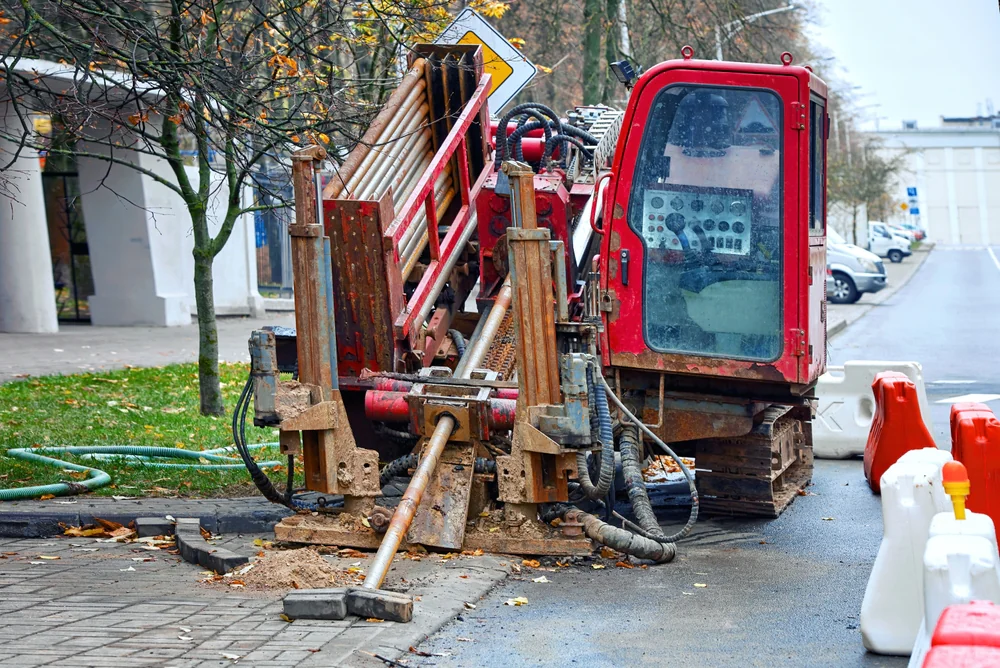
The cost depends on the distance, depth, and what’s between your connection point and your house. A typical residential water line installation using trenchless directional drilling in Babylon runs between $3,000 and $8,000.
That might sound like a wide range, but here’s why it varies. A straight 50-foot run under a lawn is simpler than a 150-foot run that goes under a driveway, around mature trees, and needs to avoid an existing septic system. Depth matters too—deeper installations require more drilling time and specialized equipment.
Here’s what most people miss when comparing costs: traditional trenching might quote lower for the actual pipe installation, but then you’re paying separately to repave your driveway, re-landscape your yard, and possibly replace damaged sprinkler systems or lighting. Those restoration costs often exceed the difference in installation methods. You’re comparing the full project cost, not just the drilling cost.
Not if it’s done correctly, which is why the locating work matters so much. Before we drill anything, we map out where your existing utilities, septic tank, leach fields, and other underground infrastructure are located.
We use a combination of utility locating services, ground-penetrating radar when needed, and the property records that show where things were originally installed. The drill head we use is steerable—the operator can adjust the path in real time if we encounter an unexpected obstacle.
Babylon properties, especially older ones, sometimes have utilities that weren’t documented properly when they were installed. That’s why we don’t just rely on maps. We verify on-site before drilling starts. The small pilot hole we drill first acts as a test run. If something’s in the way that we didn’t expect, we adjust the path before pulling the utility line through.
Most residential directional drilling projects in Babylon take one to two days from start to finish. Traditional trenching for the same job typically takes three to five days, plus additional time for restoration work.
Here’s the breakdown. Day one of a trenchless project usually involves site prep, locating existing utilities, and drilling the pilot hole. Day two involves pulling the utility line through and completing the entry and exit points. You’re essentially done at that point—no waiting for a paving company to come back and fix your driveway or a landscaper to repair your yard.
Traditional trenching adds time because you’re excavating a trench, installing the line, backfilling, compacting the soil, and then scheduling separate contractors for paving and landscaping. Each of those steps depends on weather, contractor availability, and proper curing time for materials. A project that takes two days with directional drilling can stretch into two weeks with conventional methods when you factor in all the restoration work.
Yes, and that’s one of the advantages of horizontal directional drilling in Babylon. Frozen ground that stops traditional trenching doesn’t affect drilling the same way.
When the ground freezes on Long Island, it typically freezes down 18 to 24 inches. Traditional excavation requires breaking through that frozen layer across the entire trench length, which is slow, hard on equipment, and sometimes impossible depending on how deep the frost goes. Directional drilling goes underneath the frost line, so surface conditions matter less.
That said, extreme cold can still affect some aspects of the work. If the ground is frozen solid at the entry and exit points, we might need to thaw those small areas. But we’re talking about a few square feet, not a 100-foot trench. Winter installations also avoid the spring mud season when Long Island soil gets saturated and unstable. You’re not dealing with trenches filling with water or equipment sinking into soft ground.
We adjust the drill path or use equipment designed to handle rock formations. Long Island geology includes areas with glacial till, hardpan, and occasional rock layers, so this comes up.
The drill head we use can handle most soil conditions, including compacted material and small rocks. If we encounter a larger rock formation or bedrock, the operator can often steer around it—that’s the advantage of a steerable drill system. We’re not locked into a fixed path like you would be with a trench.
In rare cases where rock is unavoidable and too large to drill through, we have options. We can adjust the depth of the drill path to go over or under the obstruction. We can also use specialized rock drilling equipment if needed. What we don’t do is give up and tell you we need to switch to traditional trenching. Babylon properties have enough variation in subsurface conditions that we come prepared for these situations.
Yes, you need permits for utility installations in Babylon, and we handle the permit process as part of the project. The Town of Babylon requires permits for water line installations, gas line work, and electrical conduit installations.
The permit requirements depend on what you’re installing and where it connects. A new water service line connecting to the municipal system requires coordination with the water department. Gas line installations need approval from the building department and inspection by the gas utility. We submit the applications, provide the required documentation, and schedule the inspections.
Most homeowners don’t want to navigate town permit offices and utility company requirements themselves. We’ve been working with Babylon’s building and plumbing departments for 40 years, so we know what they need to see and how to keep the project moving. The permit costs get included in your project estimate upfront—no surprises later. Once permits are approved and the work is inspected, you get the documentation showing everything was done to code.
Other Services we provide in Babylon