
Hear from Our Customers
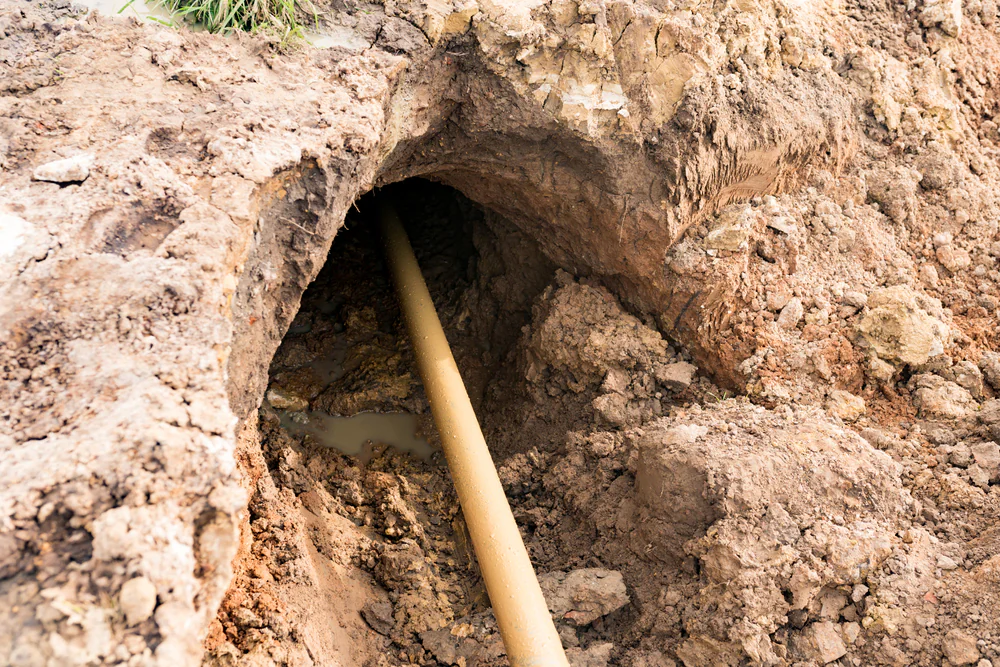
Traditional sewer repair means tearing up your driveway, digging trenches four to six feet deep across your lawn, and waiting days for the job to finish. Trenchless pipe lining services skip all of that.
We insert a resin-coated liner through existing access points, cure it in place, and you’re left with a brand-new pipe inside your old one. No digging. No destroyed landscaping. No replacing concrete or asphalt.
The process saves you money upfront and long-term. You’re not paying to restore your yard after the repair. You’re not dealing with weeks of disruption. And because CIPP liners last 50+ years, you’re not calling another contractor in five years when the problem comes back.
If your home in Strathmore was built before the 1970s, your sewer lines are likely clay or cast iron. Both crack, corrode, and invite tree roots. Trenchless pipe lining Strathmore stops all three problems permanently with a seamless interior that roots can’t penetrate.
We’ve handled residential and commercial pipe repairs across Nassau County for over 40 years. We’re a family-owned company, and we respond to emergencies 24/7 because pipe failures don’t wait for business hours.
Strathmore sits in the Town of North Hempstead, where many homes were built by Levitt & Sons decades ago. That means aging infrastructure. Clay pipes that crack under pressure. Cast iron that corrodes from the inside out. Orangeburg pipe that collapses when it gets wet.
We’ve seen it all, and we’ve fixed it all. Our pipe relining contractor team uses remote camera inspections to diagnose the exact problem before we recommend a solution. No guessing. No upselling. Just a clear answer about what’s wrong and how we’ll fix it.
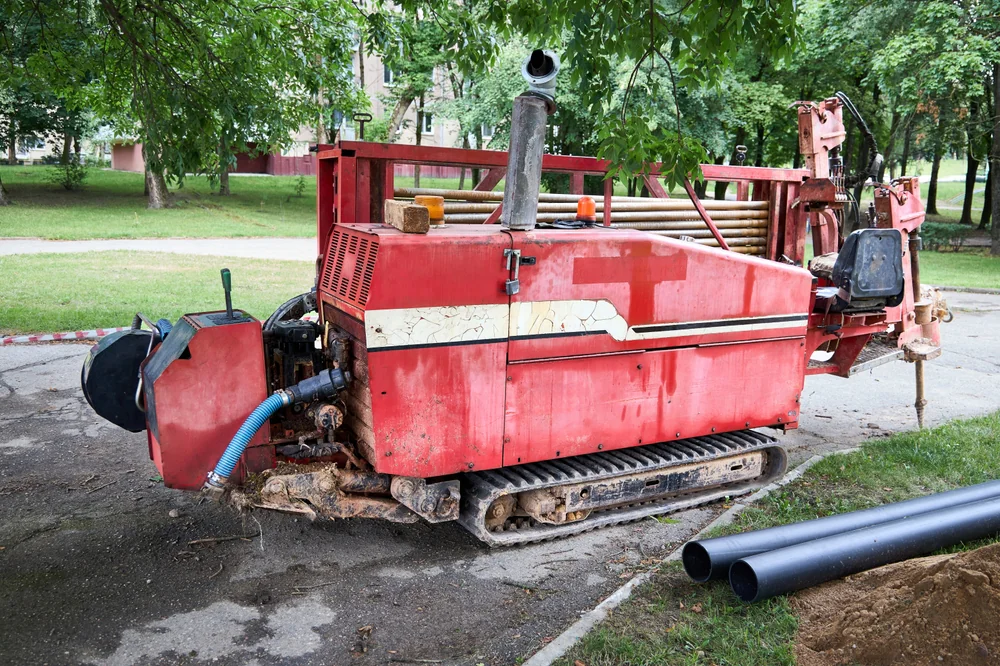
We start with a camera inspection. A small, high-definition camera goes through your existing cleanout or access point and shows us exactly where the damage is. Cracks, root intrusion, corrosion—we see it all in real time.
Once we know what we’re dealing with, we clean the pipe using high-pressure water jetting. This removes debris, roots, and buildup so the liner bonds properly to the pipe walls.
Then we insert the resin-saturated liner. It’s flexible, so it moves through bends and turns in your existing pipe. Once it’s in position, we inflate it with air or water and cure it with heat or UV light. The resin hardens, and you’ve got a new pipe inside the old one.
Most residential jobs finish in a day. You’re not waiting for excavation crews, concrete contractors, or landscapers. You’re not dealing with permits for tearing up streets or driveways. The job starts and finishes faster than traditional methods, and the result lasts longer.
Ready to get started?
Trenchless sewer pipe lining Strathmore works for clay, cast iron, Orangeburg, and even some plastic pipes. If your pipe still has structural integrity—meaning it hasn’t completely collapsed—we can line it.
The liner itself is seamless, which means no joints where roots can sneak in. It’s smooth, so waste flows faster and clogs happen less often. And because it’s cured in place, it conforms to the exact shape of your existing pipe, even through bends and offsets.
You’re also getting a solution that handles the specific challenges of Long Island properties. Tree roots are aggressive here, especially in older neighborhoods like Strathmore where mature oaks and maples line the streets. Traditional pipe repairs can’t stop roots from coming back. Trenchless pipe lining Strathmore seals the pipe completely, so roots have nothing to latch onto.
If you’ve got a sewer line running under your driveway, trenchless methods let us repair sewer line under driveway without tearing up the concrete. Same goes for pipes under patios, walkways, or landscaping you’ve spent years maintaining.
Homes built before WWII are especially good candidates for trenchless pipe lining for old homes. The original pipes are failing, but the layout is still functional. Lining them extends their life by decades without the cost and disruption of full replacement.
Trenchless pipe lining typically costs 25-30% less than traditional dig-and-replace methods. A standard open-cut sewer replacement in Nassau County runs around $200 per linear foot. Trenchless lining averages $60-$80 per linear foot.
But the real savings show up after the repair. You’re not paying to replace your driveway, re-sod your lawn, or repair landscaping. You’re not dealing with permit fees for street cuts or restoration bonds required by the town.
For a typical residential sewer line repair in Strathmore—say, 50 linear feet—you’re looking at $3,000 to $4,000 for trenchless lining versus $10,000+ for traditional replacement when you factor in excavation, disposal, and restoration. The math makes sense, especially when the liner lasts just as long as a new pipe.
CIPP liners are engineered to last 50+ years, and many manufacturers warranty them for that long. The liner becomes part of the pipe structure once it cures, so it’s not a temporary patch.
The resin used in the liner is resistant to corrosion, root intrusion, and chemical damage from household waste. It doesn’t degrade the way clay or cast iron does. And because it’s seamless, there are no weak points where leaks can start.
In practical terms, if you’re in your 40s or 50s and you line your sewer pipe today, you’re probably not dealing with that pipe again in your lifetime. That’s a different calculation than patching a clay pipe that might last another five years before the next section cracks.
Yes, but we remove the roots first. Before we install the liner, we use high-pressure water jetting to cut through roots and clear the pipe. The jetting system can handle even thick root masses that have been growing for years.
Once the pipe is clean, we install the liner. The cured liner creates a smooth, sealed interior that roots can’t penetrate. Even if roots are still active in the soil around your pipe, they can’t get back inside.
This is a huge advantage for Strathmore properties with mature trees. Traditional pipe repair might clear the roots, but it doesn’t stop them from coming back through the same cracks and joints. Trenchless lining eliminates the entry points completely, so you’re not dealing with the same problem every few years.
It depends on the severity. Minor offsets and bellies can usually be lined without issue. The liner is flexible and conforms to the shape of the existing pipe, so slight misalignments don’t prevent installation.
If the offset is severe—meaning one section of pipe has shifted significantly out of alignment—we might need to excavate that specific section and realign it before lining. But that’s still less invasive than replacing the entire line.
Bellied sections, where the pipe has sagged and created a low spot, can sometimes be addressed with trenchless methods if the belly isn’t too deep. We’ll know for sure after the camera inspection. If lining isn’t an option for a particular section, we’ll tell you upfront and explain what needs to happen instead.
Frequent backups are the clearest sign. If you’re snaking your main line every few months, something’s wrong with the pipe itself—not just a clog.
Slow drains throughout the house, especially on the lowest level, usually mean a problem with the main sewer line. Foul odors near drains or in your yard can indicate a crack or leak. And if you see soggy patches in your lawn when it hasn’t rained, that’s often sewage leaking from a broken pipe.
We run a camera inspection to see exactly what’s happening inside the pipe. Cracks, root intrusion, corrosion, collapsed sections—we can see it all and give you a clear answer about whether lining will work or if you need a full replacement. Most of the time, if the pipe still has structure, lining is the better option.
Yes. That’s one of the biggest advantages of trenchless methods. If your sewer line runs under a concrete driveway, asphalt, paver patio, or any other hardscape, we can line it without breaking through.
We access the pipe from existing cleanouts or small access points at either end of the damaged section. The liner goes in through those entry points, so there’s no need to dig up the surface above.
This is especially valuable in Strathmore, where many homes have established driveways and walkways that would cost thousands to remove and replace. Trenchless pipe lining lets you keep everything intact while still getting a permanent repair that lasts decades.
Other Services we provide in Strathmore