
Hear from Our Customers
Your water pressure is back. Your drains work the way they should. And your property looks exactly the same as it did before we showed up.
That’s what trenchless pipe lining in North Great River, NY actually delivers. No torn-up landscaping to restore. No driveway replacement. No weeks of disruption while contractors dig trenches across your yard. The repair happens from inside your existing pipes, which means everything above ground stays untouched.
You’re looking at a solution that lasts 50+ years, often outliving the original pipes. The liner creates a smooth, seamless interior that won’t corrode, crack, or develop root intrusions. Flow capacity stays strong because the liner conforms to your pipe’s original diameter without reducing it. And because the work typically wraps up in a single day, you’re not dealing with extended construction timelines or multiple site visits.
This matters in North Great River, where property values average over $650,000 and your landscaping, hardscaping, and curb appeal represent serious investments. Traditional excavation can easily add $10,000 to $20,000 in restoration costs on top of the actual pipe repair. Trenchless methods eliminate that expense entirely.
We’ve been handling pipe repairs across Nassau and Suffolk Counties since 1983. We’ve seen every type of pipe failure that North Great River homes deal with, from corroded galvanized steel in mid-century homes to root-damaged sewer lines under mature landscaping.
We’re not new to trenchless technology. We’ve been using these methods for years because they consistently deliver better outcomes for homeowners who want permanent repairs without property destruction. Our crews know Long Island’s soil conditions, local codes, and the specific challenges that come with winter ground frost and aging infrastructure.
You’re working with a local company that understands what North Great River homeowners are dealing with. We know the homes here were largely built between the 1950s and 1970s, which means many are sitting on galvanized pipes that have reached or exceeded their 40 to 50 year lifespan. We also know that when you’re protecting a property investment in this area, you need solutions that preserve value rather than diminish it.
We start with a camera inspection to see what’s actually happening inside your pipes. This shows us the extent of damage, the exact location of problems, and whether trenchless pipe lining in North Great River, NY is the right solution for your situation.
Once we confirm the approach, we clean the interior of your existing pipe thoroughly. This step matters because the liner needs a clean surface to bond properly. We use high-pressure water jetting to remove rust, scale, debris, and any buildup that’s accumulated over decades.
Then we insert a flexible liner saturated with epoxy resin into your pipe. This liner gets positioned exactly where it needs to be, then inflated so it presses against the interior walls of your existing pipe. The resin cures in place, creating a new pipe within your old pipe. The curing process typically takes a few hours, and once it’s complete, you have a fully structural pipe that’s stronger than what was there before.
We do a final camera inspection to confirm everything looks right, then restore water or sewer service. Most residential jobs finish within a day. You might see our trucks in your driveway, but you won’t see excavators tearing through your yard.
Ready to get started?
You get a complete camera inspection before and after the repair. This isn’t optional or an upsell. It’s how we confirm what needs to be fixed and verify the repair was done correctly.
The trenchless pipe lining process itself includes thorough cleaning, liner installation, and curing. We’re not patching a section and hoping it holds. We’re creating a continuous, seamless liner that runs the full length of the damaged pipe. That means no joints, no weak points, and no sections that might fail in a few years.
This approach works for sewer lines, water lines, and pipes running under driveways, sidewalks, or landscaping. It’s particularly valuable in North Great River, where many homes have pipes running under expensive hardscaping or mature trees that you don’t want to disturb. Traditional excavation would mean cutting through concrete, removing pavers, or working around root systems. Trenchless methods avoid all of that.
You also get a repair that meets NSF/ANSI 61 standards for potable water safety. The materials we use are certified for drinking water applications, which matters if we’re lining your water service line. And because the liner is designed to last 50+ years, this isn’t a temporary fix. It’s a permanent infrastructure upgrade that often outlasts traditional pipe replacement.
The work happens year-round, even during Long Island winters when frozen ground makes excavation nearly impossible. Trenchless pipe lining for old homes in North Great River, NY doesn’t require digging through frost lines or waiting for spring thaw.
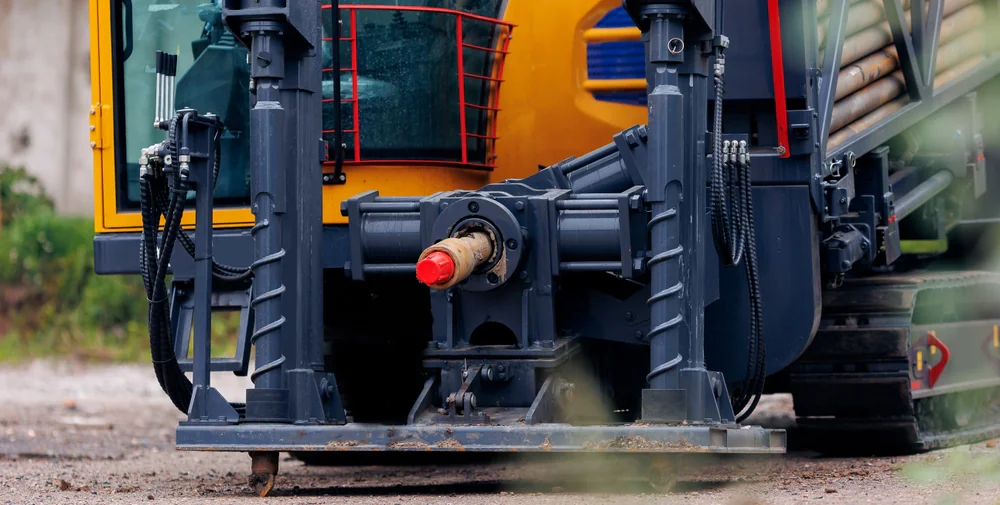
Trenchless pipe lining typically lasts 50+ years, which often exceeds the lifespan of traditional pipe replacement. The cured-in-place liner creates a corrosion-resistant barrier that won’t rust, crack, or develop the same issues that caused your original pipe to fail.
Traditional pipe replacement gives you new pipes, but those pipes are still vulnerable to the same soil conditions, ground movement, and chemical exposure that damaged your old ones. Galvanized steel corrodes. Cast iron deteriorates. PVC can crack under pressure or ground shifting.
The epoxy liner used in trenchless repairs doesn’t have those vulnerabilities. It’s not affected by soil acidity, doesn’t corrode from the inside due to water chemistry, and creates a smooth interior surface that resists buildup and blockages. Many manufacturers back their liners with 50-year warranties because the material is proven to last.
In North Great River, where many homes have pipes that are 40 to 70 years old, you’re essentially getting a brand new pipe system without the cost and disruption of full replacement. The liner becomes the new pipe, and it’s often stronger than what was originally installed.
No. Properly installed trenchless pipe lining maintains nearly the same interior diameter as your original pipe, and the smooth surface often improves flow compared to corroded or scaled pipes.
The liner itself is typically only a few millimeters thick. When it’s installed, it conforms tightly to the interior walls of your existing pipe, so you’re only losing a fraction of an inch in diameter. For most residential applications, this minimal reduction has zero noticeable impact on flow capacity.
What actually improves flow is the elimination of rough, corroded surfaces. If your pipes are old galvanized steel or cast iron, the interior is likely covered in rust, scale, and mineral buildup that restricts flow and catches debris. The new liner creates a completely smooth, joint-free surface that water or waste moves through more efficiently.
This is different from pipe bursting or sliplining methods that insert a smaller pre-formed pipe inside your existing one. Those approaches do reduce diameter more significantly. Cured-in-place pipe lining is specifically designed to preserve flow capacity while creating a structural repair. That’s why it’s often the preferred method for trenchless sewer pipe lining in North Great River, NY when maintaining drainage performance is critical.
Yes. That’s one of the main reasons trenchless pipe lining exists. We access your pipe from existing cleanouts or small access points, then complete the repair without touching your driveway, sidewalk, or any other hardscaping above the pipe.
Traditional repair methods would require cutting through your driveway, excavating down to the pipe, replacing the damaged section, backfilling, and then repaving. Depending on your driveway material and size, that restoration work can easily cost $5,000 to $15,000 on top of the actual pipe repair.
Trenchless methods eliminate that entire process. We insert the liner through an access point, position it where it needs to go, and cure it in place. Your driveway never gets touched. This is particularly valuable when you’re dealing with stamped concrete, paver driveways, or asphalt that’s been sealed and maintained. Those surfaces are expensive to replace and nearly impossible to match perfectly.
The same approach works for pipes running under sidewalks, patios, landscaping, or even interior basement floors. If your sewer line runs under your finished basement, we can reline it without jackhammering your floor. The access points we need are minimal, and the repair happens entirely within the existing pipe structure.
Trenchless pipe lining typically costs 30% to 50% less than traditional excavation and replacement when you factor in the full scope of work, including restoration. The repair itself might have a similar base price, but you’re eliminating thousands in additional costs.
Traditional pipe replacement requires excavation, which means you’re paying for digging, hauling away soil, shoring if needed, and then backfilling once the new pipe is in. Then comes restoration: repaving driveways, replacing landscaping, re-sodding lawns, rebuilding retaining walls, or reinstalling pavers. Those restoration costs add up fast, especially in North Great River where property improvements are substantial.
Trenchless methods skip all of that. You’re paying for the inspection, cleaning, liner materials, and installation labor. No excavation equipment. No dump truck loads of soil removal. No restoration contractors coming in after the pipe work is done.
The other cost factor is time. Traditional excavation can take several days to a week or more, depending on the scope. Trenchless pipe lining usually wraps up in a day, which means less disruption to your schedule and faster return to normal operations. If you’re dealing with a failed sewer line, that time difference matters.
For North Great River homeowners protecting properties valued at $650,000+, the cost comparison isn’t just about the repair itself. It’s about preserving your property investment and avoiding depreciation that comes from torn-up landscaping or mismatched driveway patches.
Yes. Trenchless pipe lining works year-round because we’re not digging through frozen ground. The repair happens inside your existing pipe, so ground conditions don’t affect our ability to complete the work.
This is a significant advantage on Long Island, where the frost line reaches 3+ feet deep during winter months. Traditional excavation in January or February means breaking through frozen soil that’s hard as concrete, which requires specialized equipment, takes longer, and costs more. Many contractors won’t even attempt it, which leaves you waiting until spring while dealing with a failed pipe.
Trenchless methods bypass that problem entirely. We access your pipe through existing cleanouts or small entry points that don’t require deep excavation. The liner installation and curing process happens inside the pipe, where temperature is more stable. We can control curing conditions if needed, ensuring the epoxy sets properly regardless of outside weather.
This matters when you’re dealing with emergency pipe failures during winter. A collapsed sewer line or burst water main doesn’t wait for convenient timing. If your pipe fails in December, you need a solution that works immediately, not a promise that someone will come back in April.
Trenchless pipe lining for old homes in North Great River, NY gives you that option. The technology is designed to work in conditions where traditional methods aren’t practical or cost-effective.
A camera inspection tells you exactly what condition your pipes are in and whether trenchless lining is viable. We’re looking at the extent of damage, the structural integrity of the existing pipe, and whether there are conditions that would prevent a liner from bonding properly.
Trenchless pipe lining works well for pipes with corrosion, cracks, small holes, root intrusion, or joint separation. It doesn’t work if your pipe has completely collapsed, if there are severe offsets where sections have shifted dramatically, or if the pipe has deteriorated to the point where there’s nothing left to line.
The camera inspection shows us all of that. We’re running a high-resolution camera through your entire pipe system, recording what we see, and identifying problem areas. This isn’t guesswork. You’ll see the same footage we’re looking at, and we’ll walk you through what’s happening and what your options are.
In most cases involving North Great River homes with aging galvanized or cast iron pipes, trenchless lining is a viable solution. The pipes might be corroded and restricted, but they’re still structurally present enough to support a liner. If we find sections that are too far gone, we can sometimes combine approaches—lining the sections that are salvageable and doing targeted replacement only where absolutely necessary.
The inspection also identifies issues you might not know about yet. You might call us about low water pressure, and we find that you’ve got a pipe that’s 70% blocked with rust and scale but hasn’t failed yet. That’s valuable information that lets you address the problem before it becomes an emergency.
Other Services we provide in North Great River