
Hear from Our Customers
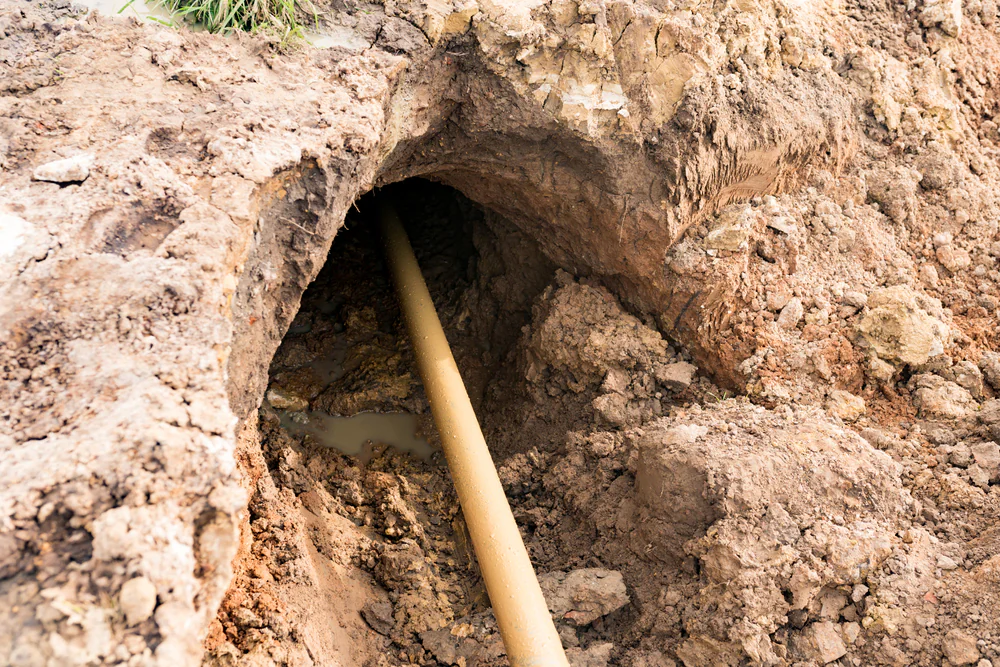
Your sewer line gets repaired or replaced without tearing up your driveway, tearing out your landscaping, or leaving your property looking like a construction zone for weeks. The grass goes back. The pavement stays untouched. And you’re back to normal in a day or two, not a month.
The new liner inside your old pipe is seamless, corrosion-resistant, and built to last fifty years or longer. That’s not a patch job. That’s a full structural repair that handles root intrusion, cracks, and corrosion without the mess of traditional excavation.
You avoid the hidden costs that come with digging: landscape replacement, driveway repair, fence removal, patio reconstruction. Those expenses add up fast, and most homeowners don’t realize how much until it’s too late. Trenchless pipe lining services in Miller Place, NY eliminate that risk entirely.
We’ve been handling underground utility work across Nassau and Suffolk Counties since 1983. That’s over forty years of trenchless sewer pipe lining, directional drilling, pipe bursting, and emergency sewer repairs for homeowners, businesses, and municipalities throughout Long Island.
Miller Place has plenty of older homes—properties built thirty, forty, fifty years ago with cast iron and clay pipes that are cracking, corroding, or collapsing. We’ve seen it all, and we know exactly how to fix it without destroying what you’ve built above ground.
We’re not a franchise. We’re a family-owned operation that shows up with the right equipment, the right experience, and zero interest in upselling you on work you don’t need.
First, we run a camera through your sewer line to see what’s actually going on. No guessing. We locate cracks, root intrusion, corrosion, offsets—whatever’s causing the problem. You see the footage, and we walk you through what needs to happen next.
Once we confirm trenchless pipe lining is the right fix, we clean the pipe using hydro jetting or robotic cutting tools. That removes roots, debris, and buildup so the liner can bond properly to the pipe walls.
Then we insert a resin-saturated liner into the existing pipe and inflate it. The resin cures in place—usually within a few hours—and hardens into a brand-new pipe inside the old one. It’s seamless, structurally sound, and ready to handle decades of use. We pull the camera back through to confirm everything’s sealed and flowing correctly.
The whole process typically takes a day and a half. You’re not waiting weeks for trenches to get dug, pipes to get hauled in, and your yard to get put back together. You’re done fast, and it’s done right.
Ready to get started?
Trenchless pipe lining works on straight runs and curved sections. It handles small residential lines and larger commercial diameter pipes. If your sewer line runs under a driveway, patio, detached garage, or mature landscaping, this is how you fix it without ripping everything apart.
Miller Place homeowners deal with aging infrastructure. Homes built in the ’60s, ’70s, and ’80s often have cast iron or clay sewer lines that crack over time, attract tree roots, and eventually fail. Traditional replacement means excavation, which means tearing up driveways, removing fences, and replanting landscaping. That’s expensive and disruptive.
Trenchless sewer repair in Miller Place, NY solves that problem. The new liner is resistant to rust and corrosion. It won’t crack from ground shifts or freeze-thaw cycles. And because it’s seamless, there are fewer joints where roots can penetrate or leaks can develop.
This isn’t a temporary patch. It’s a full structural rehabilitation that adds fifty-plus years to your sewer system without the cost or chaos of digging up your property.
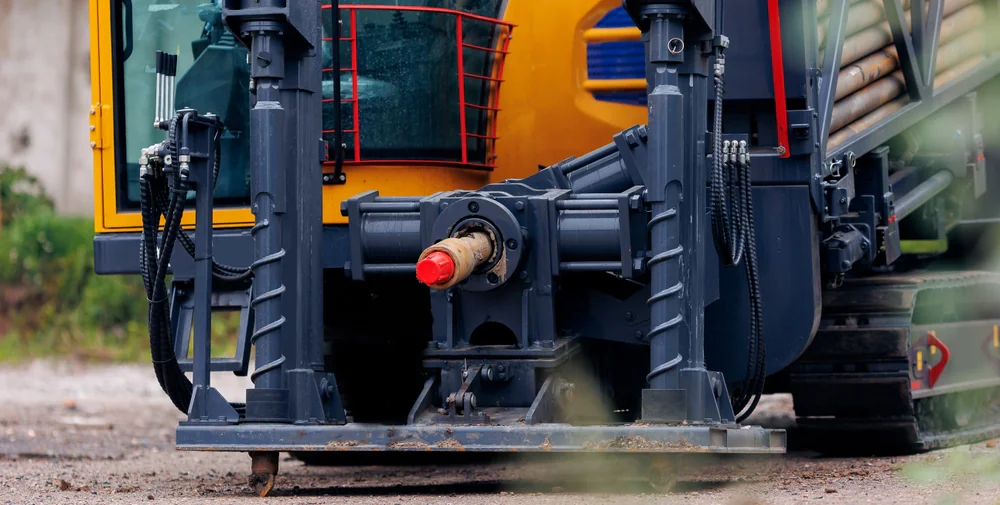
Trenchless pipe lining in Miller Place, NY typically costs less than traditional excavation once you factor in restoration. Digging up a sewer line means you’re also paying to replace driveways, landscaping, fences, patios—whatever’s in the way. Those costs add up fast, often running into thousands of dollars on top of the pipe work itself.
Trenchless methods eliminate most of that. You’re paying for the liner, the prep work, and the installation—but not for tearing apart and rebuilding your property. The work also gets done faster, which means less disruption and fewer labor hours.
Every job is different, so the best move is to get a camera inspection and a clear estimate. We’ll tell you exactly what the repair involves and what it’ll cost, with no surprises later.
Yes. That’s exactly what trenchless pipe lining is designed for. If your sewer line runs under a driveway, patio, walkway, or any other hardscape, we can repair or replace it without breaking through the surface.
We access the pipe from an existing cleanout or by creating small entry points at either end of the damaged section. The liner gets inserted through those access points and cured in place, creating a new pipe inside the old one. Your driveway stays intact, and you avoid the cost and hassle of repaving.
This method also works for lines running under landscaping, detached garages, or anywhere else excavation would be a nightmare. It’s faster, cleaner, and less expensive than traditional dig-and-replace.
Trenchless pipe liners are designed to last fifty years or longer. The cured-in-place pipe (CIPP) material is highly resistant to corrosion, root intrusion, and the kind of wear that eventually destroys cast iron, clay, and older PVC lines.
Because the liner is seamless, there are fewer weak points where leaks or cracks can develop. It’s also flexible enough to handle ground shifts without breaking, which is a common problem with rigid pipe materials in areas with freeze-thaw cycles or settling soil.
This isn’t a temporary fix. It’s a full structural rehabilitation that essentially gives you a brand-new sewer line without replacing the old one. Most homeowners won’t need to think about their sewer system again for decades.
Both are trenchless methods, but they work differently. Pipe lining inserts a new liner inside the existing pipe, leaving the old pipe in place. Pipe bursting breaks apart the old pipe and pulls a new one through at the same time.
Pipe lining works best when the existing pipe is still structurally sound enough to support a liner—meaning it’s cracked or corroded but hasn’t completely collapsed. It’s faster and requires less excavation because you’re not removing anything.
Pipe bursting is the better option when the old pipe is too far gone—completely collapsed, severely offset, or made of a material that can’t support a liner. It still avoids the full-scale excavation of traditional replacement, but it does require more access points.
We’ll run a camera through your line and tell you which method makes sense for your situation. Sometimes it’s lining, sometimes it’s bursting, and sometimes it’s a combination depending on what’s happening underground.
Common signs include slow drains throughout the house, gurgling sounds from toilets or sinks, sewage backups, or wet spots in your yard with no clear source. If you’re dealing with any of those, there’s a good chance your sewer line has cracks, root intrusion, or corrosion.
Older homes in Miller Place—especially those built thirty or more years ago—are prime candidates. Cast iron and clay pipes break down over time, and tree roots are aggressive on Long Island. If you’ve never had your sewer line inspected and you’re starting to see problems, it’s worth getting a camera in there to see what’s going on.
We’ll run a video inspection, show you exactly what’s happening underground, and give you a clear recommendation. If trenchless pipe lining makes sense, we’ll explain why. If it doesn’t, we’ll tell you that too. No pressure, no upselling—just honest answers based on what the camera shows.
Yes, trenchless pipe lining can be done year-round, including winter. The curing process happens inside the pipe using heat or UV light, so cold outdoor temperatures don’t stop the work. That’s a major advantage over traditional excavation, which can be delayed or complicated by frozen ground.
The resin needs to reach a specific temperature to cure properly, and our equipment controls that regardless of what’s happening outside. As long as we can access the pipe and the ground isn’t so frozen that we can’t work safely, the job moves forward.
Winter is actually a smart time to handle sewer repairs if you’re dealing with an issue. You’re not waiting for better weather, and you’re getting the problem fixed before spring thaw or heavy rains put more stress on an already compromised line.
Other Services we provide in Miller Place