
Hear from Our Customers
Your sewer line works like it should. Water drains fast, toilets flush without backup, and you’re not dealing with foul smells or standing water in your basement.
The work gets done in a day for most residential jobs. No excavators tearing through your driveway. No replacing the landscaping you spent years growing. The repair lasts 50+ years because the liner we install becomes the new pipe—seamless, root-proof, and built to handle whatever East Farmingdale’s soil and weather throw at it.
You’re not patching a problem or hoping it holds. This is a permanent fix that costs less than traditional dig-and-replace methods because there’s no restoration work after. Your property looks the same when we leave as it did when we arrived, except your sewer actually works.
We know Nassau County properties because we’ve worked in these neighborhoods long enough to see the patterns. The tree roots from those beautiful old oaks on your street that crack clay pipes. The cast iron lines from homes built in the ’50s and ’60s that are corroding from the inside out. The way Long Island’s soil shifts and puts pressure on joints.
We’re not new to this. We’ve handled sewer emergencies in East Farmingdale during winter freezes when digging isn’t an option, and we’ve helped homeowners avoid the nightmare of ripping up driveways just to replace a 20-foot section of pipe. Trenchless methods aren’t experimental here—they’re how we solve problems faster and smarter than the old way ever could.
We start with a sewer camera inspection to see exactly what’s wrong and where. No guessing. The camera shows us cracks, root intrusion, corrosion, or collapses so we know which trenchless method makes sense for your situation.
For most repairs, we use CIPP lining. We clean out the damaged pipe, then insert a resin-saturated liner through an existing access point. Once it’s in position, we inflate it and cure it with heat or UV light. The liner hardens into a smooth, durable pipe inside your old one. It seals cracks, blocks roots, and adds decades to your sewer’s life.
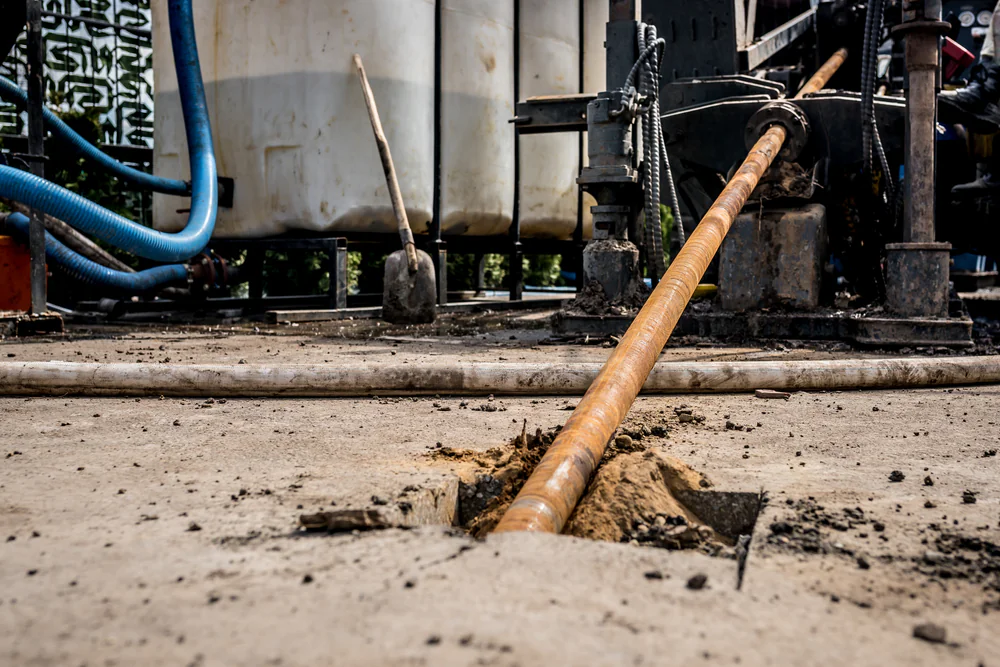
If the pipe is too far gone, we use pipe bursting. We pull a new high-density polyethylene pipe through the old one, breaking apart the damaged line as the new one takes its place. You can even upsize the diameter if your old pipe was too small for current demand. Either way, we only dig small access pits at entry and exit points—not a trench across your entire yard.
Ready to get started?
East Farmingdale has a lot of older homes with original sewer lines that weren’t built to last this long. Clay pipes crack under pressure from mature tree roots. Cast iron corrodes after 50+ years of use. Galvanized steel rusts through. These aren’t problems you can patch with a quick fix.
Trenchless pipe lining works because it doesn’t just repair the damage—it creates a completely new pipe inside the old one. The liner is seamless, so roots can’t get back in. It’s resistant to corrosion and chemicals. And because we’re not digging up your yard, you don’t lose the landscaping, concrete, or asphalt that would cost thousands to replace after traditional excavation.
This matters in neighborhoods where driveways run over sewer lines or where your line runs under a deck, patio, or established garden. It also matters when your pipe fails in January and the ground is frozen solid. Trenchless methods work year-round without the delays and complications that come with open-cut repairs. You get a code-compliant repair that lasts longer than the original pipe, and your property stays intact.
Trenchless pipe lining typically costs less than traditional excavation when you factor in the full scope of work. Digging up a sewer line means paying for excavation, pipe replacement, and then all the restoration—new concrete, asphalt, landscaping, and sometimes even structural repairs if the digging destabilizes something.
Trenchless methods eliminate most of that restoration cost because we’re only digging small access pits, not a full trench. The repair itself is faster, which means less labor time. For a typical residential job in East Farmingdale, you’re looking at a repair that can run 30-50% less than full excavation and replacement, and it’s done in a day instead of a week.
The other cost advantage is longevity. CIPP liners last 50+ years, and pipe bursting installs new polyethylene pipe with a 100-year life expectancy. You’re not paying for a temporary fix that might fail again in 10 years. You’re getting a permanent solution that outlasts what was there originally.
Yes. That’s exactly the situation where trenchless sewer repair makes the most sense. If your sewer line runs under your driveway, traditional repair means cutting through concrete or asphalt, digging down to the pipe, replacing it, backfilling, and then repaving. That’s expensive and disruptive.
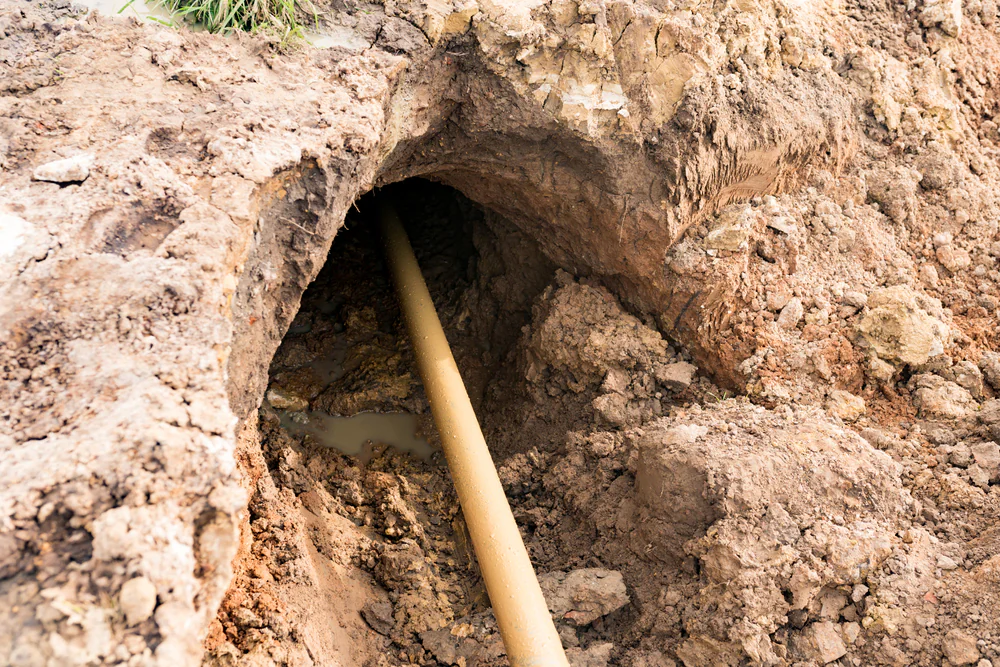
With trenchless pipe lining, we access the damaged section from existing cleanouts or small pits dug at either end of the problem area. The liner gets inserted through the pipe and cured in place, so the driveway stays intact. If we’re using pipe bursting, we pull the new pipe through underground without disturbing the surface.
This is common in East Farmingdale where driveways are often directly over the main sewer line. Homeowners avoid the cost of repaving and the hassle of losing driveway access during a lengthy repair. The work gets done faster, costs less, and your driveway looks exactly the same when we’re finished.
Yes. Tree roots are one of the biggest reasons homeowners in East Farmingdale need sewer repairs, and trenchless pipe lining solves that problem permanently. Roots get into sewer lines through cracks, gaps at joints, or corroded sections where they can access water and nutrients.
When we install a CIPP liner, it creates a seamless pipe with no joints or gaps. The cured resin is smooth and impermeable, so roots can’t penetrate it. Even if roots are pressed up against the outside of the old pipe, they can’t break through the liner. That’s different from traditional pipe replacement, which still has joints where sections connect—and those joints can eventually leak and invite roots back in.
If roots have already invaded the line, we clear them out with mechanical cutting tools before installing the liner. Once the liner is cured, the root problem is done. The new pipe interior is too smooth and solid for roots to grip or penetrate, which means you’re not dealing with slow drains and backups every few years like you might have been before.
CIPP liners are designed to last 50 years or more, and in many cases, they outlast the original pipe by decades. The liner becomes the new structural pipe once it cures—it’s not a coating or a temporary patch. It’s a fully functional sewer line that’s resistant to corrosion, root intrusion, and the kind of wear that damaged your old pipe in the first place.
Pipe bursting installs new high-density polyethylene pipe, which has a life expectancy of up to 100 years. That’s longer than clay, cast iron, or PVC. The material doesn’t corrode, it’s flexible enough to handle ground movement, and it’s not affected by the chemicals or waste that flow through your sewer.
Most trenchless repairs come with a 10-year unconditional warranty, but the actual lifespan goes well beyond that. You’re not going to need another sewer repair in your lifetime, and probably not in the next owner’s lifetime either. It’s a one-time fix that handles the problem for good, which is why it makes sense even if the upfront cost feels like an investment.
Both are trenchless methods, but they work differently and get used in different situations. Pipe lining (CIPP) inserts a resin-coated liner into the existing damaged pipe, then cures it in place so it hardens into a new pipe inside the old one. This works well when the pipe is cracked, leaking, or has root damage, but the structure is still mostly intact.
Pipe bursting is for pipes that are collapsed, severely corroded, or too damaged to line. We pull a new pipe through the old one while simultaneously breaking apart the damaged pipe and pushing it into the surrounding soil. The new pipe takes the exact path of the old one, but it’s a complete replacement. You can also upsize the diameter if the original pipe was too small for your current needs.
The choice depends on what the camera inspection shows. If your pipe has localized damage or root intrusion but the overall structure is sound, lining is faster and less invasive. If the pipe is collapsing or rotted through, bursting gives you a brand-new line without the excavation. Either way, your yard stays intact and the repair lasts decades.
The signs are usually obvious once you know what to look for. Slow drains throughout the house, toilets that gurgle or back up, foul smells coming from drains, or wet spots in your yard near the sewer line all point to a problem. If you’ve had repeated backups or needed your line snaked multiple times in a short period, that’s a sign the pipe itself is damaged—not just clogged.
We confirm it with a sewer camera inspection. The camera shows us exactly what’s happening inside the pipe: cracks, root intrusion, corrosion, bellied sections, or full collapses. That tells us whether trenchless repair makes sense or if you’re dealing with something simpler like a blockage that just needs clearing.
Trenchless pipe lining is the right call when the damage is structural and spread across a section of pipe, not just one isolated spot. If you’ve got an older home in East Farmingdale with original clay or cast iron sewer lines, and you’re seeing any of the symptoms above, there’s a good chance the pipe has reached the end of its functional life. A camera inspection gives you a clear answer and shows you exactly what needs to be fixed.
Other Services we provide in East Farmingdale